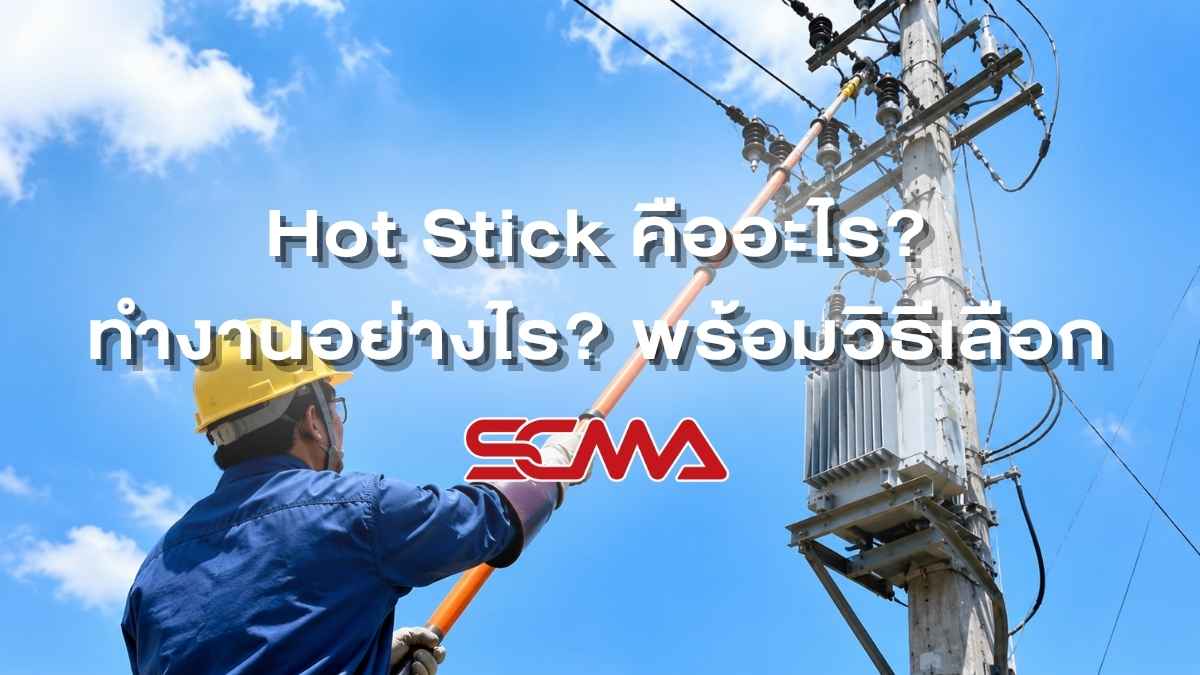
Have you ever wondered how electricians can work safely with high-voltage electrical systems without the appropriate protective equipment? The solution to this problem is a Hot Stick, or fuse pole, which SCMA offers for sale along with comprehensive consultation services on measuring tools. This article will guide you through understanding its operation, providing a checklist of various types so that you can choose the right insulating safety tool safely and correctly.
What is a Hot Stick?
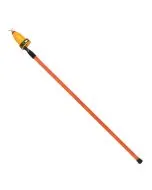
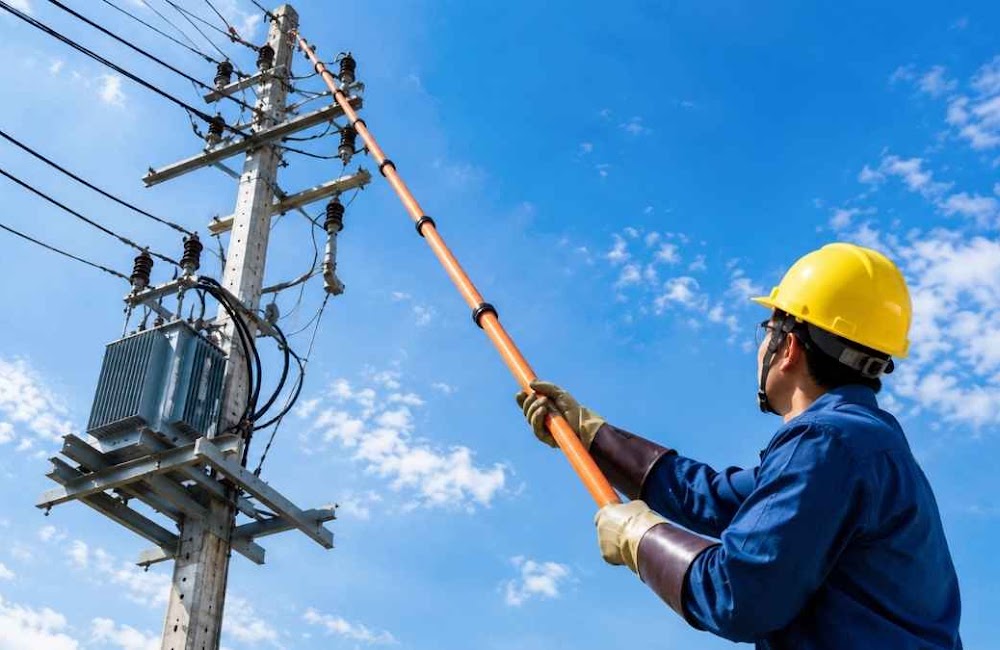
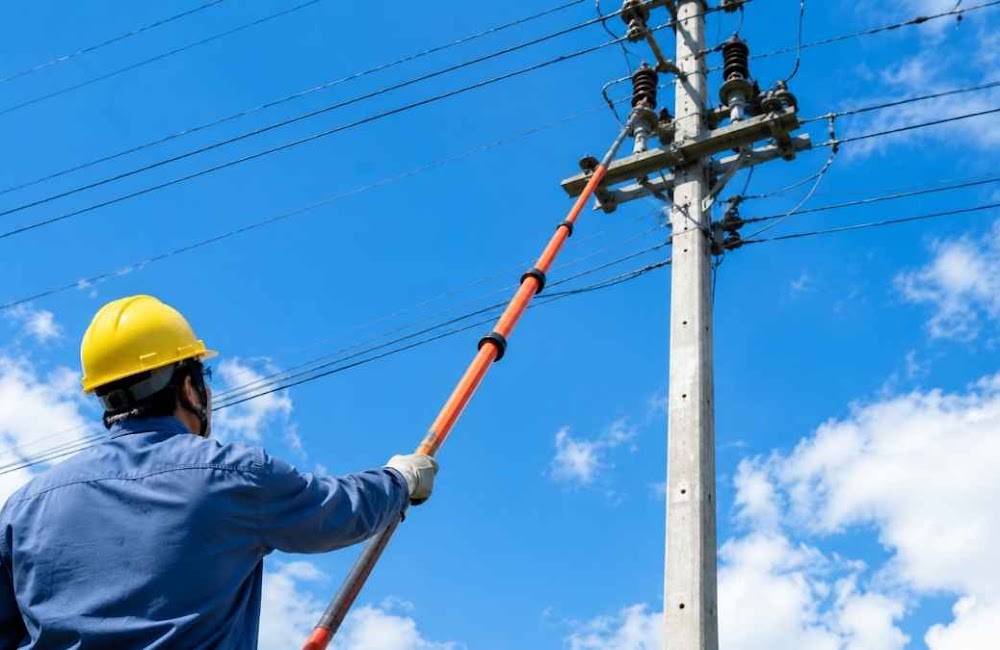
A Hot Stick (fuse pole) is an insulating safety tool made of high-quality fiberglass, designed specifically for working with high-voltage electrical systems. Electricians use this tool to remove and replace fuses, open and close switches, or test voltage levels. This equipment allows workers to perform tasks safely from a distance without direct contact with the current.
How Hot Sticks Work
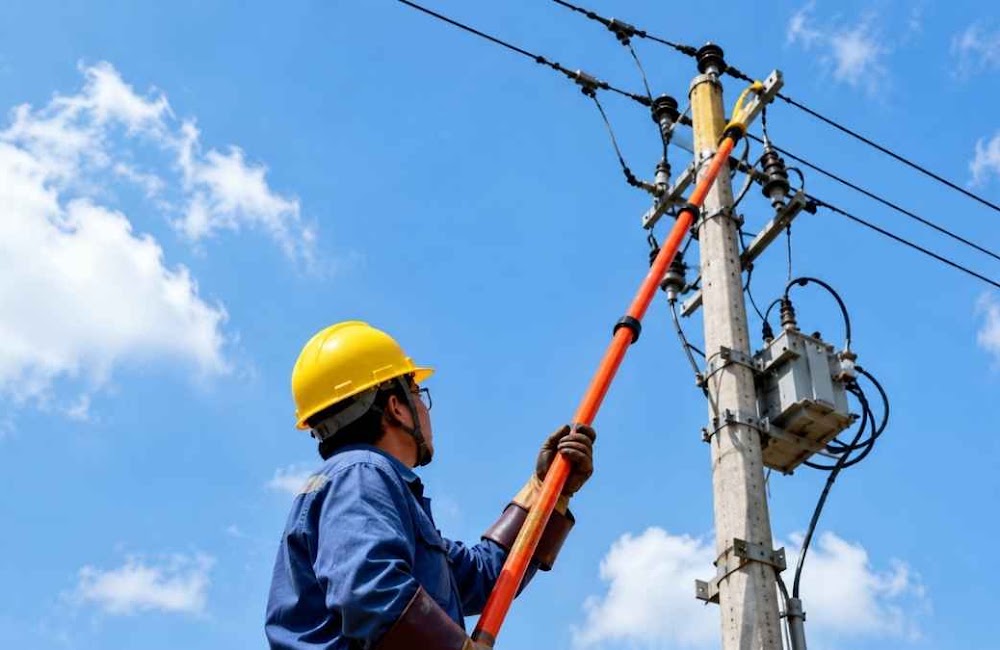
This equipment from SCMA Company operates on the principle of using high-voltage insulation to prevent electrical current from flowing through the handle to the operator. Electricians can therefore work safely on high voltage systems from a distance without having to cut off power.
1. Electrical Insulation Materials (Insulation)
The handle is made of reinforced fiberglass or composite materials with extremely high electrical resistance. These materials serve as an insulating barrier between the electrician and live wires carrying current. This insulation design prevents short circuits or leakage currents from harming the user.
2. Mechanical Operation
The operator holds the handle at the bottom, which is safe from electrical current, then uses the other end fitted with a specialized tool head to reach and manipulate the target. The mechanical force from the electrician's hand is transmitted through the insulated stick to the electrical equipment, allowing precise switching operations.
3. Flexibility
The insulating sticks come in telescopic models that can extend or retract like an antenna, making it easy to adjust length when working at heights. Additionally, there are screw-together models that allow multiple sections to be joined securely for reaching further distances as needed.
How Many Types of Hot Sticks Are There?
Selecting hot line tools and equipment for high voltage lines should primarily consider the nature of the work. Currently, there are mainly three types in use:
1. Telescopic Hot Sticks (Extendable Hot Sticks)
This type is the most popular due to its portability. The body is made from triangular or circular fiberglass tubes that can be extended for high reach and retracted easily, making it ideal for general inspection and maintenance work where frequent movement between job sites is required.
2. Fixed Length / Straight Hot Sticks (Fixed-Length Hot Sticks)
This type of insulating stick has a single long rod that cannot be extended or retracted, offering high mechanical strength. The handle is lined with foam to prevent moisture accumulation. This fixed-length tool is suitable for regular use at substations where it's not necessary to move outside the station.
3. Shotgun Hot Sticks (Short-Handled Hot Sticks)
This equipment is often called a clamp stick, designed with a gripping mechanism on one end that allows for secure clamping or holding of various tools such as clamps or fuses. This mechanism enables electricians to install components on high voltage poles more accurately and quickly.
Proper Maintenance of Hot Stick
Correct maintenance of the Hot Stick is crucial to ensure its insulation effectiveness and prevent accidents. Based on SCMA's engineering team experience, we recommend the following maintenance steps.
1. Regular Cleaning
An electrician should use a clean cloth to wipe down the insulating rod both before and after each use. This step helps remove dust, oil stains, or soot that may accumulate on the handle. These contaminants can act as conductors and reduce the insulation effectiveness of the stick.
2. Proper Storage
The equipment should be stored in a dry area, avoiding high heat and direct sunlight. A critical precaution is to never leave the sticks lying on the ground or concrete floors; it's recommended to store them in dedicated bags or hang them on racks to prevent moisture and scratches.
3. Pre-Use Inspection
The operator must carefully inspect the surface of the fiberglass before each use. If any cracks, deep scratches, or burn marks are found on the rod's surface, it should not be used under any circumstances. Even minor damage can lead to electrical leakage and serious injury.
4. Annual Testing (Dielectric Test)
Even if the external condition appears perfect, users must send the hot stick for dielectric testing at least every 2 years. This laboratory test ensures that the equipment meets safety standards and can withstand the specified voltage levels.
Using a Hot Stick
A hot stick is an essential tool for working with live electrical lines (Live-line working). Its use in high-voltage systems has primary purposes and operational characteristics that must be understood.
1. Removing and Switching High-Voltage Electrical Equipment
The main function of an insulated stick is to remove or switch circuit breakers in a high-voltage system. Electricians can safely use this tool to handle fuse cutouts, fuse links, or disconnect switches. Using a properly rated stick helps reduce the risk of arc flash.
2. Checking and Measuring Voltage
In addition to mechanical functions, it can be connected to non-contact voltage detectors. Compatible connectors allow electricians to bring sensors up to test high-voltage transmission lines to confirm power status before maintenance work begins.
3. Creating Maximum Safety Distance
The most important purpose is to serve as insulation for workers from electrical current. This equipment creates a safe distance between the worker and the power source. The length of the stick helps maintain the Minimum Approach Distance according to international safety standards.
Advantages of Hot Stick
The insulating tools from SCMA stand out with the selection of premium-grade materials that meet international standards. Let's delve into the benefits that make these tools highly regarded in the industry.
1. High Safety and Certified Standards Compliance
The products are made from high-quality fiberglass designed specifically for insulation work, passing tests according to international standards such as IEC 60855 or ASTM F711. Users can be confident that the equipment effectively prevents electrical leakage to the body.
2. Universal Head
The tip comes with a universal sunrise connector, which is an internationally recognized standard. This type of connector allows for versatile connections with various accessories such as fuse pullers, voltage detectors, or tree trimming tools near power lines.
3. Weather-Resistant Material
The shaft is designed to withstand UV rays and moisture, making it ideal for outdoor use in Thailand's environment. A special coating helps prevent material degradation or cracking when exposed to sunlight over long periods.
4. Diverse Design Options Available
Users can choose designs that fit their specific job requirements. Both single-piece models that are strong and ready for immediate use, as well as telescopic extendable models emphasizing portability, are available. The telescopic model helps electricians work in tight spaces or store the tool easily in a pickup truck.
5. High Flexibility in Real Work Applications
A single piece of equipment can be adapted to handle various high-voltage electrical systems. It supports disconnection and switching operations on all types of cutouts on power poles. This versatility helps save budget costs by reducing the need for multiple tools in maintenance departments.
How to Choose a Hot Stick
Selecting a Hot Stick for high voltage work requires careful consideration to ensure maximum safety. The SCMA engineering team summarizes the guidelines for selecting the correct insulated stick as follows:
- Select Voltage Rating: Check that the insulating rod can withstand a higher voltage than the system's operating level, and choose one suitable for your system such as 12 kV, 24 kV or 36 kV. Look at the specifications clearly marked on the handle.
- Select Usage Type: If portability is important, opt for a telescopic model; if long-term stability is needed, choose sectional kits with universal connectors.
- Check Safety Standards: Choose brands that use special-grade fiberglass according to international standards such as ASTM F711 or IEC. The material must be non-conductive, lightweight, and resistant to moisture and bending.
- Select Appropriate Length: Consider the safe working distance (Minimum Approach Distance) by choosing lengths from 3 meters up to 10 meters based on the actual height of the work site.
Hot Stick Safety Standards
All safety equipment must have clear reference standards. For this tool, adhering to global standards is the most critical criterion for deciding on purchasing equipment for the factory.
- ASTM F711 Standard: This is the primary US standard that sets requirements for fiberglass reinforced rods and tubes used as insulating sticks for live line work.
- IEC 60855 Standard: An international standard covering electrical and mechanical properties of foam-filled insulating tubing for live working.
- Dielectric Strength Testing: Equipment that meets standards must pass dielectric strength testing to prove there is no leakage current exceeding the specified criteria.
- Mechanical Test (Mechanical Test): In addition to insulation properties, insulating sticks must withstand pulling or pushing weight without bending or breaking according to laboratory specifications.
Summary
In summary, Hot Stick, or insulating stick, is an essential safety tool for high-voltage electricians. Choosing equipment that meets standards and proper maintenance helps prevent life-threatening hazards. If your organization is looking for high-quality insulating sticks or needs consultation on industrial measuring tools, our team of expert engineers from SCMA are ready to provide comprehensive solution design services.
You can now purchase Hot Sticks from SCMA!
Investing in high-standard safety equipment is an investment to protect employee lives and maintain production continuity. SCMA Company, we are a distributor of high-quality insulating sticks certified at the international level. In addition, we offer consultation services, project solution design, and after-sales service by our team of engineers who will take care of you on-site in every industrial area.
Frequently Asked Questions
1. What are Hot Sticks made of?
Made from reinforced fiberglass or special-grade composite materials, these materials are lightweight, strong, and have excellent high-voltage insulating properties.
2. How often should a fuse puller be tested for insulation value?
To ensure maximum safety, it is recommended to conduct a Dielectric Test at least every 2 years or immediately upon noticing any surface abnormalities on the handle.
3. What is a Universal Head?
A standard connector designed for use with various accessories, allowing electricians to switch heads for fuse pulling, tree trimming, or voltage testing.
4. How do sliding insulating sticks differ from telescopic ones?
The sliding type extends and retracts like an antenna, emphasizing portability, while the telescoping type is screwed together for greater stability and strength when reaching long distances.
5. Can fuse pullers be used during heavy rain?
It is not recommended to use them in heavy rainfall as water and high humidity can accumulate on the surface of the stick, potentially reducing its insulating effectiveness.