
Is thermal insulation an essential component for every home? Amid Thailand's sweltering weather, finding and installing effective heat barrier sheets or thermal insulation panels is crucial. This article delves into how to choose the right thermal insulation for your building to reduce temperature and save electricity sustainably. If you are interested in consulting industry experts, you can directly contact SCMA’s services.
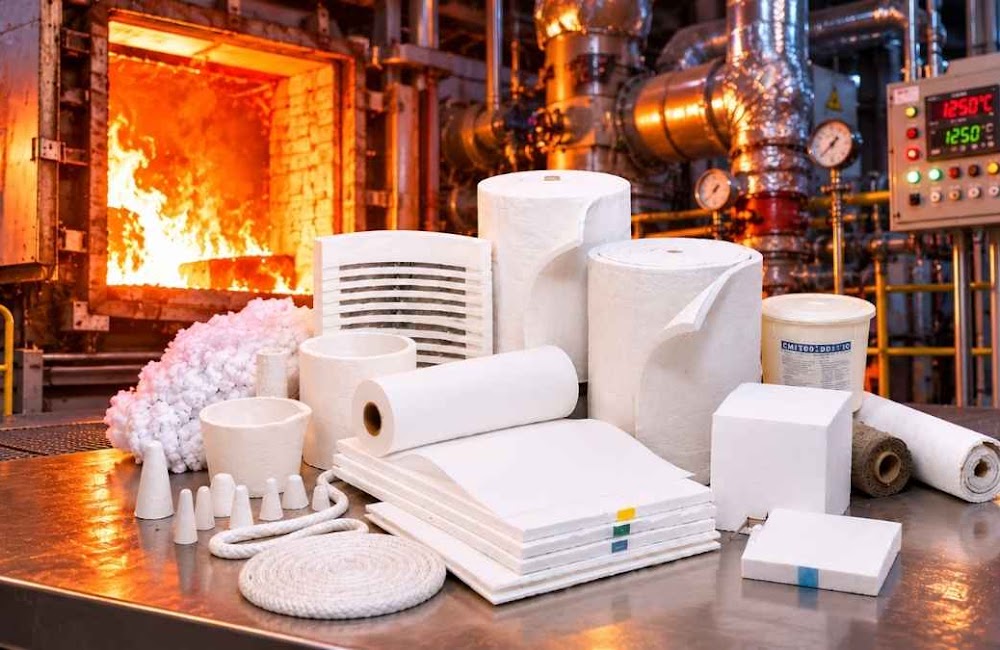
What is thermal insulation? Why modern homes need it
Thermal insulation is material designed to block or slow down the transfer of heat from outside into a building. The principle behind heat barrier sheets involves trapping air within the material or using reflective surfaces to deflect radiant heat. Installing thermal insulation panels helps reduce the workload on air conditioners, leading to clear savings in electricity costs during actual use. When choosing thermal insulation, consider both R-Value (thermal resistance; higher is better) and K-Value (heat conductivity; lower is better) for optimal performance.
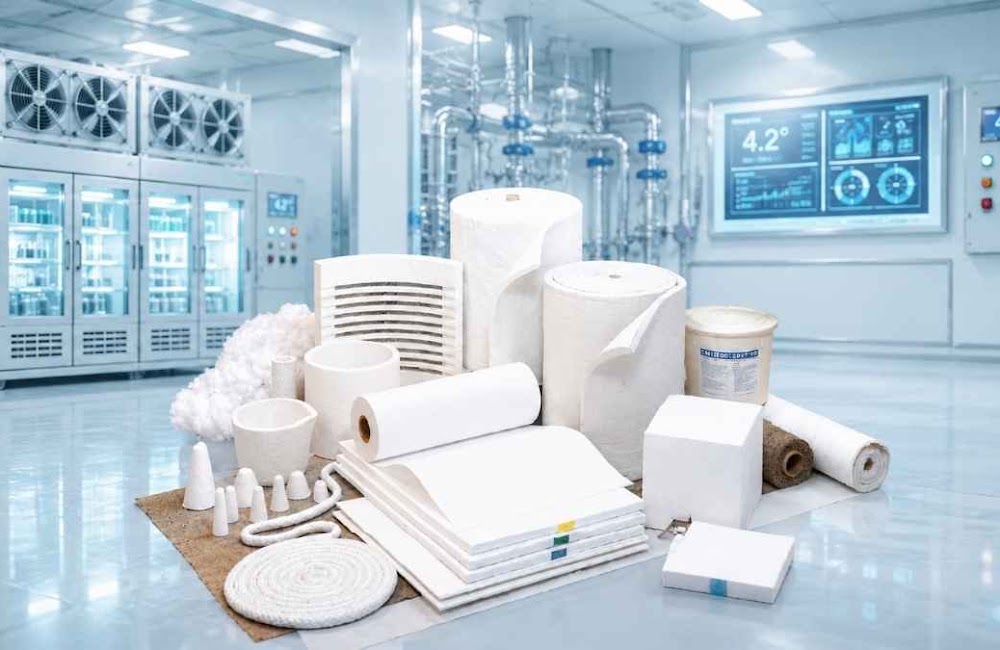
How many types of thermal insulation are there? Which one suits our home?
Selecting roof or ceiling thermal insulation requires considering the site conditions and materials used primarily. Let's look at the popular types of thermal insulation in the market to see which one best meets your building needs.
Fiberglass Insulation - Popular, Cost-Effective
Fiberglass is a top choice for those seeking under-roof thermal insulation due to its excellent heat absorption properties. It's affordable and easily available in the general market, providing good soundproofing from external noise.
PU Foam Insulation - Spray-On and Sheet Types
For homes with roof leakage issues, PU foam insulation is highly effective because when sprayed as under-roof thermal insulation, the foam expands to seal leaks, preventing heat from entering the house perfectly. However, this comes at a higher cost.
PE Foam Insulation - Easy Installation, Good Heat Reflection
If you need lightweight thermal insulation sheets, PE foam is the right choice as it's sticky and durable, easy to install on structures. It's commonly used for roof thermal insulation in large factories or residential homes.
Aluminum Foil Insulation - Or Heat Reflective Sheets
This reflective material type reflects up to 95% of UV radiation from the building, serving as a thin and durable barrier under tile roofs to handle sunlight effectively.
Cellulose Insulation - An Environmental Choice
This is thermal insulation made from recycled paper mixed with fire-retardant substances, environmentally friendly, safe for occupants, ideal for those seeking sustainable and respiratory-safe thermal insulation.
Comparing the Pros and Cons of Each Type of Thermal Insulation
Comparing each type of thermal insulation will help you make a more accurate decision. In terms of durability, PU Foam thermal insulation sheets have the longest lifespan. Regarding health safety, PE foam or paper liner does not cause respiratory irritation due to dust particles. We have summarized the properties of various types of thermal insulation panels in the table below for your clear understanding (referenced from Thermal Insulation engineering topic).
Table Comparing Thermal Insulation Properties
Popular Installation Locations: Ceiling, Under Roof, or Wall?
The installation location of thermal insulation greatly affects the temperature inside the house. Installing thermal insulation on the ceiling is the most popular method because it is easy to do for existing houses and saves budget. On the other hand, installing thermal insulation under the roof is suitable for new constructions or when replacing an old roof to block heat from the very beginning. As for whether wall insulation is necessary, the answer is that you should install thermal insulation panels on walls facing west or south which directly receive afternoon sunlight.
How to Choose Thermal Insulation for the Best Value? What Should You Look For?
Before deciding to spend money, SCMA has compiled a checklist based on direct experience to help you choose materials at the best value as follows:
- Select Based on Roof Type: If it is a metal sheet roof, choose PE foam or PU insulation to reduce rain noise. However, for general concrete tiles, using fiberglass insulation laid over the ceiling is sufficient.
- Consider Your Budget: Fiberglass thermal insulation has the most affordable starting price, while sprayed PU foam is more expensive but covers issues related to roof leakage prevention as well.
- Industrial Product Standards (MOO): Choose roof thermal insulation sheets that have passed MOO certification for safety assurance. The material should not spread fire and be free of residual toxins.
- Select Popular Brands: Choosing SCG thermal insulation is a safe choice for homeowners because it is a trusted brand with product warranties, easy to find installers in every area.
Can DIY Installation Be Done?
For those who love craftsmanship, installing thermal insulation under the roof by yourself can be done if it's ceiling installation work. Here are simple and safe steps:
- Prepare Yourself and Tools: Wear long-sleeved shirts, masks, dust goggles, and gloves especially when working with fiberglass insulation to prevent irritation.
- Inspect the Ceiling Area Above: Open service channels to check wiring and ceiling structure. If there are leaks, repair them before installing thermal insulation sheets.
- Laying Insulation Sheets: Roll out roof underlayment thermal insulation along the ceiling truss direction, being careful not to cover downlights as it may cause heat accumulation and become dangerous.
- Sealing Details: Seal the joints of thermal insulation with aluminum foil tape tightly to prevent moisture from damaging the inner insulation material, extending its lifespan.
Summary
In summary, thermal insulation is a worthwhile investment for comfortable living and helps reduce electricity costs sustainably over the long term. Choosing the right thermal insulation or heat shield, whether fiberglass insulation or roof heat shields, will clearly make your building cooler. If your factory needs to improve temperature control systems, you can consult SCMA's engineering team for precise solutions immediately.
If you want to buy, you can purchase from SCMA today!
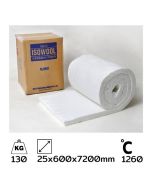
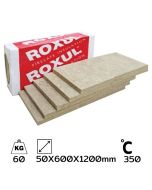
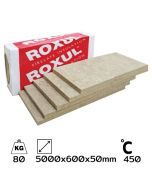
Selecting high-standard industrial equipment is crucial. As experts, SCMA recommends Prorox thermal insulation for high-temperature industrial applications. Additionally, we offer high-quality temperature sensors (Temperature Sensor) to check the performance of heat shields in your factory. Customers can view all our products to find the best thermal insulation sheets for precise temperature control. Don't forget to study about instrument calibration (Calibration) to maintain your system standards as well.
Frequently Asked Questions About Insulation Installation
Will the house get cooler immediately after installation?
The results are visible right after completion, with a noticeable drop in attic temperature. This makes air conditioning units cool faster and saves more electricity when running them.
To what extent does it help with soundproofing?
Some materials like fiberglass or PU foam have special fiber structures that effectively absorb the sound of rain hitting metal roofs.
Are there issues with pest infestations, such as mice or insects?
The newer material models are usually coated with a special substance or tightly wrapped in foil, preventing mice and insects from nesting or gnawing on the materials.
How long is the lifespan of insulation?
If installed correctly and not exposed to prolonged water leakage, it can have a lifespan of over 10 years. This is considered a one-time investment that offers great value.
Can older houses also install additional insulation?
This is quite easy to do by using service openings to bring the materials up and lay them over the ceiling without having to dismantle the existing roof structure, making it less troublesome.