
What is a Flow Switch? What does it do? How does it work?
A flow switch is an equipment that checks the flow of liquids, gases, or steam in pipeline systems. This article will guide you from understanding what a flow switch is and how it works to various types suitable for different industries. If you are looking for expert service providers for flow control switches, please visit SCMA Services which offers comprehensive consultation.
What is a Flow Switch?
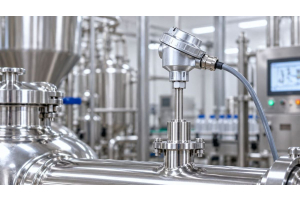
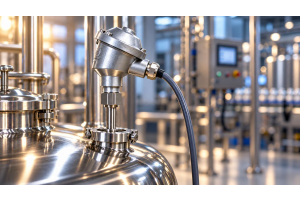
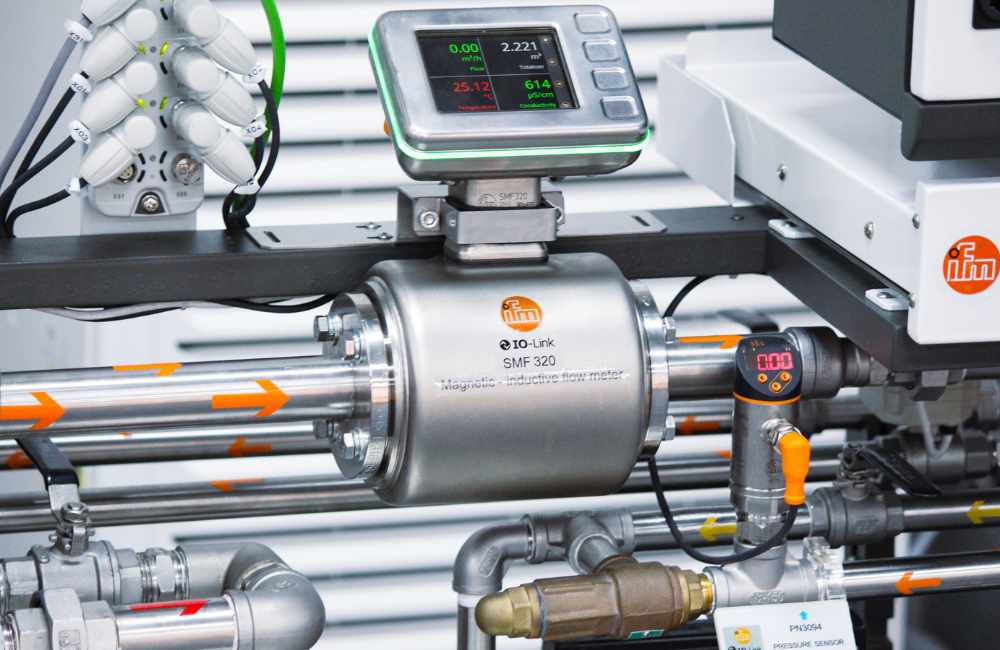
A flow switch, also known as Flow Switch is an equipment that checks the flow of liquids, gases, or steam in pipeline systems. When the flow rate reaches a set value, the switch sends an electrical signal to the control system to command actions such as stopping the flow, shutting down water pumps to prevent dry running, or working with industrial switches in fire suppression systems. Having a flow switch in production processes thus enhances safety and reduces potential damage to equipment.
What does a Flow Switch do?
A flow switch is used for controlling and monitoring the flow rate in industrial processes. When the flow reaches a set value, the switch operates to turn on or off various equipment circuits such as valves, water pumps, or alert systems. This ensures that the system remains stable, safe, and energy-efficient while also extending machinery lifespan by preventing damage from abnormal flows.
How a Flow Switch Works
A flow switch operates by detecting the flow of substance in a pipe and generating an electrical signal when the flow is higher or lower than the set value. The switch can be connected to a control system to automatically turn on or off equipment, such as protecting water pumps in industrial settings. If there is no flow into the pump, the switch will immediately shut it down to prevent damage. This principle is crucial for flow control switches that enhance efficiency and safety across all systems.
What's the Difference Between a Flow Switch and a Flow Meter?
When discussing flow detection devices, questions often arise about what a flow switch is and how it differs from flow meters. The answer lies in their distinct functions despite both being related to flow. Understanding these differences helps in selecting the appropriate equipment for industrial processes.
Flow Switch
Flow Switch is an instrument primarily designed to monitor flow. When the set value is reached, the switch triggers to turn on or off connected equipment such as water pumps or alarm systems. It's ideal for applications requiring immediate response to changes in flow, especially in industrial switches.
Flow Meters
Flow Meters are used for continuous measurement and display of flow values. They are commonly employed in applications requiring quantitative data, such as volumetric flow rate per time. Although they cannot directly trigger operations, some models can be equipped with built-in flow control switches to accommodate tasks that require both measurement and control.
How Many Types of Flow Switches Are There? What Are They?
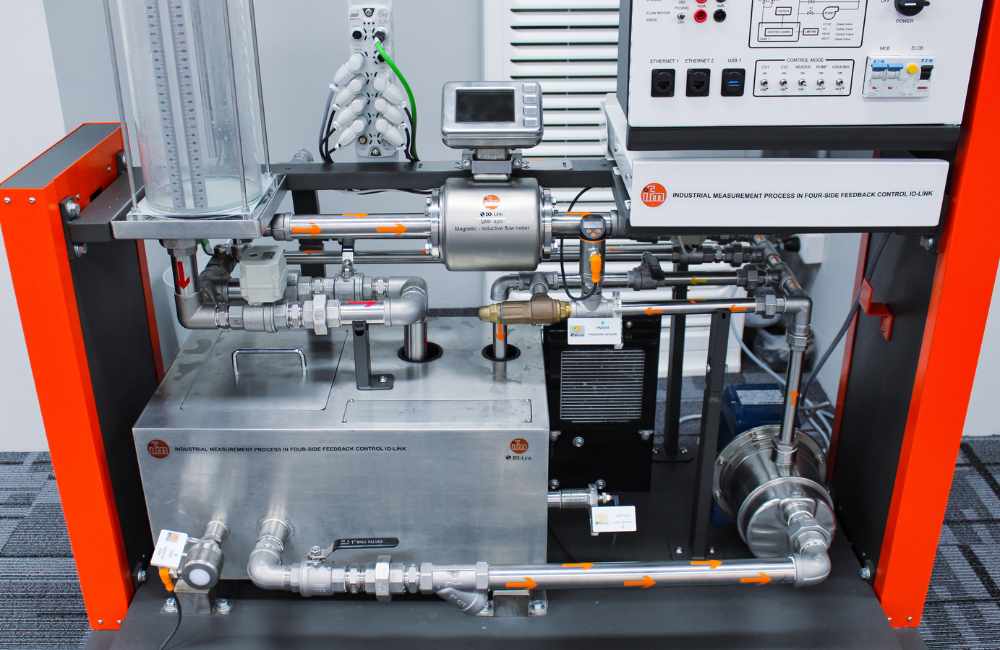
Flow switches come in various types to suit the media being monitored and their use across different industries, whether it's liquids, gases, or specific piping systems. Choosing the correct type helps ensure stable and safe system operation.
Water Flow Switch
Water Flow Switch is used in various water systems, such as air conditioning systems, cooling systems, and general industrial applications. It can be selected in Inline or Insertion types, working with flow control switches to prevent damage from abnormal water pressure.
Air Flow Switch
Air Flow Switch is designed to monitor air or gas flow and is suitable for ventilation systems, treatment systems, and industrial applications involving gases directly. This equipment helps control and alert when the rate of airflow becomes abnormal.
Insertion Flow Switch
The Insertion Flow Switch has the advantage of being easier to install and maintain compared to Inline types, as the flow detection part is inserted into the pipe while the electronic equipment remains outside. It's suitable for work that requires convenient maintenance.
Paddle Flow Switch
The Paddle Flow Switch uses a paddle mechanism to detect pressure from flow and is widely used in water systems and fire suppression systems. Its highlight is its simple structure but high reliability in detecting definite flow.
Inline Flow Switch
The Inline Flow Switch is installed directly into the pipe, providing high accuracy in monitoring flow, though installation may be more complex than other types. It's suitable for systems requiring long-term precision and stability.
Read Article>>>What is a Water Flow Sensor (Water Flow Meter)? How Many Types Are There?
How to Install a Flow Switch
Proper installation of a flow switch is crucial for the accuracy and longevity of the equipment. Before proceeding, users should study the manual and choose an appropriate installation location to ensure that the flow switch operates at maximum efficiency.
Main Installation Steps
- Select an Appropriate Installation Location: Choose a straight section of pipe without bends or joints to minimize flow turbulence.
- Clean the Pipe Surface: Remove any dirt or oil from the pipe surface for a secure connection.
- Install the Flow Switch: Connect the device to the pipe, either inline or insertion type depending on the selected model.
- Connect Electrical System: Wire the switch into the control circuit as per the manual to ensure proper signal transmission.
- Set Operating Parameters: Configure the desired flow rate detection in the control system.
- Test Operation: Check by turning on and off the system to see if the switch responds according to set conditions.
Testing a Flow Switch
Testing a flow switch ensures that the equipment is operating reliably. Testing usually occurs after installation or maintenance. The testing method involves opening the liquid or gas system to allow it to flow through the pipe and checking if the switch activates when the flow rate reaches the set value. For a water pump flow switch, easy verification can be done by observing whether the pump stops running when there is no incoming flow. Regular testing also helps extend equipment lifespan and reduce risks of damage.
How to Reset a Flow Switch
In some cases, when the flow switch does not work as set, it may be necessary to reset it. The method depends on the type of switch. For general use, such as in household systems, resetting can often be done simply by turning off and then turning on the system again. However, for industrial switches or digital types, setting a new threshold through control menus or sliding touch screens on specified scales may be required. Proper reset according to the manual will help the device return to stable operation.
Maintenance of Flow Switches to Extend Lifespan
To ensure long-term performance, maintaining flow control switches is essential, especially when used in systems with liquids or chemicals that may cause deposits and blockages.
Maintenance Practices to Follow:
- Regular Inspection and Cleaning: Remove scale or debris that may accumulate on the sensor.
- Check Electrical Signals: Ensure wires and connections are in good condition.
- Test Functionality: Check that the device responds when flow rate reaches set values.
- Follow Manufacturer's Guidelines: Use proper procedures to prevent damage to the equipment.
How to Check if a Flow Switch is Damaged?
If the Flow Switch does not work as set, such as failing to trigger when flow occurs or not changing status even when reaching the specified value, this may be a sign of damage. The first thing to check is the electrical system; if there's normal power input, then inspect the mechanism, like whether the paddle in a Paddle Flow Switch still moves freely. Timely inspection and maintenance help prevent industrial system downtime.
What Should You Consider When Selecting a Flow Switch?
Selecting an appropriate flow switch not only enhances the efficiency of your system but also helps reduce long-term costs. Key factors to consider include:
- Flow Detection Capability: Must respond accurately according to the usage conditions.
- Response Sensitivity: Important for tasks requiring quick damage prevention.
- Accuracy: To ensure proper system control.
- Material Durability: Choose materials that withstand the liquids, gases, or chemicals used.
- Installation and Usage Convenience: To reduce maintenance costs and time.
If You're Looking for High-Quality Flow Switches, Think SCMA!
SCMA Company is pleased to provide advice on selecting the highest quality Flow Switches, offering industrial switches and flow control switches of high quality, covering design, installation, and post-sales support. With experience and expertise, SCMA is a trusted partner you can rely on.
Summary
A Flow Switch is a crucial detection device for industrial system control, important in terms of safety, stability, and cost savings. Understanding its working principles, types, installation methods, as well as maintenance will help ensure long-term use. If you are looking for a provider of flow switches and comprehensive automation equipment, SCMA is ready to advise and supply quality products
Frequently Asked Questions
What is the difference between a Flow Switch and a Pressure Switch?
Although both are monitoring devices in piping systems, they differ. A Flow Switch detects the rate of flow of liquids or gases, while a Pressure Switch detects pressure within pipes. The choice depends on the purpose and characteristics of industrial processes.
What is a Fire Sprinkler System Flow Switch?
In fire sprinkler systems, a flow switch detects water flow when nozzles activate. In case of a fire, water flowing through pipes triggers the flow switch to signal the alarm system, enhancing safety and quick emergency response.
Which applications are suitable for Flow Switches?
Flow switches are widely used in various industries, such as:
- Industrial Pump Systems: To prevent pumps from operating without water.
- Cooling Systems: Control flow for stability and reduce heat in machinery.
- Fire Sprinkler Systems: Detect water flow during emergencies.
- Air and Gas Systems: Monitor flow for safety in factories.
What is a Paddle Flow Switch?
A Paddle Flow Switch, or paddle-type flow switch, uses a paddle to detect water or air flow. The mechanism works by the pressure from the flow moving the paddle, and when it reaches a set rate, the switch triggers an action. It is one of the commonly used flow switches in water systems and fire sprinkler systems.