What is a Float Switch? How Does It Work and What Are Its Components?
A float switch is an important liquid level control device in modern industrial and building systems. With its simple yet highly efficient mechanism, it can automatically prevent overflow or depletion issues in various systems. SCMA provides in-depth knowledge about float switches and water valves to help you choose the right one for safe and efficient use, thereby enhancing your liquid control system.

What is a Float Switch?
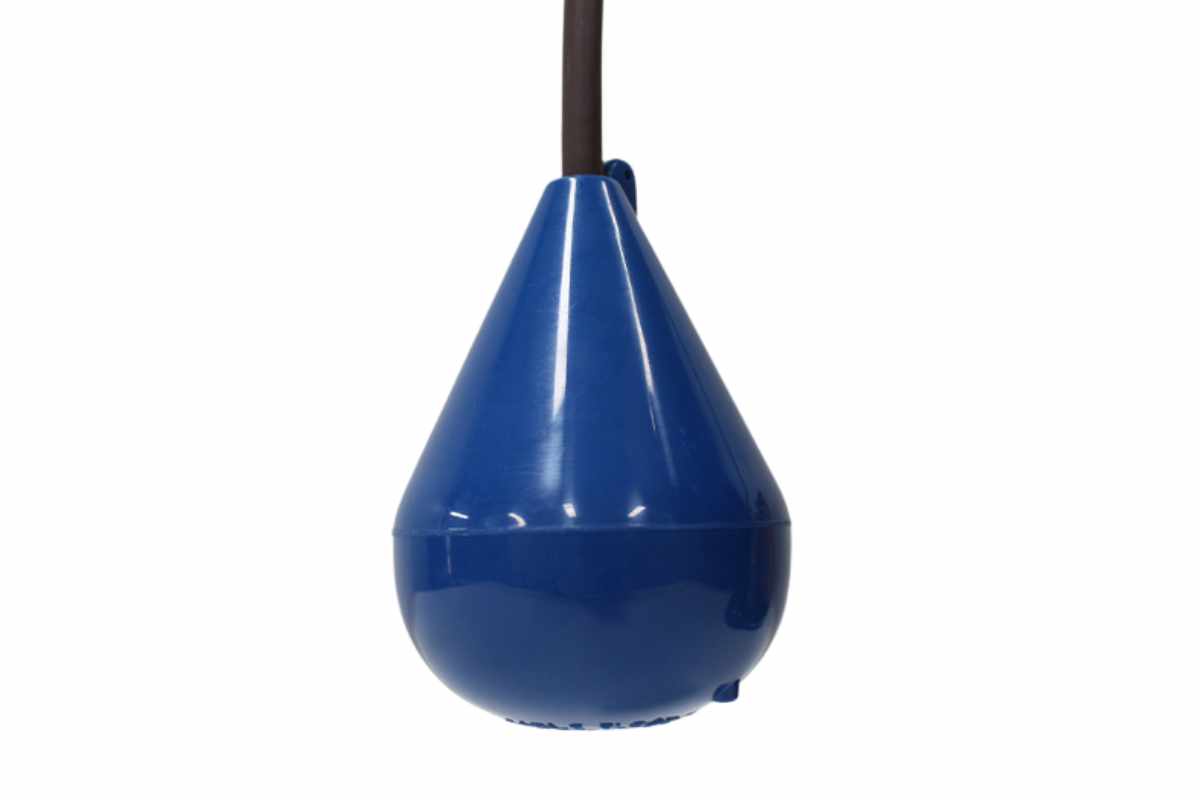
A float switch, or cable-type float switch, is a sensor used to measure the water level in containers. This type is widely popular due to its affordability and ease of installation. It is designed for use in wells, tanks, or various liquid storage vessels such as clean water, wastewater, and industrial chemicals. The device functions by sending signals or controlling liquid levels through connections with relays or PLC systems to control the operation of pumps, valves, or other equipment in the system.
What Does a Float Switch Do?
A float switch primarily checks liquid levels in tanks and opens or closes electrical circuits according to those levels. It also controls wiring for external equipment management. When the liquid level changes, the float moves up or down with the water level, causing an internal switch to change its status, thus opening or closing the circuit as set. This operation allows the system to automatically control various devices, such as starting a pump when the water level is low or stopping it when the tank is full, and sending warning signals to central control systems to inform operators of liquid levels.
How Does a Float Switch Work?
A float switch operates based on the movement of a floating ball that floats on the surface of a liquid. When the level of the liquid changes, the ball moves up or down accordingly. Inside the ball is a magnet which works in conjunction with a reed switch located within the central shaft. As the magnet moves into alignment with the reed switch, it causes the contacts of the switch to change state from open to closed or vice versa, depending on the design.
The operating point can be adjusted by moving a weight along the cable, which sets the desired height for the switch to operate. When the switch changes state, electrical current flows through connected devices, allowing automatic control of pumps, valves, or sending alerts.
Applications of Float Switch
A float switch is a widely used device in both residential and industrial settings due to its reliable performance and low cost. It typically connects with pumps, electric valves, or alarm systems to automatically control and alert liquid levels.
- Wastewater Treatment Systems - Controls the pump in sewage tanks to prevent overflow and manage the discharge of wastewater into treatment systems.
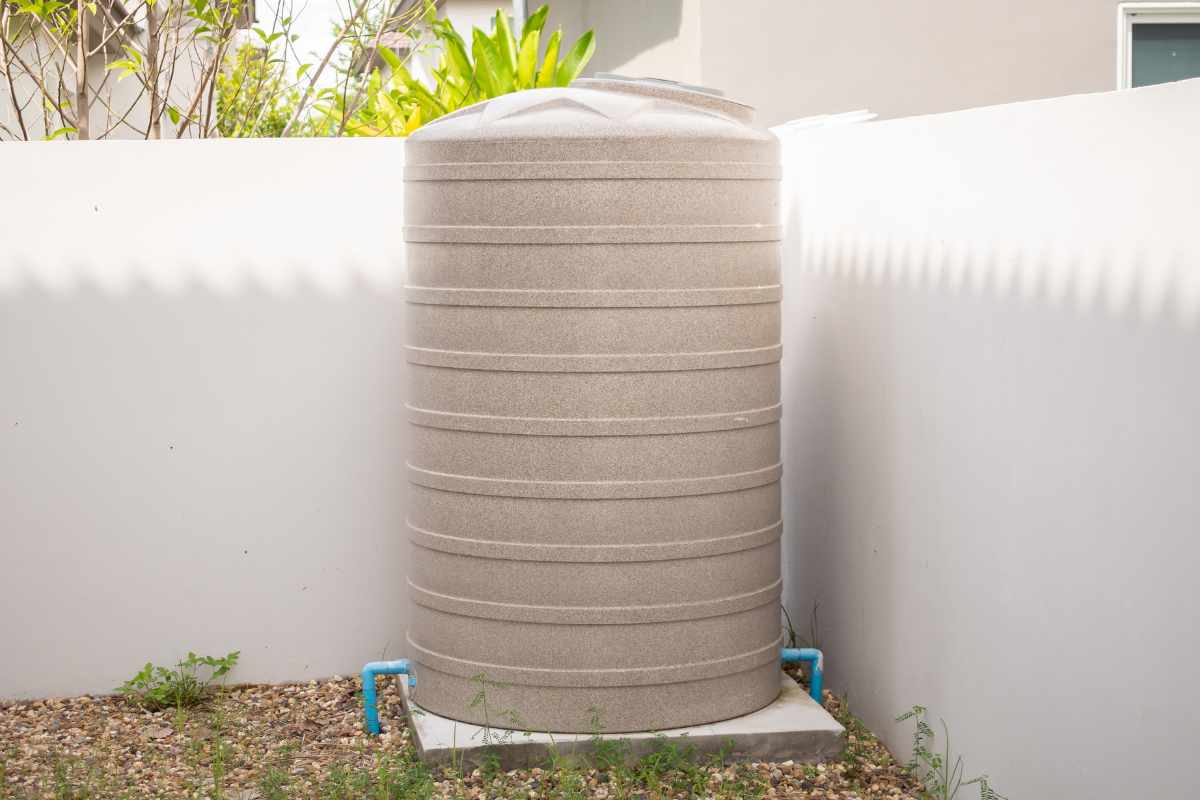
- Tanks - Manages water levels in drinking water, rainwater, or utility tanks by instructing pumps to refill when the level is low and stop when full.
- Cooling Systems - Used in air conditioners and refrigerators to control condenser water levels and prevent overflow.
- Beverage Industry - Controls the filling and draining of liquids in mixing tanks and storage tanks, maintaining appropriate levels during production processes.
- Industrial Washers - Checks and controls water levels in washing tubs to prevent excessive water usage and conserve resources.
- Fire Suppression Systems - Monitors the water level in fire suppression reserve tanks to ensure sufficient water is available for emergencies.
Proper Wiring of a Float Switch
Correct wiring of a float switch is crucial for the system to operate efficiently and safely. The wiring configuration must be chosen according to its usage, with two main types being Normally Open (NO) and Normally Closed (NC).
- Normally Open (NO) Switch - The electrical circuit remains open when the float is in a low position, and it closes the circuit when the liquid level rises to an angle of 45 degrees. Suitable for controlling water pump drainage or sending an alert when water levels are high.
- Normally Closed (NC) Switch - The electrical circuit remains closed when the float is in a low position, and it opens the circuit as liquid levels rise. Suitable for controlling water pump filling or systems that need to stop working when water reaches full capacity.
- Using Dual Switches - In complex systems, such as large wells and storage tanks, two float switches are often used to control both high and low levels, enabling automatic water filling and drainage.
- Caution - Carefully study the manufacturer's manual before installation as performance may vary by brand and model. Also, ensure that the electrical rating is appropriate for the controlled equipment.
Materials of Float Switch
Choosing the appropriate material for a float switch that controls liquid levels is crucial, as it must come into contact with various types of liquids, ranging from clean water to corrosive chemicals. An inappropriate choice of materials may lead to premature equipment deterioration or malfunction.
Plastic Float Switch
A plastic float switch is a popular option for general use, with the main material being PVC (polyvinyl chloride) and PP (polypropylene). These materials are highly resistant to acids and alkalis, lightweight, cost-effective, and do not rust. They are suitable for clean water, wastewater, and common chemicals. However, they have temperature limitations, as they can only withstand up to 60 degrees Celsius, making them unsuitable for high-temperature applications.
Stainless Steel Float Switch
A stainless steel float switch is a premium option that offers high strength and durability, suitable for harsh conditions. It can withstand high temperatures well, resist highly concentrated chemicals, and is ideal for applications requiring high cleanliness such as food and beverage industries, pharmaceuticals, and hot water systems. Additionally, it has a long service life but comes at a higher cost than plastic models, making it appropriate for jobs that require high durability.
How to Install Float Switch
To install a float switch effectively and ensure optimal performance, several factors must be considered. Start by setting the desired liquid level using weight adjustment on the cable to achieve the appropriate position. The installation should be in an area with minimal water flow and at least 10-15 centimeters away from the tank wall to allow free movement of the float.
For wiring, choose either NO (Normally Open) or NC (Normally Closed) according to usage requirements and ensure that electrical ratings match the controlled equipment. Install circuit protection devices and use cables with insulation suitable for the environment. If installed in a tank or well with a cover, provide cable entry points with water seals. It is also essential to test the operation before actual use every time.
If you want to purchase a Float Switch, SCMA is now available for service!
SCMA, the leader in industrial control equipment, is ready to supply high-quality float switches from leading brands, covering all types and sizes. Our team of experts is here to advise you on selecting the appropriate float switch based on material, size, and special features. We have immediate stock available at affordable prices with quality assurance and excellent after-sales service including technical advice, problem-solving, and spare part provision. With a commitment to delivering high-quality products and superior services, SCMA is ready to be your partner in developing fluid control systems for your organization.
Summary
A float switch is a crucial control device for fluid levels in industrial systems and buildings. Its operation relies on the buoyancy of the float and the switching action of the magnetic switch, enabling automatic and precise control of various equipment. Selecting an appropriate float valve requires consideration of type, material, and proper installation to ensure efficient and sustainable system performance. SCMA is ready to advise and supply high-quality float switches that meet your needs, providing comprehensive services from consultation to after-sales service to ensure smooth and safe operation of fluid control systems in your organization.For more information, contact SCMA today
Frequently Asked Questions
What is a Float Switch?
A float switch, or liquid level sensor, works on the principle of buoyancy. When the fluid level changes, the float moves up and down, causing an internal switch to change state and send electrical signals to control various devices such as water pumps, valves, or alarms. It can be used with clean water, wastewater, and other liquids.
What does a Float Switch do?
A float switch circuit automatically monitors and controls the liquid level in a container. When the fluid reaches a predetermined level, the switch opens or closes an electrical circuit to control the operation of pumps, valves, or send alarms. This helps prevent overflow or dry conditions, maintains desired liquid levels, and enhances system efficiency.
What type of measurement does a Float float-type measure?
A float-type float measures the level of liquids in point (Point Level) mode. It sends signals only when the liquid reaches a specified level and cannot measure continuous levels. Suitable for on/off control, such as turning pumps on or off, or sending alarms when water is full or empty. For continuous level measurement, other types of sensors must be used.
How does a float switch work?
A float switch operates by relying on the buoyancy of the float on the surface of the liquid. Inside the float, there is a magnet that moves with the water level. When the magnet comes close to an internal reed switch in the shaft, it causes the switch contacts to change state from open to closed or vice versa, resulting in the electrical circuit opening or closing and automatically controlling connected devices.