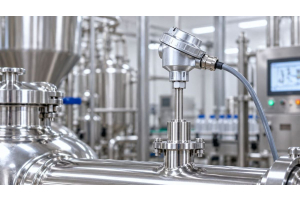
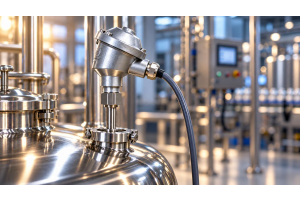
Electrode (Electrode) is a crucial component in various industries, particularly in automatic production control systems. Whether it's for measuring values, detecting conditions, or controlling processes, this article will introduce you to electrodes, their importance, types, and diverse applications in the industrial sector.
What are Electrodes? Primary Functions and Importance

An electrode is a conductor that carries electric current to non-metallic solids, liquids, gases, or plasma. Generally, electrodes are good conductors of electricity but do not necessarily have to be metallic. In an electrochemical cell, reduction and oxidation reactions occur at the electrodes, which consist of the cathode (positive pole) and the anode (negative pole).
The primary function of an electrode is to serve as a medium for transmitting electric current and data, enabling accurate measurement and detection. The versatility of electrodes lies in their wide range of applications, from control systems in industrial plants to analytical tools in laboratories.
The Importance of Electrodes in a Boiler Water System
Electrodes are a crucial component in the water treatment system of boilers, designed to measure the electrical conductivity of the boiler water. This provides important information about the level of dissolved salts and other impurities in the water.
The electrodes work by measuring the ability of the water to conduct an electric current. As the concentration of salt and impurities in the water increases, so does the electrical conductivity. This data is sent to a controller that can adjust the water treatment process as needed to maintain appropriate purity levels.
The role of electrodes in a boiler system is to monitor and signal for controlling water quality, which is vital for safe and efficient operation. If there are high levels of contaminants, it may lead to various issues such as:
-
Corrosion of metal parts
-
Accumulation of scale
-
Reduced performance efficiency
-
Shortened lifespan of equipment
Why is it necessary to test electrical conductivity with electrodes in boiler water?
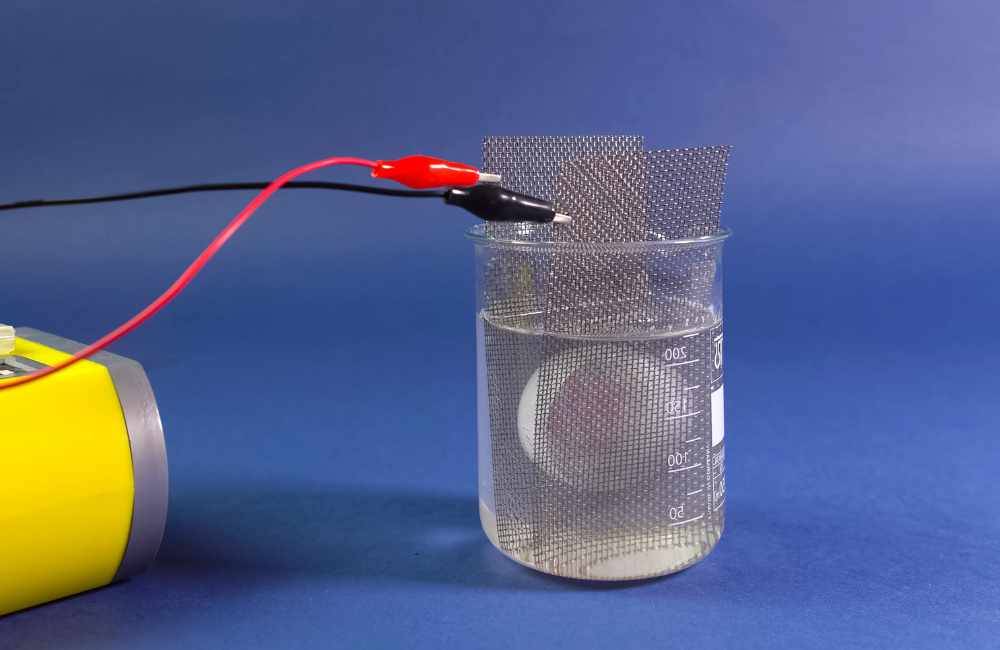
Testing electrical conductivity with electrodes is a crucial part of controlling boiler water quality. It is essential to ensure that the water used has appropriate quality to prevent potential problems.
Generally, boiler water receives chemical treatment to prevent corrosion and scale buildup. However, these chemicals can break down over time, leading to an increase in electrical conductivity levels. Testing electrical conductivity using electrodes helps operators track the effectiveness of the treatment program and make necessary adjustments.
Moreover, maintaining appropriate water quality with electrode testing also improves boiler efficiency. High levels of dissolved solids can reduce heat transfer efficiency, requiring more energy and increasing operational costs. Consistently checking electrical conductivity levels with electrodes ensures that the boiler operates at maximum efficiency.
The Impact of High Electrical Conductivity on Boilers and Electrode Systems
High electrical conductivity in boilers can adversely affect the performance of electrode systems and other equipment in several ways:
1. Increased Corrosion
High electrical conductivity indicates a higher concentration of salts and minerals dissolved in water, which can react with metals causing accelerated deterioration of electrodes and other components over time, leading to leaks, cracks, and other damages that impact safety and efficiency.
2. Scale Formation and Accumulation
High electrical conductivity also leads to the formation of scale on the surface of electrodes and inside boilers, reducing heat transfer efficiency, resulting in longer heating times and increased energy consumption. Additionally, it may cause electrode malfunction due to scale buildup on electrode surfaces.
3. Increased Foaming and Vaporization
High electrical conductivity also causes more foaming and vaporization in boilers. When water is saturated with salts and minerals, it can lead to foam formation on the surface, and when these bubbles burst, they release steam and droplets into the steam distribution system, potentially causing damage to downstream equipment and reducing the quality and safety of produced steam.
Suitable Conductivity Range for Boilers and Electrodes
Boiler blowdown is a process that helps remove impurities and prevent scale accumulation. The suitable conductivity range for boiler blowdown should be between 2,000 to 4,000 microsiemens per centimeter (µS/cm).
This range ensures that the water discharged has sufficient quality to prevent scale buildup on electrodes while minimizing water loss. Regularly checking conductivity levels with electrodes is crucial to ensure appropriate blowdown frequency and feedwater quality for specific boiler systems.
Types of Electrodes and Their Uses in Industrial Applications
Electrodes come in various types based on their usage, especially in voltammetric techniques which are used for analysis. The main types include:
1. Reference Electrode
This type of electrode is used as a reference point to measure electrical potential. Examples include:
-
Calomel electrode
-
Silver-Silver Chloride electrode
The function of this type of electrode is to provide a constant and definite electrical potential, serving as a reference point for various measurements.
2. Auxiliary Electrode
It serves as an electric conductor that receives power from the reference electrode and passes it through the solution to the working electrode. This auxiliary electrode does not undergo any changes. For example, platinum auxiliary electrodes are commonly used.
3. Working Electrode
This is the electrode directly involved in analysis and comes in various forms such as:
-
Disk Electrode
-
Hanging Mercury Drop Electrode (HMDE)
-
Dropping Mercury Electrode (DME)
4. Disk Electrode
This type of electrode is small and easy to use, made in plastic and attached to disks of various materials such as gold, platinum, nickel, silver or glassy carbon. The diameter can be 1.6 mm or 3.0 mm depending on the material used.
5. Mercury Electrode
This type of electrode is widely used because mercury has a high overpotential for hydrogen ion reduction, allowing analysis without interference from hydrogen gas formation. Currently, Controlled Growth Mercury Drop Electrodes (CGME) are used, which can precisely control the size of each mercury drop.
Electrode Type Level Switch
An electrode type level switch is the most cost-effective sensor for level control compared to other systems. The primary function of this type of electrode is to detect liquid levels and send signals to a control system. However, it has limitations as it can only be used with conductive liquids; it cannot be used with vegetable oils or hydrocarbon-based oils.
The operation of an electrode type level switch requires the use of SCMA level control relays. There are various products that meet the needs for level measurement and production control, including several interesting models in the market such as:
-
Finetek EST10000-B - A sensor capable of simultaneously measuring temperature and multi-point levels in silos. It has the following features:
-
Temperature measurement range: -10~+85°C
-
Level object measurement range: up to the length of the cable (maximum 30 m)
-
Number of temperature sensors: up to 30 units
-
Power supply: 9~30V DC
-
Standard communication port: RS485
-
Dust and water protection standard: IP67
-
NOHKEN FE Series - An electrode type liquid level sensor suitable for multi-level control involving more than 3 points in a single tank. It has the following features:
-
Suitable for conductive liquids
-
Electrode material: Stainless Steel 316, Hastelloy B, Hastelloy C or Titanium
-
Case material: PVC, Stainless Steel 304 or Stainless Steel 316
Maximum number of rods: 6-7 rods
-
Top-mounted installation
-
Maximum operating temperature: 50°C or 100°C
-
Maximum pressure resistance: ATM, 2 bar or 10 bar
-
IMARI FE-3S - The most economical liquid level sensor electrode rod model with the following features:
-
Suitable for conductive liquids, not suitable for vegetable oil or oil
-
Rod material: Stainless steel 304 and 316
-
Electrode head and terminals: Black bakelite
-
Maximum number of rods: 3 rods
-
Top-mounted installation on tank
In addition, you can also choose high-quality equipment such as the KEPLER KQW-86031, which is a good option for applications requiring high accuracy.
Comprehensive Electrode and Control System Services from SCMA
SCMA Company Limited, as a leader in industrial automation systems, specializes in providing comprehensive electrode and control system services. With over four decades of experience, we are ready to be your trusted partner throughout the development stages of production systems.
Our Services:
-
Analysis and design of specialized electrode sensor systems. We analyze customer requirements and design sensor systems suitable for specific industries, whether it's steam boilers, liquid storage tanks, or processes requiring precise control.
-
Supply high-quality electrode equipment from leading global brands. We are the official distributor of renowned brands such as ifm electronic and other carefully selected quality brands.
-
Installation and testing of electrode systems by expert teams. Our team of engineers specializes in installing electrode and sensor systems, along with testing their functionality to ensure accurate and stable operation.
-
Training and technology transfer on electrodes. We have a 600 sqm seminar room that can accommodate over 200 trainees, offering both free training for general customers and group-specific (In-house Training) to help customers understand the functions of electrodes and effectively use and maintain systems.
-
After-sales service and maintenance of electrodes. We provide comprehensive after-sales services, including electrode maintenance, system updates, and timely problem resolution to ensure continuous and optimal performance of the system.
-
Upgrade and enhance existing electrode systems. For customers with existing systems, we can help upgrade and modernize them for higher efficiency in line with Industry 4.0 standards.
-
Calibration and accuracy verification of electrodes. We provide calibration services for electrode equipment and various sensors to ensure accurate measurement according to standards.
Learn more about our services on the website or contact us directly for professional consultation.
Summary
An electrode is a crucial component in industrial systems and production control, serving as the medium for transmitting electrical current and data. It ensures that the system operates accurately. Proper selection and maintenance of electrodes can enhance efficiency, reduce costs, and extend the lifespan of SCMA equipment. We are partners providing consultation, design, and installation services for electrode systems tailored to your business needs.
Frequently Asked Questions
What does an electrode do?
A water level electrode controls the opening and closing of valves to supply or stop water flow into a system by using water as a conductor in the circuit, enabling automatic and precise control of water levels.
What is a pH electrode?
A pH Electrode is a sensor that measures hydrogen potential (pH), which is expressed as the negative logarithm of the hydrogen ion activity in a solution. The pH value has a direct relationship with the ratio between hydrogen ions [H+] and hydroxide ion concentration [OH-] in the solution.
What does an electrode do?
An electrode or electric pole serves as a good conductor of electricity by receiving electrical energy from a reference electrode and passing it through a solution to a working electrode, thereby causing a chemical reaction with the sample. For example, a platinum auxiliary electrode remains unchanged during this process.