
Air quality monitors are crucial devices in both residential, business, and industrial settings to assess the environment that impacts health and work performance. Emphasizing these measurement tools not only helps detect problems but also enables effective preventive planning. SCMA is ready to support access to high-standard air quality monitors and provide comprehensive usage advice to enhance the quality of life and environment in all sectors.
What are Air Quality Monitors?

Air quality monitors, or sometimes called air quality analyzers, are devices used to check and analyze the amount of pollution in the air, including fine particles such as PM2.5 and PM10, or gases like CO2, CO, NO2, and VOCs. These air monitoring devices use highly accurate sensors with real-time data processing systems. Some models can connect to applications or Cloud for retrospective analysis. Therefore, these air quality monitors are an essential part of effective environmental surveillance in both residential and commercial settings.
What are the features of an air quality meter?
Modern air quality meters have been developed to support a variety of parameter measurements and can be used both indoors and outdoors. Key features to consider include:
-
Accurate measurement of PM2.5, PM10 dust particles (such as PM 2.5 meter)
-
Detection of gases such as carbon monoxide (CO), carbon dioxide (CO2), ozone (O3), nitrogen dioxide (NO2)
-
Real-time display through an LCD screen or application
-
Connectivity via Wi-Fi or IoT for data storage and analysis
-
Automatic alerts when exceeding set standard values
-
Durable construction, resistant to weather and dust
How many types of air quality meters are there?
Air quality meters can be categorized based on their usage patterns and mobility capabilities, including portable, fixed installation, and home-use models. Each type has its own unique advantages, suitable for specific user groups with varying needs, such as rapid spot checks or continuous long-term air quality monitoring.
Portable Air Quality Meters (Portable Air Pollution Monitors)
Portable air pollution monitors are ideal for outdoor use, such as field data collection or risk assessment in open areas. With their compact size, lightweight design, and continuous battery charging capability, they are often used for initial inspections or exploratory research and can detect both particulate matter, gases, and humidity levels.
Fixed Air Quality Meters (Fixed Installation Air Pollution Monitors)
This type of air pollution monitor is designed for permanent installation in specific locations such as office buildings, factories, or areas requiring special monitoring. The device can send data to a central system for long-term pollutant trend analysis and is suitable for continuous air quality control. They often connect with Building Management Systems (BMS).
Home Air Quality Meters (In-Home Air Quality Monitors)
For home users, in-home air monitors are designed to be easy to use and do not require complex installation. They support the measurement of PM2.5, CO2, and VOCs levels to assess indoor air quality in bedrooms, living rooms, or children's rooms. Some models come with built-in air purifiers and can be controlled conveniently via smartphones.
What Industries Are Air Quality Monitors Suitable For?
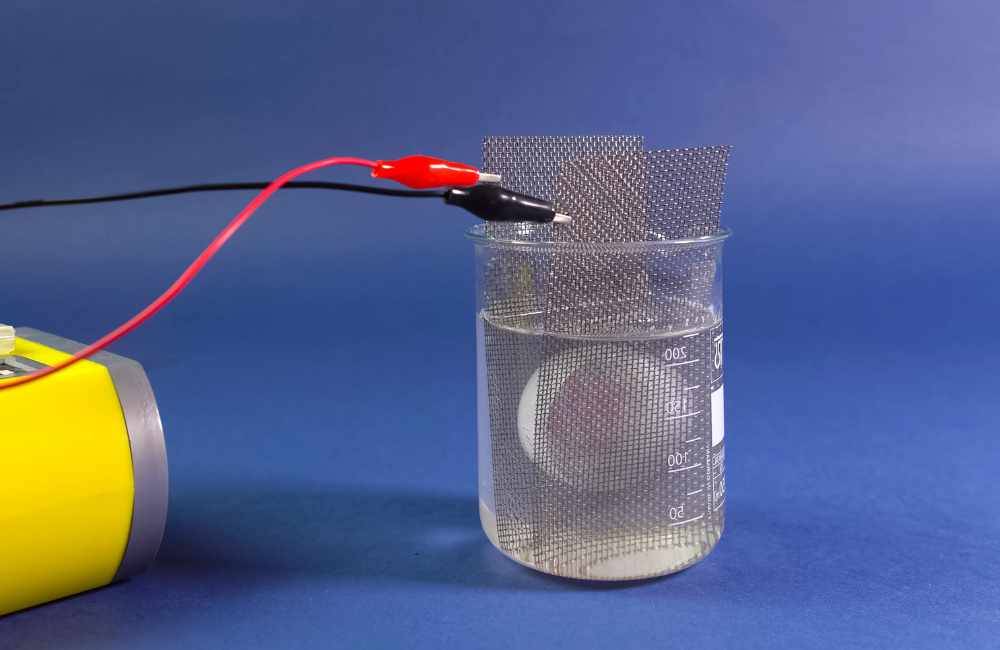
Air quality monitors are crucial in various industries related to health, safety, and product quality, especially in environments with risks from dust or chemical gases. Selecting the appropriate air quality monitoring equipment can enhance workplace safety standards and improve sustainable operational efficiency.
Manufacturing Industry
In industrial plants, controlling air pollution is a critical factor for employee safety and product quality. Air quality monitors help track dust, gas, or VOC levels that may arise from production processes to reduce risks and comply with environmental regulations.
Medical Industry
In healthcare facilities and laboratories, air pollution monitoring devices are used to check the cleanliness of air in sterile rooms or operating theaters to minimize contamination and control the spread of pathogens. These pollution monitors must be highly accurate and responsive.
Agricultural Industry
On farms and greenhouses, air quality sensors help monitor temperature, humidity, and CO2 levels which affect plant growth and animal health. Using air quality monitoring equipment in Smart Farm systems also helps increase yields and reduce environmental management costs.
Construction Industry
Building construction and infrastructure often generate large amounts of dust. Air pollution monitors play a crucial role in assessing worker risks in the area, as well as helping to establish dust control measures and plan work according to safety requirements.
What are the benefits of an air quality monitor?
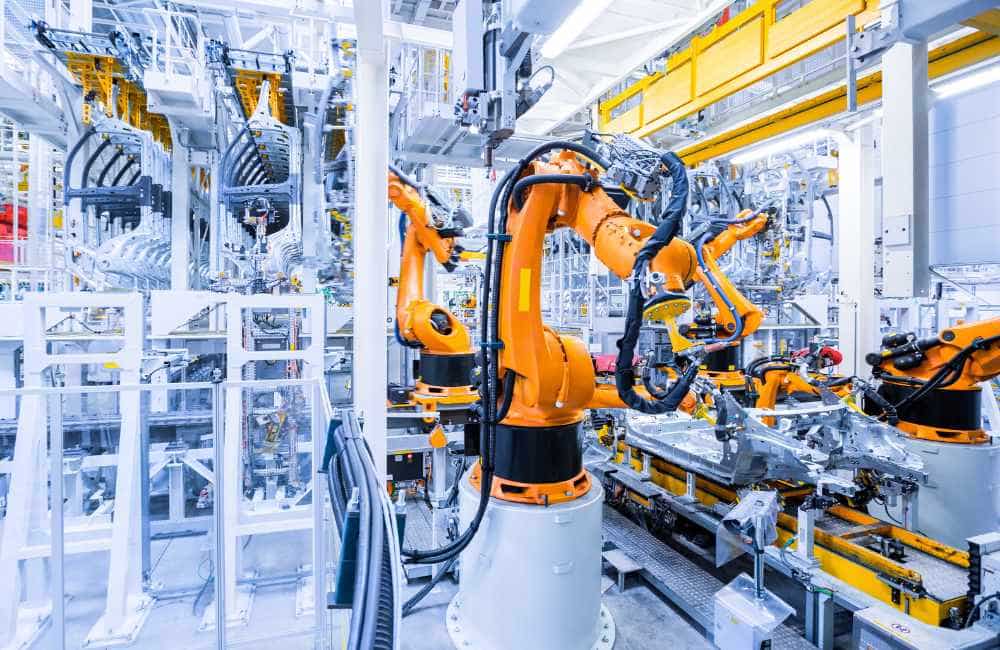
Installing an air quality monitor helps users to obtain real-time environmental data and use this information for decision-making or planning work to avoid risks from pollution:
-
Accurately detect harmful dust particles and gases
-
Prevent long-term health impacts
-
Optimize ventilation systems for efficiency
-
Reduce industrial and production risks
-
Monitor air quality for long-term planning
-
Promote health in households and organizations
Why should you pay attention to an air quality monitor?
Good air quality not only affects physical health but also influences overall quality of life and work efficiency. An air quality monitor is a tool that helps systematically address pollution, especially in the era where PM2.5 dust has become a chronic problem in many areas. This equipment acts as the frontline for accurately checking air safety. Using pollution measurement technology is no longer an option but a necessity.
If you want to purchase an air quality monitor, SCMA services are available today!
SCMA provides consultation and distribution of air quality monitors selected from leading manufacturers, covering both portable and permanent installation types. We also provide guidance on usage that suits each organization's environment. Understanding the importance of air monitoring in health and safety contexts, we help set up measurement systems and analyze data to offer comprehensive and sustainable solutions for our customers.
Summary
Air quality sensors are important devices that help all sectors efficiently monitor pollution, both at the household and industrial levels. SCMA places importance on supporting environmental technology, particularly high-quality air quality monitoring equipment, along with comprehensive consultation and usage guidance services to enhance the quality of life for everyone in society.
Frequently Asked Questions
What is an Air Quality Monitor?
An air quality monitor is a device designed to assess the quality of surrounding air by using sensors to detect dust, gases, and other physical components that may be harmful to health. These devices come in various forms, both portable and permanently installed, and are often used alongside alert systems and data collection for trend analysis.
What is AirVisual Outdoor?
AirVisual Outdoor is an outdoor air quality monitoring device commonly used at the organizational and community levels. Its key features include:
-
Accurately measures PM2.5 and PM10 dust concentrations
-
Displays results through an app with comparison functions to other areas
-
Supports Cloud and IoT system connectivity
-
Low power consumption, easy installation, weather-resistant
What is the difference between AQI and PM?
Many people often confuse the values of AQI with those of PM. In reality, they are related but distinct:
-
AQI (Air Quality Index) is an index that represents overall air quality by converting each type of pollutant into a score on a single scale.
-
PM (Particulate Matter) refers to dust particles in the air, such as PM2.5 or PM10, which are components that AQI calculates along with other gases.
-
PM values directly indicate the amount of particulate matter, while AQI provides an easy-to-understand overall picture for general public consumption.
What can air quality monitors measure?
Air quality monitors vary in their measurement capabilities depending on the model. Generally, they can measure:
-
PM2.5 and PM10 dust concentrations (measuring small particulate matter)
-
Hazardous gases such as CO, CO2, NO2, O3, VOCs
-
Air temperature and humidity
-
Air Quality Index (AQI)
-
Atmospheric pressure in some models
-
Real-time and historical data through an app or Cloud service