

Are you facing electrical leakage issues in your factory that are affecting production lines? Choosing high-standard electrical safety devices is crucial for protecting employee lives and safeguarding valuable electrical equipment within the factory. SCMA Co., Ltd. (SCMA), as a technical partner specializing in measurement tools and automation systems services, offers comprehensive consultation. This article will delve into the working principles, selection methods, and maintenance practices to help you manage electrical safety professionally.
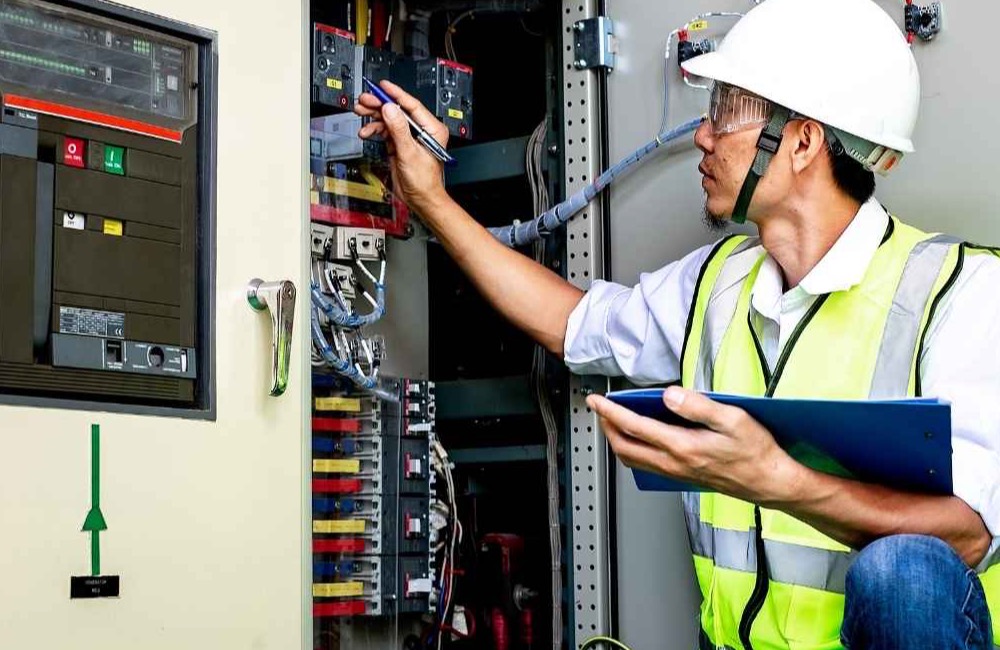
What Are Electrical Safety Devices?
An electrical safety device, commonly known as a Residual Current Device (RCD), is an essential safety component that detects abnormalities in the electric current. This type of equipment automatically disconnects the circuit within milliseconds when it detects leakage currents to ground or through human bodies. Installing such devices enhances safety, prevents life-threatening electric shocks, and effectively reduces fire risks.
How Ground Fault Circuit Interrupters Work
Based on the experience of the SCMA engineering team, understanding how ground fault circuit interrupters work can help users analyze and identify initial causes when electrical systems encounter issues. These devices have precise steps to protect user safety as detailed below.
Checking Current Balance
In normal conditions, electricity flows through the protective device to appliances via the Line wire, then returns via the Neutral wire in equal amounts. The device continuously measures the balance of incoming and outgoing currents to ensure no current is lost along the way.
Identifying Abnormalities
In case of a ground fault event, such as electricity flowing through a person's body to the ground, the returning current will not match the amount sent out. If this imbalance occurs, the ground fault circuit interrupter immediately detects it. The internal system generates an induced current to prepare for the next step of cutting off power.
Circuit Break
The induced current quickly triggers the electromagnetic mechanism inside the device. This mechanism trips (cuts off) the supply of electricity to all electrical devices in that circuit immediately. This millisecond-level response prevents electric current from causing harm to users.
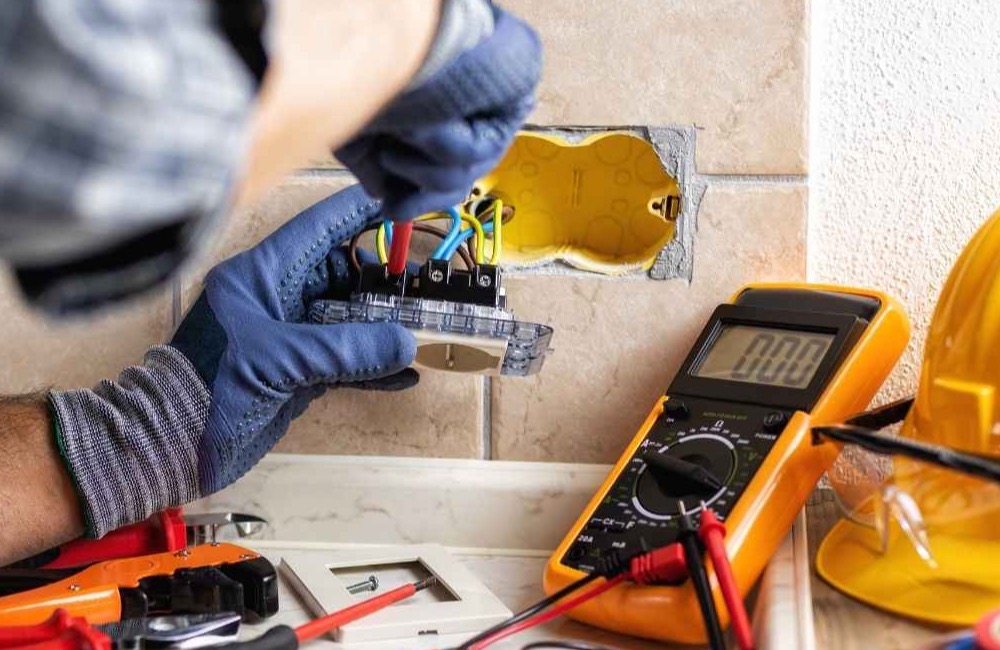
How many types of RCD (Residual Current Device) are there?
Selecting the right equipment for the job is crucial in engineering. The residual current devices used to control electrical appliances today can be categorized into two main types based on their primary functions.
RCCB Type (Residual Current Circuit Breaker)
An RCCB is designed specifically to detect and interrupt leakage currents alone. This type of device cannot prevent overcurrent or short circuit situations, so it must always be used in conjunction with a miniature circuit breaker (MCB) on site for maximum safety.
RCBO Type (Residual Current Circuit Breaker with Overcurrent Protection)
An RCBO is a residual current device that combines the ability to protect against leakage currents, overcurrents, and short circuits in one unit. This type of equipment is commonly installed in electrical control panels at residential or industrial sites because it provides comprehensive protection in a single unit.
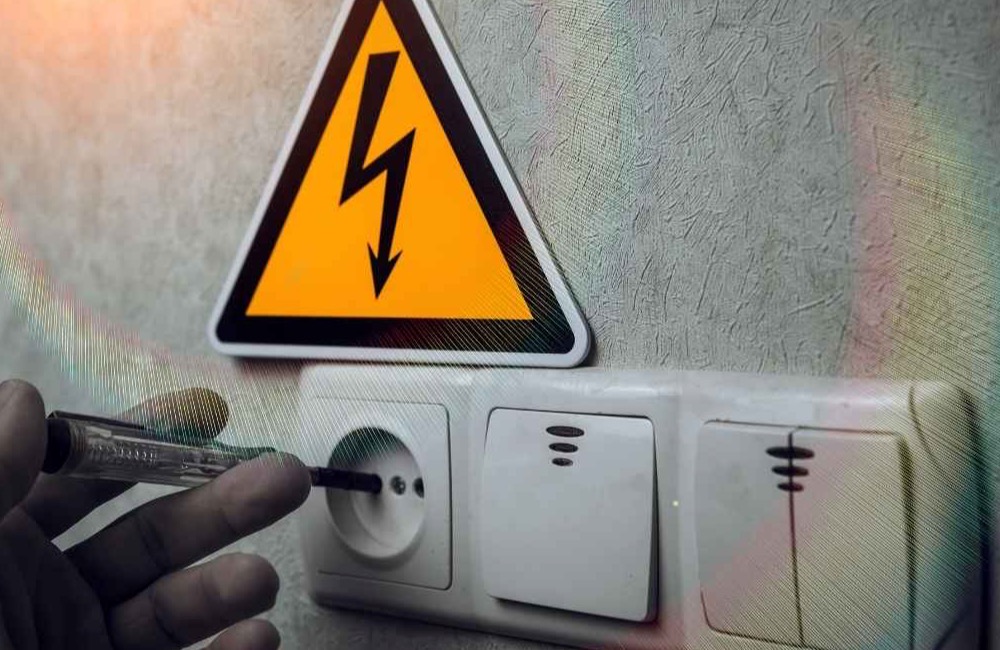
Maintenance of Electrical Safety Equipment
All safety equipment requires regular maintenance to ensure it is ready for emergencies. The maintenance of electrical shock protection devices and related electrical equipment involves inspection procedures that maintenance engineers should follow.
Function Test
The user should perform a function test on the device at least once a month by pressing the TEST button on the unit while the breaker is in the ON position. If the device functions properly, the switch must trip to the OFF position immediately. If the mechanism does not cut off power after testing, do not use that circuit under any circumstances.
General Maintenance
The unit should be cleaned with a soft dry cloth to prevent dust accumulation. Avoid installing in damp or chemically corrosive areas. Do not spray cleaning agents directly on electrical contact surfaces to avoid damaging internal mechanisms.
Grounding System Inspection
To achieve optimal performance, the shock protection device must be connected to a properly grounded system. Regular annual checks of ground resistance values should be conducted along with inspections of control panel wiring to prevent breakage issues that could cause protective system failures.
Usage of Electrical Shock Protection Equipment
The primary goal of installing these devices is to ensure safety in life and property. The use of electrical shock protection equipment alongside various electrical appliances has clear benefits as follows:
Prevent Electric Shocks
The main function of this type of device is to automatically cut off the circuit immediately when a leakage current flows through a human body. This quick response helps prevent danger when workers accidentally touch bare wires or faulty electrical appliances.
Prevent Fires
A prolonged accumulation of leaking electricity at points where insulation has been damaged can cause high heat buildup leading to fires. Installing this equipment helps cut off the power as soon as an abnormality occurs, thereby reducing the risk of fire incidents in line with international standards for electrical safety devices.
How do RCCB and RCBO differ?
The most obvious difference is the scope of electrical hazard protection. An RCCB only protects against leakage currents causing electric shocks, requiring it to be used in conjunction with a general circuit breaker for overcurrent protection. On the other hand, an RCBO is designed as a complete unit that can protect against both electric shocks and leakage currents, short circuits, and overcurrent usage.
How to Choose Electrical Shock Protection Equipment
The decision to invest in an electrical safety system must be carefully considered from multiple factors. The expert guidelines for selecting electrical shock protection equipment to ensure value and safety are as follows:
- Select the appropriate type of equipment for the job: Consider whether you need only residual current circuit breaker (RCCB) or a combined residual current circuit breaker with overcurrent protection (RCBO).
- Check the sensitivity setting for detecting leakage current (Sensitivity): For human life protection, choose a sensitivity of no more than 30 mA (milliamps). For fire prevention in main distribution boards, sizes from 100 mA to 300 mA can be used.
- Select the rated current capacity (Ampere): Calculate according to the total electrical load. The amperage rating of the protection device must not be less than the combined current draw of all electrical equipment in that circuit.
- Prioritize product standards: Purchase from Industrial Electrical Equipment and Measuring Instruments that have received industrial standard (MOE) or international standard certification for safety assurance.
Locations to Install Safety Equipment for Maximum Protection Against Electrical Shocks
Even with high-quality equipment, improper installation can render the protection ineffective. Engineers should consider installing circuit breakers alongside other safety systems such as safety relays in areas of risk:
- Humid Areas: Bathrooms, kitchens, or washing areas where users may come into contact with water while using electrical appliances.
- Special Work Locations: Zones at risk from static electricity which require regular environmental checks with an electrostatic field meter.
- External Electrical Systems: Water pumps, outdoor lighting, or decorative systems that are exposed to weather and rain.
- Machinery in Production Lines: High-vibration areas where insulation on electrical wiring may deteriorate easily.
- High-Voltage Work Areas: Locations requiring the use of high voltage tools and equipment, which should have particularly fast and accurate circuit breakers.
Summary
Electrical shock protection devices are essential safety mechanisms in all electrical systems, serving to protect lives and property from electrical faults by quickly cutting off circuits. Proper selection and regular maintenance of these devices will extend the lifespan of electrical equipment over time. If you're looking for experts to set up your system, SCMA is ready to partner with you through comprehensive technical services.
If you want to buy electrical safety equipment, SCMA is available today!
Safety in industrial plants is the most worthwhile investment. Choosing substandard electrical safety devices may result in significant losses for both employees and machinery damage. SCMA is ready to provide project and solution services (Project & Solutions) with a team of expert engineers who will assist in analyzing, designing systems, installing, and providing comprehensive after-sales service to ensure your production line runs smoothly.
Frequently Asked Questions
Why do electrical safety devices trip frequently?
This may be due to actual leakage currents in the system, damaged insulation of wires, or malfunctioning electrical appliances that create abnormalities in the circuit.
What should I do if pressing the Test button does not cause the breaker to trip?
This indicates internal protective mechanisms within the device are damaged. Do not continue using this circuit under any circumstances; replace the equipment immediately.
Is it necessary to install a grounding wire with an RCD (Residual Current Device)?
It is absolutely essential. A properly installed ground wire will help electrical safety devices detect leakage currents faster, resulting in maximum safety levels.
Can RCBO be used as the main breaker for a house?
Yes, it can be used because RCBO is designed to protect against both earth faults and circuit overloads, making it suitable for use as a main breaker in consumer units.
Which sensitivity level is better: 10 mA or 30 mA?
The 30 mA setting is sufficient for general outlets and water heaters to protect human life. The 10 mA setting, however, is more suitable for areas with extremely high moisture levels.