Have you encountered sudden machine failures due to electrical system malfunctions? Choosing a standardized and accurate electrical circuit tester is crucial for improving performance and helping reduce production downtime. Our service offers a comprehensive electrical measurement tool solution to enhance safety in your factory. This article will take you through all the important details to help you choose the right tools for maximum business benefit.

What is an Electrical Circuit Tester?
An electrical tester (Electrical Tester) is a specialized tool used to inspect, measure, and analyze various electrical values within a circuit or electrical device. Technicians use these devices to assess whether the system is operating normally, safely, or if there are risks such as leakage current or voltage drop. Having standardized electrical measuring instruments can decisively prevent severe damage to the production line.
How the Electrical Circuit Tester Works
Based on the more than a decade of experience of the SCMA engineering team, electrical measuring instruments work by measuring basic electrical quantities to assess the condition of the system. Understanding these principles helps operators quickly identify faults.
Voltage Measurement
The voltage measuring device works by detecting the potential difference between two points in the electrical system. The instrument will show whether the electrical energy supplied to the circuit is correct according to the specifications. Accurate voltage measurement helps prevent electrical surges that may damage the machinery.
Current Measurement
Evaluating the electric charge flowing through the signal conductor requires a current measuring device or ammeter. This type of device helps monitor the power consumption behavior of industrial motors. If abnormally high current is detected, engineers can immediately stop the operation for maintenance.
Continuity Test
This function works by sending an alarm signal or displaying a very low resistance value when the circuit is fully connected. Maintenance teams choose to use this function to precisely locate broken wires and loose connections. A high-quality electrical circuit tester will respond to continuity very quickly.
Multifunction Measurement (Multimeter)
This group of devices combines the ability to measure voltage, current, and resistance into one unit Multimeter increases convenience and mobility when inspecting electrical systems on-site. Technicians can carry just one tool to solve almost all electrical problems.
How Many Types of Electrical Circuit Testers Are There?
Testing instruments, including electrical measuring devices, can be divided into several types according to their specific usage in the industrial sector. Choosing the right electrical measuring instrument according to the type of work will help provide the most reliable and safe results.
Multimeter
This is a versatile electrical measuring instrument that can comprehensively measure voltage, current, and resistance. This device meets needs ranging from basic electrical system checks to analyzing complex electronic circuit boards. Every engineer praises this tool as a basic device that must be included in a tool box.
Ammeter
An ammeter is a device designed specifically to measure the amount of current flowing in a system. This device is available in both traditional analog needle and modern digital screen formats. Installing an ammeter together with a control panel helps operators closely monitor electricity usage.
Clamp Meter
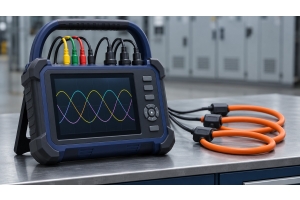
The highlight of a clamp meter is its ability to measure high current without stripping wires or touching conductors. Electricians just need to clamp the device onto the target wire to safely read the value. This device has become very popular among electrical engineers, such as devices from the brand KYORITSU, which we are authorized to distribute.
Voltmeter
Experts use voltmeters to find the voltage difference at the point to be checked inside the control cabinet. Using this device requires connecting the measuring lead in parallel with the target circuit to view the energy status. A good voltmeter will come with a system to protect against overvoltage hazards.
Ohmmeter
An ohmmeter mainly functions to measure the electrical resistance of components, materials, signal wires, etc. This information helps maintenance teams accurately assess insulation performance and conductivity. Checking resistance values is a mandatory step before powering up a new system.
Leakage Current Tester
This device plays an important role in detecting the possibility of leakage current flowing into metal structures or grounding wires Leakage Current Tester helps prevent the risk of electric shock to enhance production safety. Regular checks are something every factory must prioritize the highest.
3-Phase Voltage Status Indicator (Phase Indicator)
Engineers use this tool to check the phase sequence and the status of 3-phase voltage before connecting the machinery. Switching the phase may cause the motor to rotate in the wrong direction, resulting in damage to the drive system. Using this type of tester helps ensure confidence before starting the production process.

Maintenance of Electrical Circuit Testers
All types of electrical measuring instruments require proper maintenance to extend their lifespan. The SCMA team would like to share some basic practices to maintain the accuracy of the equipment as follows
Clean regularly
Operators should clean dust, oil stains, and moisture around the device and ventilation slots. Removing these contaminants helps prevent accumulated heat problems on the circuit board. Clean tools free from dust will operate more stably
Remove the battery when not in use for a long time
When it is known that the electrical circuit tester will not be used for a long period, the battery should be removed and stored separately. This step helps prevent liquid or chemical leakage from the battery that could damage the circuit board. Proper care of the power source clearly reduces the rate of equipment repairs
Store in appropriate conditions
The team should store electrical measuring instruments in a completely dry cabinet with an appropriate humidity control system. Avoiding areas with extremely high temperatures helps protect the electronic components and display screen. Properly stored equipment will remain intact and always ready for use
Inspect the exterior before use
Technicians must thoroughly check the integrity of the test leads (Test Leads) and all connection points. Wires with cracks may cause short circuits or electric shocks during work. Visual inspection before starting work is a basic safety measure
Calibration
All organizations must send measuring instruments for accuracy verification to a standard laboratory according to the SCMA schedule. SCMA offers calibration services to help confirm that the values displayed on the screen remain within acceptable tolerances. Maintenance in this area is a crucial part of quality assurance

Application of Electrical Circuit Testers in Industry
Using electrical circuit testers in factories helps make the inspection and maintenance process more rigorous. SCMA's electrical measurement tool solutions focus on addressing the real working conditions of engineers.
Application of Voltage Meters
Engineers use voltage meters to analyze the consistency of the power supply within machine control cabinets. If measuring high-voltage electrical systems, the device must be connected through a voltage transformer (PT) for safety. Stable voltage data helps prevent damage to other electronic devices.
Application of Current Meters
Maintenance teams use current meters to monitor the load quantity of the production line to assess the integrity of the motor. In cases where measuring massive current, a clamp meter is clamped onto the power cable. Tracking current values helps plan energy-saving strategies effectively.
Versatility of Multimeters
A multimeter is like an essential tool for electricians that can quickly resolve on-site problems, covering all systems. The golden rule of measurement is to always set the measurement range higher than the expected voltage. This device helps reduce the hassle of carrying multiple tools to the work area.
Inspection with Continuity Function
Control cabinet assemblers use the continuity test function to check the integrity of wire connections. The device emits an alert sound to confirm that the connection is strong and conducts electricity well. This function is an important component in the quality control process before delivering the work to the customer.
Advantages of Electrical Circuit Testers
Providing high-quality electrical measuring instruments for use in an organization is a valuable investment that yields tangible returns. The SCMA team has summarized the benefits of having high-quality equipment as follows:
Enhance Work Safety
Electrical circuit testing devices help protect workers from the dangers of short circuits or electric sparks. Technicians can assess the condition of the system before actually cutting or connecting wires. A safe working environment helps build confidence for everyone on the team.
Ensure System Accuracy
Standardized measuring instruments allow for accurate and unquestionable readings of various electrical parameters. This accuracy is essential for tuning automated machinery to work in harmony. Correct data analysis helps reduce the rate of defects in the production line.
Diagnose Problems Quickly
These devices quickly identify the points of failure in complex circuits. Engineering teams can reduce the time spent searching for problems and pinpointing faults. Reducing repair time helps the production line return to generating revenue faster, meeting targets more quickly.
Improve Work Efficiency
Systematic inspection of machinery using electrical measuring instruments helps establish good working standards. Having the right tools for the type of work helps technicians perform their duties more conveniently, reducing fatigue. The result of systematic work is consistent maintenance quality.
Support Proactive Maintenance Planning
Continuously storing measurement data helps engineers assess the lifespan of equipment before it breaks down. Proactive maintenance helps prevent sudden machine failures. Preparing spare parts in advance can save business costs significantly.
How to Choose an Electrical Circuit Tester
Considering the selection of an electrical circuit tester that meets your usage requirements requires looking at several technical details. Engineers recommend the following important criteria for selecting electrical measuring instruments:
Select the type that matches the task: For initial leakage current checks, consider using non-contact voltage pens. If versatility in electronics work is emphasized, choose a multimeter, or use a clamp meter for high-current electrical power systems.
Consider specifications and measurement range (Range): You must select a measurement range wide enough to cover the maximum values expected in the production line, and check the accuracy to match the machine's standard requirements.
Check safety standards: Pay attention to instruments that are certified under international standards, such as IEC, to prevent damage from electrical surges while working in high-risk areas.
Precautions for Safety
Safe use of an electrical circuit tester starts with being cautious and understanding the device. These precautions will help protect the lives of workers and preserve the electrical measuring instruments themselves.
Inspect the test lead cables and connectors visually for any cracks, breaks, or looseness before connecting to the system each time.
Select the operating mode and measurement range (Range) correctly. It is recommended to always set it higher than the expected voltage to prevent instrument damage from overloading.
Wear personal protective equipment (PPE) every time when working with electrical systems. Avoid using the tool in areas with accumulated moisture.
Summary
An electrical circuit tester is an essential tool for inspecting, measuring, and maintaining electrical systems in industrial factories. Choosing the correct type of electrical measuring instrument along with proper maintenance will effectively enhance safety and significantly reduce machine downtime. If you are interested in upgrading your operations with high-quality tools, electrical measuring instruments from a world-leading brand are the best solution for your organization.
Interested in purchasing or consulting via LINE Official: @SCMA
If you want to buy an electrical circuit tester, you can purchase it from SCMA today!
Choosing a standardized electrical circuit tester is an investment that helps protect your valuable employees and machinery. SCMA Co., Ltd. (SCMA), a leader in measuring instruments and sensors, has been supporting the Thai industry since 2012. We are ready to serve our customers with carefully selected electrical measuring instruments. We have a team of expert engineers ready to provide advice, design integrated solutions, and offer service centers in the EEC area and northern industrial estates so that you can access standardized calibration services quickly and conveniently all in one place.
Frequently Asked Questions
Why is an electrical circuit tester necessary for an industrial factory?
This device helps check the integrity of the electrical system, detect leakage risks, to prevent machine malfunctions, protect workers' lives
Should I choose a multimeter or a clamp meter?
A multimeter is suitable for checking circuit panels and general electrical values, while a clamp meter is suitable for tasks requiring high current measurement without stripping wires
Why is it necessary to calibrate electrical measuring instruments?
Calibration confirms that the instrument still reads accurately according to standards, which directly affects product quality and workplace safety
What is the most important precaution when measuring continuity?
Users must disconnect all electrical systems of the circuit before starting continuity measurement to prevent backflow current from damaging the measuring instrument
Does purchasing measuring instruments from SCMA include after-sales service?
Customers will receive full technical support from the engineering team, along with usage guidance services and calibration delivery services for long-term assurance