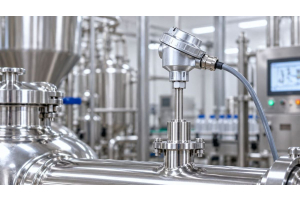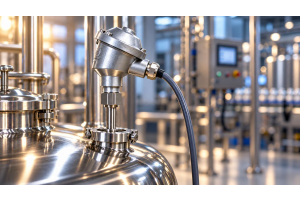

A water oxygen meter is a crucial device for assessing the health of water sources. Did you know that oxygen is a critical factor in sustaining life in aquatic environments? Without it, aquatic animals and ecosystems would suffer severe impacts. For this reason, SCMA, experts in water quality measurement tools, invite you to learn more about "water oxygen meters" or DO Meters to help protect our valuable water resources.
What is a Water Oxygen Meter (DO Meter)?
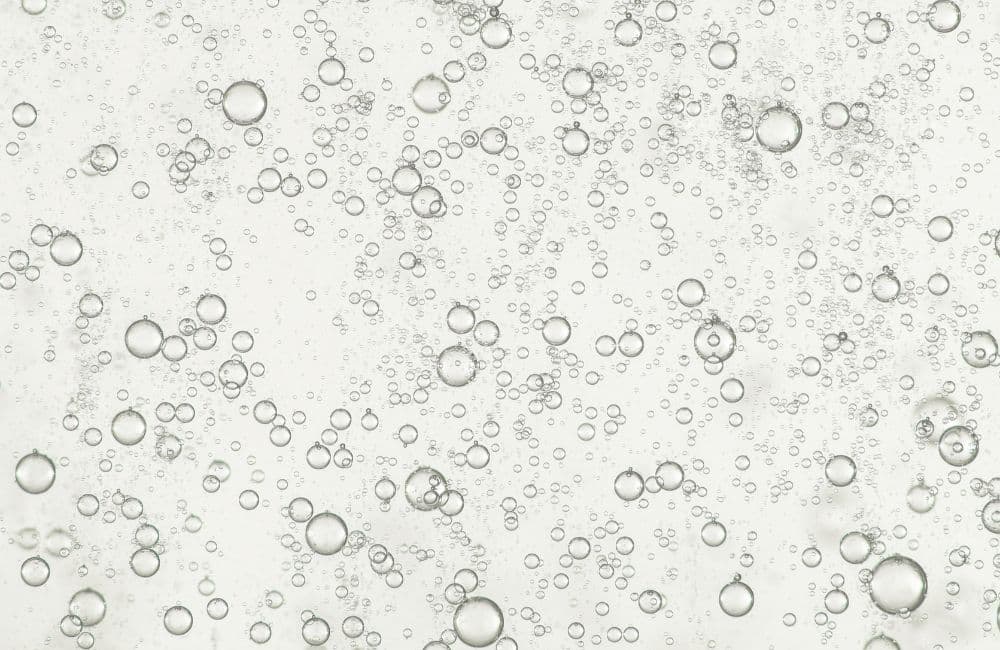
A water oxygen meter, or dissolved oxygen meter for water (Dissolved Oxygen Meter), is an instrument used to measure the amount of dissolved oxygen in water. Typically, an oxygen meter will display values in milligrams per liter (mg/L) or parts per million (ppm).
DO, or dissolved oxygen, is the amount of free oxygen dissolved in water and is crucial for sustaining life in aquatic ecosystems. It also serves as an important indicator of water quality. Therefore, measuring DO levels is essential for analyzing water quality and assessing the health of various water sources.
How a Dissolved Oxygen Meter (DO Meter) Works
A DO meter operates based on electrochemical or optical principles. When the dissolved oxygen meter is placed in contact with water, its sensor measures the dissolved oxygen content through chemical-electrical reactions that occur or by responding to light. Common techniques for measuring DO in water include:
- Electrochemical Sensor Measurement : This method relies on the electrical current generated between the cathode and anode when oxygen in the water reacts with electrolyte solution inside the sensor. The concentration of oxygen varies directly with the amount of current produced.
- Optical Sensor Measurement : This method uses the principle that when oxygen comes into contact with the sensor, it emits light in proportion to the dissolved oxygen content in the water.
Today, DO meter technology has advanced significantly, making oxygen analysis in water easier and more accurate. To fully understand how DO is analyzed:
Types of Dissolved Oxygen (DO) Meters
DO meters can be categorized based on the type of sensor used, primarily into two main types: electrochemical and optical. Each type has its own unique operating principles.
Optical Sensors
Optical sensors rely on the luminescence principle of substances coated at the probe tip, where waterborne oxygen triggers luminescence. The intensity of the measured light indicates the dissolved oxygen level in the water. This type of sensor does not require electrolyte solution and membrane replacement is less frequent, but it may be relatively expensive.
Electrochemical Sensors
Electrochemical sensors operate by generating an electric current through the reaction between electrodes and electrolyte solution within a cell. When oxygen permeates through the membrane, it causes electrical changes that allow for dissolved oxygen calculation. This type of sensor is further divided into Polarographic and Galvanic types.
- Polarographic sensors require external voltage to be supplied to the cell for full polarization before measurement, which takes some time, making it less popular currently.
- Galvanic sensors use different types of electrodes, such as zinc and silver, to generate potential difference within the cell without external power input. They provide faster readings and are more popular.
When comparing the pros and cons of each type, electrochemical sensors tend to be cheaper than optical ones and easier to maintain, though they require regular electrolyte solution and membrane replacement. Optical sensors are relatively expensive but last longer due to the absence of internal liquid and membranes.
Maintenance of Oxygen Water Meter Sensors
Using electrochemical type oxygen meters requires proper maintenance of the sensors, which involves regularly replenishing the electrolyte solution to prevent drying out. Otherwise, this can shorten the lifespan of the sensor. Additionally, membranes must be replaced when they are damaged or have reached their expiration date to ensure accurate DO measurements.
Optical type water DO meters require less maintenance compared to electrochemical types but should still be used and stored correctly. The sensor tip should not be allowed to dry out excessively, and it is advisable to clean the unit after each use.
If problems occur during the operation of water oxygen meters such as inaccurate readings, inability to calibrate, or unstable values, it is recommended to first check the sensor and components for any abnormalities or damage according to the manual. If the issue persists after following these steps, professional repair by a specialist should be sought to extend the lifespan of the equipment.
What are the main benefits of a Dissolved Oxygen Meter (DO Meter)?
A DO meter or water oxygen meter offers numerous advantages, such as:
- Assessing the water quality in natural water sources like canals, ponds, and lakes to ensure safety for agricultural use, fish farming, and drinking.
- Monitoring the efficiency of wastewater treatment systems in industries and communities to safely discharge treated water into the environment.
- Controlling water quality during food, beverage, and pharmaceutical production processes to meet product standards.
- Using it for environmental research to study the ecological conditions in various water sources, sustainable development, and biodiversity conservation.
It is evident that measuring DO levels has diverse applications across agriculture, industry, research, and importantly, maintaining a clean and safe environment, which is everyone's responsibility.
Interested in Dissolved Oxygen Meters? You Can Now Purchase from SCMA
Dissolved oxygen meters are essential for those who need to assess the health of water sources or improve production processes. If you're interested in purchasing a high-performance, reliable and easy-to-use DO meter, you can contact SCMA, the leading supplier of Oxygen meters in Thailand with extensive experience in this field.
Our team is ready to provide consultation for selecting the most suitable DO measuring equipment for your work, along with quick and efficient after-sales service. We ensure that you will receive continuous support and satisfaction from our products.
Summary
SCMA, the manufacturer and supplier of high-quality dissolved oxygen meters, hopes this article helps you understand the importance of these tools for analyzing DO levels in water. If you need a DO meter for your work, SCMA is ready to serve with enthusiasm, offering consultation to choose the right equipment and providing excellent experiences both before and after sales.
Frequently Asked Questions
What is a Dissolved Oxygen Meter?
A dissolved oxygen meter (DO Meter) is an instrument used to measure the amount of oxygen dissolved in water or other liquids. It uses electrochemical principles or optical sensing methods to display values in milligrams per liter (mg/L) or parts per million (ppm).
What is a DO Meter?
DO Meter stands for Dissolved Oxygen Meter, which refers to an instrument used to measure the amount of oxygen dissolved in water. This indicates the level of life sustainability in that water source and also serves as an important indicator of water quality.
What does DO Value Mean?
DO stands for Dissolved Oxygen, which refers to the amount of free oxygen dissolved in water. It is typically measured in milligrams per liter (mg/L) and indicates the condition of aquatic ecosystems and the ability of living organisms to survive in water.
Is More Oxygen in Water Better?
An appropriate level of dissolved oxygen in water supports life sustainability and maintains ecological balance. Generally, a DO value around 5-8 mg/L is considered good, but if the DO drops below 4 mg/L it may be harmful to aquatic animals. Conversely, excessively high levels can promote excessive growth of algae and aquatic plants, so it's important to maintain an optimal level.