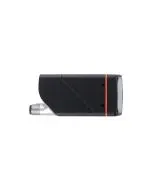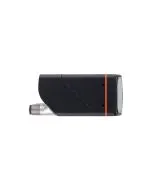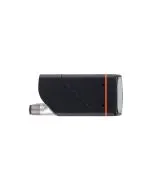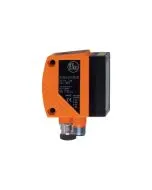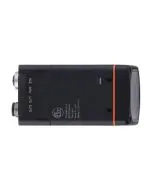
In the digital age, where data is crucial to business operations, Barcode Scanners or barcode readers have become essential in helping manage information efficiently and quickly. Whether it's for retail stores or industrial factories, SCMA specializes in automation systems and provides consultation and recommendations on selecting the right Barcode Scanner for your business.
What is a Barcode Scanner (Barcode Reader)?
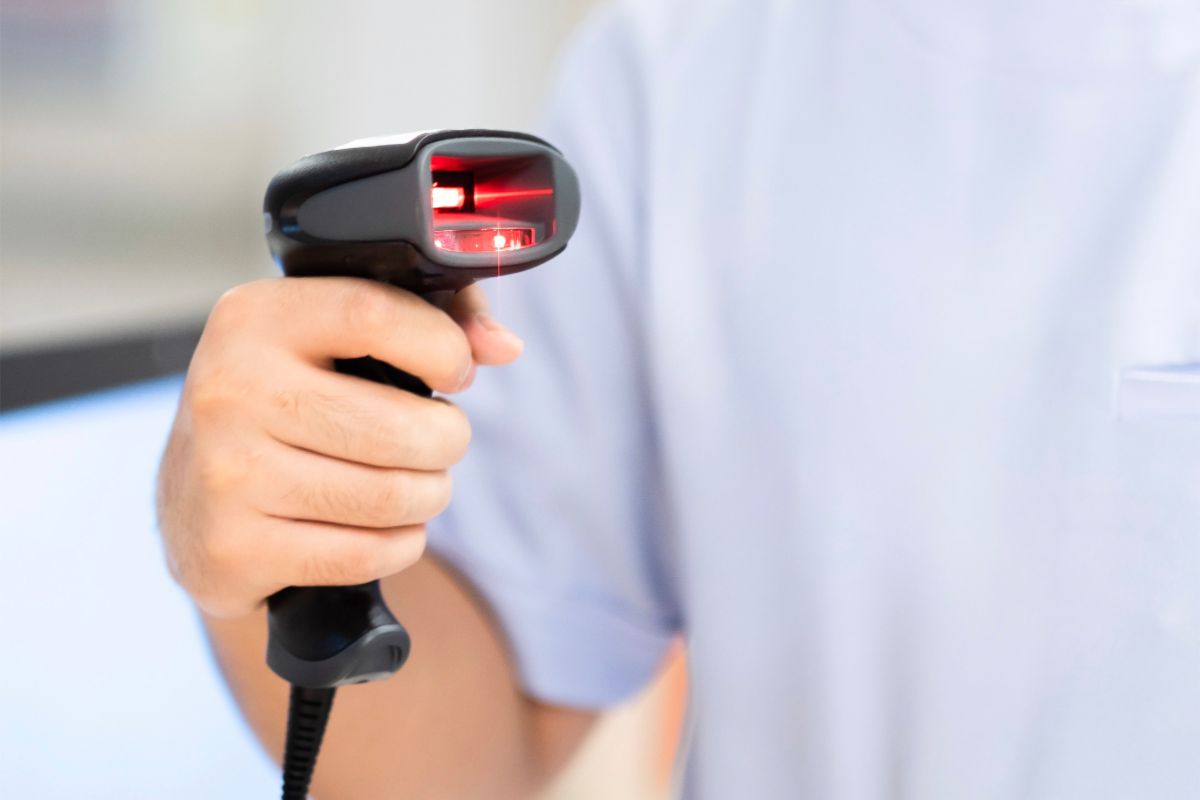
A Barcode Scanner or barcode reader is an electronic device used to read data from barcodes and convert it into digital information that can be sent to a computer system for further processing and management. It works by projecting laser light or LED light onto the barcode, measuring reflected light to translate it into data, thereby increasing speed, accuracy, and precision in data recording compared to manual typing.
Primary Functions of Barcode Scanners
The main functions of barcode scanners include:
- Reading data from barcodes and converting it into digital information
- Checking the correct elements of bars and spaces
- Determining the width of each bar and space
- Grouping readable barcode data
- Checking Start/Stop positions, Check Character, and Quiet Zone
- Transmitting data to a computer system for further processing
How a Barcode Scanner Works
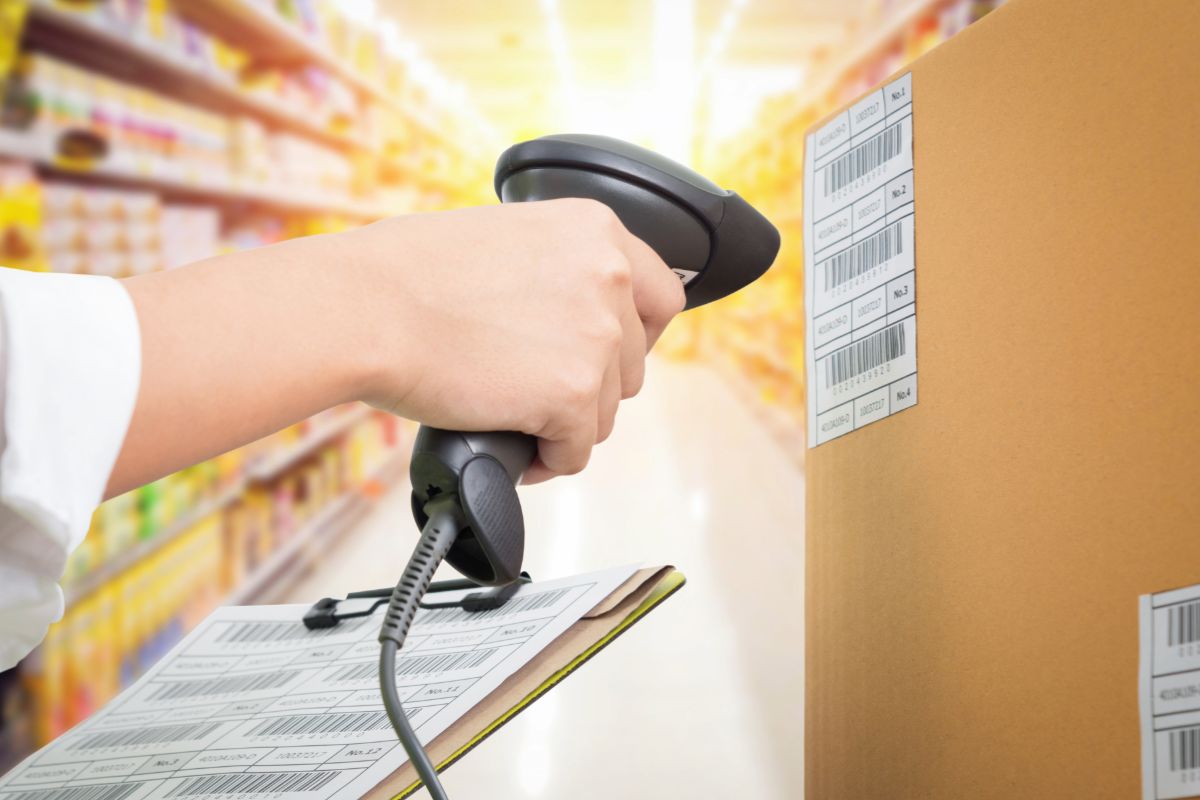
The basic working principle of a barcode scanner is not overly complex. It involves several main steps, from reading the barcode data to signal conversion, data transmission, and processing, which will be explained in more detail below.
Data Reading (Scanning)
The first step is to read the data from the barcode. The barcode scanner emits light (usually a laser or LED) onto the barcode strip. When this light hits bars of varying thickness and spacing, some of it reflects back into the receiver inside the scanner. This reflected light signal indicates the pattern of the barcode.
Signal Decoding
After receiving the reflected light signals from the barcode, the barcode scanner converts these signals into digital signals using a decoder. The decoder analyzes the patterns and spaces of bars and gaps, such as their thickness, width, and sequence, to derive numeric or alphanumeric codes according to each system's specifications.
Data Transmission
Once digital data is decoded, the barcode scanner sends this information to a connected computer or device via various connection methods such as USB, Bluetooth, or Wi-Fi, depending on each model's features. The speed of data transmission affects the overall efficiency of the barcode scanning system.
Data Processing
When the data is received by a computer system, it is processed according to specific work systems. For example, in POS systems, scanned product information is used for stock reduction and price calculation, while in warehouse systems, it may be used to increase inventory counts. The accuracy and speed of this processing help improve overall efficiency.
What are the types of barcode readers?
Barcode readers can be categorized based on their reading technology as follows:
Laser Barcode Reader
This is the most popular type of barcode reader due to its affordability and ease of use. It works by emitting a laser beam onto the barcode, which then measures the reflected light signal using a sensor. The advantages include high accuracy and the ability to read barcodes from relatively long distances. However, it is not suitable for 2D barcodes.
Digital Barcode Reader
This type of barcode reader uses camera or image sensor technology to capture an image of the barcode and then processes it with software to convert it into numbers/characters. The advantages include the ability to read 2D barcodes and digital screen barcodes, but the disadvantage is that it tends to be more expensive than laser models.
Handheld Barcode Reader
This is a small barcode reader that is portable for use in various locations. Currently, there are dedicated devices as well as smartphone/tablet apps that function as barcode readers. It is suitable for off-site usage such as inventory counting or point-of-sale transactions.
Usage of Barcode Scanners in Industrial Applications
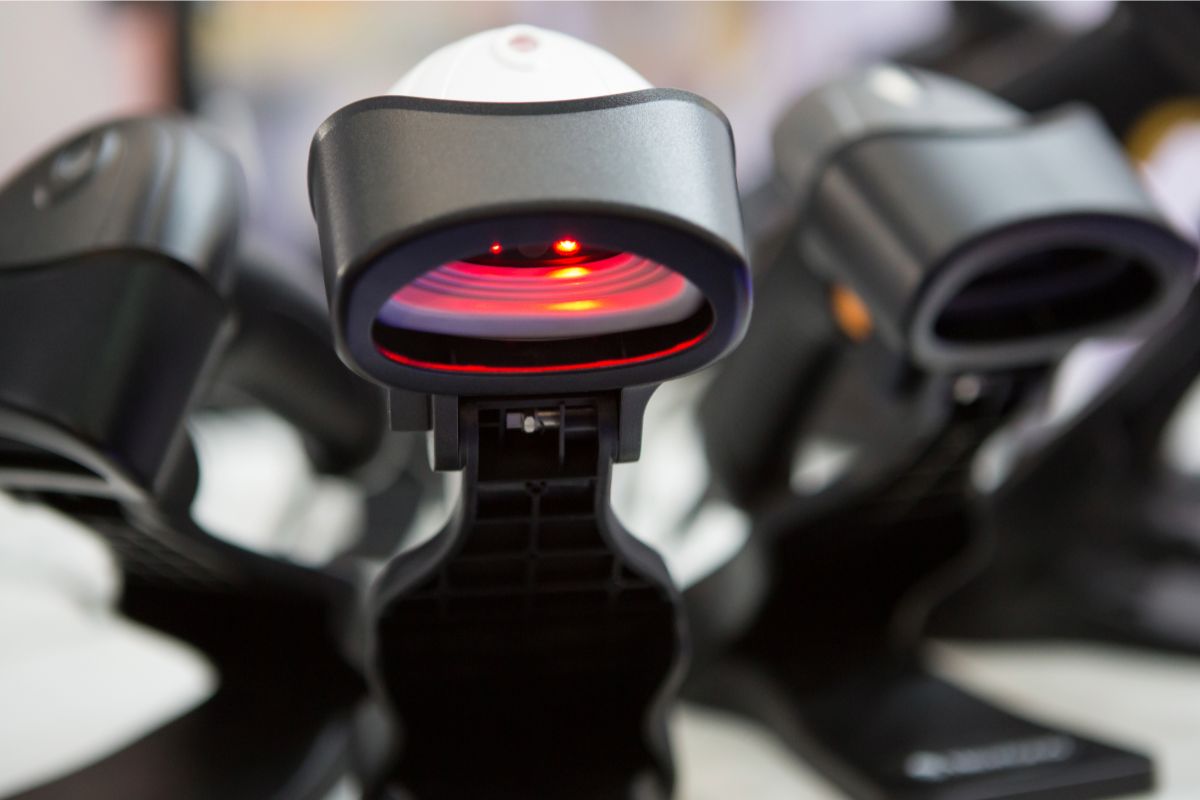
In the industrial sector, barcode readers are widely used to enhance operational efficiency, reduce errors, and meet various automation requirements. They have diverse applications such as:
- Production systems - Used for tracking components, raw materials, production processes at each stage, and collecting real-time production data.
- Warehouse systems - Used for inventory counting, storage, receiving or dispatching goods, or locating items within the warehouse.
- Transportation systems - Used to track shipments and check delivery status at various points.
- Sales systems - Used for reading product codes, calculating prices, updating stock levels, or issuing receipts to customers.
- Reverse tracking systems - Used to identify the origin of products through barcodes on packaging to know their source, production date, etc.
Benefits of Using a Barcode Scanner
Using a barcode scanner in the workflow provides numerous benefits, including increased speed, reduced errors, cost savings, and promoting automation systems such as:
- Reads data much faster than manual entry, saving time in the process
- Reduces errors from duplicate or incorrect data entry, ensuring more accurate information
- Saves labor costs associated with manual data entry
- Can connect to computer systems for immediate processing, keeping the information up-to-date
- Systematically tracks and monitors product data, preventing loss or misplacement of items
- Reads information accurately even in faded barcode conditions, increasing system reliability
- Supports multiple barcode reading formats such as 1D, 2D, DPM, making it versatile for various applications
- Offers flexible connection options including wired, wireless, Bluetooth, and Wi-Fi
Why are Barcodes Important in Industry?
Barcodes play a crucial role in the industrial sector as they enhance operational efficiency across various areas from production to inventory management and distribution. Utilizing barcode readers that can automatically, accurately, and quickly collect data enables businesses to track products comprehensively, reduce costs, increase productivity, and satisfy customers. Therefore, barcodes are essential tools in modern industrial systems.
Interested in Barcode Scanners? You Can Buy from SCMA Today!
As the leader in automation solutions, SCMA offers high-quality barcode scanners from top brands. We provide consultation to help you choose the right model for your needs, along with comprehensive after-sales services to ensure efficient and cost-effective use. For orders or more information, please contact SCMA at any branch or online.
Summary
Barcode scanners are a crucial tool in revolutionizing the modern industrial sector. Working with barcode systems maximizes efficiency in managing products and data, increasing productivity, reducing errors, and saving costs significantly. If your business has not yet adopted this technology, today is an excellent opportunity to move towards new working methods. SCMA is ready to advise and supply barcode scanners that meet all your needs for rapid growth together.
Frequently Asked Questions
How does a Barcode Scanner work?
Barcode Scanner works by emitting a beam of light (usually laser or LED) onto the barcode. When the light hits the barcode, it reflects back to an internal receiver within the scanner, which then converts it into digital signals and sends them to a computer for processing as readable data such as numbers or letters.
What are the benefits of using Code 128 barcodes?
Code 128 is a widely used standard barcode in industries around the world, particularly in manufacturing, logistics, and supply chain management. It has high data density, storing more information than typical one-dimensional barcodes. Additionally, it can encode both numbers, letters, and special characters, making it versatile for various applications.
How many types of Barcode Scanners are there?
Barcode Scanners come in several types based on their usage, such as handheld, desktop, and fixed-mount models. Each type differs in terms of convenience, speed, accuracy, reading range, and price. Users should choose a model that best suits their objectives and working environment.
What is a barcode? What are its benefits?
A barcode is a graphic consisting of black and white (or other color) parallel lines used to represent numerical or alphabetical data. It uses the width and spacing of the lines for encoding. When used with a barcode reader, it facilitates easy, fast, and accurate data storage and verification, making it widely applied across various businesses.