
SCMA Vibration Meter, or the vibration meter, is a crucial tool for checking the condition of machinery and equipment in industrial settings. Vibrations are important signals indicating abnormalities. Measuring and analyzing with a Vibration Meter helps pinpoint problem-solving, prevents severe damage, and extends the lifespan of machines.SCMA Services are available to provide consultation at every step, from selecting the type of Vibration Meter, usage, to interpreting data, so you can maintain your machinery efficiently.
What is the history behind Vibration Meters?
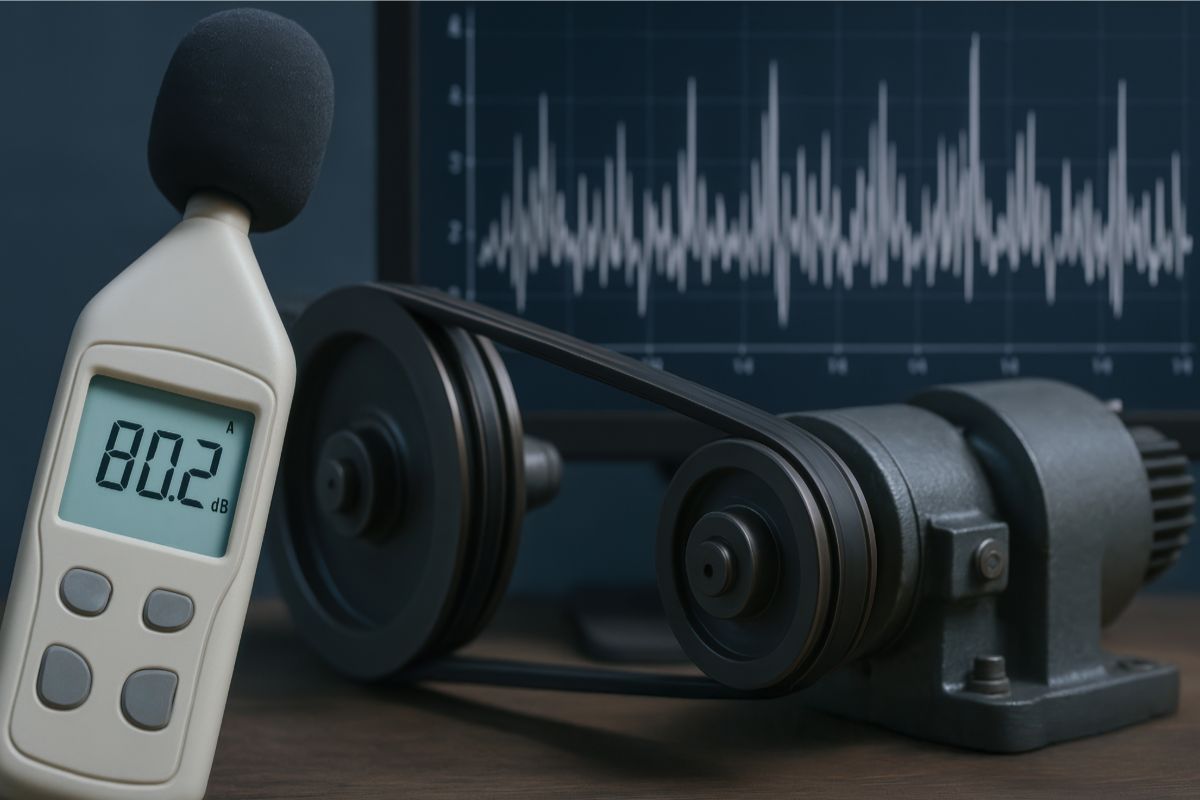
Measuring and analyzing vibrations is crucial for checking the condition of machinery. In the past, abnormal symptoms were often assessed by listening to sounds or touching with hands, which relied on experience for diagnosis. However, today there has been technological development in Vibration Meters, or vibration meters, that can accurately measure amplitude and frequency of vibrations for thorough inspection and analysis regarding issues occurring with machines and equipment across various industries.
What is a Vibration Meter (Vibration Meter)?
Vibration Meter, or the vibration meter, is a device used to measure the level of vibrations or shaking forces of machinery or various components. It can measure displacement (Displacement), velocity (Velocity), and acceleration (Acceleration) of vibrations. This data is analyzed to assess machine performance and identify problem causes, helping in efficient maintenance planning.
How Does a Vibration Meter Work?
A Vibration Meter, or vibration measuring instrument, has a main component called the Vibration Sensor or Vibration Probe which detects the vibrations of an object and converts them into electrical signals sent to the central processing unit. Some models can display measurement results immediately on the screen, while others may have data logging functions for later analysis using specialized software.
Why Is It Important To Measure Vibrations?

Abnormal vibrations of machinery and equipment can indicate various issues such as wear, imbalance, looseness, insufficient lubrication, etc. If not addressed, these issues could lead to severe damage, machine downtime, and loss of productivity. Therefore, using a Vibration Meter to regularly check and measure vibrations helps detect problems early on, allowing timely resolution, reducing repair costs, minimizing downtime losses, and extending the lifespan of machinery.
What are the types of vibration meters?
Vibration Meter or a vibration measuring instrument comes in various types based on usage, as follows:
1. Portable Vibration Meters
Portable Vibration Meters are compact and lightweight handheld devices that are easy to use for periodic machine inspections. Some models come with wireless sensors for convenient data collection, and they display clear results on the screen.
2. Multi-channel Vibration Analyzers
Multi-channel Vibration Analyzers are advanced vibration analysis tools that support connections with multiple Vibration Sensors to collect data from several positions on a machine simultaneously. They are suitable for large and complex machines, offering high-precision results through functions like Spectrum Analysis or Shaft Balancing.
3. Online Vibration Monitoring Systems
Online Vibration Monitoring Systems are online vibration monitoring systems that continuously measure values around the clock using permanently installed Vibration Sensors. They help monitor real-time operational conditions and alert supervisors immediately upon detecting any abnormalities, making them ideal for critical machines requiring safety and continuous production.
What are the Benefits of a Vibration Meter?
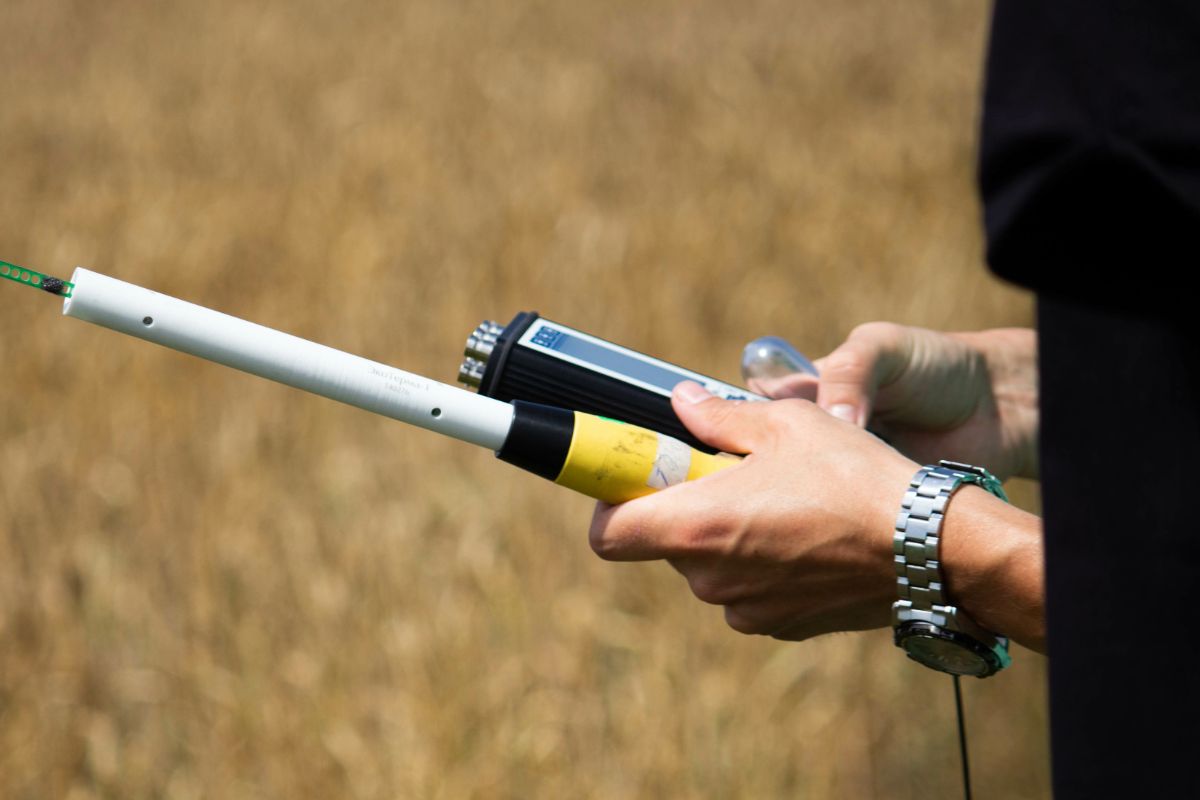
A Vibration Meter is useful for checking and evaluating the condition of machinery. The vibration measurement data helps to indicate various abnormalities, such as:
- Wear or deterioration of parts like bearings, shafts, and gears
- Imbalanced rotation
- Loose or improperly secured parts
- Misalignment during assembly
- Insufficient lubrication issues
With this information, maintenance personnel can accurately identify the cause of problems and plan appropriate corrective actions. This helps to increase production efficiency, reduce repair costs and loss of output, extend the lifespan of machinery, and save long-term costs.
How to Use a Vibration Meter
The main steps for using a Vibration Meter are as follows:
- Check the readiness and cleanliness of the Vibration Probe.
- Select the measurement position, which is typically near rotating parts or points of interest.
- Install the Vibration Sensor securely at the desired measurement point.
- Set up the measurement parameters on the Vibration Analysis Meter, including the range and units to be used.
- Start measuring and record results in a device or save as files if necessary.
- Clean the equipment and store it properly for future use.
In addition, users should learn how to calibrate the Vibration Meter correctly to ensure the accuracy of measurement results at all times.
Vibration Meter Suitable for Who?
A Vibration Meter is suitable for individuals working in industries involving machinery and equipment that may experience vibration, such as:
- Engineers or technicians responsible for maintenance work
- Inspectors or assessors evaluating machinery conditions
- Production quality controllers
- Designers or developers testing product durability
Selecting an appropriate vibration meter that suits the nature of work can enhance operational efficiency, prevent problems from the outset, reduce risks and losses, and ensure worker safety.
How to Choose a Vibration Meter?
When selecting an appropriate Vibration Meter for your needs, consider the following factors:
- Purpose of use: Do you need just a basic check or detailed analysis to plan preventive maintenance?
- Characteristics of the machinery or equipment being measured, including frequency range, expected vibration levels, and working environment, to choose the appropriate type of Vibration Sensor.
- Industry-specific standards or requirements such as ISO or ANSI to comply with reference criteria.
- Special features of the Vibration Meter, such as selectable units of measurement, computer connectivity, or built-in memory, for ease of use.
- Budget and long-term cost-effectiveness.
Before making a purchase decision, it is advisable to study information from the manufacturer or seek advice from experts to ensure you get a measuring tool that meets your needs and provides maximum benefit.
If you are interested in purchasing a vibration meter, SCMA is now available for your purchase!
SCMA is the leader in industrial measurement tools and offers a variety of high-quality Vibration Meters or vibration sensors to choose from. We provide consultation throughout every step, from selecting the appropriate model, installation and usage, data interpretation, calibration, and maintenance, ensuring our customers use them with confidence and maximum efficiency.
If you need a Vibration Meter for purchase, rental, consultation on issues, or calibration services, please contact SCMA immediately. Our professional team of engineers is ready to serve you to enhance performance, reduce costs, and ensure safety in your business.
Which brand of Vibration Meters are good? Which models have high quality and are worth using?
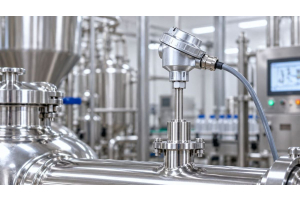
Vibration Meter sensor model VVB001 by ifm
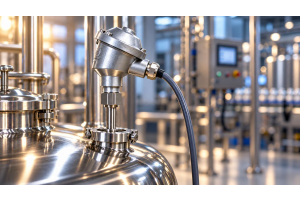
Vibration Meter sensor model VTV122 by ifm
https://scma.co.th/vtv122-efector-800-diagnostic-vibration-transmitter-de.html
Vibration Meter sensor model VKV022 by ifm
https://scma.co.th/vkv022-efector-800-diagnostic-vibration-monitor-de.htmll
Summary
A Vibration Meter or a vibration measuring instrument is a crucial tool in industrial work, which helps to inspect the condition of machinery and various equipment by measuring and analyzing the level of vibration occurring. This allows for identifying abnormalities and planning timely preventive measures before they escalate into major issues, thereby reducing losses from damaged machines and downtime, as well as extending their lifespan.
Selecting an appropriate Vibration Meter that suits the nature of work, using it correctly, and conducting regular calibration will ensure maximum efficiency. If you are looking for a reliable partner in machinery management, investing in a SCMA Vibration Meter is another option that can provide confidence and elevate your business to the next level.
Frequently Asked Questions
How does a vibration meter work?
A vibration meter, or Vibration Meter works by using a Vibration Sensor to detect the vibration of an object and then convert it into an electrical signal for processing, displaying measurement values such as displacement, velocity, acceleration, or frequency depending on the type of Vibration Sensor and settings of the Vibration Analysis Meter. The data obtained is further analyzed to assess the operational condition of machinery and plan maintenance.
How many types of vibration measurements are there?
Vibration measurement, or measuring oscillation, can be done in several ways depending on the values being measured, including:
- Displacement is the distance an object moves from one point to another and has units such as millimeters or microns.
- Velocity is the rate of change in position of an object over a unit of time, with units such as millimeters per second.
- Acceleration is the rate of change in velocity over a unit of time and has units such as meters per second squared.
- Frequency is the number of oscillations occurring within one unit of time, with units such as hertz.
How many types of vibration are there?
Vibration can be divided into two main categories:
- Free Vibration is the vibration of a system or machine that starts with an external force or stimulus for a short period and then allows the system to vibrate freely without further forces acting on it, such as the oscillation of a pendulum clock.
- Forced Vibration is vibration caused by an external force continuously acting upon a system or machine, such as vibrations from a motor or repetitive impacts on a structure.