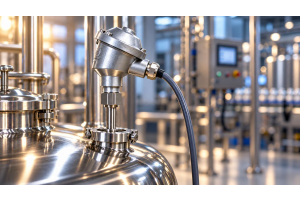

In the manufacturing and material processing industries, controlling the temperature of liquids is a crucial factor that affects product quality and production efficiency. Water heaters or immersion heaters play a vital role in heating various types of liquids such as water, oil, or chemical solutions. This article will introduce you to immersion water heaters in detail, from their working principles, components, to appropriate usage selection.
What is an Immersion Heater?

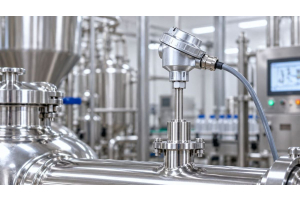
An immersion heater, also known as a "water heater," is a type of heating device designed specifically for boiling or warming liquids. It has the shape of a U-shaped stainless steel tube that connects to a threaded fitting or flange. The working principle of this water heater involves converting electrical energy directly into thermal energy. When an electric current flows through the wire inside the tube, heat is generated and transferred to the liquid in contact with the heater.
The special feature of immersion heaters lies in their high heating efficiency due to direct contact with liquids, which results in rapid and thorough heat transfer. Additionally, they come in various forms and sizes to meet different industrial needs.
How a Water Boiler Heater Works
A water boiler heater operates on a simple yet highly efficient basic principle. When we supply an alternating current of 220V or 380V to flow through high-resistance heating wires (heating elements) inside a stainless steel tube, this resistance generates heat. This heat is then transferred to magnesium oxide powder (MgO), which acts as an insulator that conducts heat well but not electricity. The heat is subsequently passed on to the outer stainless steel casing and finally transmitted to the liquid in contact with the water boiler heater.
This design allows a water boiler heater to convert electrical energy into thermal energy at over 95% efficiency, which is considered very high compared to other types of heating equipment.
Key Components of a Water Heating Heater

A water immersion heater consists of several important components that work together to achieve maximum efficiency. Each component has a different function and importance, as follows:
- Heating Element (Wire) - This is the core part responsible for generating heat. It is made of Nikrothal 80 (or R80) wire, which consists of 80% nickel and 20% chromium. This type of wire has high tensile strength and can withstand temperatures up to 1400 degrees Celsius.
- Magnesium Oxide Insulation (MgO) - This acts as a barrier between the heating element wire and the metal casing. It has special properties that allow it to conduct heat well but not electricity, preventing electrical leakage from the heating element wire to the outer metal surface.
- Heater Casing - It protects the insulation and heating element wire from moisture, chemicals, and other external factors. Additionally, it helps in transferring heat to the liquid. Immersion water heater casings can be made of various materials such as:
- Grade 304 Stainless Steel: Highly resistant to corrosion, suitable for general liquids without corrosive properties.
- Grade 316 Stainless Steel: More resistant to corrosion than grade 304, suitable for slightly corrosive solutions.
- Incoloy: Highly resistant to corrosion, suitable for highly corrosive solutions.
- Heater Terminals - These are the connection points between the heating element wire and external power sources. They are often made as screw threads for easy crimp terminal connections.
- Heat-Resistant Wiring - Used to connect the heater terminals with power sources. It has special insulation that can withstand high temperatures, preventing short circuits in high-temperature environments.
Types of Water Heating Heaters
Water heating heaters come in various forms to meet diverse usage requirements. Choosing the right type can enhance efficiency and prolong the lifespan of water heating heaters.
The main types of immersion heaters are as follows:
- Spiral Water Heating Heaters - They have spiral heads for installation with tanks or containers. Easy to install and replace, suitable for frequent maintenance work. Available in various sizes such as 1 inch, 1.5 inches, 2 inches, etc.
- Flange Water Heating Heaters - They have flanges for securing to tanks or containers, providing better strength and leak prevention compared to spiral types. Suitable for high-stability work or systems with pressure. Available in both JIS and DIN standards.
- Multi-U Water Heating Heaters - They have multiple heater tubes integrated into a single head, capable of delivering high wattage in limited space for better heat distribution. Available in 3U, 6U, 9U, 12U, and 15U models.
Each type also has subcategories based on pipe size, tube length, wattage, and voltage to suit various usage requirements.
Selecting the Right Immersion Water Heater for Your Application
Choosing the right immersion water heater is crucial to ensure maximum efficiency and extend the lifespan of your equipment. Key factors to consider when selecting a hot water heater include:
- Type of Liquid - The material of the heater jacket should be suitable for the type of liquid being heated:
- Water or general liquids without corrosive properties: Stainless Steel Grade 304
- Salty water or slightly corrosive liquids: Stainless Steel Grade 316
- Highly corrosive chemical solutions: Incoloy
- Wattage and Desired Temperature - The wattage of the immersion water heater must be sufficient for the volume of liquid and desired temperature. Generally, we can calculate it using the formula:
- Wattage (W) = Mass of Liquid (kg) × Specific Heat Capacity (J/kg°C) × Temperature Difference (°C) ÷ Time (s) × 1.2 (Safety Factor)
- Size and Shape - The size and shape of the water heater must fit the container or tank being used:
- The length of the tube should match the depth of the tank
- The number of U's (U) should be appropriate for space and liquid volume
- Voltage - Must match the electrical system being used, whether it is 220V or 380V
- Installation Method - Consider an installation method suitable for the container or system:
- Threaded type: Easy to install, suitable for general work
- Flanged type: Strong and suitable for high-pressure systems
Selecting the right industrial heater for your application can greatly increase efficiency and reduce production costs.
Benefits and Applications of Industrial Water Heating Heaters

Immersion water heating heaters are widely used in various industries due to their high efficiency and precise temperature control capabilities. Important applications include:
- Food and Beverage Industry - Used for heating water to boil or warm various mixtures such as sugar, coconut milk, syrup, especially in pasteurization processes that require precise temperature control.
- Chemical Industry - Used for heating water to provide heat to chemical solutions during production or testing processes, selecting materials resistant to corrosion from the specific chemicals.
- Oil and Petroleum Industry - Used for heating water to warm oil or high-viscosity liquids to reduce viscosity, making flow or pumping easier.
- Plastics and Rubber Industry - Used for heating water to provide heat to high-viscosity raw materials such as adhesives, asphalt, making them easier to shape or mix.
- Wastewater Treatment Systems - Used for controlling the temperature of water in treatment tanks to accelerate biological reactions that break down organic substances.
- Automotive Industry - Used for heating water during metal plating processes, cleaning parts or testing equipment requiring temperature control.
- Renewable Energy Industry - Used in heat storage systems for solar energy or other renewable energy sources.
Precautions for Using Water Heating Heaters
Using water heating heaters correctly can extend their lifespan and prevent potential dangers. Important precautions include:
- Keep the liquid level above the heater - If the liquid level is below the submerged part of the heater, it can overheat and potentially damage the heater.
- Install a temperature control system - Use water heating heaters in conjunction with a thermostat or temperature control device to prevent overheating and save energy.
- Clean regularly - Scale or dirt buildup on the heater can reduce heat transfer efficiency and cause premature damage to the heater.
- Prevent moisture at electrical terminals - Moisture at the electrical terminals may cause short circuits or electrical leakage.
- Select appropriate insulation for the liquid type - Using insulation that is not resistant to the corrosive effects of the liquid can cause damage and may lead to fluid leakage into the heater.
- Install a mixing system - Install impellers or mixing systems to ensure even heat distribution, preventing hot spots.
- Position the heater appropriately - Install submerged water heating heaters at the bottom of the tank for even heat distribution.
Comprehensive Services from SCMA: Upgrade Your Heating System
SCMA Company Limited offers comprehensive heater services with over four decades of experience in the industrial automation industry. We are committed to being your partner at every step, from selecting the right water immersion heaters to installation and maintenance.
Our services cover all aspects:
- Consultation and Requirement Analysis - Our team of expert engineers will thoroughly analyze your needs to recommend the best water heating heaters for your work.
- Heating System Design - We can design highly efficient heating systems with automatic temperature control systems following Industry 4.0 guidelines.
- Supply High-Quality Heaters - We are the authorized distributor of high-quality water immersion heaters from leading global brands, offering a variety of models to suit your needs.
- Installation and System Testing - Our expert technicians will install the water immersion heaters and control systems according to standards, followed by detailed testing.
- User Training and Maintenance - We provide training for your team on how to use and maintain immersion heaters correctly.
- After-Sales Service - We have a dedicated after-sales service team available 24/7 to address any issues or provide advice regarding water immersion heaters.
- Scheduled Maintenance Services - We offer scheduled maintenance plans for water heating heaters to ensure optimal performance and longevity of your equipment.
At SCMA, we are not just a product supplier but a technical partner ready to support you at every stage of your production system development for sustainable business growth.
Summary
Water boiling heaters, or Immersion Heater are highly efficient in heating liquids due to direct contact with the liquid, resulting in rapid and thorough heat transfer as well as precise temperature control. They are made from high-quality durable materials and come in various styles suitable for all industries. Choosing the right one will enhance production efficiency, reduce energy costs, and extend equipment lifespan. Contact us today for consultation on water boiling heaters that meet your needs.
Frequently Asked Questions About Water Boiling Heaters
How long do water boiling heaters typically last?
The lifespan of a water boiling heater depends on several factors, such as the quality of materials, usage patterns, and maintenance. Generally, high-quality water boiling heaters that are properly maintained can last for 3-5 years or longer in some cases.
How often should I clean my water boiling heater?
The frequency of cleaning depends on the type of liquid being used. Typically, it is advisable to check and clean every 3-6 months or when scale or dirt is observed on the heater. If using hard water or solutions prone to scaling, more frequent cleaning may be necessary.
Can I use a water boiling heater with any type of liquid?
No, not all types are suitable. The selection of a water boiling heater should consider the type of liquid and compatibility with the material of the heater jacket. Liquids with high corrosive properties may require special materials such as Incoloy or titanium for the jacket, and in some cases, direct use of a water boiling heater might be unsuitable.
Why do water boiling heaters have such varying prices?
The price of water boiling heaters depends on several factors, including the materials used for the jacket (such as stainless steel 304, 316, Incoloy), size and wattage, quality of heating elements and insulation, and manufacturing technology. Higher-priced heaters often have better quality and longer lifespans, along with special features such as enhanced corrosion resistance.