
Smoke detectors are important devices that enhance safety in homes, buildings, and establishments by monitoring and detecting smoke from potential fires at an early stage. Installing these devices increases the chances of timely evacuation and fire suppression, reducing harm to life and property. Current smoke detection technology is highly efficient and accurate, suitable for both residential and commercial use.
What are Smoke Detectors?
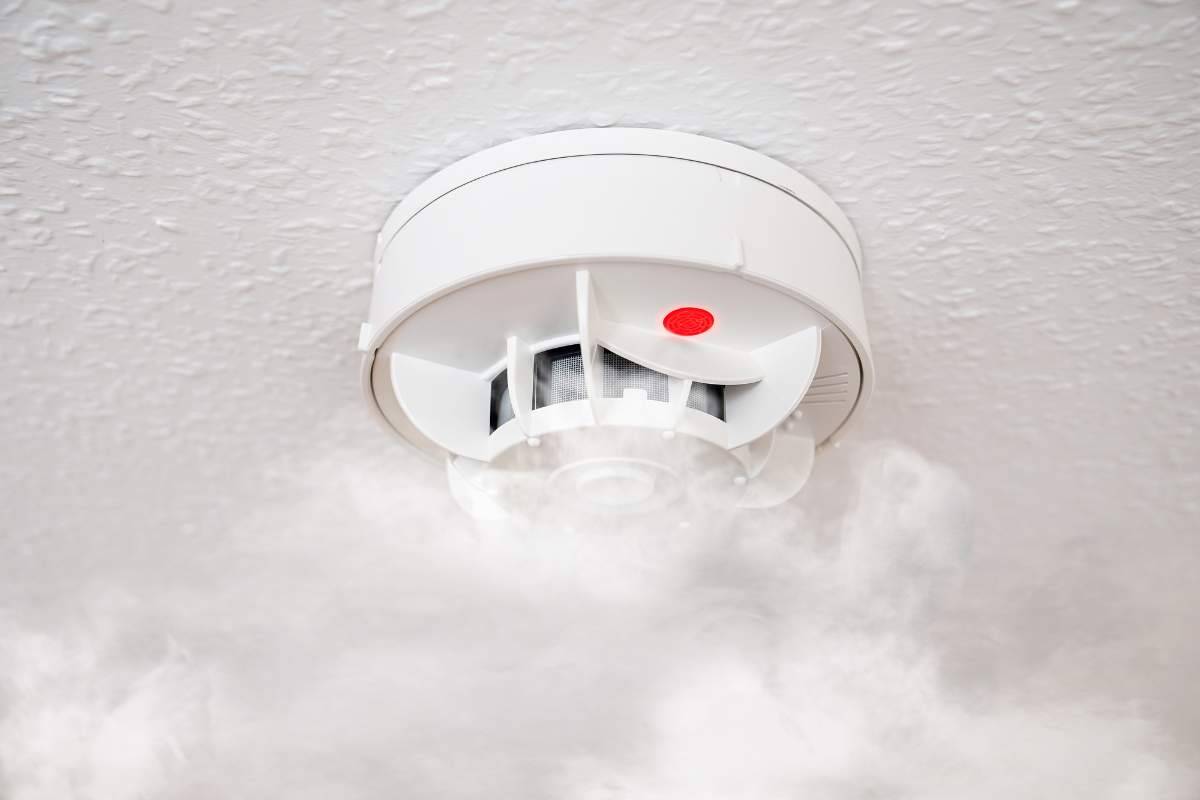
Smoke Detector or smoke sensors are crucial components in fire prevention systems, designed to detect particles of smoke from fires at an early stage. They are typically installed on ceilings to quickly identify rising smoke. When the detected particle levels exceed set thresholds, the device immediately alerts with sound, flashing lights, or both, allowing occupants to evacuate dangerous areas or take immediate action to extinguish the fire, thereby reducing harm to life and property.
What are the Benefits of Smoke Detectors?
Smoke detectors greatly enhance safety for occupants and property by detecting smoke particles from fires at an early stage, providing more time to respond to emergencies. In the event of a fire, quick alerts from these devices enable residents to safely evacuate buildings or take initial firefighting actions, reducing severe damage. Additionally, in buildings connected to security systems, alarm signals can automatically be relayed to fire departments or security control centers, making emergency responses faster and more effective.
How a Smoke Detector Sensor Works
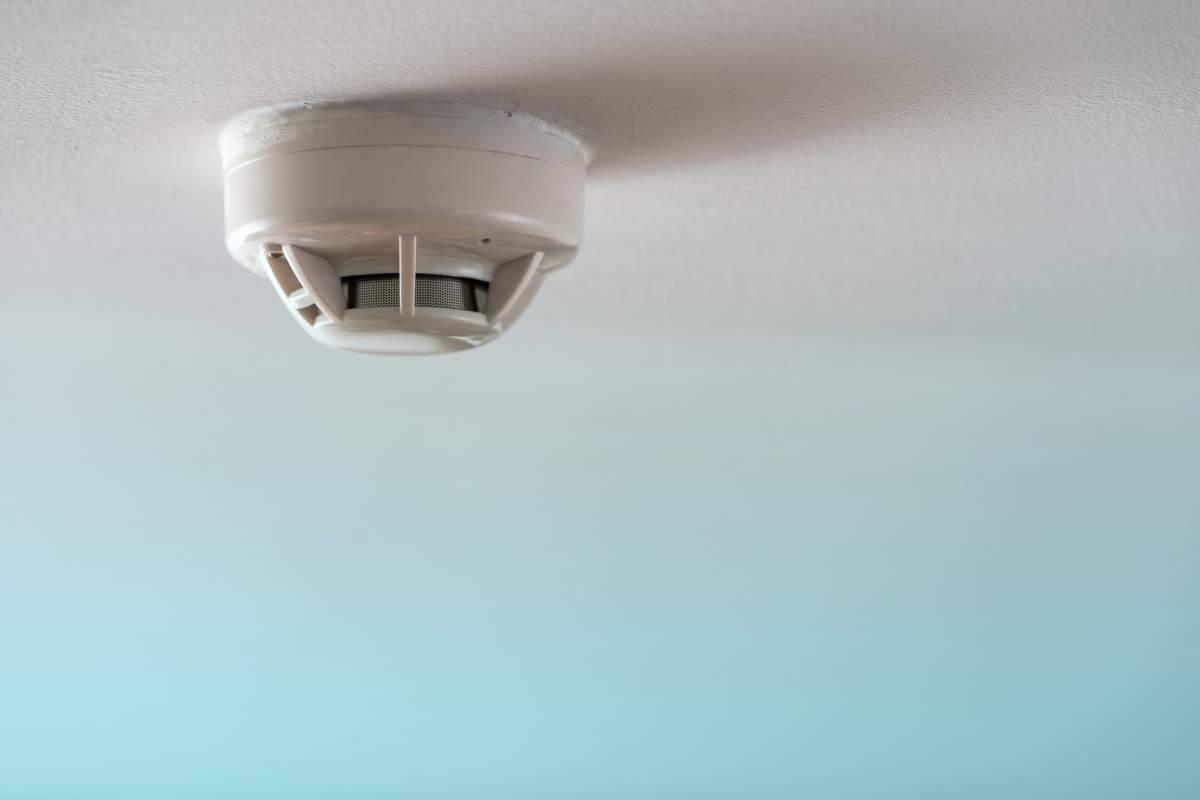
The basic principle of a smoke detector involves measuring airborne particles. When a fire occurs, the smoke rises and enters the detection chamber inside the device, which contains an optical system consisting of a light source and a light sensor. As smoke particles obstruct or scatter the light directed at the light sensor, the intensity of the light reaching the sensor changes. Once this change reaches a predetermined level, the electronic circuit processes it and immediately sends out an alarm signal.
How Many Types of Smoke Detectors Are There?
Smoke detectors or smoke fire alarms can be divided into two main types based on technology and operating principles: Ionization Smoke Detector, which uses ionization technology, and Photoelectric Smoke Detector, which uses optical technology. Each type has its own strengths and limitations, making them suitable for different environments.
Ionization Smoke Detector - A Type of Smoke Sensor
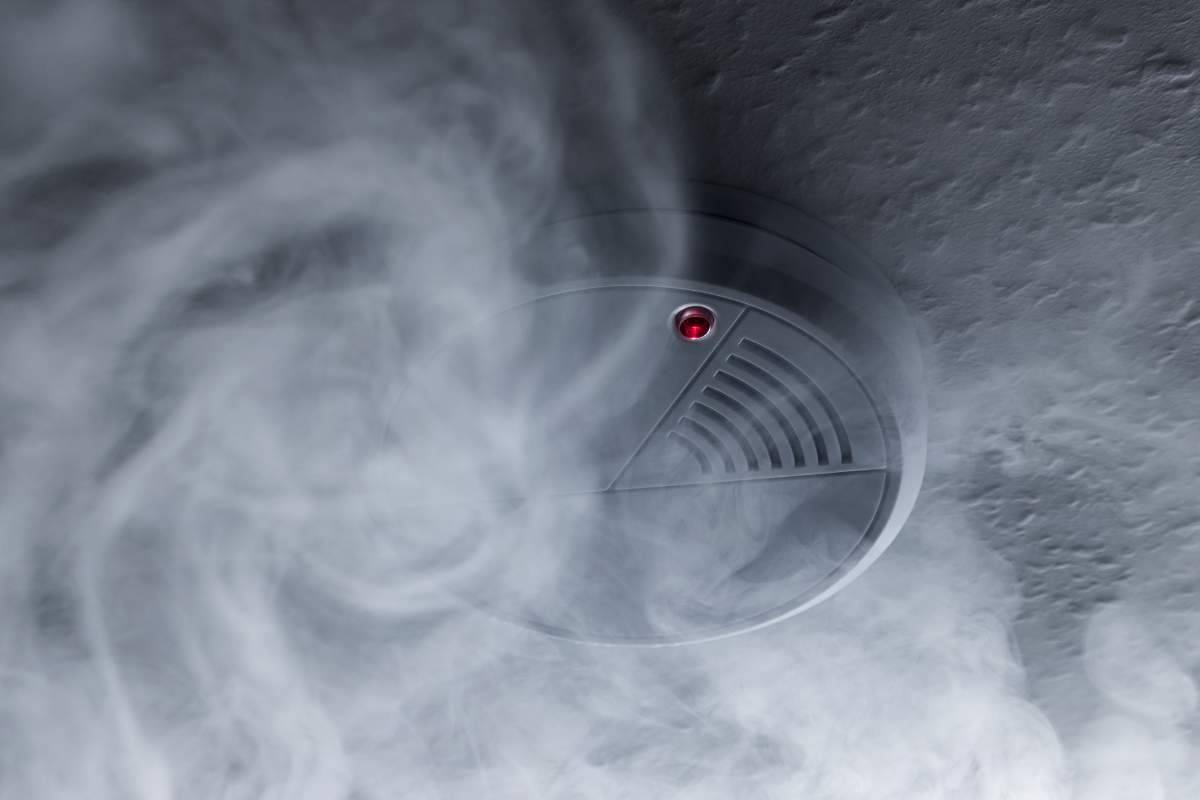
The Ionization Smoke Detector is an equipment that uses electrical and physical principles. It consists of metal plates with different electric poles and a small amount of radioactive material that ionizes the air. When smoke enters the detection chamber, it disrupts the flow of electricity and triggers an alarm signal.
Advantages of Ionization Smoke Detector
This type of sensor has a notable advantage in quickly responding to rapidly spreading fires:
- It can detect smoke particles smaller than 1 micron, making it highly effective at detecting fast and intense fires.
- Suitable for areas with a high risk of fire from easily ignitable materials such as paper, flammable liquids, or other fuels.
- It is cheaper compared to other types of smoke detectors, making it a cost-effective choice for installation in multiple locations.
Limitations of Ionization Smoke Detector
Despite its high efficiency, this type of sensor has some limitations that should be considered:
- It is prone to false alarms in areas with high dust or humidity levels such as kitchens or bathrooms.
- Its effectiveness in detecting slow smoldering fires is lower compared to photoelectric types.
- It contains radioactive material as a component, which although in very small amounts, must be disposed of properly when it reaches the end of its service life.
Photoelectric Smoke Detector - A Light-Based Smoke Detection Sensor
A Photoelectric Smoke Detector is a smoke detection device that uses light principles to detect smoke particles. Inside the unit, there are a light source (LED) and a light receiver (Photosensor) positioned appropriately. When smoke enters the detection chamber, smoke particles scatter the light and hit the light-receiving sensor.
Advantages of Photoelectric Smoke Detector
This type of smoke detector excels in detecting smoldering fires:
- Highly efficient at detecting large particle smoke, starting from 1 micron and above.
- Suitable for detecting smoldering fires or incomplete combustion.
- Has a lower false alarm rate compared to Ionization Smoke Detector.
- Does not use radioactive materials, making it safer for the environment.
- Installation and maintenance are relatively easy.
Limitations of Photoelectric Smoke Detector
Despite its many advantages, this type of smoke detection system has limitations to consider:
- May respond slower in cases of rapidly spreading fires.
- Requires more frequent maintenance and cleaning to prevent dust accumulation on the lens or light receiver.
- More expensive than Ionization models.
- Uses more power than Ionization models, thus requiring battery replacement more often.
How to Use Smoke Detectors
Installing and using modern smoke detectors is quite simple, especially those that can connect to a smart home system via Zigbee or WiFi technology. This allows you to receive alerts and monitor the status of your device even when you're not at home. Just follow these easy steps:
- Insert batteries correctly according to the polarity marked on the device. Typically, smoke detectors require AA or 9V batteries depending on the model, ensuring that the device has enough power for operation and wireless signal transmission.
- Use the pin included with your kit (or if not available, a straightened paper clip) to press into the small Reset hole on the device and hold for about 5 seconds until the status light blinks rapidly. This indicates that the device is ready to connect to the wireless network.
- Download and install the Tuya Smart or Smart Life app from the App Store or Google Play, create a user account, and follow the steps in the app to add your device. Once connected, you can receive alerts on your smartphone immediately when the sensor detects smoke, as well as set up notifications and check battery status remotely.
If interested in Smoke Detectors, you can purchase from SCMA today!
SCMA offers a wide range of high-quality smoke detectors from leading global brands, including ionization, photoelectric, and hybrid models to meet all usage requirements. Whether for residential homes, office buildings, hotels, hospitals, or industrial plants, we also have expert teams ready to advise on selecting the appropriate equipment for your needs. Services are also available, including maintenance, testing, and warranty coverage to ensure that your safety system operates at maximum efficiency.
Summary
Smoke detectors are crucial equipment for fire prevention and reducing potential damage to life and property. They operate differently based on their type, with ionization types suitable for quickly spreading fires, and photoelectric types ideal for slowly smoldering fires that produce a lot of smoke. Choosing the right sensor for specific areas and uses, along with regular maintenance, can greatly enhance fire prevention effectiveness. In this regard, SCMA offers comprehensive fire protection services, from consultation to the sale of high-quality equipment and system maintenance, ensuring maximum safety for you and your organization.
Frequently Asked Questions
What is a Smoke Detector?
A smoke detector is an electronic device designed to detect particles of smoke in the air and issue an alarm when the level of smoke exceeds a predetermined threshold. It enhances safety from fire incidents in homes and workplaces.
How does a Smoke Detector work?
A smoke detector works by detecting particles of smoke that enter the detection chamber of the device. Depending on the type of sensor, ionization sensors measure changes in electrical current when smoke interferes with it, while photoelectric sensors detect light scattering caused by smoke particles entering the detection chamber.
How many types of Smoke Detectors are there?
Smoke detectors or smoke alarms come in two main types: ionization, which is suitable for detecting fast-flaming fires, and photoelectric, which is better suited for smoldering or slow-burning fires. Additionally, there are dual-sensor models that combine both technologies.
What is the purpose of a Smoke Detector?
The primary purpose of a smoke detector is to alert occupants in the early stages of a fire by detecting smoke and issuing an alarm, providing enough time for evacuation or firefighting actions. This helps reduce the risk of loss of life and property from fires.