
Barcode scanners are one of the fundamental technologies driving digital businesses, from small retail stores to large industries. Barcode scanning systems make data management easier, faster, and more accurate. As a leader in measurement tools and automation systems, SCMA would like to present comprehensive information about barcode scanners, including how they work, types, benefits, and usage guidelines across various industries so that you can use them appropriately and understand why this small tool plays a crucial role in data management in the modern world.
What is a Barcode Scanner?
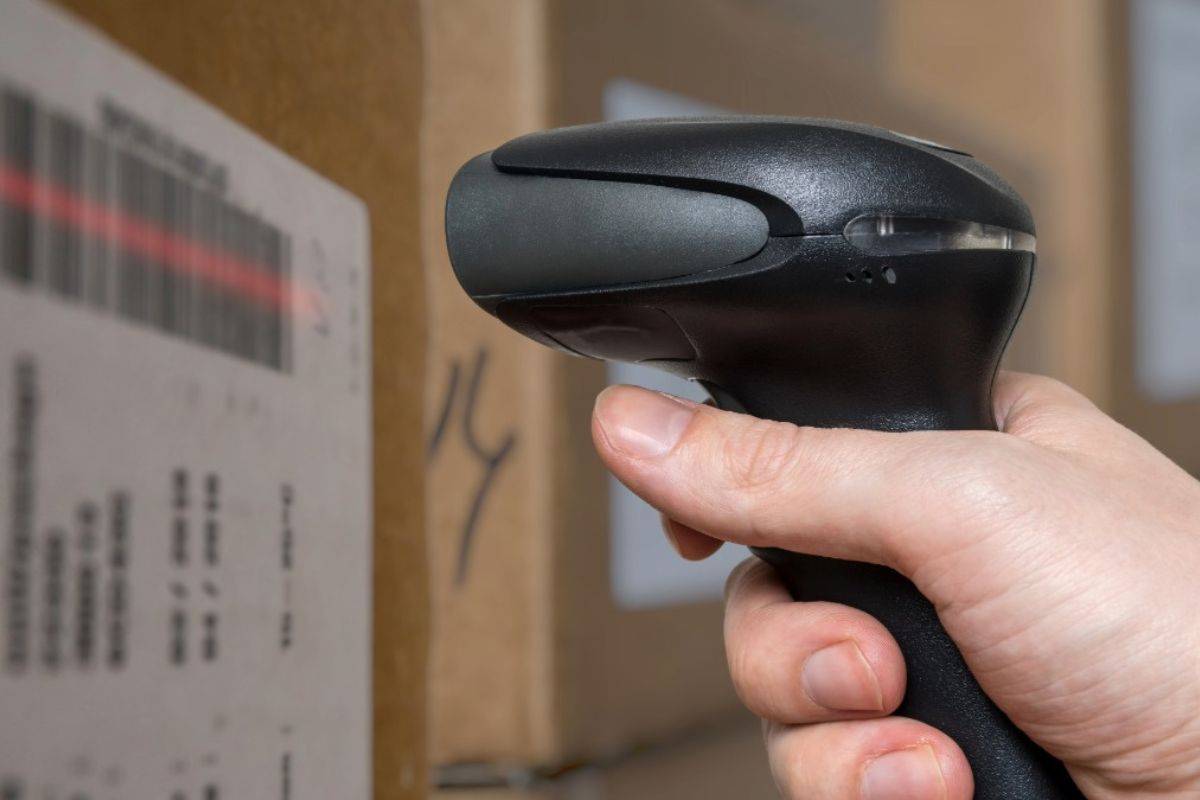
A barcode scanner, commonly known as a Barcode Reader, is an electronic device used to read data from barcodes by analyzing reflected light. It can convert the image of a barcode into numerical or textual data that systems can process. Barcode readers have the capability to read both one-dimensional (1D) and two-dimensional (2D) codes such as QR Codes, meeting diverse industry needs including point-of-sale transactions, warehouses, or production lines. Therefore, barcode scanners serve as an essential intermediary connecting the physical world with digital systems seamlessly.
How does a barcode scanner work?
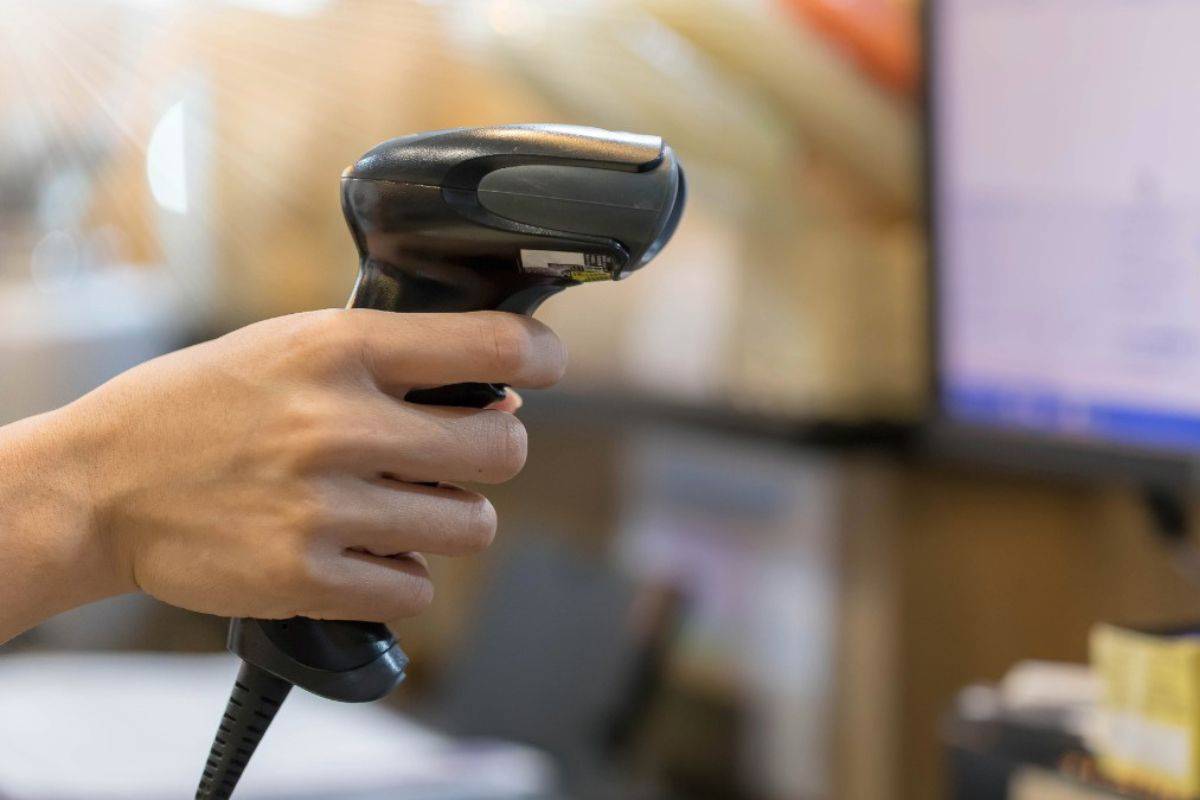
A barcode scanner works by receiving light from the barcode and processing that data into digital information that can be transmitted to a data management system, such as a POS program or inventory software. This process involves several steps including reading, transmitting, and processing data, each of which is supported by different technologies depending on the type of Barcode Scanner and its usage.
Data Reading
The first step is to read the data from the barcode using a light source such as a laser or CMOS image sensor. The reflected light is then analyzed for differences in dark and bright areas caused by the barcode pattern, which converts it into basic information that can be further decoded.
Data Transmission
After decoding, the data is transmitted through various ports such as USB, RS232, Bluetooth or Wi-Fi to a destination system like a computer, POS program, or inventory database. Data transmission must be accurate and fast to achieve maximum efficiency when working with other systems.
Data Processing
The data sent into the system is further processed, such as matching it against product databases, stock adjustments, or generating receipts. The system works automatically upon receiving information from the barcode reader, which helps reduce errors caused by manual input and increases service speed.
Types of Barcode Scanners
Current barcode scanners come in various forms based on their usage scenarios. They can be categorized by reading technology and physical characteristics. Users can select a scanner that suits the environment, frequency of use, and type of barcode to read for optimal performance.
Laser Barcode Scanners
These scanners use laser beams to read one-dimensional barcodes with alternating dark and light stripes. They are ideal for long-distance reading or in varied lighting conditions. Their standout feature is high accuracy even under bright lights, though they cannot read two-dimensional codes.
Digital Barcode Scanners
Also known as Imager Scanners, these use image sensors (CMOS/CCD) to capture barcode images and convert them into data. They are suitable for reading both one-dimensional and two-dimensional barcodes, as well as mobile phone screen barcodes, making them a modern and flexible choice.
Mobile Barcode Scanners
These are portable barcode scanners that typically connect via Bluetooth or Wi-Fi. They are ideal for use in warehouses, logistics, or areas requiring high mobility. Some models can store data internally before uploading it to a system later.
Benefits of Barcode Scanners
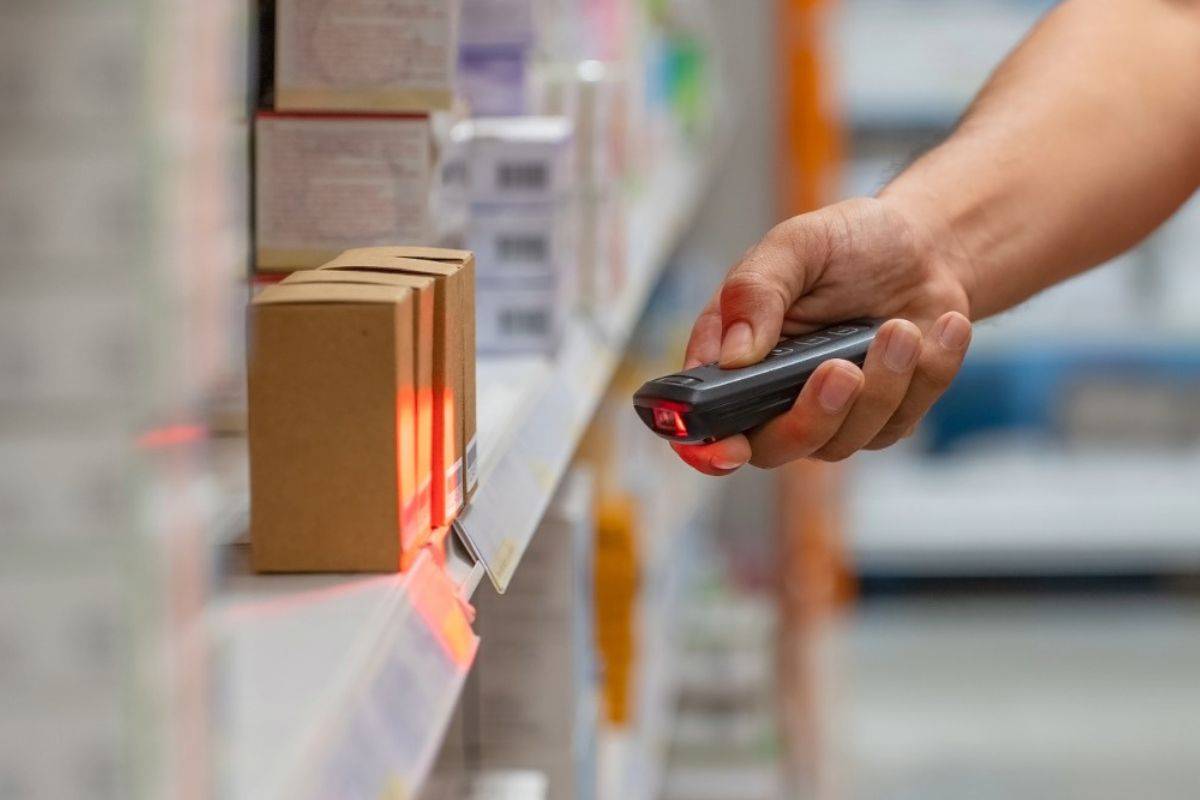
Barcode scanners play a crucial role in many sectors, making work more convenient and accurate. They reduce errors from manual data entry and increase overall operational efficiency.
-
Increase the speed of managing product and service data
-
Reduce errors from human typing or manual entry
-
Lower costs in inventory management
-
Support automated systems and ERP software
-
Easy to use without requiring specialized skills
Applications of Barcode Scanners
Barcode scanners can be used in various ways, from small stores to large factories and are flexible enough to integrate with different systems.
-
POS and cashier systems in retail stores
-
Warehouses and distribution centers
-
Inventory management systems
-
Hospitals and pharmaceutical tracking systems
-
Transportation and logistics work
-
Educational institutions and libraries
Which industrial applications are barcode scanners suitable for?
With the ability to quickly and accurately read data, barcode readers are ideal for various industries that require efficient data management systems.
-
Retail and convenience stores
-
Logistics and transportation
-
Manufacturing and parts industries
-
Healthcare and medical
-
Education and libraries
-
E-commerce businesses and online warehouses
Why are barcode scanners important?
In a world where data must be accurate and timely, using a barcode scanning system to assist in workflow processes is essential. Barcode readers not only increase speed but also elevate data management standards, reduce redundant workloads, and enhance transparency in verification processes. Whether it's a small or large organization, having a good barcode system has become indispensable.
If you want to purchase a barcode scanner, SCMA is ready to serve you today!
SCMA is ready to provide high-quality barcode scanners with comprehensive installation and consultation services. Our team specializes in automation systems and software integration, ensuring that the equipment you receive will meet your business needs in every aspect. We offer services ranging from equipment selection, installation, training, to system maintenance to ensure continuous optimal performance for your use.
Summary
A barcode scanner is a technology that is crucial for data management in the digital age. With its precise and fast performance, it suits various industries and can be adapted to many different forms. If you are looking for a reliable solution, SCMA is ready to be your technological partner, meeting all of your needs with comprehensive services and professional teams.
Frequently Asked Questions
What is a barcode scanner?
A barcode scanner is an equipment used to read text from barcodes or QR codes by shining light or taking pictures to convert the data on labels into digital format and send it into a system for data management, such as POS systems or inventory.
What can a barcode scanner be used for?
Barcode scanners can be adapted for various types of work, including:
-
Managing product data in point-of-sale systems
-
Checking inventory levels in warehouses
-
Using in hospitals to track medical supplies
-
Checking parcels in transportation systems
-
Managing student/member data in educational institutions
How many types of barcode scanners are there?
Types of scanners can be selected based on the nature of use, as follows:
-
Laser Barcode Scanner
-
Image-based (Digital) Scanners
-
Wireless handheld scanners
-
Fixed-mounted readers (Fixed Scanner)
-
Barcode readers from mobile device screens
What are the benefits of barcode scanners?
The main advantages of barcode scanners include:
-
Reducing errors from manual data entry
-
Increasing work speed and product verification
-
Supporting integration with ERP or POS systems
-
Reducing management costs
-
Increasing transparency in internal control processes