The Vibration Meter from SCMA is a device used to measure vibration, which is a common issue in industrial machinery and equipment. Proper monitoring and addressing of vibration problems can prevent damage and extend the lifespan of machines. SCMA's service will help you professionally inspect and maintain your machinery.
What is a Vibration Meter?

A Vibration Meter is a device used to measure the vibration of machinery or components by measuring the movement of objects relative to a reference point. The Vibration Meter can measure various values such as displacement, velocity, and acceleration. This data helps users assess the operational condition of machines and plan maintenance appropriately.
How does a Vibration Meter work?
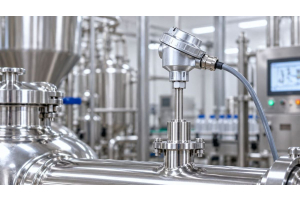
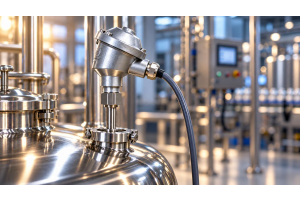
A Vibration Meter has primary components including a vibration signal receiver called a Vibration Sensor or Vibration Probe, which converts vibrations into electrical signals or voltage values and sends the data to the central processing unit. The results are then displayed on the meter's screen. Some models may have data logging functions for later analysis.
Why is measuring vibration important?
Measuring vibration is crucial in the industrial sector because excessive vibration can have negative effects on machinery, causing damage, premature wear and tear, or even posing safety risks. Regularly checking vibrations with Vibration Testers helps to identify issues early and establish preventive maintenance plans, which reduces repair costs, minimizes downtime losses, and extends equipment lifespan.
What are the types of vibration meters?
Vibration meters are analytical tools used to inspect and identify issues with industrial machinery through measuring the level of vibration in those machines. Currently, there are various types of vibration meters available on the market, each type having specific features suitable for different applications as follows:
1. Portable Vibration Meters
This type of meter is compact and lightweight, making it convenient to carry around and use for quick measurements during periodic inspections or when machinery malfunctions occur. Some models come with wireless sensors that make data collection easier, and they have clear display screens.
2. Multi-channel Vibration Analyzers
These vibration analyzers can connect to more than one sensor, allowing them to collect vibration data from multiple points on a machine simultaneously. This is particularly useful for analyzing complex machinery structures. These tools have numerous advanced functions such as spectrum analysis and shaft balancing, commonly used in factories and high-precision work.
3. Online Vibration Monitoring Systems
Online vibration monitoring systems operate continuously 24/7 using permanently installed sensors on critical machinery, enabling continuous real-time data collection and analysis of vibrations. When abnormalities are detected, the system automatically alerts maintenance personnel, reducing risks of machine damage and production downtime. Online systems are ideal for high-importance machines that require close monitoring.
When selecting a vibration meter, important factors to consider include the type and size of machinery, budget, usage patterns, and features such as measurement frequency range, sensitivity, and data analysis capabilities. Consulting with experts or suppliers can help you choose the most suitable measuring tool that meets your needs.
Benefits of a Vibration Meter
A vibration meter is useful for checking the condition of machinery and equipment. By measuring vibrations, it can indicate various abnormalities such as:
- Wear or deterioration of parts like bearings, shafts, gears
- Imbalance in rotating components
- Looseness of parts or mounting bases
- Misalignment of shafts
- Insufficient lubrication issues
Vibration data from a vibration meter helps maintenance personnel analyze the causes of problems and plan appropriate corrective actions, which can enhance production efficiency, reduce downtime losses, extend equipment lifespan, and save long-term costs.
How to Use a Vibration Meter
Using a vibration meter involves the following main steps:
- Check and prepare the Vibration Probe to ensure it is clean and ready for use
- Choose the measurement location, typically near rotating parts or at points of maximum load
- Install the Vibration Sensor securely to the desired measurement point for clear signal reception
- Set up the Vibration Analysis Meter according to the measurement range and required units
- Turn on the device and start measuring, record results if necessary
- Clean the equipment and store it properly for future use
Additionally, users should regularly calibrate Vibration Meters to ensure the accuracy of measurement results.
Who is a Vibration Meter Suitable For?
A vibration meter (Vibration Meter) is suitable for those working in industries related to machinery and equipment that experience vibrations, such as
- Engineers or technicians responsible for maintenance work
- Inspectors or evaluators of machinery condition
- Those working on quality control tasks
- Designers or developers of products that need to consider vibration resistance
Using the appropriate vibration measurement equipment will enhance work efficiency, prevent problems, reduce losses, and ensure worker safety.
How to Choose a Vibration Meter?
When choosing the appropriate Vibration Meter, the following factors should be considered:
- Purpose of use: Consider whether it is for general inspection or detailed data analysis for predictive maintenance (Predictive Maintenance)
- Characteristics of the machinery or equipment to be measured, such as frequency range, vibration level, and working environment, in order to select an appropriate type of Vibration Sensor
- Industry-specific standards or requirements, such as ISO, ANSI, for reference during inspection
- Features of the vibration meter, such as selectable measurement units, ability to connect with a computer for processing, or built-in memory
- Budget and cost-effectiveness of investment
Before deciding to purchase a Vibration Meter, it is advisable to study information from manufacturers or experts to obtain the most suitable equipment for your needs and maximize its utility.
If you are interested in purchasing a vibration meter, SCMA is now available!
As the leader in industrial measurement tools, SCMA offers high-quality vibration meters (Vibration Meter) with a variety of options. We provide consultation on selection, installation, and maintenance to ensure customers can use them confidently and efficiently. Additionally, SCMA offers calibration services for Vibration Meters by our team of expert engineers to guarantee the accuracy and reliability of measurement results.
If you have needs related to vibration measuring and testing equipment, whether it's purchasing, installation, troubleshooting, or calibration, SCMA is ready to assist you immediately. Our professional team is here to serve you, enhancing efficiency, reducing costs, and ensuring safety for your business.
Summary
A vibration meter is a crucial tool for inspecting the condition and maintaining machinery in industrial settings. It relies on measuring the amount of vibration to indicate abnormalities or wear and tear of various components. If detected and corrected promptly, it can prevent damage, reduce losses from machine downtime, and extend the lifespan of equipment.
Selecting an appropriate vibration meter for your specific needs, using it correctly, and regularly calibrating it will maximize its benefits. SCMA offers comprehensive consultation and services for vibration meters to meet the requirements of every business. If you want to improve efficiency, reduce risks, and maintain machinery appropriately, investing in a Vibration Meter from SCMA is definitely worthwhile.
Frequently Asked Questions
How many types of vibration sensors are there?
There are several types of vibration sensors, depending on the application. The most common ones include:
- Piezoelectric Accelerometer - Suitable for measuring acceleration
- Velocity Transducer - Suitable for measuring velocity
- Proximity Probe - Suitable for measuring displacement
- MEMS Accelerometer - Suitable for measuring acceleration in small devices
How does a vibration meter work?
A vibration meter works by using a vibration sensor to detect the vibrations of an object and convert them into electrical signals. The data is then processed to display the desired measurement values, such as displacement, velocity, acceleration, or frequency. This depends on the type of sensor used and the settings of the selected Vibration Analysis Meter. These data are analyzed to assess the condition of machinery and plan maintenance accordingly.
What is a vibration sensor?
A vibration sensor (Vibration Sensor) is an instrument used to measure the movement of objects when they vibrate. It converts mechanical energy from vibrations into electrical signals for further analysis. Vibration sensors are typically installed near parts that need to be monitored. Choosing the right type of vibration sensor is crucial for obtaining accurate measurement data, leading to correct and efficient problem analysis.
What causes vibrations?
Vibration in industrial machinery can be caused by several factors, such as:
- Imbalance of rotating parts like blades, wheels, shafts
- Misalignment during assembly causing vibration when in operation
- Loose or broken parts, such as loose screws or inadequate fastening
- Issues with lubrication systems or hydraulic systems, such as contamination by dust or air bubbles
- Unstable installation of the machinery, such as on soft ground without proper leveling
- Structural deformation due to impact or temperature changes
To identify the cause of abnormal vibration, it is necessary to analyze frequency patterns and vibration direction in conjunction with the operational characteristics of the machinery to address the issue accurately and prevent recurrence in the future.