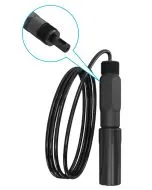
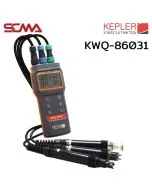
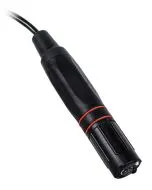
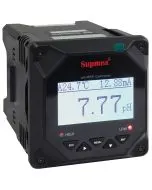
Water quality meters from SCMA are measuring tools that help assess the characteristics of water, whether chemical, physical, or biological, to determine if it meets appropriate standards for use. In this article, we will introduce you to water quality meters, study their working principles, usage methods, and the importance of water quality testing, along with recommendingservices from SCMA that provide consultation and sales of high-quality water quality meters.
What is a Water Quality Meter?

A water quality meter is a measuring tool used to analyze various aspects of water conditions, such as pH levels, total dissolved solids (TDS), electrical conductivity, turbidity, color, odor, taste, oxygen content, hardness, heavy metals, and chemical contaminants. This helps determine the quality of the water and whether it is suitable for use. The units are typically milligrams per liter (mg/L) or parts per million (ppm).
How does a Water Quality Meter work?
Water Quality Meter comes in various types, and its operation depends on the parameters being measured such as pH, DO (Dissolved Oxygen), EC (Electrical Conductivity), ORP (Oxidation-Reduction Potential), temperature, etc.
Sensor
- Uses specific sensors for each parameter such as:
- pH sensor: Measures the voltage difference between a standard electrode and a measuring electrode (based on H⁺ concentration in the solution)
- DO sensor: Measures dissolved oxygen levels by using membrane permeation followed by detection with an electrode or optical (light) method
- EC sensor: Sends electrical current through the water and measures conductivity to assess ion concentration in the water
- ORP sensor: Measures redox potential indicating oxidation or reduction reaction capability of the water
- Temperature sensor: Typically a thermistor or RTD (Resistance Temperature Detector) type temperature meter
Transducer/Transmitter
- Converts the electrical signal from the sensor into a readable format such as 4–20 mA current, digital signals or voltage
- Display
- Shows the measured values such as pH 7.05, EC 500 µS/cm, etc. Some devices can store data or transmit it wirelessly.
- Optional Features
- Automatic Temperature Compensation (ATC)
- Data Logging
- Connects to control systems (such as PLC) or sends data to cloud systems.
How to Use a Water Quality Meter

- Prepare the water quality meter and equipment, calibration may be required to meet standards
- Collect a water sample in a clean container
- Test the water by immersing the meter's sensing head into it
- Wait until the reading stabilizes, then record the measurement results
- Clean the equipment with distilled water and store it in a dry and clean place
Each meter may have slightly different usage steps, so study the manual and practice before actual use.
How to Measure Water Quality
Measuring water quality can be done in several ways, depending on the parameters you want to test such as:
- Measure pH with pH Meter
- Measure dissolved solids with TDS Meter Tester
- Measure turbidity with a Turbidity Meter
- Measure electrical conductivity with an EC Meter
- Measure dissolved oxygen with a DO meter
- Test hardness with a Hardness Tester
For heavy metal, chemical and microbial analysis, more precise and detailed laboratory analysis is required.
Why Use a Water Quality Meter?

Measuring water quality is crucial for monitoring and controlling the safety, hygiene, and suitability of water for consumption or use. Using a water quality meter offers several benefits, such as:
- Preventing illness from consuming contaminated water
- Controlling the quality of drinking and process water in manufacturing industries
- Ensuring the safety of natural water sources such as lakes, rivers, and streams
- Monitoring the cleanliness and usability of tap water
- Managing wastewater treatment systems efficiently to minimize environmental impact
Who is Suitable for Water Quality Meters?
Water quality meters, such as TDS meters or other water measurement devices, are suitable for individuals or organizations involved in water quality management, including:
- Industrial plants that need to control wastewater treatment and monitor contaminants in the water
- Hotels, restaurants that must maintain cleanliness and safety of food and beverages
- Water utilities that need to check the quality of tap water to meet standards
- Scientists, researchers who must study the conditions of various water sources
- Aquarium owners who need to control the quality of water in their tanks
- General individuals concerned about health, wanting to know if they are consuming clean and safe water
If you are interested in water quality meters, SCMA is now available for purchase!
SCMA Company is a high-quality water meter supplier, providing consultation on selecting the right tools to suit your needs. Whether it's pH water testers or other equipment, we have knowledgeable staff ready to offer advice. Additionally, SCMA offers installation, inspection, and after-sales service to ensure customers can useTDS Meter Tester or other water quality testing equipment efficiently.
Summary
Water quality meters are crucial tools for monitoring and ensuring the safety of drinking and usage water by measuring electrical conductivity or resistance to analyze water conditions and detect contaminant levels. If you need to purchase high-quality water testers or seek expert advice, contact SCMA from today onwards. The company is ready to assist every step of the way, ensuring everyone uses truly clean and safe water.
Frequently Asked Questions
What is a TDS Meter (Total Dissolved Solids Meter)?
A TDS meter, or Total Dissolved Solids meter, is a tool used to measure the amount of dissolved solids in water. The principle behind it involves measuring the electrical conductivity of the water; if there are more dissolved solids present, the electrical conductivity will be higher.
What is a Water Quality Tester?
A water quality tester is an instrument used to test various properties of water such as pH value (acid-base), Total Dissolved Solids (TDS), electrical conductivity, turbidity, color, smell, taste, and dissolved oxygen (DO). It can quickly assess the quality of water.
What are some tools for measuring water quality?
Important water testing equipment includes:
- pH meter or pH tester for measuring the acidity and alkalinity of water
- TDS meter or TDS tester for measuring dissolved solids in water
- Electrical Conductivity (EC) Meter/Conductivity Meter
- Turbidity meter for measuring water turbidity
- Dissolved Oxygen (DO) Meter
What is a Water Quality Sensor?
A water quality sensor is used in automatic water quality monitoring systems. It can measure parameters such as pH, TDS, EC, DO and transmit real-time data for processing and alerts. Suitable for installation to monitor the quality of water in drinking water production systems, wastewater treatment plants, farm reservoirs, etc.
If you have any questions about measuring tools or methods for assessing water quality, please contact SCMA, experts in industrial measurement technology. They are ready to provide consultation on selecting the appropriate water quality tester for your needs.