

In steam-based manufacturing industries, accurately measuring and controlling the amount of steam used is crucial for increasing efficiency and managing costs. This article will introduce you to Steam Flow Meter or a steam flow measurement device in detail, from its definition, various working principles, to a checklist for selecting the right one to help you manage energy in your factory as efficiently as possible. If you need a solution specifically designed for your plant, you can directly consult SCMA's expert advisory service.
What is a Steam Flow Meter?
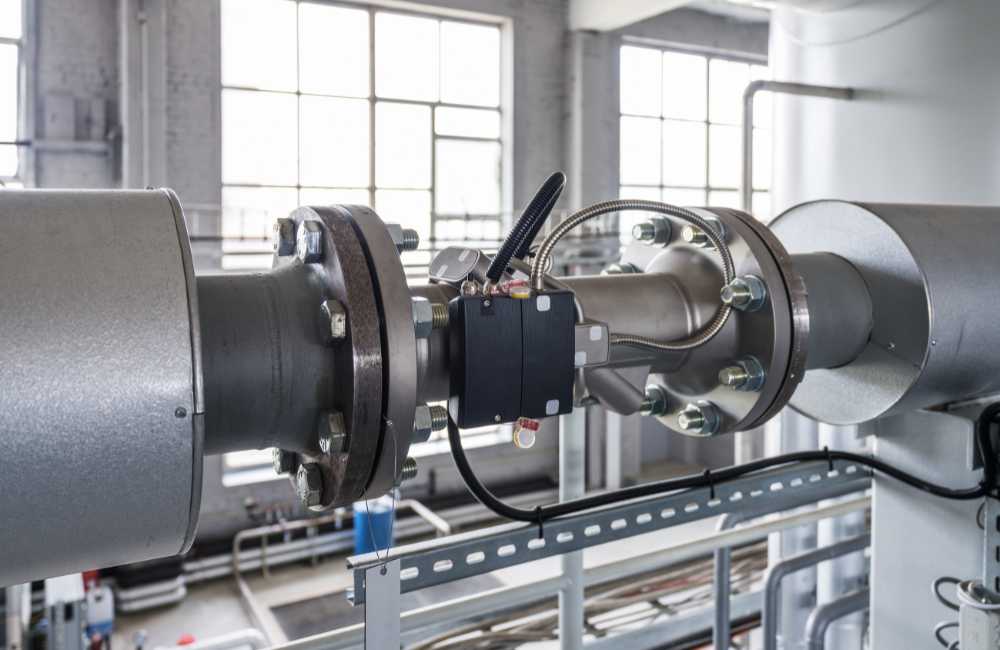
A Steam Flow Meter or steam flow measurement device is a type of flow meter specifically designed to measure the volume or mass of steam flowing through pipes over time. Measuring steam is more complex than measuring ordinary liquids due to steam's physical properties, such as high temperature and pressure that can change at any moment, directly affecting density and measurement accuracy. Therefore, this type of flow measurement device is extremely important for process control, energy efficiency improvement, and cost management in industrial plants.
How Various Types of Steam Flow Meters Work
Steam flow meters come in several types, each with different operating principles to suit various usage conditions and environments. Understanding these principles helps engineers and plant managers select the right flow meter accurately.
Vortex Flow Meter Operating Principle for Measuring Steam
The vortex flow meter is highly popular for measuring steam due to its lack of moving parts, making it durable with minimal maintenance required. The principle works as follows: when steam flows through a bluff body installed inside the meter, alternating vortices are generated. The frequency of these vortices varies directly with the velocity of the steam flow, which is detected by sensors and used to calculate the flow rate.
Differential Pressure Flow Meter Operating Principle for Measuring Steam
The differential pressure (DP) flow meter is a widely used and reliable technology that relies on the principle that when steam flows through a narrowed cross-sectional area, its velocity increases while pressure decreases. The difference in pressure before and after this constriction point is then measured to calculate the flow rate. Commonly used differential pressure generating devices include:
- Orifice Plate: A metal plate with a central hole to restrict steam flow, creating a pressure drop. This simple and standard method is widely adopted in industries.
- Annubar: A probe-type sensor inserted into the pipe with multiple pressure sensing points both upstream and downstream for averaging pressure readings, providing accurate measurements even under non-uniform flow conditions.
- V-Cone: Uses a cone-shaped object placed centrally within the pipe to create a differential pressure. Its advantage lies in requiring shorter straight pipe lengths compared to other methods and having lower pressure loss.
This type of steam flow meter uses a rotor installed along the axis of flow direction. As steam passes through, the rotor spins at a speed proportional to the steam's flow rate. Sensors detect the rotational speed and convert it into an electrical signal representing the flow rate. Suitable for measuring saturated steam in medium and small-sized plants.
Target Flow Meter Operating Principle
The target flow meter features a circular plate (target) mounted centrally within the pipe. When steam impacts this plate, force is exerted on it directly proportional to the steam's flow rate. The device measures this force and calculates the flow rate accordingly. Suitable for measuring high-temperature and high-pressure flows or those with contaminants.
Why is a Steam Flow Meter Important?
Steam is an energy source and a crucial component in the production processes of many industries. However, due to continuously rising energy costs, managing steam usage efficiently is no longer optional but essential for business survival. A Steam Flow Meter plays a significant role for these reasons:
- Cost Control: It helps determine the actual amount of steam used by each department or process, allowing precise calculation of costs and identification of areas where energy is wasted.
- Process Optimization: Accurate flow rate data enables engineers to adjust machine settings and control production conditions optimally, resulting in consistent product quality and reduced waste.
- Boiler Efficiency Evaluation: Measuring the amount of steam produced relative to fuel consumption directly indicates boiler efficiency, aiding in preventive maintenance planning.
- Safety: Detecting abnormal flow rates can serve as an early warning signal for leaks or pipeline issues, preventing danger and severe damage.

How Should You Choose a Steam Flow Meter?
Selecting the right Steam Flow Meter is an extremely important step, as it directly affects the accuracy and reliability of data. Based on SCMA's engineering team experience, factors to consider include:
- Type of Steam: It must be clearly specified whether it is saturated steam or superheated steam, due to their different properties and potential need for temperature and pressure compensation.
- Flow Range: Choose a meter with a turndown ratio that covers the lowest and highest flow rates of actual production processes to ensure accurate measurement in all operating conditions.
- Pipe Parameters: Knowing pipe size, maximum operating temperature, and pressure is necessary to select meter models and materials capable of enduring such conditions.
- Installation Conditions: Check straight-run requirements both upstream and downstream of the meter, as well as environmental factors like pipeline vibration and installation space.
- Accuracy Requirements: Applications for energy trading (custody transfer) require higher accuracy than those for internal process control.
- Maintenance: Consider selecting models with no moving parts, such as Vortex Flow Meter, to reduce long-term maintenance frequency and costs.
If You Are Looking for High-Quality Flow Meters, Think SCMA!
Investing in a Steam Flow Meter is not just about buying equipment; it's an investment in the accuracy and efficiency of your plant. Using low-quality flow measurement tools may provide inaccurate data leading to flawed decisions and business damage. Based on SCMA’s engineering team experience, we understand that selecting the right Flow Meter requires expertise and comprehensive analysis. As a "technical expert partner," SCMA does not just sell products but provides tailored solutions designed specifically to solve your problems.
Summary
A Steam Flow Meter, or a steam flow measuring instrument, is an essential tool for industries aiming to enhance production efficiency and control energy costs. Understanding the working principles of each type and carefully considering selection factors will help you choose the most suitable and accurate equipment. Investing in high-quality flow measurement tools and selecting knowledgeable partners is crucial for long-term success. If you need further consultation on selection, installation, or calibration of steam flow measuring instruments, SCMA's team of expert engineers is ready to support you in finding the best solutions.

Frequently Asked Questions
What is a Flow Meter?
A Flow Meter is a measuring instrument used to measure the rate of fluid flow, which can be liquid, gas, or steam moving through pipes or containers. It can display results in volumetric flow rates (such as liters per minute) or mass flow rates (such as kilograms per hour).
How does a Flow Meter work?
The working principle of a Flow Meter varies depending on the type of meter and fluid being measured, such as differential pressure measurement, vortex frequency measurement, ultrasonic wave usage, or electromagnetic induction for conductive fluids.
What is a Steam Flow Meter?
A Steam Flow Meter is a specialized flow meter designed to withstand high temperature and pressure conditions of steam. It accurately measures the rate of steam flow while compensating for changes in pressure and temperature to provide accurate readings.
What types of Steam Flow Meters are there?
The commonly used types of Steam Flow Meters in industries include differential pressure flow meters (such as orifice, Annubar, and V-Cone), vortex flow meters, turbine flow meters, and target flow meters. Each type has its own advantages and limitations.




