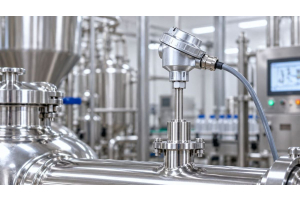
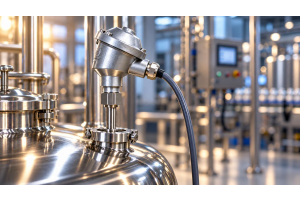
pH Electrode is a crucial tool for measuring acidity levels, but did you know that using an unsuitable one can lead to measurement errors of up to 30%? This article will introduce you in detail to pH probes so that you understand the importance of pH electrodes and how to use pH meters effectively. It also includes tips on maintaining your pH Meter Electrode for a longer lifespan.
What is a pH Electrode?

A pH electrode, or pH probe, is an electrochemical sensor used to measure the acidity level of a solution by converting hydrogen ion activity into readable electrical signals. The pH probe is a key component of a pH meter that allows for accurate pH measurement. The measuring tip detects the concentration of H+ ions in the solution and converts it into a pH value ranging from 0-14, making the pH electrode an indispensable tool in laboratories, food industry, water treatment, and agriculture. Modern pH Meter Electrodes are much more precise and user-friendly than their predecessors.
How Does a pH Electrode Work?
A pH electrode operates based on potentiometry principles, which measure the voltage difference between measuring electrodes and reference electrodes. The pH probe has a special thin glass membrane that is sensitive to hydrogen ions. When the pH Probe is immersed in a solution, a gel layer forms on both sides of the glass membrane, allowing H+ ions to move through the gel layer according to different concentrations, creating an electrical potential proportional to the pH value. The measuring tip sends signals to the pH meter for conversion into readable values. The pH electrode is the most critical part of pH measurement as it directly detects changes, and high-quality pH Meter Electrodes provide accurate and stable measurements.
What is the pH Electrode in a pH Meter?
The pH Electrode is the main component of a pH meter that functions as a sensor to detect hydrogen ions in solutions. The pH probe consists of two primary parts: a glass electrode sensitive to pH values and a reference electrode providing a constant electrical potential. When the pH Probe is immersed in a solution, both electrodes work like a battery generating an electromotive force of 59.2 millivolts per one unit of pH at 25°C. The pH probe sends this signal to the pH meter for processing and displaying the pH value on the screen, making the pH Electrode crucial for accurate pH measurement. A good pH Meter Electrode must have fast response and stability.
What Types of pH Electrodes Are There?
pH electrodes come in various types designed for specific applications, categorized by the characteristics of the sensor and the shape of the pH probe that suits different solutions or materials. Choosing an appropriate pH probe is crucial to ensure accurate measurements, as each type of pH electrode has its own strengths and limitations which users must understand.
1. Glass pH Electrode
The glass pH electrode is the most commonly used standard pH probe, featuring a spherical glass bulb at the sensor tip that is suitable for measuring pH in general liquids such as water or solutions. This type of pH probe offers high accuracy and quick response time; the pH sensing head is made from special glass sensitive to hydrogen ions, while the body of the pH electrode can be epoxy or glass depending on the model. Most pH meters use this type because it is easy to use and relatively inexpensive.
2. Spear Tip Type pH Electrode
The spear tip pH electrode is a probe with a sharp-pointed design, intended for piercing semi-solid materials such as meat, cheese, jam, cream, or soil. This type of pH probe can directly penetrate samples to measure internal values accurately, making it an excellent choice for the food industry and quality control laboratories that use this type of pH meter electrode.
3. Flat pH Electrode
The flat pH electrode is a probe with a flat sensing head suitable for measuring pH on flat surfaces or materials with low moisture content such as gel, skin, paper, or soil. This type of pH probe makes full contact with the sample, ensuring accurate measurements; it is easy to clean and does not damage samples, making it an ideal choice for research and cosmetics industries where quality control checks are performed using this type of pH meter electrode.
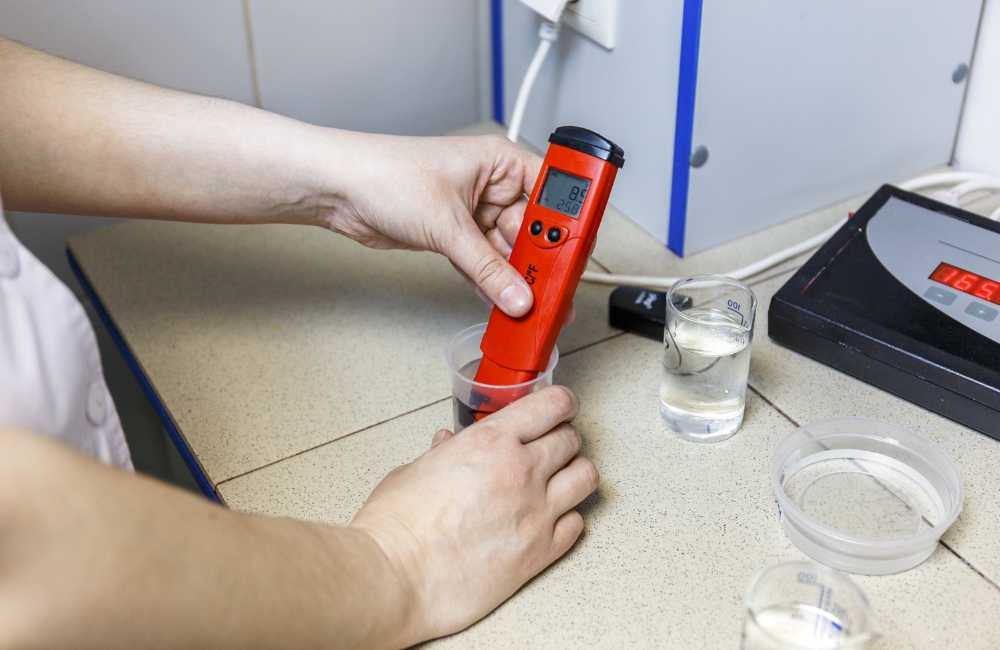
Why is pH Value Important?
The pH value is crucial for chemical and biological processes as it determines the solubility of substances, nutrient absorption, and the survival of living organisms. The pH electrode is a vital tool that helps us measure and control pH values accurately. Using a pH probe allows us to determine how acidic or alkaline water is, which aids in water quality monitoring, production process control, and maintaining ecological balance. Additionally, pH probes play a significant role in industries such as food, pharmaceuticals, and agriculture where strict pH value control is required. Therefore, the pH electrode is an indispensable tool, and a pH meter with high-quality pH meter electrodes will help achieve optimal quality control.
How to Choose the Right pH Probe for Your Needs?
Selecting the appropriate pH electrode is crucial for accurate pH measurement that meets specific usage requirements. Various factors must be considered together, from the location and nature of use to the special features of each type of pH probe. Choosing the right pH probe will save time and costs in the long run.
- Location and Usage - Consider whether a portable or benchtop pH electrode is needed. If field measurements are required, choose a durable and easy-to-use portable pH electrode. However, for laboratory use, benchtop pH meters with separate pH meter electrodes offer higher accuracy.
- Frequency and Lifespan of Use - For frequent usage, opt for pH probes that allow probe replacement as they typically last about 1-2 years. Selecting a pH electrode is a long-term investment; choose one with easily replaceable parts at reasonable prices.
- Temperature Compensation - Temperature significantly affects pH measurement accuracy. Choose a pH probe with automatic temperature compensation (ATC) for precise measurements, as modern pH meters often come equipped with built-in temperature sensors.
- Type of Sample - Select the appropriate pH probe based on the sample characteristics to be measured, such as glass electrodes for liquids, spear tip probes for semi-solid substances, or flat probes for surfaces and solids.
What are the basic features of a pH electrode?
A high-quality pH electrode must have important basic characteristics to ensure accurate and reliable pH measurements. Modern pH probes have been developed with functions that meet diverse usage requirements, and a good pH probe should have the following features:
- Temperature Compensation - A good pH measuring head must have an ATC system to adjust measurement values automatically according to temperature changes because the pH electrode is sensitive to temperature, allowing the pH meter to display accurate readings even when temperatures fluctuate.
- Built-in Temperature Sensing - pH Meter Electrodes with built-in temperature sensors are convenient for use without needing a separate temperature probe, making measurements faster and more precise.
- Waterproof Design - A pH probe with an IP65 or higher waterproof standard can be used underwater or in high-humidity environments, making the pH measuring head durable and usable in all weather conditions.
- FDA/NSF Food-Grade Materials - For the food industry, a pH electrode must be made from FDA or NSF certified food-grade materials to ensure safety when coming into contact with food.
Proper Maintenance of pH Electrodes!
Correct maintenance of a pH electrode is crucial to ensure that the pH probe has a long service life and provides accurate measurements at all times. Good maintenance includes checking, storing, and cleaning, which ensures stable and reliable measurement results when the pH electrode is properly cared for. A pH electrode is a delicate sensor requiring special care, and a pH meter will function well when its pH Meter Electrode is in good condition.
Checking the Condition of the pH Probe
Regularly checking the condition of the pH electrode is necessary to ensure that the pH probe continues to work efficiently. Important methods for inspection include:
- Check response time - A good pH probe should respond within 3 minutes; if it responds slowly, there may be issues at the junction or glass membrane.
- Measure mV value - Use a pH meter to measure the mV value by immersing the pH Meter Electrode in a pH buffer solution of 7. The normal range is between -45 and +45 mV; if it exceeds this range, the pH electrode needs replacement.
- Inspect external condition - Check for cracks or scratches on the glass bulb of the pH probe and inspect the junction to see if it's clogged.
- Test calibration - A good pH probe should calibrate normally. If it cannot be calibrated or has a slope below 85%, replace the pH electrode.
Maintaining the pH Probe
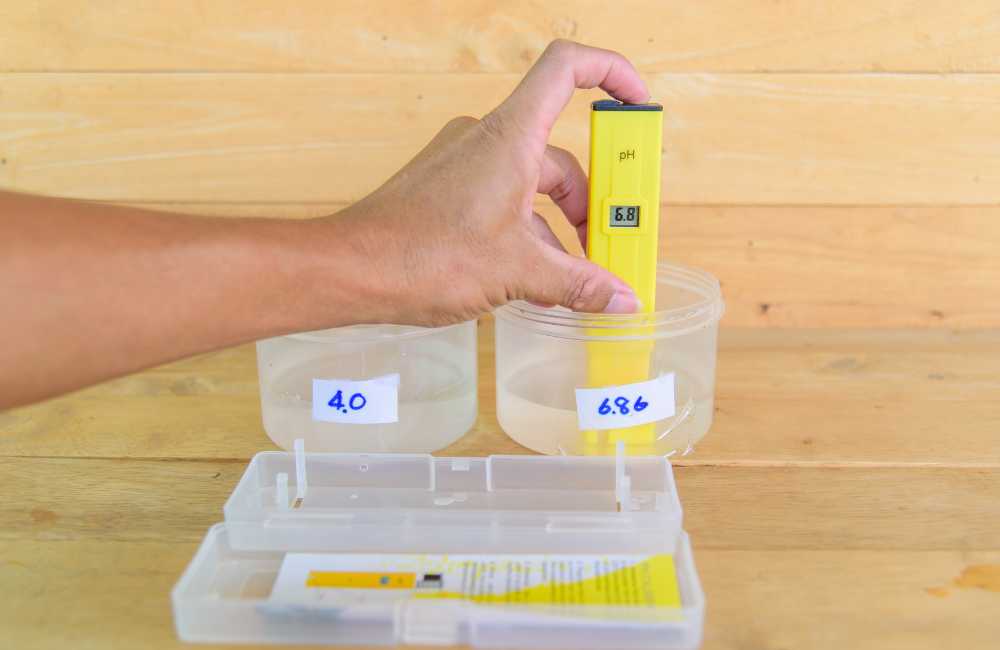
Proper maintenance of the pH electrode helps extend its service life and maintain measurement efficiency. The pH probe must be stored with the glass bulb and junction always moist, never allowed to dry out. It should be kept in a 3M KCl solution or pH storage solution specifically; if unavailable, use pH buffer solution 4 instead, but do not soak the pH electrode in distilled water or DI water under any circumstances as it will accelerate membrane degradation. For pH electrodes that require constant moisture and have a cover on their pH Meter Electrode, drop preservation fluid into the cap to maintain humidity.
Cleaning the pH Probe
Proper cleaning of the pH electrode helps remove contaminants that may interfere with measurements. Cleaning methods for different types of residues include:
- General residue - Rinse the pH probe with clean water and gently wipe it with soft tissue after each use to prevent accumulation.
- Oil residue - Use mild soap with neutral pH to gently wipe the pH electrode, then rinse thoroughly with clean water. Do not use alcohol solutions.
- Salt residue - Soak the pH Electrode in 0.1M HCl for 5-10 minutes and then rinse with clean water or use an electrode cleaner designed for pH meters.
- Protein residue - Use enzyme cleaners or pepsin/HCl solution to soak the pH Meter Electrode for 5 minutes, suitable for pH probes used in food measurement.
- Clogged junction - For pH probes with a large junction, gently scrape it with a toothpick or soak it in warm water at 50°C to dissolve residues.
If you are looking for "high-quality pH Electrode", think of SCMA!
Selecting high-quality pH Electrode is a worthwhile investment for accurate and reliable pH measurement. SCMA specializes in the sale of pH probes from leading global brands, offering consultation on selecting the appropriate pH probe for every application, whether it's laboratory pH sensors, food industry applications, or agriculture. We provide pH Electrodes that are rigorously quality-controlled, along with comprehensive after-sales service, including installation of pH meters, calibration, and maintenance of pH Meter Electrode to ensure your pH measurements remain highly efficient throughout their lifespan.
Summary
pH Electrode is a crucial sensor that allows us to measure acidity-alkalinity accurately. As mentioned above, pH probes have complex mechanisms but are easy to use, with various types available for different applications such as Glass, Spear Tip, and Flat Electrode. Each type of pH probe has its own advantages and disadvantages, so selecting the right pH head requires considering several factors including location of use, frequency of use, and sample type. Additionally, maintaining pH Electrodes is crucial to ensure efficient operation of pH meters; this involves checking their condition, storing them in appropriate solutions, and cleaning them properly. Investing in high-quality pH Meter Electrode from SCMA will give you confidence that your pH measurements are accurate and reliable, along with comprehensive support from our expert team at every step of the way.
Frequently Asked Questions
What is a pH electrode?
A pH Electrode is an electrochemical sensor used to measure the acidity or alkalinity of solutions. The pH probe detects hydrogen ions and converts them into electrical signals that can be read by a pH meter, making it a crucial component for accurate pH measurement. A good pH probe provides stable and reliable readings, with various types of pH Meter Electrodes available depending on specific applications.
How does a pH meter work?
A pH meter operates by using the pH electrode to measure the electrical potential difference between the measuring electrode and the reference electrode. When the pH probe is immersed in a solution, the glass membrane of the pH probe responds to hydrogen ions, generating an electric potential that varies with the pH value. The pH probe sends signals to the meter for conversion into readable values, making the pH Electrode the most critical component. High-quality pH Meter Electrodes ensure accurate measurements.
What is a pH controller?
A pH controller is an automatic control system equipped with a pH meter that can set target pH levels and command other devices when readings deviate from these settings, using the pH electrode for measurement. The pH probe sends signals to the control system, such as activating chemical pumps to adjust pH values. A stable pH probe and durable pH Meter Electrode are essential for continuous operation, with the pH Electrode being a crucial part of the entire control system.
What should a pH meter be stored in?
A pH electrode should be stored in 3M KCl solution or specific pH storage solution to maintain moisture in the glass membrane and junction. The pH probe must not dry out as it can deteriorate quickly; if no storage solution is available, a temporary substitute could be a pH buffer at pH 4, but never store the pH probe in distilled water (DI) because this can easily damage the pH Electrode. For pH Meter Electrodes with caps, regularly add storage solution to maintain moisture.