When the door or cover is an access point to hazardous parts, the Safety Door Switch helps the control system detect the status of the guard and command the machine to enter a safe condition. This article explains the operating principle, selection with or without locking, and what to check together with the machine's control system.

What is a Safety Door Switch?
A Safety Door Switch, or safety door switch, is an interlocking device mounted together with openable guards or covers. The switch reports the position of the guard to the safety control system. When the guard is open, the system prevents the start of hazardous functions or commands the currently running function to stop as designed.

Operating Principle of Safety Door Switch
The principle is to evaluate the guard position and locking status in models with Guard Locking. Some mechanical switches use forced-open safety contact surfaces, while some electronic sensors send signals through safe output OSSD.
Operating Status When the Door is Closed
When the door is closed, the switch or sensor sends the status according to the output type of the model. If the safety function requires the door to be locked, the system must confirm that it is locked. Closing the door alone must not cause the machine to start unexpectedly.
Operating Status When the Door is Open
When the guard is opened, the interlock changes its status to allow the safety circuit to command the related hazardous function to stop. Movement may still be in the process of stopping. If access to the hazardous area is possible before the risk is eliminated, assess the use of Guard Locking.
Processing Process of the System
The Safety Controller or Safety Relay receives the signal and commands the end device according to the designed safety function. It must verify the operation of the entire signal path, from the sensor to the stop and prevention of unexpected restarts.
How many types of Safety Door Switch are there?
The popular Safety Door Switch used in the industrial sector has been developed in various forms to accommodate different installation characteristics on machines. It is divided into 4 main types as follows
Safety Interlock Switches (Key or Plug Type)
The plug-type switch uses a trigger that is attached to the door. The movement of the plug when the door is opened or closed causes the switch to change its state. The safety circuit processes this state according to the design
Hinge Operating Safety Switch (Hinge Mounted Type)
This type of device is installed in place of the door hinge by measuring the opening and closing angle instead of using a key. When the door moves open to the preset angle, the contact inside the safety switch changes its state. This design effectively solves the problem of the door not closing properly due to misalignment
Non-Contact RFID Safety Sensor (RFID Contactless Type)
The RFID sensor detects encoded triggers without physical contact, reducing wear from mechanical parts and minimizing the chance of other triggers interfering with the system when the encryption level is selected and installed according to the manual
Magnetic Safety Sensor (Magnetic Contactless Type)
The magnetic safety switch detects triggers when the card is within the working range. Select the sensor and trigger as a set specified by the manufacturer, including checking compatibility with the safety evaluation circuit
Maintenance of Safety Door Switch
Have the responsible person plan inspection and test the function according to the user manual and risk assessment. Work that requires access to hazardous areas should follow the separate procedures and energy control of the workplace.
Clean the sensor and lock regularly
Dust or oil residue in the factory may accumulate and interfere with the operation of the Safety Interlock Switch. The maintenance team should regularly wipe the device with a clean cloth. Keeping the device clean helps reduce the risk of incorrect signals sent to the Safety Controller.
Check the tightness of the mounting points
Vibrations from the machine can cause the nuts securing the safety door switch to loosen over time. It is important to check the tightness of all mounting points to prevent the lock from misaligning with the switch. Securing the device tightly helps maintain a consistent level of safety.
Test safety functions according to the schedule
Have a qualified person test the interlock and Guard Locking according to the confirmed plan, the user manual, and the factory's area control procedures. Set the schedule according to the usage and system requirements. Review the test results after any modifications or changes to the equipment before returning the machine to production.
Inspect the wiring and connectors
Heat and moisture may cause the insulation of the sensor's wiring to deteriorate. It is important to check the signal wires connected to the control system for any tears or loose connectors. Replacing damaged wiring immediately helps prevent electrical short circuits in the production line.

Application of Safety Door Switch in Industry
Safety Door Switch has become an essential standard safety device in modern industrial factories. The choice of usage format must be consistent with the risks of each type of machine.
Mechanical Key (Hinged / Tongue-operated) Usage
The tongue-operated interlock can be installed on cards or doors that can be opened. When the door is opened, the signal changes its status to allow the control system to stop the dangerous function as designed.
Guard Locking Usage
Guard Locking is used for tasks that require the guard to remain in the closed position until the risk has ended, such as machines that continue to rotate after a stop command. The unlocking conditions must be consistent with the stop time and actual machine hazards.
Non-Contact Safety Switch Usage
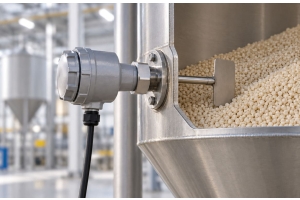
The non-contact sensor technology works through electromagnetic wave encoding. The device is durable against dust, water, and high vibration, making it suitable for use in the food industry where machines are regularly cleaned with high-pressure water.
Advantages of Safety Door Switch
Installing a Safety Door Switch helps solve on-site accident issues sustainably. From the direct experience of SCMA's engineering team, we have found the following benefits that positively impact the factory:
Automatically Enhance High-Level Safety
When the card is open, the interlock helps the system automatically stop dangerous functions. Risk control also depends on the stop time, access distance, and prevention of machine restart.
Improve the Factory to International Standards
ISO 14119 sets the principles for selecting and designing interlocks, while ISO 13849-1 is used to design safety-related control parts, assess the required Performance Level for each function, and check whether the circuit structure, devices, and diagnostics enable the system to achieve that level. Claiming Category 4 requires evidence for the actual architecture used.
Prevent System Tampering (Tamper-resistant)
Encrypted triggers and restricted installation help reduce the chance of bypassing the system. Choose measures according to the motivation for bypassing and the actual usage patterns of the machine.
Function to Prevent Residual Hazards
When there is Guard Locking to protect people, set unlocking conditions according to verifiable safe conditions, such as the stop of dangerous parts, and confirm that the system responds correctly.
Convenient and Durable Installation for Industrial Use
Safety door switches are manufactured with materials that are resistant to chemicals, impact, and harsh environments. The device is suitable for safety room doors that need to be frequently opened and checked, helping maintenance teams work more easily.
How to Choose a Safety Door Switch
Selecting a Safety Door Switch that offers good value and meets your usage requirements should primarily consider technical specifications and the working environment.
Type of interlock: Compare the time when the danger disappears after stopping with the time when people access the dangerous area, then determine the necessity of Guard Locking based on the assessment.
Protection level IP: Choose according to dust, water, and cleaning conditions at the work site. Check the specifications of the actual model, as well as the installation method and specifications of the connector.
Performance level: Define the PLr of each function based on risk assessment, then check the safety data of the switch and its compatibility with the system's designed circuit.
Consider additional functions from reliable brands: Choose a model with a clear LED indicator showing the operating status, which helps maintenance personnel analyze abnormalities in the Safety Relay more quickly.
Basic Troubleshooting Techniques for Safety Door Switch
If any abnormalities are found, stop the machine according to the factory's procedures and send it to the responsible person for diagnosis. After fixing the issue, confirm that the safety function operates as designed before returning the machine.
Locked system cannot unlock: The responsible person should check the diagnostic code and the safety conditions the system must confirm before unlocking, according to the manual of that model.
Machine stops even though the door is closed: The maintenance team should check the door alignment, trigger, operating range, and mounting points under the specified energy control procedures.
Status indicator light does not turn on: The responsible person should check the diagnostic data, cable condition, and connection points according to the approved maintenance procedures.
Summary
Safety Door Switch is a vital component of the safety system in industrial factories that effectively prevents serious accidents caused by machinery. If you are looking for high-quality safety door switches, as well as a well-designed safety controller system, SCMA Co., Ltd. is ready to be your technical partner. We have a team of expert engineers who provide advice to enhance the reliability of your production process.
Interested in purchasing or consulting? Follow us on LINE Official: @SCMA
If you want to buy a Safety Door Switch, you can purchase it from SCMA today!
Investing in a standardized Safety Door Switch is a way to protect employees' lives as well as protect the factory's property. SCMA Co., Ltd. (SCMA), a leader in automation solutions, is pleased to provide services from consultation, design of safety systems (Project & Solutions), as well as comprehensive after-sales service, to ensure your production line runs smoothly and as safely as possible.
Frequently Asked Questions
What is the difference between a Safety Door Switch and a general Limit Switch?
The interlock device for the guard has safety features specified by the manufacturer, such as forced open contact surfaces in some models, or electronic OSSD outputs in some models. It is necessary to evaluate the actual product data and compatibility with the safety circuit.
Can a Safety Door Switch be used as a Stop Button?
The interlock detects the position of the guard, while the emergency stop button is a command initiated by a person. Both functions should be defined and verified according to the risk assessment of the machine.
What are the advantages of a contactless Safety Door Switch over a keyed type?
Contactless sensors have no mechanical parts that require friction, which helps reduce wear problems, are highly resistant to vibration, and are easier to clean than keyed types with slots.
Which industries are suitable for Safety Door Switches with the IP69K standard?
Models with an IP69K rating may be suitable for high-pressure and high-temperature cleaning areas according to test conditions. Check the compatibility of materials with cleaning agents, connectors, and installation according to the manual.
If a Safety Door Switch is damaged, should it be repaired or replaced?
Stop using the affected equipment, send the device to the manufacturer for inspection or replacement with an approved model, and have a qualified person test the safety function before resuming use of the equipment.
Reference Documents
ISO 14119:2024 — Interlocking devices associated with guards
ISO 13849-1:2023 — Safety-related parts of control systems