
Pressure Transducer (Pressure Transducer) What is it and How does it Work?
The Pressure Transducer is a crucial technology that has transformed the world of pressure measurement, making it easier and more accurate by converting pressure values into readable electrical signals. The company SCMA is sharing in-depth knowledge about Pressure Transducers to help you choose the right one for your needs. Get to know how they work, their types, and applications that will enhance pressure measurement efficiency across all industries.
What is a Pressure Transducer (Pressure Transducer)?

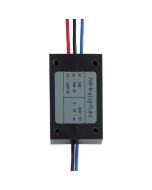
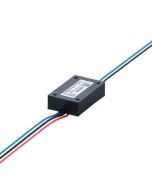
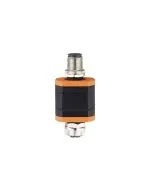
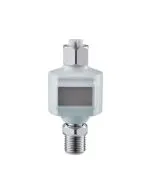
Pressure Transducer, or Pressure Transducer, is an instrument that converts physical pressure into accurate electrical signals for measurement and display. It is a critical component of control and monitoring systems in various industries such as hydraulic, pneumatic, or HVAC systems. This device is designed to be highly durable, capable of operating in diverse environments ranging from low to high temperatures and resistant to vibrations. With modern sensor technology, Pressure Sensor Transducers provide precise and stable measurements, enhancing the efficiency and safety of production processes.
How Does a Pressure Transducer Work?
The basic principle of operation for a Pressure Sensor Transducer involves converting mechanical energy from pressure into electrical signals through sensitive detection elements. When pressure is applied, the detection element undergoes physical changes such as strain gauge deformation, capacitance distance change, or special crystal charge generation. These changes are then converted into standard and usable electrical signals directly proportional to the measured pressure level via complex signal processing circuits.
How Many Types of Pressure Transducers Are There?
Pressure transducers come in various types designed to meet different usage requirements. They are categorized based on detection technology and output signal format, making them suitable for specific applications.
Strain Gauge Pressure Transducer
This is the most commonly used type due to its high accuracy and reasonable price. It works by using a strain gauge attached to a metal diaphragm. When pressure causes the diaphragm to deform, the strain gauge stretches or contracts accordingly, causing an electrical resistance change. This change is measured with a Wheatstone bridge circuit and converted into an electric signal that varies according to the pressure. Suitable for measuring wide ranges of pressures from low to several thousand pounds per square inch.
Capacitive Pressure Transducer
It operates on the principle of changing electrical capacitance when pressure is applied. It consists of two parallel conductive plates with a diaphragm as the separator. When pressure causes the diaphragm to bend, the distance between the plates changes, resulting in a change in capacitance. Its advantage lies in its high sensitivity, making it suitable for measuring low pressures and minor pressure fluctuations. Commonly used in applications requiring high precision such as atmospheric pressure measurement or cleanroom control systems.
Piezoelectric Pressure Transducer
It relies on the special property of piezoelectric crystals that generate electric charge when pressed. Suitable for measuring dynamic pressure or rapidly changing pressures, such as combustion chamber pressure in engines, explosion testing, or impact wave measurement. Its standout feature is its fast response and high temperature tolerance, but it is not suitable for measuring constant pressure due to the gradual leakage of electrical charge over time.
What are the Components of a Pressure Transducer?
The efficient operation of Pressure Transducer Sensor is due to the collaborative functioning of key components, each with specific roles that ensure accurate and reliable signal conversion.
Sensing Element
The sensing element is the heart of the Pressure Transducer Sensor, responsible for directly receiving pressure and converting it into physical changes. It may be a thin metal diaphragm attached to Strain Gauge, ceramic plates for capacitive types, or quartz crystals for piezoelectric types. The material and design of the Sensing Element determine the measurement range, accuracy, and durability of the transducer. Selecting appropriate materials that suit the application conditions is crucial.
Signal Conditioning Circuitry
The signal conditioning circuit processes raw signals from the sensing element into usable signals, including amplification circuits, noise filtering circuits, temperature compensation circuits, and calibration circuits. These help ensure stable, accurate, and linear output signals relative to measured pressure. Modern digital technology also enhances customization capabilities and digital communication.
Output Interface
The output interface sends measurement results to control or display systems in various forms such as 4-20 mA for remote signal transmission, 0-10 VDC for PLC connections, or digital outputs like RS485, Modbus for modern automation systems. The choice of Output Interface depends on the distance of signal transmission, noise resistance, and compatibility with existing systems.
Applications of Pressure Transducer
Pressure Transducer Tester plays a crucial role in various industries, enhancing production efficiency and safety. Selecting the appropriate transducer will help achieve maximum system performance.
- Automotive Industry - Used in fuel injection systems, ABS braking systems, tire pressure monitoring, and exhaust systems to control emissions. It enhances engine efficiency and safety.
- Industrial Manufacturing - Controls hydraulic system pressure in machinery, checks for leaks in piping systems, and controls production processes requiring constant pressure such as plastic injection or stamping.
- Aerospace Engineering - Measures cabin pressure, hydraulic tailplane system pressure, fuel pressure, and aircraft structural strength testing. High accuracy and reliability are required.
- HVAC Systems - Controls refrigeration system pressure, measures air pressure in ducts, checks fan efficiency, and controls compressor operation.
- Medical Equipment - Used in ventilators, blood pressure monitors, dialysis machines, and high-precision drug delivery systems that ensure patient safety.

Calibration and Accuracy of Pressure Transducer
Calibrating a Pressure Transducer is an essential process that helps maintain the accuracy and reliability of measurements by comparing the readings to known reference standards. This process should be performed regularly at specified intervals, which depend on the importance of usage and environmental conditions. Generally, it is recommended to calibrate every 6-12 months.
The accuracy of a Pressure Transducer Tester is usually expressed as a percentage of full scale (% FS), such as ±0.25% FS, meaning the measured value may deviate by no more than 0.25% of the maximum measurement range. Factors affecting accuracy include environmental temperature, vibration, overpressure, and age of use. Selecting transducers with good Temperature Compensation and Long-term Stability can help maintain long-term accuracy. Additionally, proper installation, operating within specified limits, and appropriate maintenance are crucial factors in maintaining performance.
Benefits of Using Pressure Transducer
Using a Pressure Transducer in pressure measurement and control systems offers several advantages that enhance operational efficiency, including accuracy, convenience, and cost-effectiveness.
- High Accuracy and Reliability - Provides accurate measurements up to ±0.1% FS with long-term stability, reducing errors in process control.
- Compact Design - Small size, lightweight, easy installation even in confined spaces without obstructing system operations.
- Broad Pressure Range Support - Available from vacuum to tens of thousands of PSI, meeting all requirements.
- Durable Against Various Media - Capable of measuring pressure in liquids, gases, and vapors with corrosion-resistant materials.
- Easy to Connect - Features standard output signals compatible with all types of control systems, both analog and digital.
- Cost-Effective Maintenance - No moving parts, operates for long periods without extensive maintenance, reducing operational costs.
What is the Difference Between a Pressure Transducer and a Pressure Transmitter?
Although both Pressure Transducers and Pressure Transmitters are used to measure pressure, there are significant differences in their details. Understanding these differences can help you choose the appropriate equipment for your specific application.
Pressure Transducer
A Pressure Transducer is a basic device that converts pressure into an electrical signal, typically providing a millivolt (mV) output proportional to the input pressure. It requires external power and may need additional amplification circuits. Suitable for short-range applications or in laboratories with separate signal processing equipment, its advantages include lower cost and faster response time.
Pressure Transmitter
A Pressure Transmitter is a transducer that includes built-in signal processing circuits. It can provide standard signals such as 4-20 mA or 0-10 VDC, ready for immediate use. It has the ability to compensate for temperature, calibration, and digital communication. Suitable for long-range signaling and industrial applications requiring ease of installation, despite its higher cost, it offers long-term value.
Looking to Purchase a Pressure Transducer? SCMA is now available!
SCMA leads in the supply of high-quality Pressure Transducers from leading global brands. We offer a wide range of products covering all pressure ranges and types of applications. Our team of expert engineers provides consultation for selecting the right Pressure Transducer to meet your specific needs, along with technical advice and usage guidance. We guarantee quality on every piece of equipment accompanied by certification standards.In stock and ready for immediate delivery, along with excellent after-sales service. With competitive pricing and fast service, SCMA is the best solution for your Pressure Transducer needs.

Summary
A Pressure Transducer is a crucial device that helps in accurately and efficiently measuring and controlling pressure in various systems. With diverse signal conversion technologies such as Strain Gauge, Capacitive, and Piezoelectric, it allows for the appropriate selection based on specific applications. Understanding its working principles, proper selection, and suitable maintenance will maximize the benefits of your investment with SCMA, a reliable partner providing high-quality Pressure Transducers along with comprehensive services to support your business success across all industries.
Frequently Asked Questions
What is a Pressure Transducer?
A Pressure Transducer is a measuring instrument that converts physical pressure into an electrical signal for accurate measurement and display. It uses various sensor technologies such as Strain Gauge or Capacitive to detect changes in pressure, making it an essential component in industrial control systems, automotive, medical, and engineering applications.
What is the role of a Pressure Transducer?
Its primary function is to measure the pressure of liquids or gases and convert it into readable electrical signals such as 4-20 mA or 0-10 VDC, enabling control systems to monitor and adjust pressure automatically. This increases efficiency and safety by monitoring abnormal conditions, preventing damage, and collecting data for analysis.
How many types of Pressure Transducers are there?
There are three main types: Strain Gauge, the most commonly used; Capacitive, highly sensitive; and Piezoelectric for dynamic pressure measurement. Each type has its advantages such as accuracy, measuring range, response speed, and selection depends on application characteristics, environmental conditions, and budget.
What are the benefits of a Pressure Transducer?
It provides accurate and stable measurements, compact size for easy installation, wide pressure range from vacuum to high pressure, durability in various environments, suitability for both liquids and gases, no moving parts making it robust, easy connection with control systems, standard output signals, enhancing production efficiency and reducing costs.