Pneumatic equipment that is damaged is the main cause of machinery downtime and massive damage to production lines. SCMA has a complete stock of spare parts, ready for quick delivery to maintenance teams so they can immediately replace them and keep machines running. We offer high-quality pneumatic equipment including the brand airtac, covering all needs in pneumatic systems. You can order online and compare specifications anytime.
What is Pneumatic? Understand the basic working principles from a maintenance technician's perspective
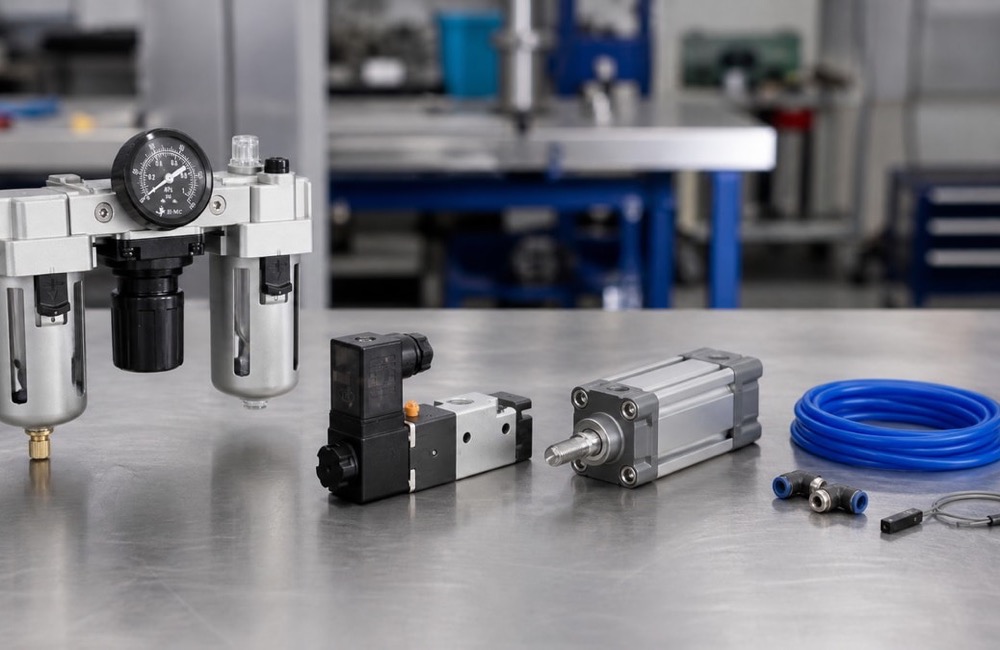
The term pneumatic refers to the use of compressed air energy to create mechanical movement and drive machinery. Air systems have an advantage over hydraulic systems in terms of cleanliness, safety, and no risk of oil leakage contaminating workpieces. Technicians can maintain pneumatic equipment more easily than other systems by simply controlling constant air pressure. Choosing standard brand pneumatic parts, such as airtac, helps ensure that the pneumatic system works seamlessly together. Your factory will no longer be troubled by air leaks with industrial-grade pneumatic products from our inventory.
The Main Components in a Pneumatic System That Are Essential for Machinery to Function Properly
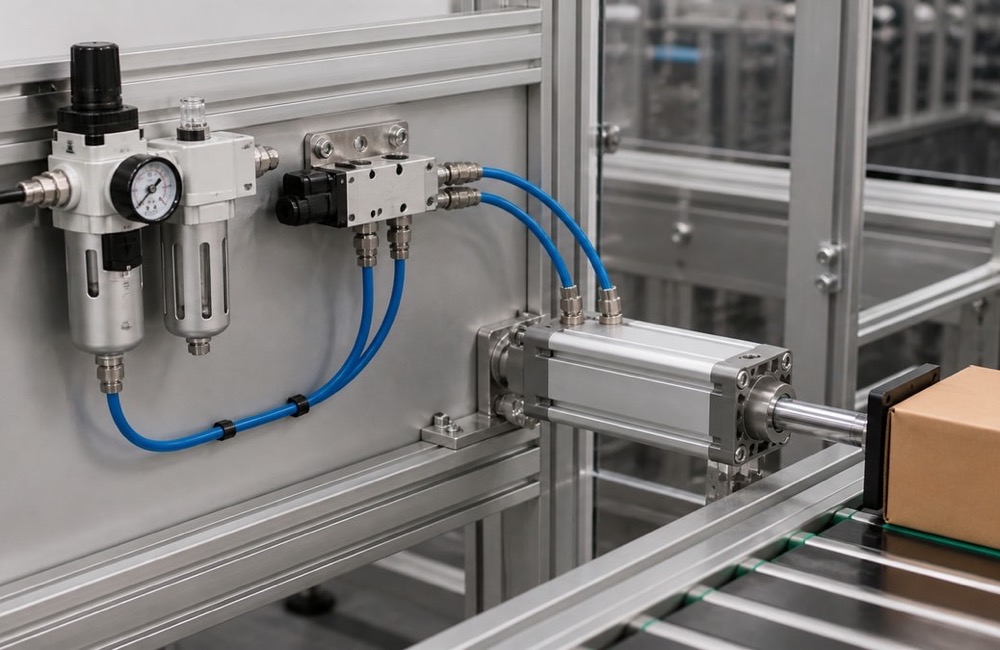
Pneumatic systems consist of various parts that work together. Maintenance technicians must understand the functionality of each pneumatic component to accurately diagnose issues.
FRL Unit (Filter, Regulator, Lubricator) Removes Water, Filters Dust, and Supplies Lubrication Oil
The FRL unit prepares the air before it enters the main machinery. This equipment captures water droplets, filters out dust particles, and prevents contaminants from entering. The oil lubricator reduces friction within the cylinder seals. Neglecting to drain water from the filter cup is a major cause of premature failure in other components.
Solenoid Valve Controls Air Direction
The solenoid valve opens or closes based on commands from the PLC board, changing air direction accordingly. Technicians must select the correct type of valve for the specific application, such as 5/2-way or 3/2-way valves. Incorrect voltage supply can cause coil burnout or immediate circuit failure in the control board. This component acts like a brain directing mechanisms to move precisely.
Actuator Converts Air Energy into Motion
The actuator converts air pressure into pushing or pulling force. These components come in various shapes depending on the application, such as cylinders, pneumatic motors, or suction cups. Engineers must calculate the load of the workpiece to match it with the cross-sectional area of the actuator. Using pneumatic equipment beyond its load capacity can cause the shaft to bend and lead to machinery failure.
Pneumatic Cylinder Techniques for Selecting Bore and Stroke to Match Specifications
Misordering the wrong size of pneumatic cylinders can lead to installation issues, wasting time and budget. Technicians must know how to accurately compare specifications for pneumatic equipment before making a decision.
- Read the nameplate to see the bore size (diameter), which indicates the pushing force of the cylinder.
- Measure the stroke precisely to prevent issues where the piston rod cannot fully extend or retract the workpiece after purchase.
- A single-acting cylinder works in one direction, with a spring returning the piston rod when retracted.
- A double-acting cylinder operates in both directions and requires air pressure for both extension and retraction.
Why Do Industrial Food Pneumatics Require Special Materials and Specifications?
The food industry has the strictest hygiene requirements in production lines. Engineers must choose industrial food pneumatics with stainless steel housings only, as this grade of material is resistant to cleaning chemicals (washdown) and prevents rust accumulation. The lubricants inside pneumatic equipment must be NSF H1 certified (Food Grade), safe for consumers. Maintenance technicians are strictly prohibited from replacing parts with standard pneumatic components, preventing chemical contamination in products.
Airtac Brand Deep Dive: Is It Quality? Why Is It Popular in Thai Factories?
The standout feature of airtac is cost-effectiveness, meeting procurement departments' needs for cost control. Technicians can easily find replacement parts from this brand when there are emergency issues with the pneumatic system. The specifications of their products support general automation tasks that do not require extremely high speeds or pressures. Engineers can nearly perfectly match and install these components as substitutes for Japanese pneumatic equipment. Choosing to use spare parts from this brand clearly helps save maintenance budget.
Maintaining Pneumatic Systems: What Points to Check to Prevent Air Leaks and Valve Sticking
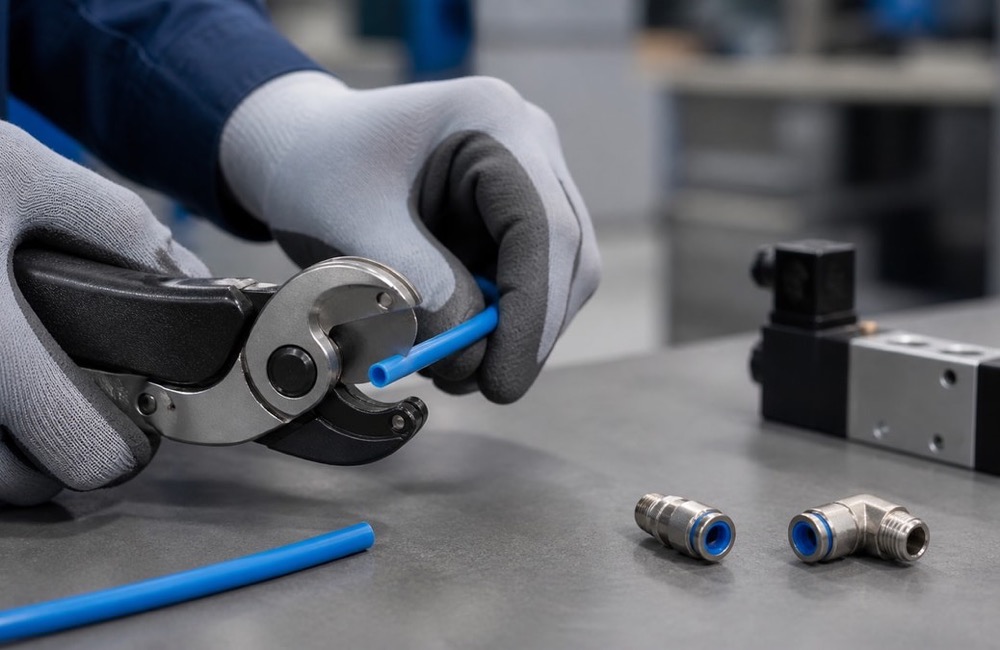
Machinery downtime can be prevented with regular maintenance of pneumatic systems. Maintenance technicians should strictly check these risk points during PM cycles.
- Drain water from the air filter cup (Auto/Manual Drain) regularly to prevent water damage to valve seals.
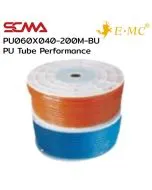
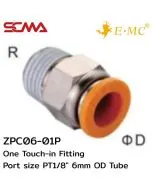
- Inspect air hoses (PU Tube) at push-in fittings for signs of kinking or tearing.
- If a hose tear is found, use a cutter to cut off the damaged end at a right angle and reinsert it immediately.
- Listens for air leaks near machinery while running on low power to help locate unseen leaks with the naked eye.
3 Common Mistakes When Ordering Pneumatic Equipment to Replace Yourself
Purchasing departments and technicians often order incorrect pneumatic specifications. We summarize real-world issues to provide you a checklist before making decisions.
Ordering Wrong Thread Type (PT, NPT, G)
Air threads have different standards based on the machine manufacturer's continent. Mixing thread types can cause cross-threading; air will leak immediately at connections when pressure is applied. You must use a vernier caliper to measure pitch and compare it with tables before ordering.
Buying Incorrect Voltage Coils (24VDC, 220VAC)
Each control panel supplies different voltages; connecting a 24VDC coil to 220VAC will cause an electrical short circuit. The valve coil may burn out and the control board could suffer severe damage. Electricians must use a multimeter to measure voltage at wire ends before splicing.
Forgetting to Check Sensor Type for Position Detection
Cylinders work with magnetic sensors (Reed Switch); technicians must distinguish between 2-wire or 3-wire types clearly. For 3-wire types, check the output signal as NPN or PNP; incorrect wiring can cause the PLC not to recognize cylinder position.
Summary
Investing in standard-grade pneumatic equipment helps address issues such as air leaks and stuck valves. On-site technicians can easily manage pneumatic system maintenance with cost-effective Airtac spare parts. SCMA offers an online ordering system along with a team of engineers to assist in comparing specifications for pneumatic cylinders, allowing you to receive replacement parts quickly and repair machinery immediately.
If you want to purchase, you can buy from SCMA today!
SCMA provides full online sales services for pneumatic equipment, saving you the time of waiting for a salesperson to visit your site. Technical staff simply need to take a picture of the nameplate of the old pneumatic system part and send it to us via chat, our engineers will provide free specification comparisons for pneumatic equipment. We have ample stock available for quick delivery straight to your factory floor, reducing downtime waiting for spare parts.
Frequently Asked Questions About Pneumatic Equipment
What causes water droplets in the air system, and how can it be initially resolved?
Answer: The main cause is that there's no dryer (Air Dryer) or moisture trap at the compressor, or the equipment's moisture traps have deteriorated. It is recommended to install an additional pneumatic system air filter before the air enters the solenoid valve.
The cylinder movement is jerky and not smooth. What should be checked?
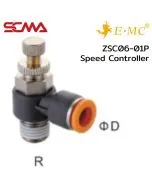
Answer: The main cause is that the pneumatic cylinder lacks lubrication, causing oil to dry up, or the speed control valve is clogged. Try loosening the valve first; if it doesn't work, remove the cylinder and replace the seals.
The solenoid valve makes an abnormal buzzing sound. Is this dangerous for the system?
Answer: This symptom occurs due to low voltage (Voltage Drop), insufficient power supply, or dust entering and obstructing the Spool of pneumatic equipment. It is advisable to check the electrical system and clean before the coil burns out.
Can brand Airtac be installed as a direct replacement for original Japanese or European brands?
Answer: You can use Airtac interchangeably in terms of functionality. However, technicians must verify mounting hole spacing (Mounting) and thread size. Our online engineering team can provide comparative drawings before ordering.
Does SCMA offer a complete pre-assembled FRL set for immediate installation?
Answer: We provide assembly services for pressure gauges and brackets for pneumatic equipment, ready to install upon arrival at the factory. Maintenance technicians can then mount nuts and connect air lines for immediate use.