Have you ever experienced problems where the motor rotates in the wrong direction, causing damage to the machinery in the production line? Phase Rotation Test is a crucial process that can effectively prevent these issues. The SCMA engineering team, experts in industrial measuring instruments, is ready to provide comprehensive testing and consulting services. This article will take you through every step of checking the electrical phase for maximum work safety.
What is Phase Rotation Test?
Phase Rotation Test, or phase sequence testing, is a process that checks whether the arrangement of alternating current voltage in a 3-phase electrical system is correct according to the sequence L1-L2-L3. According to data from SCMA, a supplier of electrical measuring equipment and instruments, this step is extremely important for safety before starting the machinery.

Principle of Operation of Phase Rotation Test
The principle of operation of the Phase Rotation Test using equipment from SCMA involves measuring 3-phase alternating current voltage to confirm its correctness before powering the machinery.
Connecting the Measuring Cables to the System
The connection of the measuring cables must be done carefully, with the operator connecting the phase sequence measuring instrument's cables to the R, S, T electrical terminals of the system securely.
Checking the Voltage Waveform
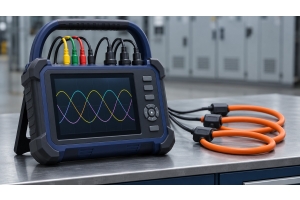
The internal circuit of the phase sequence measuring device compares the phase angle and the voltage waveform of each phase accurately in real time.
Displaying the Rotation Direction
The device's display will indicate whether the rotation is clockwise or counterclockwise, clearly showing the phase sequence status.
User Alert System
The system will alert the user through the illumination of an LED light or by emitting a buzzer sound, allowing the electrician to immediately know the status of the current flow's correctness.
How Many Types of Phase Rotation Test Are There?
The phase sequence test in a 3-phase AC system can be divided into 2 main systems according to the direction of voltage rotation. Understanding both types will help operators assess the situation correctly.
Positive Phase Sequence
The positive phase sequence is the clockwise order of phases, such as L1-L2-L3. This direction is considered the standard for the operation of general machinery.
Negative Phase Sequence
The negative phase sequence is the counter-clockwise order of phases, indicating that the system has phase swapping, which may cause the motor to rotate in the opposite direction, leading to serious damage to the production line.

Maintenance of Phase Rotation Test
Maintaining the phase sequence tester from SCMA is important to ensure accuracy. The safety of the operator is the most important aspect in electrical work.
Limits and Pre-Work Inspection
Users of the phase tester must always check the specifications of the device to see what is the maximum voltage it can handle. They should inspect the test leads and alligator clips before each use to prevent electric shock hazards.
Cleaning and Storage
After work, use a slightly damp cloth to wipe away dust from the device. The phase sequence measuring tool should be stored in a dry, dust-free place, away from high heat.
Battery and Fuse Care
If the device is not used for more than 60 days consecutively, remove the battery immediately. Be sure to monitor the battery warning light to replace the battery set and prevent phase calculation errors.
Instrument Calibration
To maintain measurement accuracy standards, users should send the measuring instrument to a standard laboratory for calibration every 12 months.

Application of Phase Rotation Test in Industry
The Phase Rotation Test is a mandatory procedure in industry to confirm accuracy before starting the actual machinery. This process enhances the safety of the electrical system within the factory.
Prevention of Motor Reverse Rotation
Phase testing helps confirm the rotation direction of the 3-phase motor, preventing mechanical damage to important equipment such as water pumps, air compressors, and conveyor belts.
Checking for Electrical System Abnormalities
This measuring instrument can check for phase loss (Phase Loss) and phase voltage swapping, which are extremely dangerous to the overall electrical system of the industrial factory.
Reducing Long-Term Maintenance Costs
Technicians can immediately fix wiring issues during the installation phase, helping to reduce losses and accumulated costs from unexpected machine shutdowns.
Advantages of Phase Rotation Test
Using a phase checker increases confidence in managing the 3-phase electrical system. These advantages directly affect production efficiency and long-term investment value.
Prevention of Equipment Damage
The phase sequence measuring instrument reduces the risk of the motor rotating in the reverse direction due to incorrect wiring, which is the main cause of severe damage in the production line.
Prevention of Overcurrent and Accumulated Heat
Proper phase arrangement helps avoid damage to the motor windings and the burning of electrical insulation materials caused by accumulated heat.
Extending the Lifespan of Electrical Equipment
A stable 3-phase electrical system helps electrical equipment within the factory operate efficiently and increases their lifespan.
Saving Maintenance Budget
Accurate testing helps save costs on spare parts and significantly reduces machine downtime.
How to Choose a Phase Rotation Test
Selecting the appropriate phase sequence tester will help improve work efficiency and safety. Users can view more details at SCMA Phase Indicator to aid in decision-making.
Voltage Range Support: Choose a phase sequence tester model that supports the voltage range matching the factory's power system.
Safety Standards: Look for equipment with protection systems according to CAT III or CAT IV standards.
Display Format: Consider models with LED lights and audio alerts for quick value reading.
Brand Reliability: Choose an electrical testing tool brand that meets standards and has clearly supported service centers.
Precautions for Performing Phase Rotation Test
Working with high-voltage electrical systems requires caution. Personnel must be aware of precautions during phase sequence testing to prevent accidents.
Wear Protective Equipment (PPE): Electricians must wear insulated gloves and safety goggles every time they perform phase measurement.
Inspect the Area: Ensure the area where the Phase Rotation Test is conducted is completely dry and free of standing water.
Use Calibrated Tools: Phase checking equipment must be calibrated according to the specified schedule for accurate results.
Read Values with Care: Study the method of measure phase rotation with a multifunction tester in detail before performing the actual task.
Summary
Phase Rotation Test is a crucial element in protecting machinery and ensuring smooth operation of 3-phase electrical systems. Regularly checking phase sequence with a standardized phase checker can significantly reduce business losses. The SCMA engineering team is ready to be your partner, offering comprehensive industrial measurement solutions tailored to your factory's needs.
Interested in purchasing or consulting via LINE Official: @SCMA
If you want to buy Phase Rotation Test, you can purchase it from SCMA today!
Errors in industrial electrical systems are not something to overlook. Investing in accurate phase sequence testing equipment is an investment in organizational safety SCMA Company, the expert in industrial solutions, is ready to deliver high-quality Phase Rotation Test and provide Project & Solutions services by engineers to immediately enhance your production efficiency.
Frequently Asked Questions
How essential is Phase Rotation Test for industrial factories?
This test is essential to prevent motors from rotating in the wrong direction, helping to reduce severe damage to the production line.
How often should phase sequence measuring instruments be calibrated?
Experts recommend sending the measuring instruments to the laboratory for calibration every 12 months to maintain accuracy.
What happens to the machinery if a phase is lost (Phase Loss)?
The motor will operate abnormally, causing high accumulated heat in the windings, eventually leading to burning and damage.
Can a general multimeter measure phase sequence?
No, a multimeter measures voltage levels but cannot display the direction of phase sequence.
What factors should be considered when purchasing a phase checker?
You must consider the voltage rating that matches the electrical system and the appropriate safety standards for operation in the area.