Are your factory machines facing risks from electrical leakage or deteriorating wiring without your knowledge? Motor insulation testing is a crucial part of preventive maintenance that SCMA focuses on providing alongside the distribution ofhigh-quality international standard insulation testers. This article will take you through the detailed steps of inspecting winding conditions using a megohmmeter, enabling you to effectively apply these methods to minimize damage and maximize the lifespan of your assets.
What is Motor Insulation Testing?
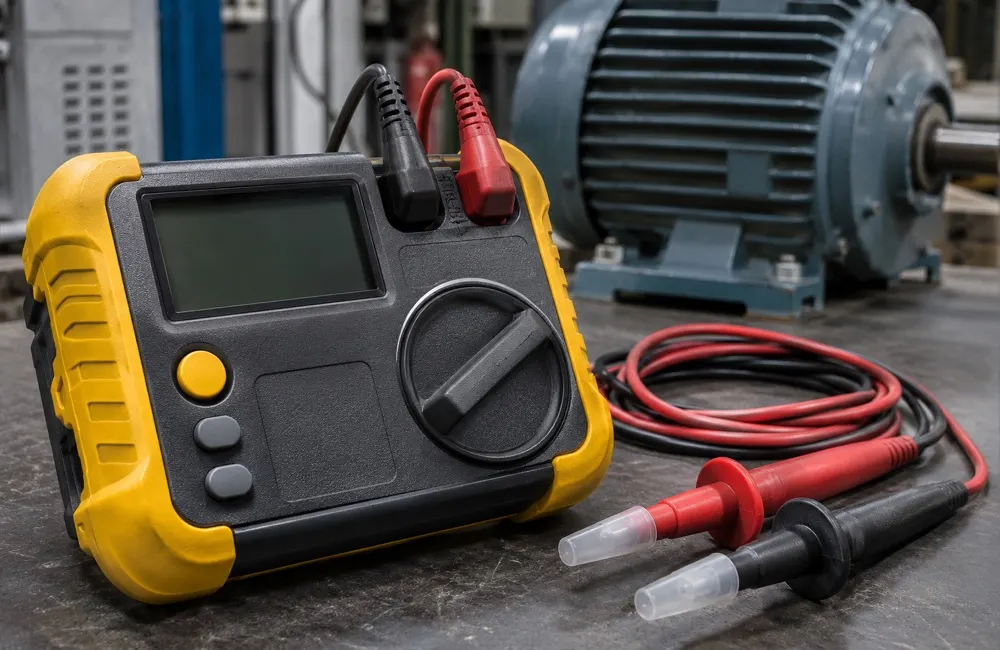
Motor insulation testing uses an insulation resistance tester (Insulation Tester) or a megohmmeter to check insulation conditions, such as between windings and the motor frame. The test results help track insulation trends and are used in conjunction with other inspections to evaluate the motor's condition.
How the Motor Insulation Tester Works
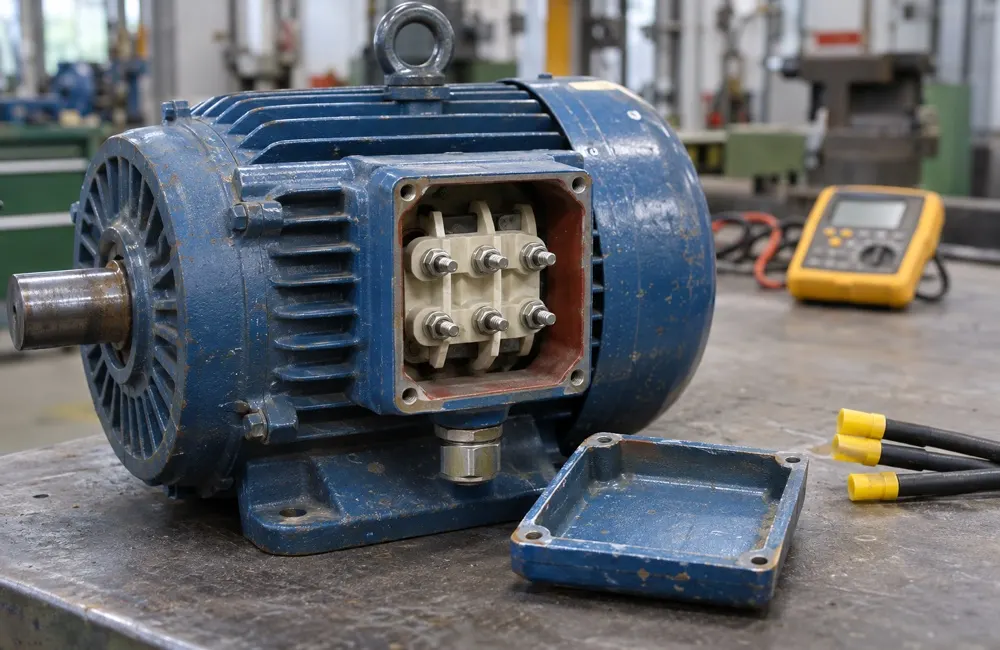
This type of device has a working mechanism designed specifically to test the integrity of an electrical system. The basic principle relies on the application of Ohm's Law to analyze the hidden resistance within the machine system.
Test Voltage Supply
The megohmmeter supplies direct current voltage and measures the current to calculate the insulation resistance. The test voltage and time must be suitable for the winding and the specified test method.
Leakage Current Measurement
A good outer insulation material should have very high resistance properties. The amount of current flowing through or leaking through the protective system is very small, in the microampere range. The insulation tester captures this small leakage current signal to process and analyze in the next step.
Calculation and Display of Values
The internal circuit of the measuring instrument divides the supplied voltage by the measured leakage current according to the electrical equation. The digital processing system converts these complex results into numerical resistance values on the display screen, allowing engineers to quickly read the values in megohms.
Interpretation of Resistance Condition
The resistance value depends on the type of insulation, winding temperature, humidity, and test method. A decrease compared to the original result under similar conditions may indicate the need for further inspection.
How many types of motor insulation testers are there?
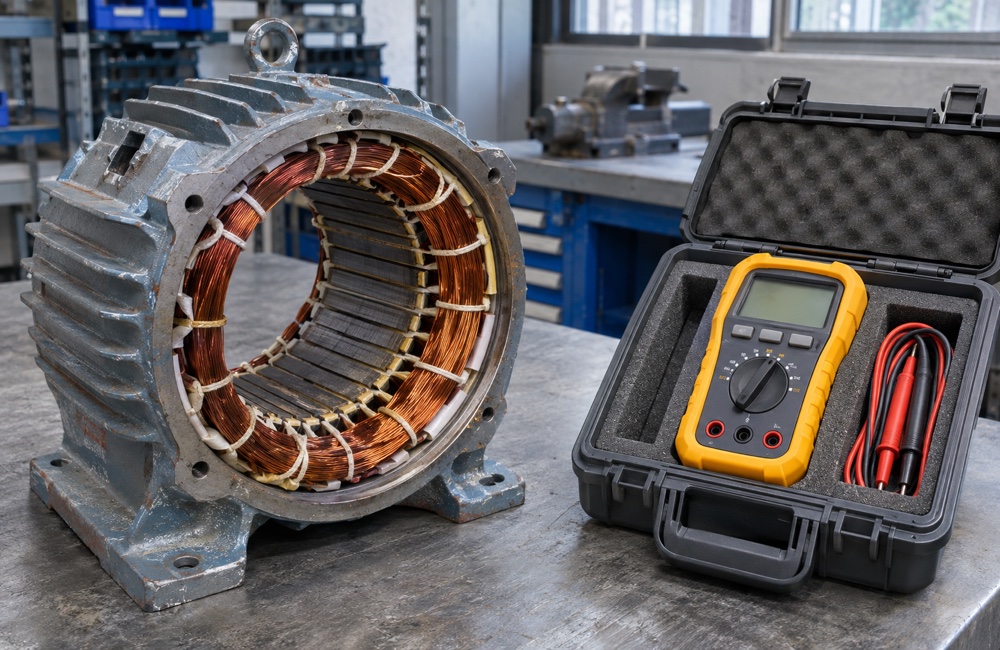
Currently, various types of electrical resistance testing instruments have been developed to meet different usage requirements. Choosing the appropriate type of megohmmeter will help maximize the efficiency of machine analysis.
Analog Insulation Tester
This type of device displays results through a dial and a moving pointer that moves along a numerical scale. Experienced technicians prefer the analog dial because it allows them to observe the short-term fluctuation trends of resistance values very well, helping to quickly assess the stability of the on-site electrical system.
Digital Insulation Tester
Modern technology enables insulation testers to display results as digital numbers on a bright and clear LCD screen. Digital models stand out for their ease of reading and high accuracy, and also come with many additional features, such as built-in memory data recording or automatic test time setting to reduce the workload of the operator.
Maintenance for Motor Insulation Testing
Insulation testing is part of preventive maintenance. Qualified personnel should follow the motor manual, tester manual, and workplace safety procedures.
Preparing the Equipment and Test Voltage
Select the test voltage according to the specifications and type of winding indicated in the manufacturer's manual or referenced standard, such as IEEE 43. A single system voltage value is not sufficient to determine the test voltage.
Safety Standard Procedures
Before testing, qualified personnel should disconnect the motor from the power source, lockout and tagout (Lockout/Tagout), and confirm that there is no voltage. Disconnect the inverter and electronic devices according to the manufacturer's manual, and then select the connection point and test time according to the specified method.
Evaluation Criteria and Maintenance Decision
Compare the results with the manufacturer's criteria or relevant standards and previous measurements under comparable conditions. A low value may come from various causes, such as moisture, contamination, or insulation degradation. Therefore, it is advisable to identify the cause before deciding on maintenance.
Motor insulation measurement in industry
Applying the process of measuring resistance in large production lines is a key strategy for risk management. Analyzing data obtained from a megohmmeter helps prevent serious damage to property and personnel.
Enhancing worker safety
The ultimate goal of using an insulation tester is to create a safe working environment. Detecting leakage current in advance helps prevent metal structures from becoming electrified, blocking the risk of electric shocks to machine operators or sparks in vulnerable areas.
Protecting machinery from damage
Degraded insulation coatings on coils due to heavy usage are the main cause of internal short circuits. Regular and consistent inspection of the electrical system helps engineers identify these weaknesses before coils overheat and burn out. This method helps maintain expensive equipment with a long lifespan, ensuring a good return on investment.
Planning preventive maintenance
Collecting statistical data from continuous assessments is the core of preventive maintenance. These numerical data indicate trends in degradation caused by heat or poor environmental conditions, allowing factory managers to schedule repairs in advance without having to wait for unexpected machine breakdowns.
Cost control and reducing downtime
Every minute that the production line halts represents an immeasurable economic loss. Systematic resistance testing eliminates unplanned machine failures, allowing the organization to control operational costs and maintain production capacity with the highest level of stability.
Compliance with international standards
Record the test voltage, test time, coil temperature, and measured values to allow for result comparison and historical verification. Assessing motor readiness also requires other test results according to the maintenance plan.
Benefits of Measuring Motor Insulation Values
The benefits of comprehensive electrical system inspection go beyond just identifying faults. This proactive investment provides valuable returns across multiple dimensions of modern factory management.
Prevention of Critical Damage
Assessing the condition of the winding system in advance helps promptly prevent serious problems. When a megohmmeter detects abnormal resistance values, engineers can suspend operations to make repairs before a large short circuit occurs, which could potentially destroy the machine structure beyond repair.
Enhancing Advanced Safety Standards
Testing helps screen for insulation abnormalities. It should be considered together with grounding test results and protection system compliance as required by the job.
Reducing Downtime in Production Lines
Time management in the industrial sector is highly competitive. Knowing in advance the trends of equipment degradation allows management to schedule maintenance shutdowns tightly, avoiding sudden stoppages that result in time and cost losses due to emergency technician mobilization.
Evaluating Environmental Impact
Reduced resistance values may be related to moisture, dust, oil, or insulation degradation. It is important to inspect the condition and compare historical data to find the cause.
Extending Asset Lifespan
Continuously recording electrical test history is akin to an annual health check for the organization's assets. Proper maintenance according to guidelines analyzed from numerical data will help extend the working life of expensive equipment, following the principles of internationally recognized electrical engineering for a long time.
How to Choose a Megohmmeter for Measuring Motor Insulation
Deciding to invest in an electrical analysis tool requires careful consideration of technical details to ensure you get a megohmmeter that matches the nature of the work and is truly cost-effective.
Select a device that supports test voltages according to the method specified for each motor model. Check the device's rating and the combined rating of the measuring leads.
Select the measurement range and resolution to cover the expected values and the criteria to be evaluated, referring to the motor's requirements and the test objectives.
Select the type of display suitable for the technician: Decide between a digital display that is easy to read and highly accurate, or an analog dial display that helps engineers quickly observe the trend of current fluctuations.
Check that the device has a discharge system and residual voltage display as required by the job. Maintain the connection according to the manual during discharge and confirm that the voltage drops to a safe level before disconnecting the leads.
Durability standards and professional service: Purchase equipment from experts who offer after-sales service and quality guarantees, ensuring maximum long-term value when used in factory environments.
5-Step Checklist Before Starting Motor Insulation Testing
Preparation before actual work is the first priority for expert engineers. We recommend preliminary inspection steps to prevent errors and dangers during electrical system testing.
Disconnect the power source, lock it out, and tag it according to procedure, then have a qualified person confirm that there is no voltage before connecting the tester.
After testing, discharge the capacitance using the device's system or grounding method as specified by the manufacturer and safety procedures. Confirm that there is no residual voltage before touching terminals or removing test leads. Read more from Megger's Insulation Testing Precautions.
Inspect the Test Leads: The insulation tester's leads must not have any tears or damage, as this may cause inaccurate test results and pose a risk to users.
Set the voltage and test time according to the motor manual or specified standards, and check for equipment that may be damaged by the test voltage.
Clean the Contact Points: Remove dust or oil from the terminal connection area thoroughly to ensure that the electrical current flows efficiently during inspection.
Summary
Consistently prioritizing motor insulation testing with high-performance insulation testers is key to maintaining production line stability. The engineering team from SCMA is ready to be your partner in providing advice on preventive maintenance and selecting megohmmeters that precisely meet your needs, to elevate safety and maximize profits in the industry.
Interested in purchasing or consulting via LINE Official: @SCMA
If you want to buy a motor insulation tester, you can buy it from SCMA today!
If you are looking for a solution to prevent unplanned machine breakdowns accurate motor insulation testing is the best starting point SCMA Company as an expert in automation systems offers high-quality megohmmeters from leading global brands Weprovide comprehensive services from technical consultation, calibration services, to integrated Project & Solutions design tailored specifically to your factory's context
Frequently Asked Questions
How often should insulation testing be performed?
The frequency depends on the working environment conditions. Generally, engineering teams recommend checking every 6 months for production areas with high humidity or dust accumulation
What should the safe resistance value be?
The minimum value depends on the type and winding rating, as well as the manufacturer's criteria or referenced standards. If the criteria specify a reference temperature, adjust the results according to the method stated before comparison
Can insulation be measured while the machine is operating?
Disconnect and isolate the power source, lock and tag it, and confirm there is no voltage before starting the test. After testing, discharge and check for residual voltage before touching the terminals
Does temperature affect the measured resistance value?
Winding temperature and humidity affect the readings. Record the conditions during measurement and adjust the values to the reference temperature when the test method specifies, in order to compare with criteria or historical results
Is a digital tester better than an analog one?
Both types of devices have different advantages. Digital testers provide accurate results that are easy to read, while analog testers help technicians observe system fluctuations to analyze stability better