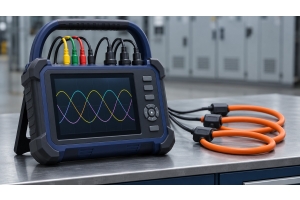
Electrical installation acceptance testing requires selecting tools according to the desired outcome, such as loop impedance, expected fault current, or RCD tripping time. This guide compares examples of loop testers, RCD testers, and socket testers to help assemble a set of tools that matches the test list.

What is a Loop Tester?
A Loop Tester is a device that measures the impedance of a circuit path. One example is the earth fault loop impedance (Zs), which is used to evaluate fault current and circuit breaking time of protective devices according to the applicable criteria.
Working Principle of Loop Tester
The device evaluates impedance from the voltage change when using test current according to the method of the model. The person responsible should select the test method and interpret the results according to the system type and protective devices.
Loop Impedance Measurement
Loop impedance is a ratio related to the voltage and current change in an alternating current circuit. It includes both resistance and reactance components in the measured path.
Evaluation of Circuit Breaking During Fault
When the earth fault loop impedance is low enough, the fault current may be sufficient to cause the protective device to trip within the specified time. The interpretation of results must consider the type and tripping curve of the installed device.
Limits of Loop Testing
Loop measurement results help evaluate protection during earth faults. For testing tripping time or current that causes RCD operation, RCD testing functions or devices according to system criteria must be used.

Select Loop Tester, RCD Tester or Socket Checker
The following examples distinguish RCD testers from loop impedance meters. Select according to the test items required and check the specifications of the model before use. See the models available in the group SCMA Electrical Circuit Testers
KYORITSU 5410 RCD Tester
KYORITSU 5410 is an RCD tester used to check the operation of RCDs according to the modes specified in the manual. For measuring loop impedance, use a specific device or function that supports it.
KYORITSU 5406A RCD Tester
KYORITSU 5406A is an RCD tester that allows you to select the rating and test method according to the type of equipment and manufacturer's data. Measuring loop impedance is another type of test.
KYORITSU Model 4140
KYORITSU Model 4140 supports loop impedance measurement and estimation of expected fault current or short circuit current. The trip reduction mode is used according to the conditions of the model, such as the type of connection and the RCD rating specified by the manufacturer.
KYORITSU Model 4118A
KYORITSU Model 4118A is a loop impedance and expected short circuit current meter. When selecting a model, check the measurement range, resolution, and accuracy separately according to the manual.
KEPLER Model K8025 LP
KEPLER K8025 LP is a loop impedance meter and estimates expected short circuit current according to SCMA product listings. Check the measurement range, CAT rating, and voltage specified in the model's documentation.
KEPLER Socket Checker Model K423ST
KEPLER K423ST is a socket connection checker within the scope of the model. For measuring loop impedance and expected short circuit current, select a specific tester that supports that test.
Loop Tester Maintenance
In order for the Loop Tester to be always ready for use, proper maintenance is essential. Correct care and storage procedures can extend the life of the loop resistance measuring tool by many years.
Cleaning and Care of Test Leads
Users should regularly inspect the test leads, including the clips, after each use. Wiping away oxide or grease stains helps ensure excellent electrical conductivity. Neglecting this step may cause the measured loop resistance values to deviate from the actual values.
Storing in a Dry Place
The measuring tool should be stored in a dry room with good air circulation and free from accumulated dust. Avoiding areas with high humidity or corrosive gases helps protect the internal circuit board from rust or premature degradation.
Protecting the Screen and Test Leads
Store the device in the box or bag specified by the manufacturer. Do not place heavy objects on top, and check for damage to the connectors before the next use.
Avoiding Magnetic Fields
Using or storing the equipment near areas with high electromagnetic waves may affect accuracy. Operators should avoid areas with electric fields that interfere with the measuring circuit to prevent measurement data from becoming distorted.
Application of Loop Tester in Industry
The industrial sector relies on Loop Tester to assess risks and prevent hazards from high voltage electricity. Applications cover from installation stages through to preventive maintenance.
Checking the Quality of Grounding Systems
Measured impedance loop fault to ground results are used to evaluate the ability of protective devices to disconnect the circuit when a fault occurs. Check the continuity of protective conductors and other items using methods suitable for each test.
Electrical System Acceptance Prioritization
Pre-power acceptance starts with items that can be tested with the power source isolated. Direct loop measurement under powered conditions requires the responsible party to assess the necessity and follow approved safety procedures.
Working with Residual Current Devices
The loop measurement mode with reduced trip chances is designed to minimize RCD tripping during measurement under specified conditions. If RCD trip time needs to be checked, use a separate RCD test.

Advantages of Loop Tester
Loop Tester or loop resistance meter provides many benefits in managing the safety of electrical infrastructure. Choosing a standardized tool will help engineering teams work with confidence.
Quick Safety Inspection
The loop meter displays the impedance of the fault path under the test conditions of the model. Use the results together with the type of protective equipment and circuit tripping time criteria.
Data for Assessing Earth Fault Protection
Loop impedance data is part of the assessment of earth fault protection. The system grounding, protective equipment, installation, and related test results must be considered together.
Convenient and Fast Usage
Newer test models have been developed to require only two or three wires to be connected for immediate measurement. Operators can test L-L or L-N values without complicated setup. This convenience greatly reduces human error.
Non-Intrusive Testing
The low current mode helps reduce the chance that the RCD will trip during measurement in systems that support it. The original leakage current, circuit conditions, and type of RCD may still cause tripping or affect the readings.
Ability to Read Short Circuit Values
Supported models may display the expected short circuit current (PSC) or expected earth fault current (PEFC) according to the measured path. Use the results together with the voltage and tripping rating of the equipment.
How to Choose a Loop Tester
Deciding on the right Loop Tester for your factory's environment requires considering multiple factors simultaneously. Reviewing the basic information of the loop resistance meter below will help you get a tool that meets real-world usage needs.
Select the measurement rating (CAT) and voltage suitable for the measurement location. Check the entire device, measurement cable, and probe. The measurement set's rating is limited by the device with the lowest rating.
If PFC or PSC is required, check whether the selected circuit and mode provide fault current or short-circuit current type, and compare the value with the device's rating according to the system's criteria.
Select the measurement range and resolution suitable for the expected impedance range, especially for tasks requiring close-to-limit pass results differentiation.
Check the deviation under the actual mode and conditions. If the result is close to the limit, consider the uncertainty and retesting method according to the on-site procedure.
If measuring a loop in a circuit with an RCD, check whether the device's mode reduces the trip probability for the RCD type and rating of the circuit, separately from selecting the RCD trip time test function.
Select the dust and water protection rating of the model suitable for the measurement point, and check the components specified by the manufacturer.
The Importance of Calibrating Measuring Instruments
Continuous use of the Loop Tester may cause measurement values to deviate from the original standard. Calibration of the loop resistance meter is therefore an important step that helps maintain the reliability of operational data.
Ensure the accuracy of the device: Calibration adjusts the measured loop resistance values to be in line with international standards.
Comply with legal requirements: Industrial factories must have calibration certification documents to pass electrical safety inspections from relevant authorities.
Extend the lifespan: Checking the overall operating condition during the calibration process helps identify minor faults before they develop into major problems.
Increase engineers' confidence: The team can confidently and without doubt use the loop resistance meter to analyze electrical system problems.
Reduce the risk of errors: Accurate measurement values help prevent incorrect safety assessments, which could lead to serious accidents on the work site.
Summary
Loop Tester is used to measure loop impedance to help assess circuit interruption when a fault occurs. Select the function, measurement range, and CAT rating with voltage to match the on-site conditions, and use the RCD test function when the inspection list requires verification of RCD operation.
Interested in purchasing or consulting via LINE Official: @SCMA
If you want to buy a Loop Tester, you can purchase it from SCMA today!
This knowledge about the electrical system is very important for planning safety in factories. If you are looking for a high-quality Loop Tester with reliable after-sales service, SCMA is a partner ready to assist you. We offer Project & Solutions services that are ready to provide technical consultation, supply products, and have experts perform full-loop resistance testing.
Frequently Asked Questions
How is a Loop Tester different from a Multimeter?
A Loop Tester has a method of measuring the impedance of the circuit path that is suitable for evaluating fault current. A general multimeter is used to measure voltage, current, or resistance according to the function, and measuring resistance with a multimeter cannot replace measuring loop impedance.
What criteria should the loop fault impedance be in?
There is no single value for all circuits. Compare the Zs value with the criteria applicable to the type and rating of the protective device, earthing system, required disconnection time, and measurement conditions.
What is Prospective Short Circuit Current (PSC)?
PSC is the short-circuit current expected to occur between the conductors under consideration. It is used to assess the rating of the device's ability to interrupt current. It should be distinguished from PEFC, which is the expected earth fault current.
What should be done if the RCD breaker trips during testing?
Have the person responsible assess the cause and safety before re-energizing or re-testing. If re-testing is necessary, use the method permitted by the manual and test plan according to the type of circuit and RCD.
Where can I find more information about Loop Tester?
See the measurement principles and limitations from the user manual of the device, as well as guidelines for electrical system testing from the references at the end of the article.
References
Kyoritsu – KEW 4140 Loop/PFC/PSC Tester Data
Kyoritsu – Loop Tester and RCD Tester Manual
Megger – Loop Impedance Testing Guidelines
Fluke – CAT Ratings and Voltage of Test Leads