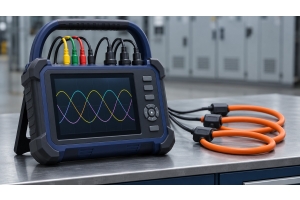
Is your factory's piping system experiencing pressure drops or air leaks that are causing production processes to stall? Based on the experience of our engineering team SCMA, we have found that using standardized industrial valves, including quick exhaust valves, industrial valves, and manual pressure control valves, can directly resolve these issues. Our services cover everything from consultation to providing complete automated system solutions. This article will delve into the types of valves and their operating principles, so that you can confidently select equipment to enhance factory performance.
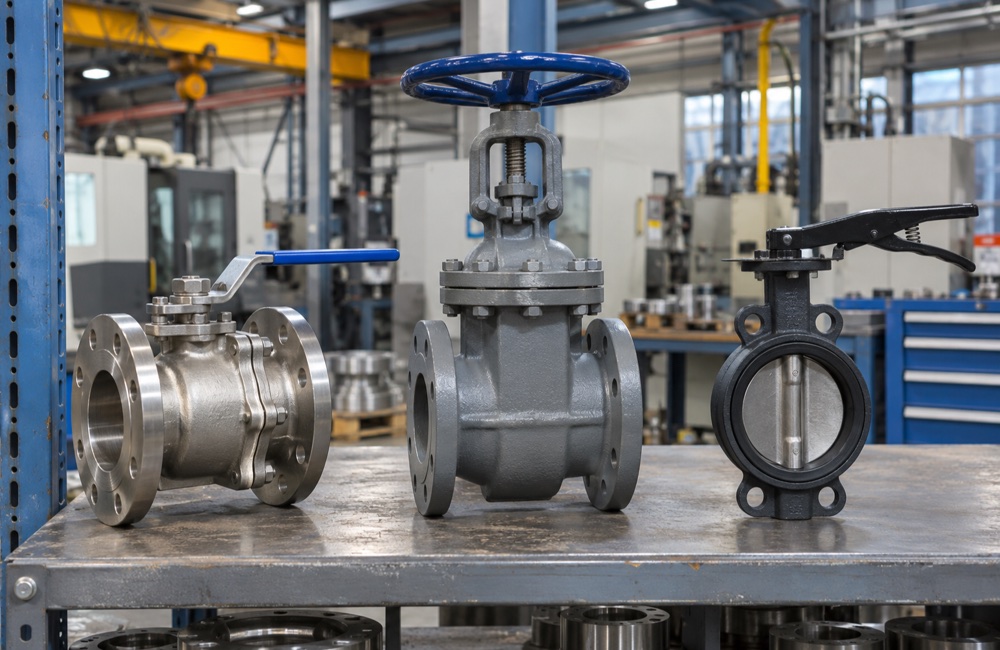
What is an Industrial Valve?
An industrial valve is a crucial mechanical device used to control, open/close, adjust the flow rate, change the direction, or maintain the pressure level of fluids such as water, gas, and air within the factory's piping system according to safety standards. Understanding the types of each valve is a fundamental basis for system engineers. These valves function like supervisors ensuring that all machinery operates smoothly.
How Industrial Valves Work
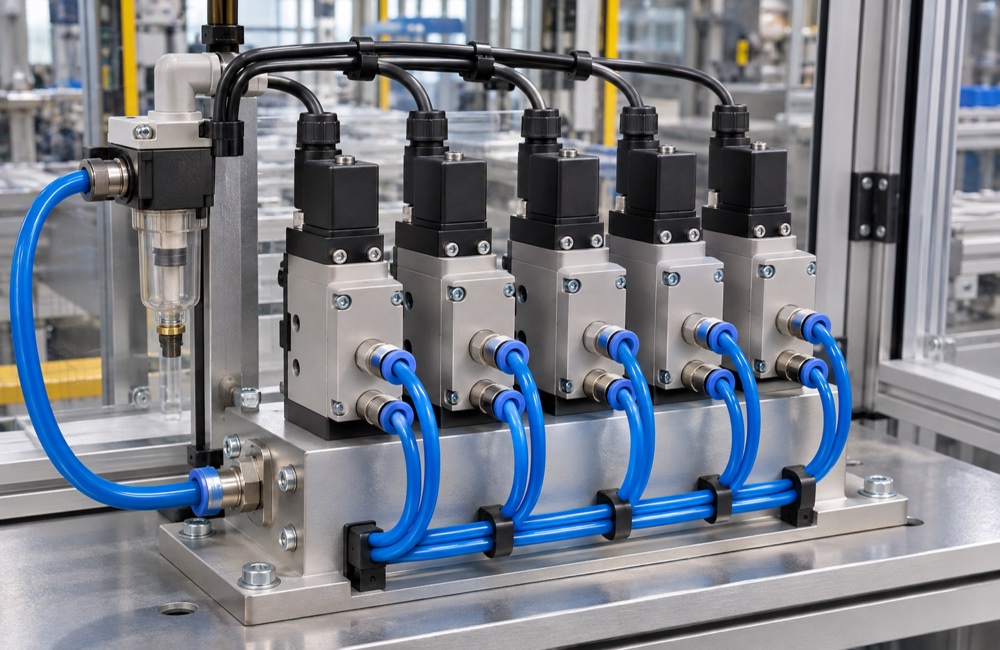
How Valves Work Each type relies on a different mechanism to manage fluid flow within the piping system. When selecting equipment such as quick exhaust valves for industrial use, it is primarily based on these fundamental principles.
Principle of Directional Control Valve
This device receives external control signals, whether pneumatic or electrical, to move the internal spool mechanism and allow air to flow into the cylinder. This type of valve is considered the determinant of the machine's movement direction. The fast operation helps effectively reduce delays in the production line.
Principle of Pressure Control Valve
The system uses the principle of balancing the fluid pressure against the internal spring force to maintain pressure within a safe range. When used together with manually operated pneumatic pressure control valves, industrial operators can precisely adjust the release of excess pressure themselves. This control helps protect the end equipment from damage.
How Soft Seal Spool Valve Works
This mechanism uses a moving metal spool together with rubber O-rings to prevent air leakage between the internal working chambers of the device. This type of valve is most popular in pneumatic applications because it is easy to maintain. The equipment is highly durable in environments filled with dust in the factory.
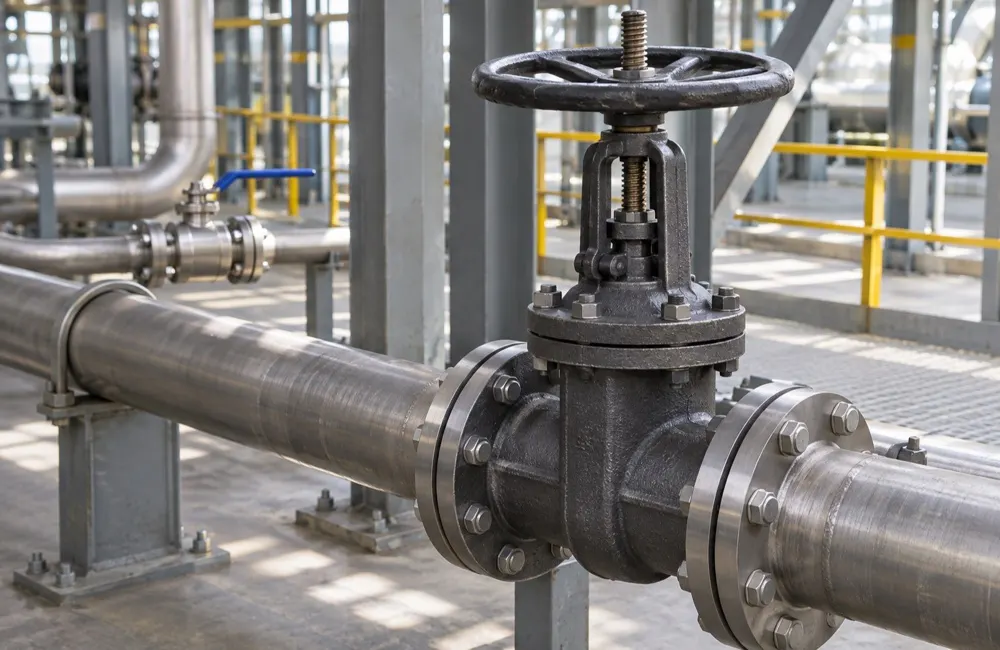
Industrial Valves: How Many Types Are There?
According to the recommendation from the SCMA engineering team, we can classify types of valves in control and pneumatic systems based on their usage characteristics and main mechanisms into the following important groups:
Directional Control Valve
This group is responsible for determining the direction of airflow or fluid flow into the subsystem, such as Solenoid Valve, which has popular port configurations of 2/2, 3/2, 5/2, or 5/3 ways. Choosing the correct number of ports will directly affect the operating rhythm of the pneumatic cylinder. This type of valve is a basic component found in almost every automated machine.
Pressure Control Valve
This device helps control and maintain the pressure level in the piping system within a safe range at all times to prevent damage from excessive pressure. If flexibility in setting up the working conditions is required, the use of manual industrial pressure control valves will best meet the needs in areas requiring delicacy.
Manual / Hand Valve
This group of devices uses human power to control the flow, such as ball valves, gate valves, and globe valves, by rotating or pulling the handle. Installing this type of valve is easy without relying on an electrical system. This device is highly suitable for use as a cutoff point for the main air system before entering the sub-machine.
Flow Control Valve
This component is responsible for adjusting and controlling the speed and volume of fluid flow in the system to ensure consistency. In cases where it is necessary to accelerate air discharge to increase the speed of the cylinder, engineers will immediately consider incorporating the industrial quick exhaust valve to enhance performance at this point.
Industrial Valve Maintenance
Proper initial maintenance of industrial valves will help extend their lifespan and prevent machine stoppages. Each type of valve has different points of attention as detailed below.
Installation of Air Filter Set (Air Filter)
The first important step is to install an air compressor service set or FRL to capture dust and steam, preventing them from entering and damaging the internal rubber seals of the valve. If moisture accumulates, it can cause rust on internal components, leading to sticking of the spool. Prevention at the source is more cost-effective than waiting for later maintenance.
Regular Inspection of Operation
The maintenance team should regularly check the coil's indicator light, inspect the wiring, or use the Manual Override button to manually test the valve's open-close range. This test confirms that the internal mechanism still responds well. Even for manual industrial pressure control valves, it is necessary to check the screw adjustment to ensure it does not seize.
Assessment of Equipment Lifespan
Industrial-grade equipment generally has an average lifespan of 3 to 5 years, depending on maintenance and the quality of the fluid in the piping system. Detailed recording of the replacement history of each valve component will help the maintenance team accurately plan for spare parts preparation.
Industrial Valve Applications in Industry
In Pneumatic Valves and automated systems, industrial valves act as the central control center of the entire production process. The appropriate type of valve is selected and adapted according to the complexity of each type of work.
Application of Direction Control Valves
Automotive parts manufacturing plants use Direction Control Valves to manage the flow of air to control cylinders to clamp, grip, or lift workpieces according to a set rhythm. If the process requires exceptionally high speed, installing a fast-acting pneumatic valve in conjunction with the industry system can significantly reduce the time required for the pneumatic cylinder to release.
Application of Pressure Control Valves
The leak testing system of packaging must continuously maintain and adjust the air pressure to a safe level. Using manual industrial pressure control valves at the test points allows operators to set the pressure according to the specifications of each product model.
Application of Central Signal Valve (Valve Terminal)
In electronic component assembly machines with limited space, combining the air supply and electrical signal points into a single location through the Valve Terminal helps reduce the problem of leakage at the joints. This innovation also reduces the time required for wiring and minimizes confusion during maintenance of multiple valves located together.
Application of Flow Control Valves
The product conveyor belt requires this device to adjust the air flow channel size, which determines the speed of the pushing cylinder's movement. Precise speed control helps prevent damage to products from severe impacts during transportation on the conveyor belt.
Advantages of Industrial Valves
Investing in premium-grade industrial valves from a trusted representative such as SCMA offers numerous advantages that help enhance competitive capabilities. Deeply understanding the types of valves creates immense benefits.
Quick and Accurate Response
High-quality devices can receive commands and move internal mechanisms rapidly within a fraction of a second. This quick response helps reduce wasted time in each production cycle. Using fast-acting pneumatic industrial valves is a clear example of accelerating machine operation cycles to achieve higher productivity.
High-Level Safety Standards
Pneumatic valves are designed to be spark-free during operation. Therefore, the devices are highly safe for use in hazardous areas. Chemical plants or paint shops can use these valve devices without worrying about fire accidents caused by electrical shocks.
Durable and Strong Structure
The device housing is made from high-pressure-resistant alloy materials that can withstand harsh environments such as moisture, dust, or fluctuating temperatures in factories. Choosing manually operated industrial pressure control valves with a durable structure clearly reduces the frequency of replacing parts.
Energy Savings in the System
Many models of the device have been developed with the latest hold-in-place system that does not require continuous power to the solenoid coil. Reducing standby power consumption helps save electricity costs in the long run. Choosing valves with this technology has a positive impact on overall operating costs.
Comprehensive Technical Support Service
The greatest advantage of ordering from experts is receiving free advice from SCMA's engineering team to help compare device specifications. We have a large warehouse in the industrial area ready to deliver valves urgently to immediately resolve machine breakdown issues for customers.
How to Choose Industrial Valves
Before deciding to order industrial valves, the engineering team should consider environmental factors comprehensively to obtain the most suitable equipment. When considering the type of valve, refer to the following criteria:
Consider the type of application primarily. For example, if you need to quickly release air to increase suction speed, consider using a fast exhaust valve, industrial.
Check the maximum pressure (Max Pressure) and flow rate (Flow Rate) of the system to ensure they are compatible with the valve's specifications.
If the work area requires manual fine adjustment, choose a manual pressure control valve, industrial.
Assess the response speed required by the system to select the type of valve with the most suitable solenoid or poppet mechanism.
Check the compatibility of the port connections, thread size, as well as the ability to work with the original sensor of the equipment in the machine.
Mistakes to Avoid When Installing Industrial Valves
From the field problem-solving experience of the SCMA team, we found that even minor mistakes during the installation of industrial valves can always lead to unexpected damage. Understanding the type of valve is just the beginning.
Overlooking the installation of an air filter set before the valve, causing dirt to quickly clog the internal mechanism.
Tightening the air connection too much, causing cracks or thread damage on the manual pressure control valve, industrial.
Supplying air pressure exceeding the maximum standard limit, resulting in immediate tearing of the rubber seal and leakage.
Selecting a port size of the fast exhaust valve, industrial, smaller than the cylinder piston, causing air to be released too slowly and losing efficiency.
Wiring the coil with reversed polarity in a valve type with a surge protection circuit board, causing the equipment to be damaged from the moment power is supplied.
Summary
Industrial valves are essential components for controlling fluid systems to achieve desired outcomes. Choosing the correct type of valve, whether it be a quick exhaust valve, industrial valve, or manual pressure control valve, will help stabilize the production line even further. The SCMA engineering team is ready to be your partner, offering consultation, design, and distribution of high-quality equipment to comprehensively solve technical issues for your factory.
Interested in purchasing or consulting via LINE Official: @SCMA
If you want to buy industrial valves, you can purchase from SCMA today!
This article is created to provide basic knowledge on how to properly select industrial valves to prevent errors in the production system. If you are looking for high-quality quick exhaust industrial valves or manual pressure control industrial valves, SCMA, as a provider of measurement instrument and automation system solutions, is ready to offer valve type specification comparisons and free consultation with our expert engineering team.
Frequently Asked Questions
What is the average lifespan of an industrial valve?
Generally, it has a lifespan of 3-5 years, depending on the quality of compressed air and maintenance. Installing an air filter set can help extend the equipment's life.
How should valves be selected to be suitable for high-speed cylinders?
We recommend installing a quick exhaust valve at the exhaust port of the cylinder to reduce internal resistance and allow the piston rod to move faster.
Does SCMA offer cross-brand valve specification comparisons?
Our engineering team is ready to provide free specification comparisons for all types of equipment to find a solution that is equivalent or better for use as a replacement.
How does a manual pressure control valve differ from other types?
This is a device designed to allow users to manually adjust the air pressure level directly at the work site, suitable for points where pressure values need to be changed frequently.
What type of work is a 5/2 way solenoid valve suitable for?
This device is highly suitable for controlling double-acting cylinders (Double Acting Cylinder) to command the piston rod to extend and retract using air pressure from both sides.