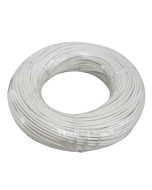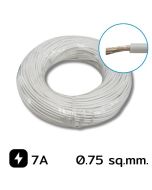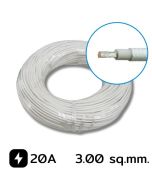
In today's industrial world, heat is one of the critical factors to consider in electrical systems, especially in high-temperature processes. Ordinary wires may not be able to withstand increased temperatures, leading to the development of "heat-resistant wires" to accommodate these challenging environments. These wires are designed to maintain performance even under high heat conditions and enhance chemical and mechanical durability.SCMA is committed to distributing high-quality, heat-resistant wires that cover all usage requirements.
What are Heat-Resistant Wires?
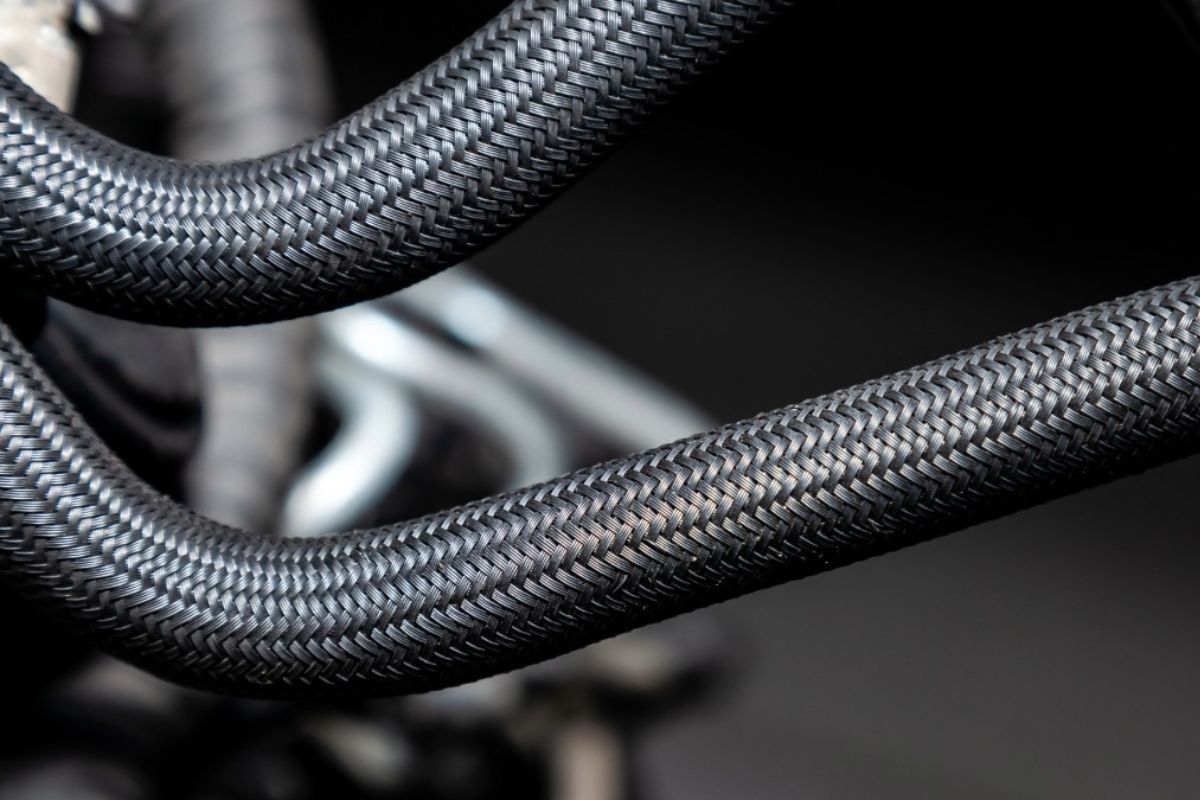
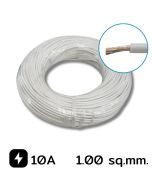
Heat-resistant wires are designed to withstand higher temperatures than ordinary wires, allowing them to be used in high-heat areas such as ovens, machinery, or industrial plants. These types of wires are typically made from insulating materials that can handle temperatures ranging from 90 °C up to over 260 °C and may include special materials like fiberglass, Teflon, or silicone rubber, which have fire-resistant properties, do not spread flames, and do not produce toxic fumes. Additionally, there are heat-resistant wires with fiberglass insulation and heater-specific heat-resistant wires that meet specialized usage requirements.
Features of Heat-Resistant Cables
Heat-resistant cables are designed to handle high-temperature operating conditions and stricter safety constraints. These cables have special properties that differ from standard cables as follows:
- High heat resistance, ranging from 90 °C to 260 °C depending on the material type
- Flame-retardant insulation that does not produce toxic smoke when burning
- Chemical, oil, and moisture resistant
- High flexibility for installation in restricted or complex areas
- Supports standard electrical voltages such as 300V, 600V
- Available in various types, such as heater cables and heat-resistant fiberglass-insulated cables
Heat-Resistant Cable Testing Standard BS 6387
BS 6387 is a British standard used to test heat-resistant cables, specifying the testing procedures for electrical endurance, heat resistance, and flame retardancy. These criteria are crucial in certifying that cables can be used during emergencies. The main tests include:
- Fire test when the cable is subjected to impact (Category C)
- Fire test under water jet conditions (Category W)
- Fire test with mechanical pressure (Category Z)
- High-temperature electrical endurance testing
- Testing the voltage that cables can withstand in emergency conditions
Which applications are suitable for heat-resistant wire?
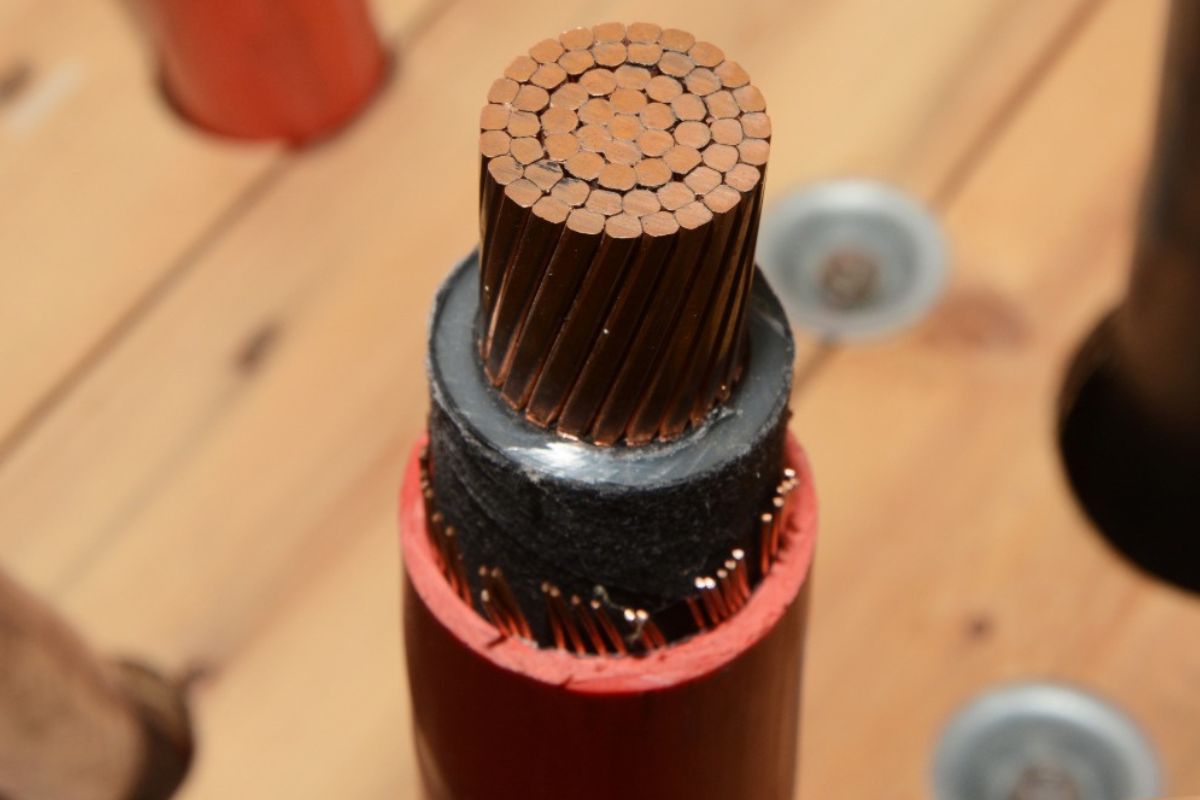
Heat-resistant wires are ideal for applications that continuously encounter high temperatures or areas where intense heat may occur, such as in heavy industries or poorly ventilated spaces. Choosing the right wire can extend its lifespan and reduce fire risks:
- Electric ovens, melting furnaces, and metal production machinery
- Industrial heater systems
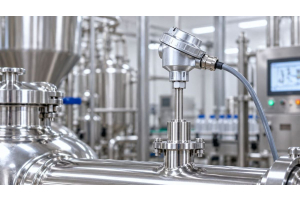
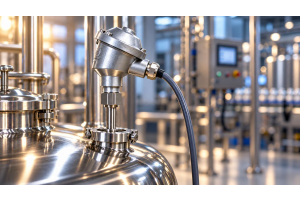
- Laboratories or temperature control systems
- Food and pharmaceutical factories that require safe, health-conscious heat-resistant wires
- Chemical industries or areas with flammable vapors
Why is using heat-resistant wire important?
In high-temperature applications, safety is the core of electrical system design. Using heat-resistant wires is crucial to prevent fires caused by insulation melting or short circuits. It also helps maintain the stability of the electrical system from temperature accumulation, especially in factories with continuous high-heat emitting heater systems or equipment. Heat-resistant wires can reduce repetitive maintenance and enhance overall system efficiency effectively.
How to Choose Heat-Resistant Wires?
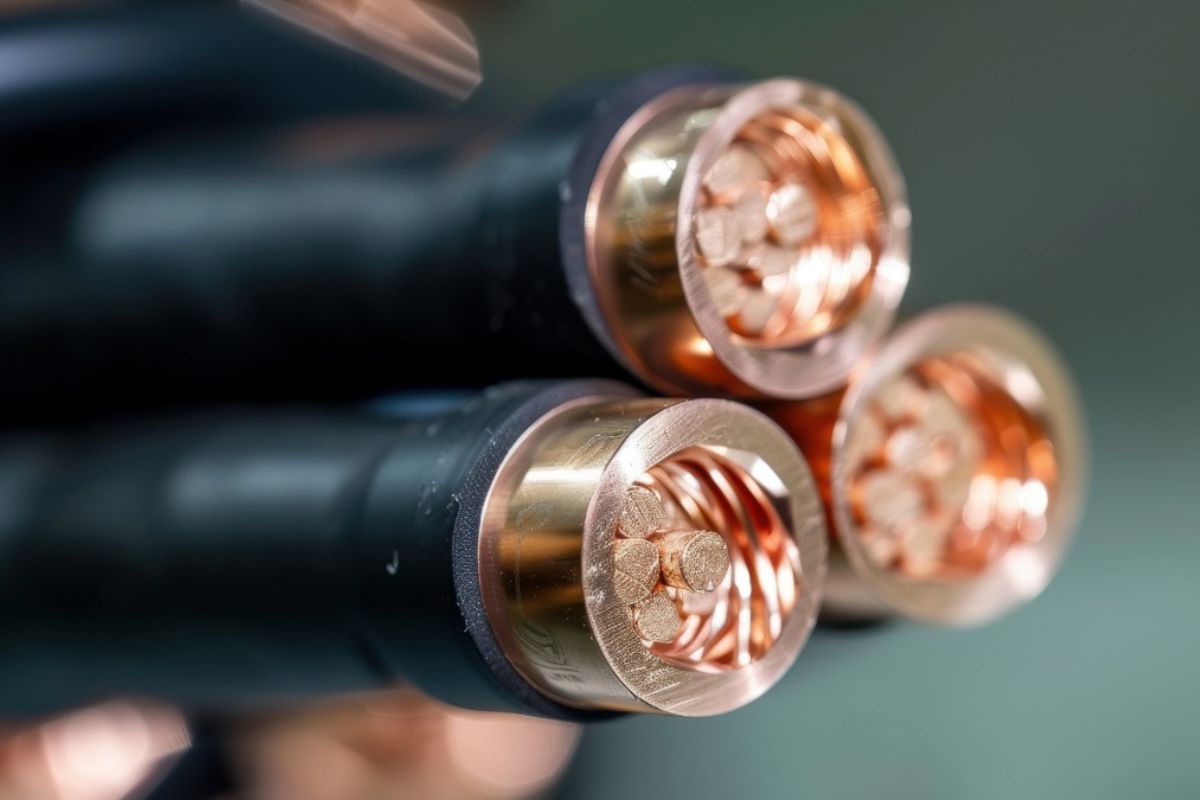
Before purchasing heat-resistant wires, it is important to consider the properties and suitability for actual use. Since each type of wire has different levels of heat resistance and chemical properties, choosing correctly will affect safety and long-term durability:
- The temperature level the wire can withstand
- Type of insulation, such as silicone, Teflon, fiberglass, etc.
- Voltage rating according to the system used
- Flexibility for installation and space requirements
- Compliance with standards such as BS 6387, UL, VDE, IEC
- Application type, for example, heater work requires specific heating wires
If you want to buy heat-resistant wires, SCMA is available today!
SCMA is a reliable supplier of heat-resistant wires that meets the needs of industries with standard-compliant products in various types. We offer silicone, fiberglass, and Teflon heat-resistant wires suitable for both light and heavy-duty applications from 90 °C to 260 °C. Our team provides technical advice and information on selecting appropriate wires for specific applications such as heater wires or heat-resistant wire for factories. SCMA offers professional services both before and after sales to ensure the safety and efficiency of your electrical system.
Summary
Heat-resistant cables are a crucial choice for electrical systems operating in high-temperature environments. SCMA offers products that meet international standards, along with a variety of materials and specialized properties, such as fiberglass-insulated heat-resistant cables or industrial-grade heater cables. Choosing the right cable not only enhances safety but also reduces long-term maintenance costs. If you need reliable cables under any conditions, SCMA provides comprehensive services
Frequently Asked Questions
How heat-resistant is VCT cable?
VCT cables are commonly used in buildings and industrial facilities, with moderate heat resistance properties. Generally, they can withstand temperatures around 70 °C to 90 °C, depending on the manufacturer and insulation material used. Although not specifically designed for high-heat environments, VCT cables can be suitable for controlled temperature conditions. However, for applications requiring higher heat resistance, it is advisable to choose specialized heat-resistant cables.
How heat-resistant is a 1.5 mm² cable?
A 1.5 mm² or standard THW/THW-A/IEC cable typically has heat resistance depending on the insulation material used. If it's PVC, it can withstand temperatures around 70 °C–90 °C. However, a 1.5 mm² heat-resistant cable insulated with Silicone or Fiberglass can endure up to 180 °C or more. Therefore, specifying the intended use before purchasing is important.
How much heat resistance does electrical tape have? How many degrees?
Electrical tapes come in various types such as PVC, silicone rubber tape, or fiberglass tape. Standard PVC tape can withstand around 80 °C while silicone tape can endure up to 180 °C and special glass fiber tape can resist heat up to 260 °C. Choosing the right type should consider the actual temperature conditions for safety and to prevent insulation melting.
How heat-resistant is PVC cable?
PVC cables are standard electrical wires commonly found, which can withstand temperatures around 70 °C–105 °C depending on material quality and manufacturing standards. Using them in higher temperatures may cause melting or degradation of insulation. For continuous high-heat applications, it is recommended to use specially designed heat-resistant cables for increased safety and extended lifespan.