For setting up a factory for various industries, it is necessary to prepare oneself and the required documents to ensure readiness in establishing the factory or to be able to address any issues promptly. This ensures that the establishment of the factory can proceed smoothly. SCMA recommends preparing oneself and the necessary documents for setting up a factory.
Prepare Before Establishing a Factory
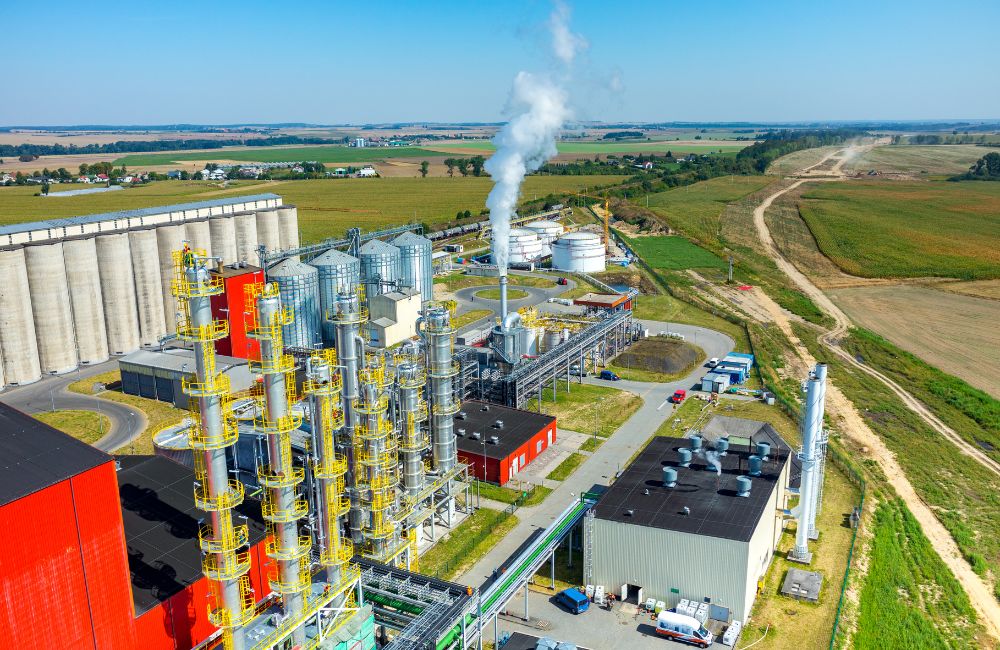
The first thing you need to know is the process of obtaining permission to establish a factory and applying for a business license according to legal requirements. Currently, the revised Factory Act B.E. 2562 has been updated to make it easier for small factories to operate, while larger factories also benefit from more convenience in operation. Before this new revision, the definition of a factory was as follows:
A business establishment with machinery not exceeding 20 horsepower and having between 7 - 20 employees. However, under the revised version, the definition has been changed to an establishment, building, or vehicle that has a combined machine power of at least 50 horsepower and employs at least 50 people. If these criteria are not met, there is no need to apply for a business license (R.N.4).
Previously, general operators had to renew the R.N.4 every five years, but this has now changed so that renewal of the R.N.4 is no longer required because the law has been amended to make the R.N.4 perpetual.
Reasons for Applying for a Business License (R.N.4)
A business license (R.N.4) is issued by the Department of Industrial Works for establishing a factory. The main reason to apply for an R.N.4 when setting up a factory is to comply with the requirements set forth by the Department of Industrial Works, which oversees site establishment and building structures, as well as managing social and environmental impacts in the surrounding area.
Types of Factories Exempt from Applying for an R.N.4
For types of factories that are exempt from applying for an R.N.4 permit but must notify the authorities before establishment, they include:
- Government agency factories
- Factories established for educational and research purposes
- Training institutes' factories
- Family-run industries
- Factories that are necessary and related to non-factory businesses under this Act, located in the same area.
For all types of factories mentioned above, you can view more details at this article:
Prohibited Areas for Factory Establishment
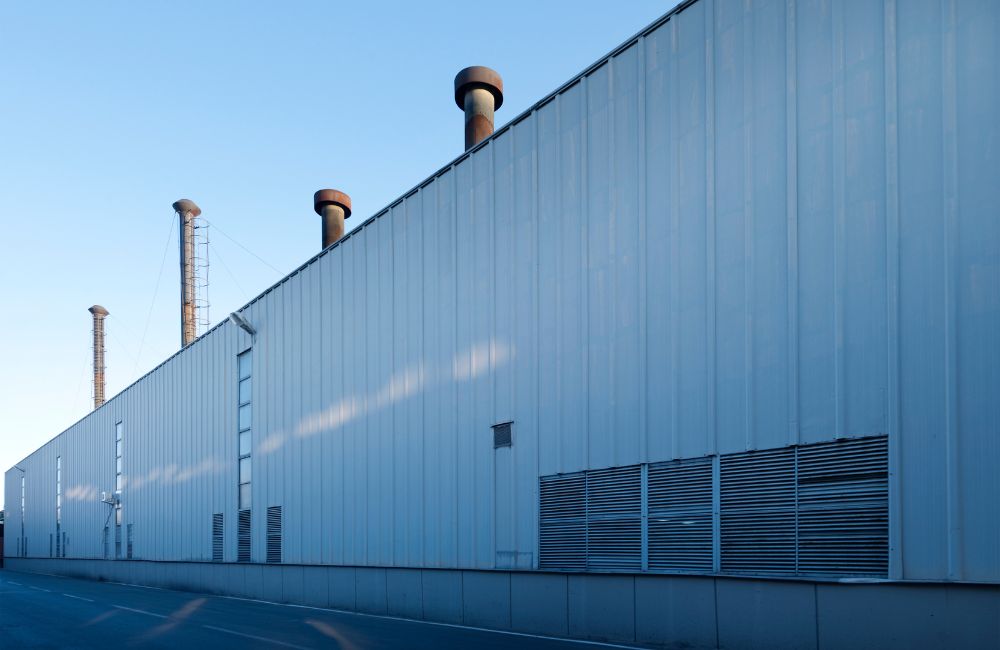
Factory establishment is not allowed in every location, with prohibitions including:
- No factories can be established within close proximity to residential areas, communities, villages, or apartment buildings.
- Type 1 and Type 2 factories cannot be set up within a 50-meter radius of public areas.
- Type 3 factories cannot be established within a 100-meter radius of public service zones.
Where can applications for establishing a factory be submitted?
- For the Bangkok Metropolitan Region, submit your application at the One-Stop Service Center of the Department of Industrial Works, which is open Monday - Friday from 08.30 to 16.30.
- For other provinces, submit your application at the Provincial Industry Office.
- Submit online through the Digital Factory Business License Application System
What Documents Are Needed to Apply for a Factory Establishment License?

- Application for a Factory Establishment License
- Certificate of Incorporation (for corporate factories, and copies not older than 3 months)
- Copy of national ID card and copy of household registration or passport of the signatory
- Power of attorney in case of non-personal submission
- Documents showing ownership of land where the factory is established or title deeds for the factory premises
- Factory building layout plans, certified by an engineer for safety approval
- Machine installation plan, certified by an engineer for safety approval
- Copy of construction permit
- Detailed production process documentation
- Additional documents as required by the officer
Steps for Approving a Factory Establishment License
- The applicant submits all prepared documents along with the application.
- Officers review and verify the completeness of the submitted documents.
- Officers record the submission.
- Officers examine and assess the business operation, including production processes, location, disaster prevention measures, and pollution control.
- Officers prepare a summary report of document review findings.
- Officers inform the applicant of the approval result to issue Factory Establishment License R. No. 4 to those who are approved.
If the application is not approved, the applicant has the right to appeal within a period of 30 days.
Fines for Establishing a Factory Without a License Under R.N.4
Of course, if it's not an exempted factory and is established without applying for the necessary license, this would be considered illegal and subject to legal penalties. The types of offenses are divided into two categories based on the type of factory:
- For Category 2 factories, the penalty is imprisonment not exceeding six months or a fine of up to 50,000 baht. If duties are not fully reported, the fine will not exceed 20,000 baht.
- For Category 3 factories, establishing without a license results in imprisonment of up to two years or a fine of up to 20,000 baht, or both.
Therefore, for anyone wishing to establish a factory to operate various industrial activities, it is necessary to prepare all the required documents and submit them. Once approval is granted, you can proceed with establishing your factory without worry and run your business smoothly. For those who wish to upgrade their factories into Industry 4.0 standards, please contact SCMA as we offer equipment, tools, and sensors from the renowned German brand IFM, which will enable your factory to truly become a smart factory.
References: Department of Industrial Works, vkb.co.th, wolftcb.com, industrial.frasersproperty.co.th, proindsolutions.com