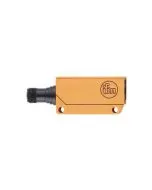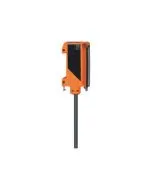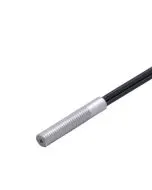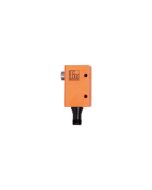
Currently, Fiber Optic Sensor technology is gaining attention and being increasingly used due to its numerous outstanding features. As a result, Fiber Optic Sensors have become the top choice for object detection in manufacturing processes that require high precision and sensitivity. Today, SCMA would like to introduce you to Fiber Optic Sensors further so that you can choose the right one for your work.
What is a Fiber Optic Sensor?
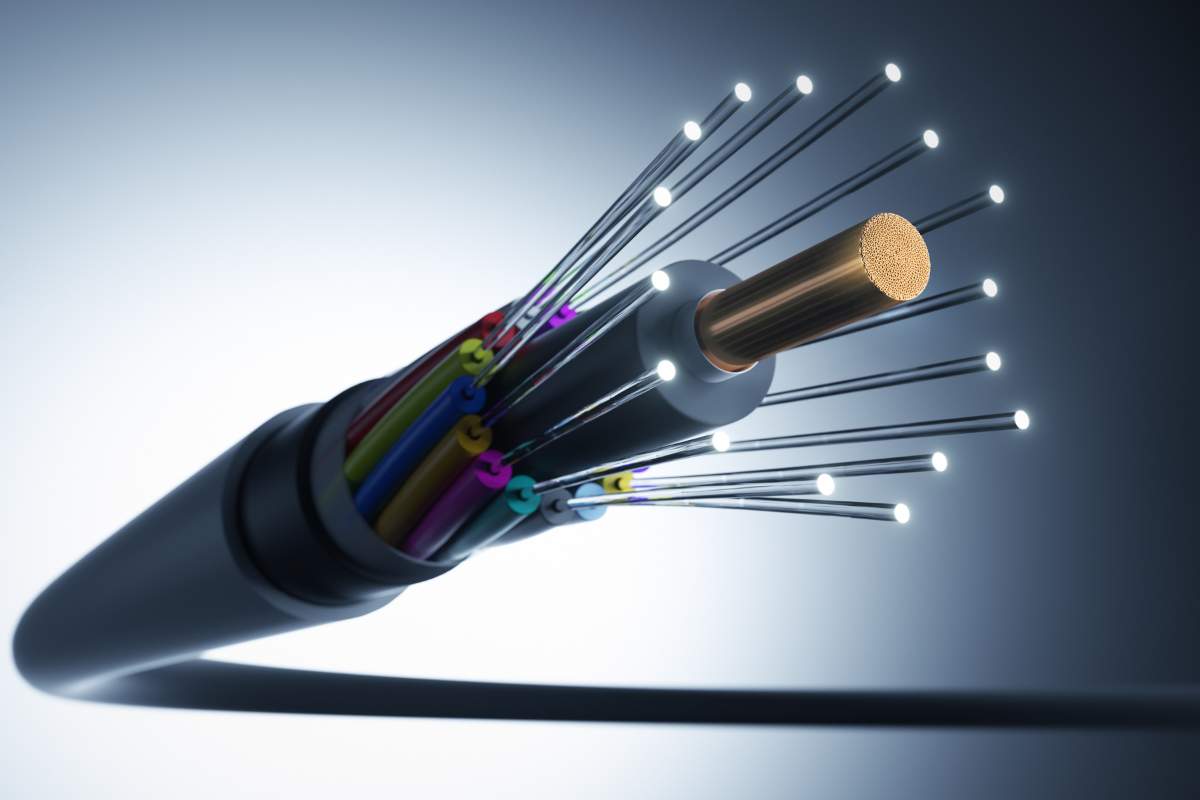
A Fiber Optic Sensor, also known as a Fiber Sensor or optical fiber sensor, is an object detection device that uses the principle of light to operate. It measures the intensity of reflected light from objects to indicate their presence or absence. Fiber Optic Sensors have the advantage of accurately detecting very small objects and can still perform well in high-risk environments.
The main components of this sensor consist of 2 parts:
Fiber Optic Sensors have two key components that work together seamlessly to achieve maximum detection efficiency. These are
- The Fiber Amplifier, which functions to emit light, process it, and send output signals.
- The Fiber Unit, which carries the light from the Amplifier to the object. It comes with various tip styles for different applications such as screw-type, protective sleeve type, wide beam type, etc.
How Does a Fiber Optic Sensor Work?
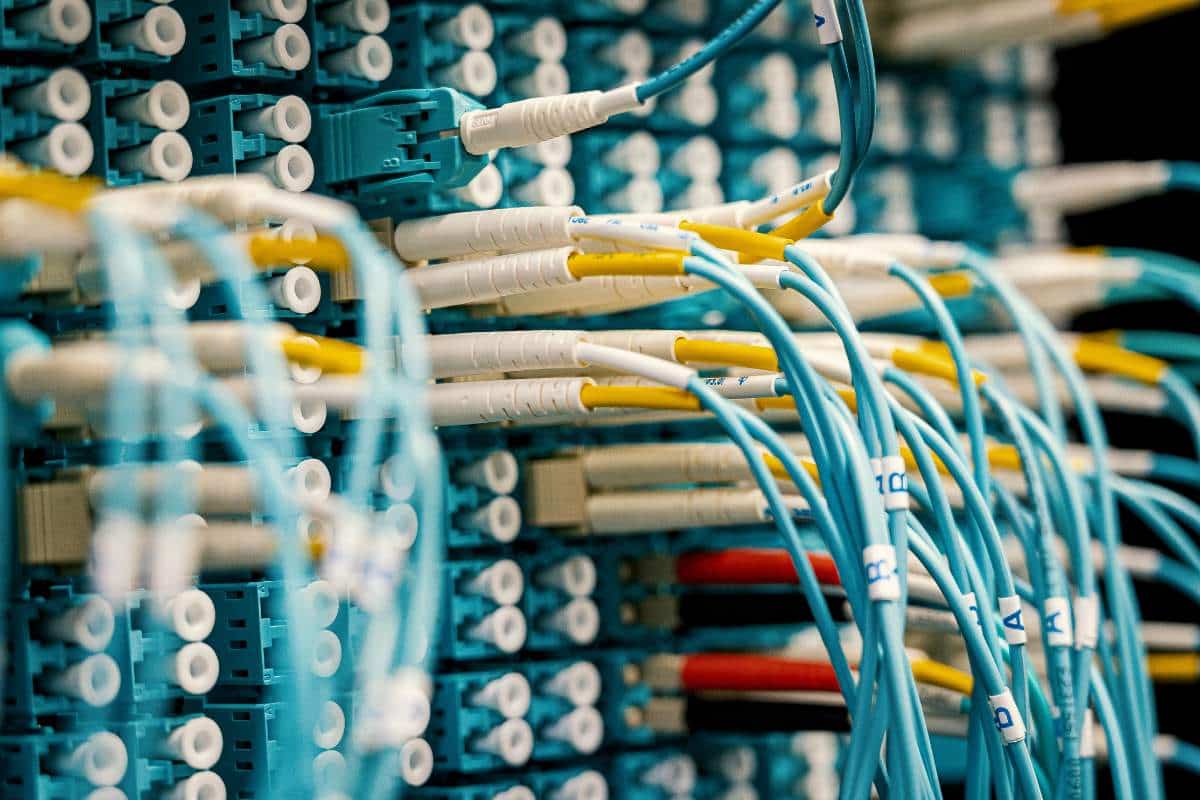
The operation of a Fiber Optic Sensor or Optical Sensor starts with the Fiber Amplifier emitting light through optical fibers in the Fiber Unit. The light travels to an object and is reflected back along the fiber to the amplifier. Then, the amplifier converts the intensity of the light into digital signals and compares it against the preset threshold (Threshold). When an object is detected, the output signal is sent out for further control of other equipment.
How Many Types of Fiber Optic Sensors Are There?
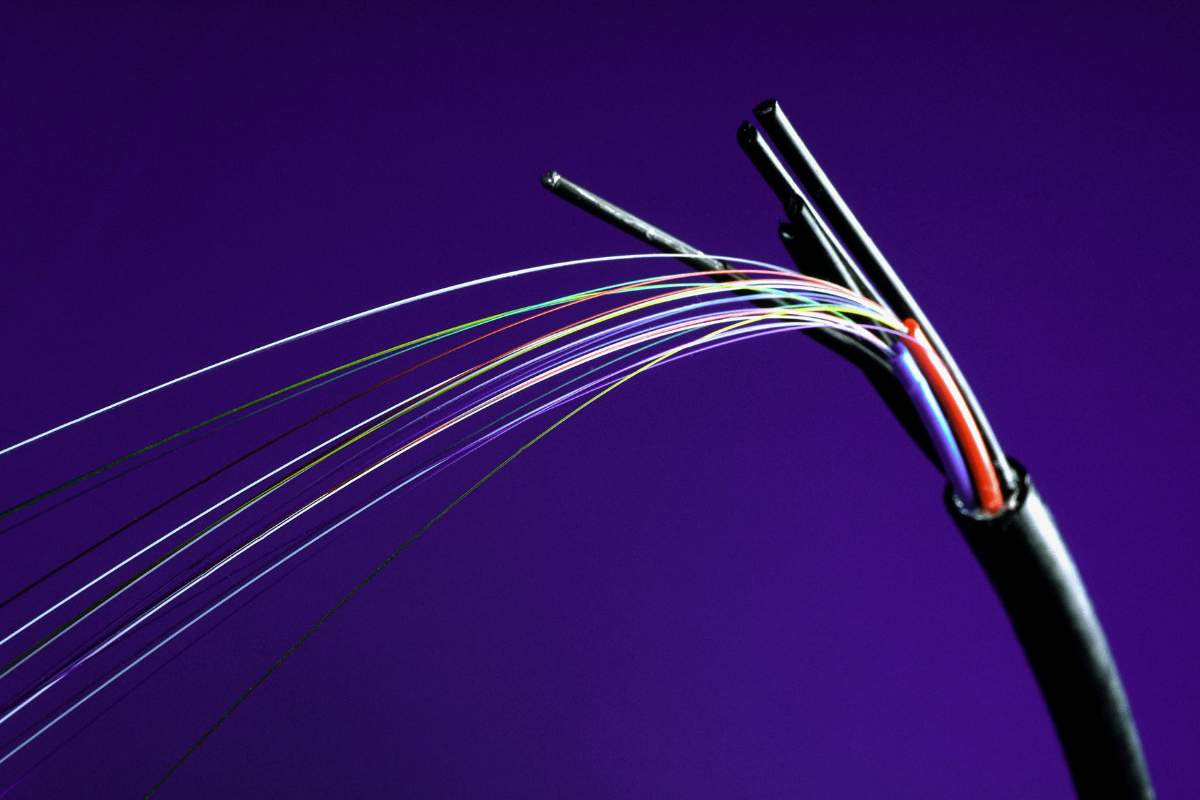 Fiber optic sensors are divided into four types based on their detection characteristics, namely
1. Through Beam Type Sensors (Transmitter-Receiver)
It has separate transmitter and receiver units. When the light beam is blocked by an object, the sensor sends out a signal.
2. Retro-reflective Type Sensors (Reflecting off a reflector plate)
Uses fiber as both transmitter and receiver along with a reflector plate (Reflector). When an object blocks the reflected light beam from the sensor, it activates.
3. Reflective Type Sensors or Diffuse-reflective (Reflecting off objects directly)
Uses fiber as both transmitter and receiver like type 2 but does not require a reflector plate, instead the sensor detects light reflected directly from an object.
4. Limit-reflective Type Sensors (Reflecting objects within limited range)
Uses fiber as both transmitter and receiver too but detection is limited to a specific distance, reducing errors from unwanted objects.
Advantages of Using Fiber Optic Sensor
Compared to other types of sensors, Fiber Optic Sensors have several significant advantages. It's no wonder why many industries are increasingly turning to fiber optic sensors.
- Small size suitable for limited spaces and small objects
- Suitable for hazardous environments because fiber does not conduct electricity
- Available in various types such as high-temperature resistant and chemical-resistant models
- Better at detecting small differences between objects compared to other sensors
If you are interested in Fiber Optic Sensor, you can purchase from SCMA today!
As a leading automation expert in the country, SCMA offers high-quality Fiber Optic Sensors from top brands worldwide, including Keyence, Omron, Panasonic, SICK and many others. Our team is also ready to provide advice on selecting the most suitable fiber optic sensors for your application, along with excellent after-sales service to ensure that your system operates at maximum efficiency and stability.
Summary
Fiber Optic Sensor is a growing and essential innovation for modern manufacturing processes, offering superior features, high accuracy, and flexibility in use. If you are looking for top-tier Optical Sensors to ensure quality and reliable service, SCMA is the right answer for you. Contact us today to propel your business forward with powerful fiber optic sensor technology.
Frequently Asked Questions
How do fiber optic sensors work?
Fiber optic sensors use the principle of light reflection to detect objects. Light from the transmitter travels and hits an object, then reflects back to the receiver. The receiver converts the intensity of the reflected light into a digital signal for further processing.
How do fiber optic sensors work?
Fiber optic sensors operate by measuring the intensity of light that is reflected back from an object. When there's a change in light intensity due to an object coming closer or moving through, the sensor converts this into an electrical signal.
What is a Sensor Amplifier (Sensor Amplifier)?
A sensor amplifier is a device used in conjunction with Fiber Sensors to emit light, receive reflected light, convert it into digital signals, and output signals. It also allows for the adjustment of various parameters of the sensor.
How many types of Fiber Optic are there?
Fiber optic or optical fibers used with sensors come in several varieties, such as single-mode, multi-mode, co-axial, and separate-core types. The fiber ends also vary, including smooth, spiral, hexagonal nut, spherical, and jacketed types to suit various applications.