In the era of Industry 4.0, competition in manufacturing is not solely based on production capacity but also includes efficiency, management systems, and appropriate use of technology. The concept of Factory Levels has been introduced as a framework for evaluating plant capabilities. In this article by SCMA, we will explain the five levels of factories along with systematic approaches to developing into Smart Factories and World Class Factories.
What are Factory Levels?
Factory Levels refer to grouping plants based on their manufacturing capabilities, quality control, management practices, and technology utilization. They serve as a tool for evaluation and organizational development planning.
Benefits of Knowing Factory Levels
- Helps to understand the current overall capability
- Aids in setting step-by-step development plans
- Increases production efficiency and reduces costs
- Enhances competitiveness in the market
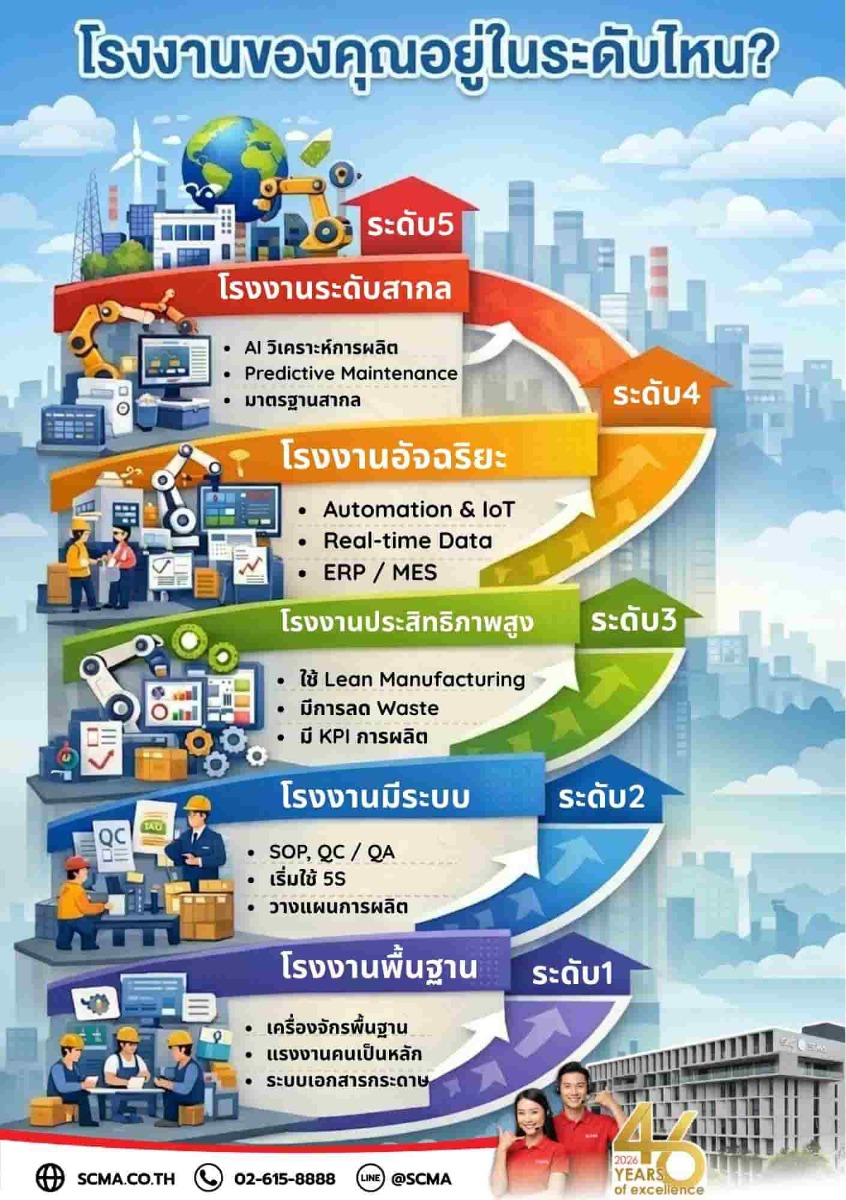
Level 1: Basic Factory
This level represents the starting point of production, lacking standardized management systems.
Characteristics of a Basic Factory
- Uses basic machinery for production.
- Relies heavily on manual labor.
- Lacks automation systems.
- Data collection is done on paper documents.
- Lacks clear operational standards.
Limitations of This Level Factory
- Prone to errors.
- Difficult to control product quality.
- Long production times.
- High hidden costs.
Development Pathways
- Implement SOP (Standard Operating Procedure).
- Initiate quality control systems (QC).
- Train employees to work according to the same standards.
Level 2: Factory with Systems (Standardized Factory)
When a factory begins to have clear standards and processes, it enters the second level.
Key Characteristics
- Has SOP for every process
- Has QC and QA systems
- Begins to implement 5S in the organization
- Has production planning
- Begins to collect production data
Advantages
- Reduces errors from work
- Improves quality control
- Work processes are consistent
Development Pathways
- Implement Lean Manufacturing
- Create Key Performance Indicators (KPI)
- Begin to analyze production data
Level 3: High-Efficiency Plant (Lean Factory)
This level focuses on increasing efficiency and reducing waste in every process.
The Principles of Lean Factory
- Reduce Waste (Waste)
- Efficient Resource Utilization
- Continuous Process Improvement
Types of Waste
- Overproduction
- Waiting Time
- Unnecessary Transportation
- Process Waste
Highlights
- Reduce Production Costs
- Increase Productivity
- Use Data for Decision Making
Development Pathways
- Start Using Automation Systems
- Connect Machines with IoT
- Use ERP or MES Systems
Level 4: Smart Factory (Smart Factory)
A Smart Factory is the use of digital technology to increase accuracy and speed in production.
Key Features of a Smart Factory
- Uses Automation and Robots for Production
- Connects Machines with IoT
- Uses ERP and MES Systems
- Has Real-time Production Monitoring
- Uses Data Analytics for Analysis
Related Technologies
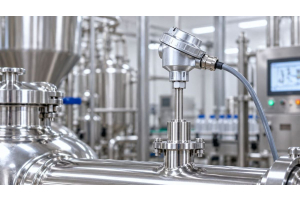
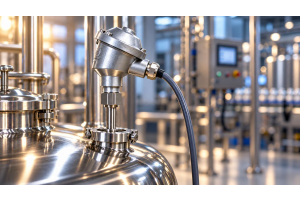
- Industrial IoT Sensors
- Automatic Control Systems
- Cloud and Data Platform
- Automatic Warehouse Systems
Advantages
- Reduces Human Errors
- Increases Production Accuracy
- Can Make Real-time Decisions
Development Directions
- Use AI for Data Analysis
- Implement Predictive Maintenance
- Integrate Supply Chain Data
Level 5: World Class Factory
The highest level of factory with both efficiency, technology, and sustainability.
Key Characteristics
- Uses AI for analysis and prediction
- Has Predictive Maintenance system
- Uses Digital Twin to simulate production processes
- Connects the entire Supply Chain
- Operates as a Green Factory
Related Standards
- ISO 9001 Quality Management
- ISO 14001 Environmental Management
- ISO 45001 Occupational Health and Safety Management
Highlights
- Highest production efficiency
- Reduces environmental impact
- Competitive at the global level
Why upgrading a factory is important
Developing the level of a factory is a crucial factor affecting long-term competitiveness.
Benefits Received
- Reduces production costs
- Increases product quality
- Reduces waste
- Increases profits
- Adapts to new technologies quickly
Approach to Developing a Factory into a Smart Factory
Factory development should be done in stages to achieve sustainable results.
Step 1: Assess Current Level
Analyze where the factory currently stands.
Step 2: Set Goals
For example, developing from Level 2 to Level 3.
Step 3: Choose Suitable Technology
Such as Sensors, Automation or ERP systems.
Step 4: Develop Personnel
Train employees to understand the new system.
Step 5: Use Data for Decision Making
Shift from relying on experience to using data.
SCMA Partner for Factory Upgrades
SCMA provides comprehensive technology and solutions services for industrial factories
Solutions Offered
Additional Services
- Industry 4.0 Training
- Smart Factory Development Consulting
- System Design and Installation
Start upgrading your factory today. If you want to transform your factory into a Smart Factory or World Class Factory, SCMA is ready to assist you from analysis, system design, installation, to team training. Contact SCMA today to start the systematic upgrade of your factory.
Frequently Asked Questions About Factory Levels
1. How many levels are there for factory tiers?
Generally, it is divided into 5 levels: Basic Factory, Standardized Factory, Lean Factory, Smart Factory, and World Class Factory
2. Can a small factory develop into a Smart Factory?
It is possible to start by using basic technology such as IoT or data collection systems, then gradually expand further.
3. How much budget is needed for factory development?
The budget depends on the level you want to achieve and can start with small investments that can be scaled up in the future.
4. What are the differences between Lean Factory and Smart Factory?
Lean Factory focuses on reducing waste, while Smart Factory emphasizes real-time technology and data usage.
5. Where should factory development start?
It is advisable to begin by assessing the current level of your factory and then planning a step-by-step development process.