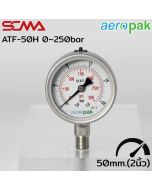

What is a Digital Pressure Gauge and How Does it Work?
A digital pressure gauge is an advanced pressure measurement innovation that provides high accuracy with clear and easy-to-read digital displays. SCMA, the leading brand in measuring instruments, offers top-quality digital pressure gauges from world-class brands. Explore modern pressure measurement technology, learn about its working principles, and discover how to choose the right one for your needs.

What is a Digital Pressure Gauge (Digital Pressure Sensor)?
A digital pressure gauge is a measuring tool that displays the pressure reading in digital format on a screen, instead of using an analog needle gauge. This technology has been developed to meet demands for accuracy and ease of reading. Digital pressure gauges use highly sensitive electronic sensors to detect gas or liquid pressure and convert it into clear digital signals displayed on LCD or LED screens. In addition to high accuracy, they also feature other special properties such as data logging, multiple unit settings, and computer connectivity, making them ideal for industrial applications requiring high precision and continuous data tracking.
How a Digital Pressure Gauge Works
Digital pressure gauges operate using piezoresistive or capacitive pressure sensors as the core component. When pressure acts on the sensor, it causes an electrical property change such as resistance or capacitance that varies with the applied pressure. This changing electrical signal is sent to a processing circuit (Microprocessor) to convert into digital pressure values.
The process starts when the sensitive diaphragm reacts to pressure, causing it to deform. This deformation results in changes within the sensor circuit, which are then amplified and converted from Analog to Digital using an ADC (Analog-to-Digital Converter). The digital data is processed to compensate for temperature and calibrate values before being displayed on a digital screen, providing accurate and stable measurement readings even under changing environmental conditions.
What are the Benefits of Using a Digital Pressure Gauge?
Choosing to use a Digital Pressure Gauge brings numerous benefits in terms of accuracy, convenience, and operational efficiency. Digital technology helps reduce errors from reading values and increases the ability to manage data effectively.
Accuracy
Digital Pressure Gauge offers high accuracy up to ±0.1% of full scale range, which is ten times better than general analog gauges. Digital display eliminates errors from parallax and there are no issues with needle sticking or jittering, resulting in precise and reliable measurement values suitable for high-precision work such as calibration or quality control.
Easy to Use
A simple and user-friendly interface design allows users of all levels to use it immediately without extensive training. Unit conversion can be done instantly with a button press, such as from PSI to Bar, kPa or MPa. Special functions like Zero Reset, Min/Max Recording, and Tare Function make usage more convenient. Some models also have an Auto Power Off system for energy saving.
Digital Data Display
Large LCD or LED displays with backlighting allow clear reading even in dark or low-light conditions. Multi-position decimal digital display provides high resolution, and some models have bar graph or trend indicator displays that quickly show pressure changes trends, including warning signals when the pressure exceeds set values.
Data Logging and Data Transfer Capabilities
Data logging capability allows for storing thousands of measurement values with time stamps suitable for trend analysis and reporting. It can be connected to a computer via USB, RS-232 or wireless for data transfer and analysis using specific software. Some models support real-time data transmission through 4-20mA or Modbus Protocol for SCADA system integration.
What Should You Consider When Choosing a Digital Pressure Gauge?
Choosing the right Digital Pressure Gauge is crucial for efficient and cost-effective measurement. Consider both technical aspects, budget, and suitability to the actual working conditions to get a tool that truly meets your needs.
- Consider Usage Type - Choose one suitable for the type of fluid being measured, such as gas, liquid, oil, or corrosive substances. Check if the wetted parts (materials that come into contact with the fluid) are appropriate.
- Measurement Range - Select a range that covers your actual operating pressure. Normal operating pressure should be within 30-70% of the full measurement range for accuracy and long-term durability.
- Accuracy - Consider the required accuracy, which typically ranges from ±0.05% to ±1% FS. For high-precision work, choose models with better than ±0.25% Accuracy.
- Special Features - Consider necessary additional functions such as Data Logging, Output Signal connection, vibration resistance system, or Intrinsically Safe certification for hazardous areas.
- Working Environment - Check operating temperature, IP Rating level, shock resistance, and necessary certifications such as ATEX, CE, or ISO.
- Budget and Value for Money - Compare prices with received features, including long-term calibration and maintenance costs.

Maintenance of Digital Pressure Gauges
Proper maintenance of digital pressure gauges helps to preserve accuracy and extend the lifespan. It is important to follow manufacturer guidelines and have an appropriate preventive maintenance plan.
- Select Appropriate Durable Materials for Fluids - Use stainless steel 316L for general chemicals, or Hastelloy C for severe corrosives. Consider suitable seals such as Viton for oils, or PTFE for chemicals.
- Install Vibration Protection Equipment - Use a Snubber or Pulsation Dampener to reduce shock from Water Hammer or Pressure Spike, which may damage the sensor.
- Install a Pressure Relief Valve - Set PRV at approximately 110-120% of normal operating pressure to prevent overpressure that may cause permanent damage to the sensor.
- Regularly Inspect and Replace Seals - Check seals and connections every six months or as per usage conditions. Look for leaks, swelling, or cracking of the seal and replace immediately upon finding any abnormalities.
- Calibrate According to Standards - Calibrate at least once a year or as per quality system requirements by an ISO/IEC 17025 certified laboratory.
- Clean and Inspect the Display - Clean the display with a soft cloth and appropriate cleaner. Check for clear readings and replace batteries as required.
What Are the Differences Between Digital Pressure Gauge and Analog Pressure Gauge?
The choice between a digital and an analog pressure gauge depends on usage requirements and budget. Each type has its own advantages and limitations, which should be considered to suit the nature of the work.
Digital Pressure Gauge
Advantages of a digital pressure gauge include high accuracy up to ±0.1% FS and ease of reading values. It can display results in multiple units and has many special functions, such as data logging, alarm settings, and computer system connectivity. Although it is more expensive than the analog type, it offers long-term value for work requiring precision and data management. However, it requires power (batteries or electricity) and has narrower operating temperature limitations.
Analog Pressure Gauge
Advantages of an analog pressure gauge or needle-type include no need for power, durability in harsh environments, and a much lower cost. It is divided into two main types: the dry type suitable for general work without vibration, and the oil-filled type that reduces needle vibration and prevents internal wear, ideal for high-vibration work. Although it has lower accuracy (±1-2% FS) and may cause reading errors, it remains a good option for general work not requiring extremely high precision.
If you want to purchase a Digital Pressure Gauge, SCMA is ready to serve you today!
SCMA proudly offers high-quality digital pressure gauges from leading global brands, covering all measurement ranges and types of use. Our team of experts is available for consultation on selecting the most suitable pressure gauge according to your needs, along with comprehensive after-sales services including calibration, technical advice, and spare parts supply. We have immediate stock availability and guarantee quality in every product at a cost-effective price.Contact SCMA today for special offers and expert recommendations.
Summary
A Digital Pressure Gauge is a modern pressure measurement tool that offers high accuracy and ease of use, making it suitable for industrial applications requiring precise measurements and efficient data management. Although it may be more expensive than analog gauges, its various special features make it worthwhile as a long-term investment. Proper selection and maintenance will ensure the equipment operates efficiently and extends its lifespan. SCMA is ready to be your reliable partner in providing high-quality pressure gauges with excellent service to support your business running smoothly and at maximum efficiency.

Frequently Asked Questions
What is a Digital Pressure Gauge?
A digital pressure gauge is a measuring instrument that displays the pressure as numerical values on an LCD or LED screen instead of using traditional needle indicators. It offers high accuracy and easy reading, along with various special functions such as data logging and computer connectivity. Suitable for industrial applications requiring high precision and continuous data tracking.
How does a Digital Pressure Gauge work?
It operates using Piezoresistive or Capacitive pressure sensors that convert pressure into electrical signals. The signal is processed by a Microprocessor and converted to digital values for display on the screen. Temperature compensation and automatic calibration are performed to ensure accurate and stable measurement results.
What does a Digital Pressure Gauge do?
It measures and displays the pressure of gases or liquids in various systems with high accuracy. Used for process control, quality inspection, and system monitoring for safety purposes. It can log data, send alerts, and connect to automatic control systems.
How does a Digital Pressure Gauge differ from an Analog one?
A digital pressure gauge offers higher accuracy (±0.1% vs ±1-2%) and easy reading with clear numerical values, along with many special functions. However, it requires power and is more expensive than durable and user-friendly analog gauges. The choice depends on the need for precision, budget, and application characteristics.