Having trouble with unstable temperatures during the production process? Ceramic Heater may be the solution you're looking for. The engineering team from SCMA, experts in thermal control equipment and automation systems, have summarized key information you should know through this article's guide on heaters, which will take you from understanding the basic principles of operation to techniques for using them to achieve maximum efficiency.
What is a Ceramic Heater?
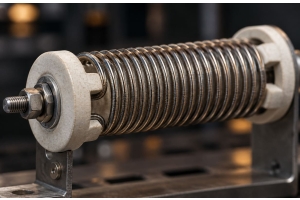
Ceramic Heater is a heating device used in industrial applications, with resistance wire embedded within ceramic plates or rods. This type of device emits energy in the form of long-wave infrared radiation. A key advantage is its ability to achieve high temperatures, resistance to chemical corrosion, moisture resistance, and a very long service life.
How Ceramic Heater Works
The working mechanism of the Ceramic Heater begins with supplying electricity to the heating coil embedded inside. When the ceramic material heats up, it emits infrared heat radiation towards the target object. This type of heat transfer process helps the workpiece receive uniform temperature with high stability throughout the production process.
Why Ceramic Heater is Suitable for High-Temperature Applications
The reason Ceramic Heater meets the requirements for high-temperature applications is that the material has excellent heat resistance, does not melt or change shape when used heavily. The ceramic structure also has excellent electrical insulation properties, which help prevent hazards from electrical leakage. In addition, it stores heat very well, resulting in very little energy loss.
How many types of ceramic heaters are there?
Based on the experience of the SCMA engineering team, we have found that selecting the heater shape that matches the machine is very important. Ceramic heaters in the industry can be mainly classified into 3 forms according to their physical characteristics as follows

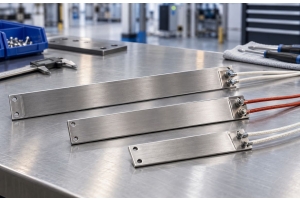
Infrared Strip Heater (Infrared Ceramic Plate Heater)
This type of heater provides heat by directly radiating infrared radiation onto the surface of the workpiece. It is suitable for the drying or moisture removal process on the production line. The ceramic plate is easy to install, and some models are equipped with built-in thermocouple temperature sensors for more accurate control.
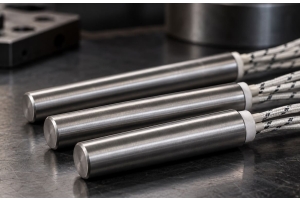
Infrared Tubular Heater (Ceramic Tubular Heater)
This device is designed in a long cylindrical shape, with the heating coil wound around the core or embedded inside the ceramic rod. The ceramic tubular heater can operate at high temperatures and provides rapid heating. It is commonly used to be inserted into molds or kilns that require rapid localized heating.

Ceramic Band Heater (Ceramic Band Heater)
The structure of this model consists of ceramic plates arranged in a way that allows them to be bent, with heating wires embedded inside to wrap around cylindrical pipes. The ceramic band heater is a standard device for plastic injection molding machines and plastic melting processes that require continuous high heat.
Ceramic Heater Maintenance
Regular maintenance ofceramic heater is crucial to extending its lifespan, preventing electrical short circuits, and helping save energy in factories. The maintenance checklist is as follows:
Cleaning the Surface
The first safety rule is to always disconnect the power and wait for the heater to cool down completely before starting any work. After that, use a dry cloth or a slightly damp cloth, and carefully wipe away external dirt. Direct water spraying is strictly prohibited to prevent moisture accumulation in the electrical system.
Removing Dust
Dust accumulation on the ceramic plate surface can obstruct heat radiation, reducing the heater's efficiency. Maintenance technicians should use a soft-bristled brush to gently clean the surface. A vacuum cleaner can also be used to suction dust from the air vents to maintain consistent cleanliness.

Inspecting the Heater
Users must regularly check the physical condition of the ceramic plate for cracks, warping, or breakage. If even minor damage is found, a new heater should be replaced immediately to prevent dangerous electrical leakage that could harm the operator.
Caring for the Electrical Terminals
The electrical connection points must be closely monitored. The terminals, wires, and mounting nuts should be checked to ensure they are secure, without any signs of burning, soot, or looseness. If any dirt is found, the terminals should be thoroughly cleaned and dried to prevent heat buildup at the electrical connections.
Temperature Settings
When activating the heater, always set the voltage (Voltage) and temperature to the values specified on the equipment's nameplate. The engineering team should regularly check the operation of the temperature controller in conjunction with the sensor to ensure that the heating on/off system continues to function accurately.
Application of Ceramic Heaters
In the industrial sector, Ceramic Heater is an essential device that converts electrical energy into thermal energy, playing a significant role. We can classify the main application characteristics into two groups as follows:
Industrial Baking and Heating (Ceramic Infrared Heater)
This type of heater utilizes the principle of long-wave infrared radiation penetrating directly into the material, suitable for the following processes:
- Automotive Painting Industry : Used for baking paint on car parts, quickly drying surface coatings, and ensuring uniform curing
- Food and Agriculture Industry : Installed in dehumidifying ovens for food drying, preservation, and heat sterilization processes
- Plastics and Packaging Industry : Used with plastic bag sealing machines, film forming processes, and industrial adhesive drying
Heating for Machinery (Ceramic Band Heater)
Ceramic tube heaters are designed to have excellent heat retention, suitable for applications requiring continuous high-temperature exposure, such as:
- Plastic Injection Molding Machines : Used to wrap around the plastic extruder barrel (Barrel) to melt plastic pellets before injecting them into the mold
- Plastic Bag Blowing Machines : Control the temperature of the die head area to maintain a constant temperature for smooth film forming
- Plastic Extrusion Machines : Provide heat to the extrusion process of plastic fibers, PVC tubes
and acrylic sheets to achieve the desired shape
Advantages of Ceramic Heaters
Deciding to upgrade to ceramic heaters is a valuable investment for industrial factories. Let's look at the advantages that make this type of heater superior to conventional heaters.
Heat Up Quickly and Evenly
The ceramic structure conducts heat very effectively, allowing the device to reach the desired temperature in a short time. The long-wave infrared radiation also helps distribute heat evenly across the entire cross-sectional area of the workpiece.
Energy Efficient
Thanks to the excellent heat retention properties of ceramic, heat loss to the external environment is minimal. This factor helps reduce factory electricity usage by approximately 30–50% compared to conventional heaters.
Highly Safe and Durable
This type of heater is strong and resistant to corrosion from chemicals, acids, and alkalis. It can withstand high humidity environments. The ceramic material acts as an excellent electrical insulator, greatly enhancing the safety of machine operators.
Applicable to Various Industries
This type of heater is widely applied, ranging from automotive paint drying, moisture removal in agricultural products, food processing, to various packaging machines. This reflects its flexibility in adapting to different types of systems.
Industrial-Specific Usage
Users can choose to design various shapes suitable for machinery and different usage scenarios, whether it be flat panels for rectangular ovens or tube-wrapping heaters for wrapping around plastic injection cylinder barrels, which precisely address the need for targeted heating.
How to Choose a Ceramic Heater
Selecting the correct specifications is important for the lifespan and production efficiency. The expert team from SCMA recommends the following criteria for selecting Ceramic Heater as follows:
- Choose the model that matches the type of work : If it is an oven or drying application, infrared plate type should be used for heat radiation. If used with a plastic injection molding machine, the tube-clamping type should be selected to ensure a tight fit with the machine's cylinder surface.
- Determine the appropriate power (Watt) : The wattage should be calculated to match the area volume. If the wattage is too high, the product may be burned or damaged. If the wattage is too low, the machine will work harder and fail to reach the target temperature.
- Check the voltage (Voltage) : Always check the factory's power system before ordering. In general, in Thailand, 1 Phase 220V or 3 Phase 380V power is used. Connecting the wrong voltage specification will cause the heater to fail immediately.
- Size and installation (Dimension) : For tube-clamping heaters, the diameter (Diameter) and width (Width) of the cylinder must be measured accurately to ensure the heater fits tightly and transfers heat most effectively.
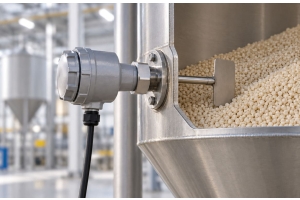
- Support temperature control system : It is recommended to choose a model that can be installed with a thermocouple to allow the temperature control system to precisely start and stop operations, helping to maximize safety.
Installation Precautions for Ceramic Heaters
Along with proper selection, the installation process directly affects the safety and performance of ceramic heaters. The following are precautions that technicians must be aware of:
- Securely Fasten to the Contact Surface : When using a tube-clamping heater, tighten the nuts to ensure the ceramic plate is in close contact with the metal cylinder surface. If there are gaps, accumulated heat can cause the wire to break.
- Check the Heat-Resistant Wiring : The wiring connected to the heater's terminal must be heat-resistant insulated wire only, to prevent the wire from becoming brittle and cracking when the oven is operated for long periods.
- Install Grounding System : Although ceramic is an electrical insulator, for maximum safety of personnel according to factory standards, it is always necessary to ground the heater to the machine's structure.
- Be Cautious of Severe Impact : Although ceramic can withstand high temperatures, it is fragile. Technicians must be careful not to let solid objects fall onto or impact the heater during installation onto the machine.
Summary
Ceramic heaters are premium heating devices that excel in infrared radiation, energy efficiency, and durability in industrial environments. Proper maintenance will help you use the machine for a long time. If your factory is looking for an automation solution, the SCMA engineering team is ready to provide advice to help you reduce costs and improve production efficiency.
Click here to view the full product catalog
Interested in ordering or consulting via LINE Official: @SCMA
If you want to buy ceramic heaters, you can buy from SCMA today!
Choosing non-standard thermal control equipment may lead to machine stoppages and increased costs. SCMA, the provider of industrial measurement and testing solutions, has a variety of high-quality ceramic heaters available for sale. We have a team of specialized engineers ready to provide design, installation, and consultation on all measuring equipment and instruments to ensure your production process runs perfectly seamlessly.
Frequently Asked Questions
Are ceramic heaters more energy-efficient than regular heaters?
Yes, they are much more energy-efficient because ceramic materials retain heat well and emit infrared radiation directly into objects, reducing energy loss by up to 30-50%.
Can ceramic heaters be exposed to water?
Ceramic materials are resistant to moisture, but direct contact with water should be avoided as it may allow moisture to enter the electrical connectors and cause a short circuit.
What is the average lifespan of a ceramic heater?
If installed correctly and cleaned regularly, the lifespan can last for many years, depending on the operating temperature and environmental conditions.
What temperature should the heater be set to?
The appropriate temperature depends on the requirements of the workpiece, but it should not be set higher than the maximum temperature specified on the equipment's nameplate to prevent wire breakage.
How does a ceramic band heater differ from a stainless steel band heater?
The ceramic type can withstand higher temperatures and retains heat better, has a longer lifespan than the stainless steel type, and is suitable for high-duty plastic injection molding machines.