
Selecting the right industrial wire cutters is crucial for reducing waste in manufacturing processes. SCMA offers consultation and design services for automated system solutions, as well as high-quality equipment sales. This article will take you through the types, maintenance methods, and professional buying checklists to help you make the most cost-effective investment.
What is a Cable Cutter?
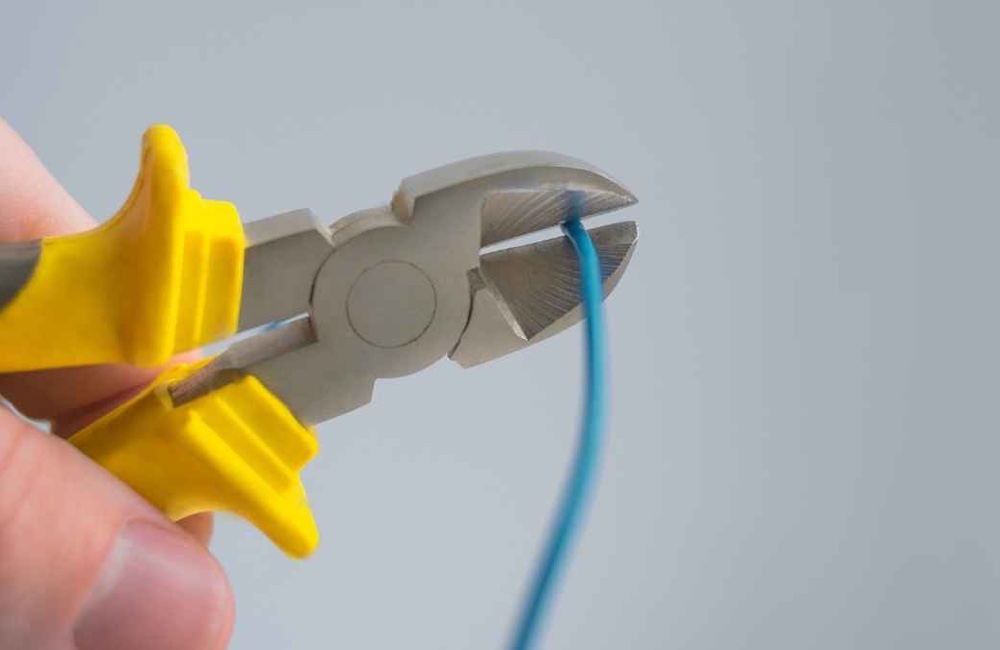
Cable Cutter, or cable cutting pliers, is a specialized tool designed specifically for cutting large cables and wires. This equipment features exceptionally strong blades to prevent the cable from deforming or internal copper strands from breaking. Unlike small wire cutters that cannot withstand massive pressure, using the correct tools according to specifications will clearly extend the lifespan of electrical wiring.
How Many Types of Cable Cutters Are There?
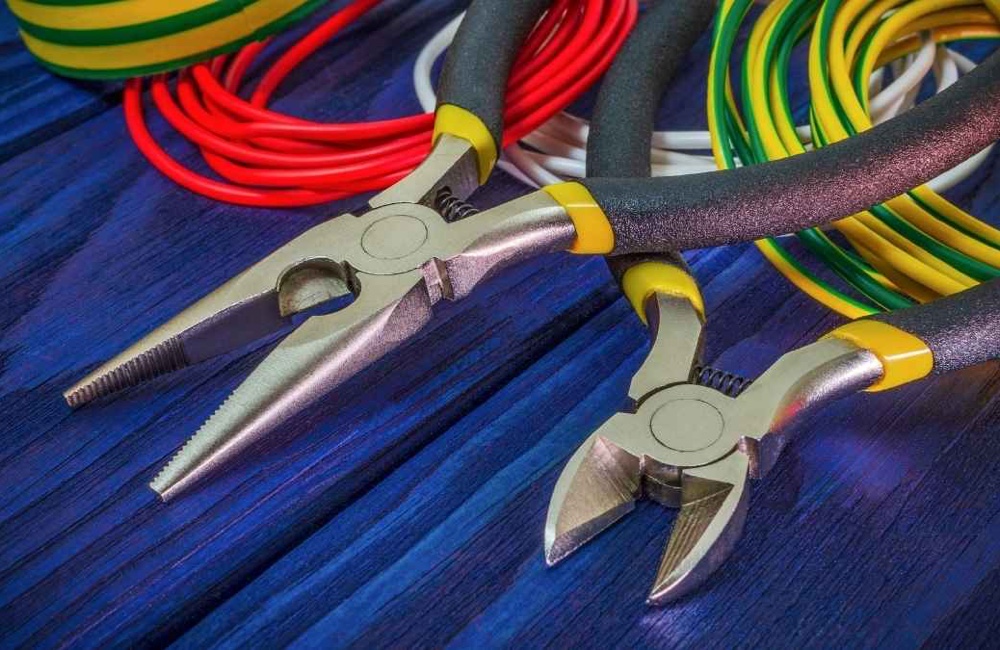
Understanding the different types of tools will help you choose wire cutters that best suit your actual work needs. The main types commonly used in industry are divided into three categories:
Manual Lever Type
This type is a compact cable cutter tool that uses direct hand pressure from the operator. It is suitable for use with wires of moderate size. Most electricians prefer to carry this kind of wire cutters in their toolbox for basic maintenance work.
Gear Mechanism Type
This model has a gear or lever mechanism that helps increase efficiency by reducing effort. You can easily cut thick cables without needing much pressure with just one squeeze, making it an excellent design to reduce muscle fatigue.
Hydraulic Type
This equipment works using a hydraulic system to apply massive cutting force onto the workpiece. It is suitable for very large cables or armored wires in heavy industrial applications. This type of wire cutter provides the highest level of safety and smooth, clean cuts.
Maintaining Cable Cutters
Proper maintenance of tools helps extend their lifespan and effectively prevent rust. These maintenance steps for wire cutters can be carried out immediately.
Cleaning After Use
You should use a soft-bristled brush or dry cloth to remove any copper, aluminum, or insulation residue from the blades. Avoid washing wire cutters directly with water to prevent moisture buildup at pivot points.
Lubricating Joints and Blades
Regularly apply multi-purpose oil to the pivot points of the tool for smooth opening and closing. A thin layer of oil on the wire cutter blades will help coat the surface, preventing rust and maintaining sharpness longer.
Sharpening
If you notice that the blade is dull or unable to cut cleanly, use a general-purpose knife sharpening stone to adjust it. For specialized wire cutters, replacing the blade may be necessary for optimal cutting performance.
Storage
Store tools in dry boxes or equipment cabinets to prevent moisture. Always cover the wire cutter blades with sleeves or protective caps to reduce accidents and maintain blade sharpness.
Additional Tips for Hydraulic Models
If you are using hydraulic cable cutters, regularly check the hydraulic oil level to ensure it is within standard limits. Bleed air from the system to maintain full power of the wire cutters.
How to Use Cable Cutter
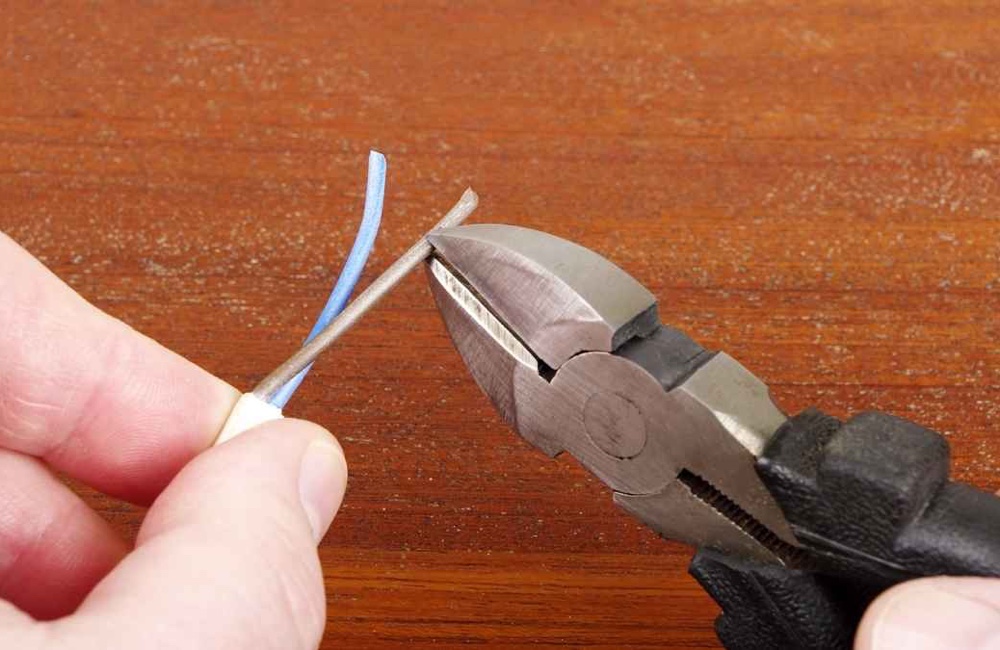
Proper and safe use of tools starts by selecting the right cutter for the size of the wire to prevent damage to internal conductors, helping extend the lifespan of your wire cutters.
Prepare Wire and Measure Length
Start by cleaning the area on the wire where you intend to cut. Accurately measure the point at which you need to cut or strip to minimize errors during operation with wire cutters before proceeding.
Aim the Cutting Edge Properly
Insert the cable into the curved part of the cutting edge as deeply as possible, avoiding using the tip of the wire cutters to clamp wires as this can easily damage the tool.
Apply Pressure
Hold the handles firmly and apply steady pressure in one motion. For larger cables, switch to hydraulic wire cutters to reduce strain and prevent accidents.
Safety Precautions for Cutting Wires
Based on SCMA engineer experience, the utmost caution is to disconnect power before using a Cable Cutter. Do not use the tool to cut hard materials like steel cables as it will immediately damage the blades. Personal protective equipment must be worn by all wire cutter users strictly.
How to Choose a Cable Cutter
To make your investment worthwhile, consider the actual work environment primarily so that you get wire cutters that perform smoothly without damaging wires.
- Evaluate the type of target wire such as copper, aluminum or thick armored cables.
- Check the maximum diameter the tool can accommodate.
- Select a force-reducing mechanism suitable for your workload to reduce fatigue.
- The blade material should be made from high-carbon steel for durability.
- Note that the handles must be insulated and comfortable to grip.
Factors to Consider When Choosing Quality Brands
In addition to usage specifications, selecting a reputable brand can significantly reduce hidden costs. Considering these factors will help you get Cable Cutters that meet global standards along with durable wire cutters.
- Look for brands with industry standard certifications for maximum safety.
- Check the warranty provided by official distributors.
- Consider the total cost of ownership throughout the lifespan of the wire cutters, not just the initial price.
- Verify the availability of spare parts in the market, such as replacement blades.
- Select from a company that offers direct technical consultation with engineers.
Summary
Choosing quality Cable Cutters that meet your needs can greatly enhance safety and speed up operations. If you maintain wire cutters properly, these tools will be durable companions to your factory. For business owners looking for efficient measurement system solutions, SCMA is ready to be your technical partner.
You Can Buy Cable Cutters from SCMA Today!
SCMA is a specialist in measuring, testing, control systems, and automation that the Thai industrial sector trusts. We offer high-quality tools and equipment (All Products) for comprehensive distribution, along with consulting services inProjects & Solutions by expert engineers to help you integrate Cable Cutters and wire cutters into your system for maximum efficiency.
Frequently Asked Questions
Can cable cutters be used to cut wire ropes?
No, it should not be used for cutting wire ropes as the blades are designed specifically for copper or aluminum. Attempting to cut harder materials will immediately damage the blade.
How often should I lubricate the pivot points of the pliers?
Clean and apply multi-purpose oil after each use to prevent moisture buildup, extending the lifespan of your tool.
In what ways are gear-driven pliers better than regular ones?
The gear system greatly reduces the force needed by the user, allowing you to easily cut thick wires without straining your hand muscles.
What special maintenance is required for hydraulic pliers?
Regularly check the hydraulic oil level and ensure it stays within normal range. If cutting power decreases, immediately add oil to purge air from the system.
Do SCMA products come with a warranty?
All items from SCMA are backed by quality warranties according to manufacturer standards. We have a maintenance team available for consultation throughout the product's lifespan.