
An Air Quality Monitor is a crucial tool for measuring air quality today, helping us understand the levels of pollution and contaminants in the air we breathe every day. This article SCMA will introduce you to Air Quality Monitors, their functioning, types, and benefits in both daily life and industrial applications.
What is an Air Quality Monitor?

Air Quality Monitor or an air quality measuring device is a tool for monitoring and analyzing meteorological conditions to record and track various data continuously. It can measure both physical parameters of the air, such as temperature, humidity, atmospheric pressure, and wind direction, as well as detect pollutants in the air, including particulate matter PM2.5, PM10, and toxic gases like SO2, NOx, CO, and O3, enabling people to be vigilant and respond promptly to potentially harmful weather conditions.
How Many Types of Air Quality Monitors Are There?
Air quality meterscome in various types designed to meet different needs. They can be broadly categorized into three main types based on their usage and the type of pollutants they measure, namely dust sensors, gas sensors, and multi-parameter air quality sensors. Each type has specific features that suit different environmental conditions.
Dust Sensors
These sensors are designed specifically to detect particulate matter in the air, capable of measuring concentrations of various particle sizes such as PM2.5 (particles smaller than 2.5 microns) and PM10 (particles smaller than 10 microns), which can enter the respiratory system and directly impact health.
Gas Sensors
Gas sensors are tasked with detecting and measuring concentrations of various gases in the air. Each type is designed to be sensitive to specific target gases, such as carbon dioxide (CO₂), carbon monoxide (CO), nitrogen dioxide (NO₂), sulfur dioxide (SO₂), ozone (O₃), and volatile organic compounds (VOCs), all of which are pollutants that affect health and the environment.
Multi-Parameter Air Quality Sensors
These sensors combine the ability to measure both particulate matter and multiple gases in one device. They often also include measurements of weather parameters such as temperature, humidity, and air pressure, providing a comprehensive overview of air quality. This makes them suitable for use in homes, offices, and public places where integrated air quality data is needed.
How Does an Air Quality Monitor Work?
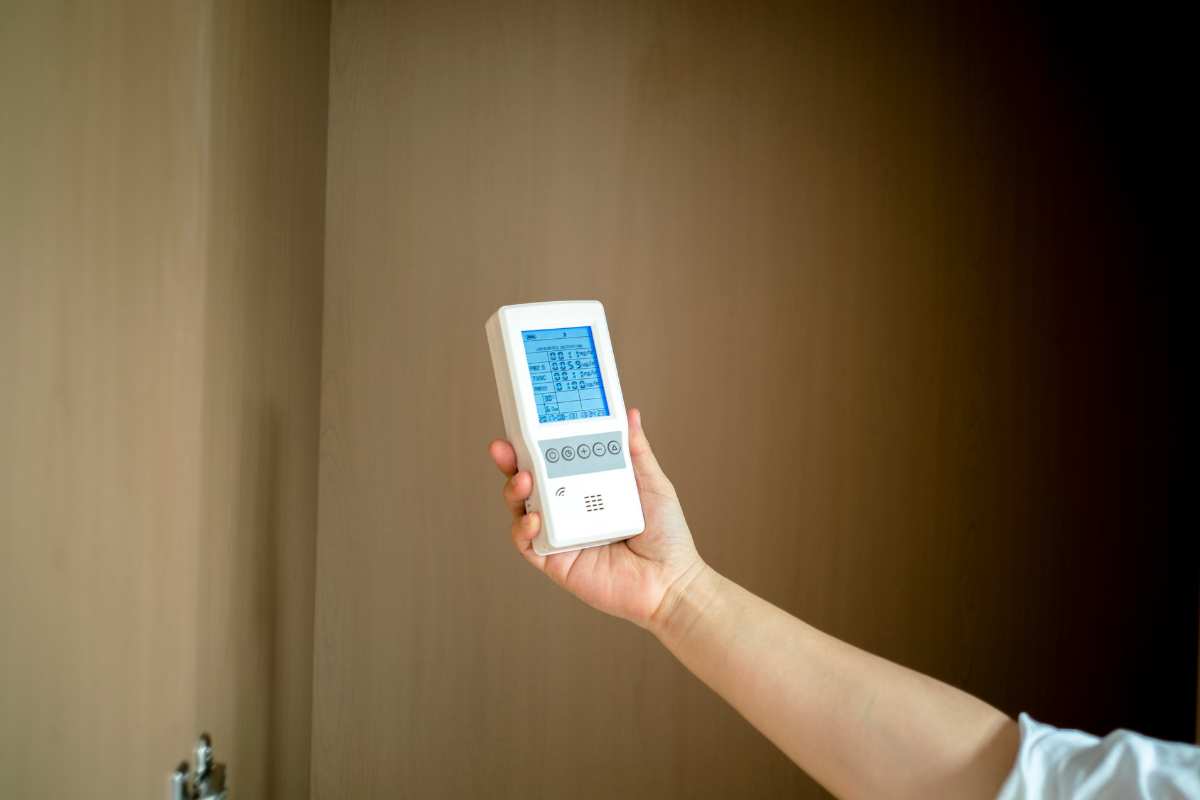
An Air Quality Monitor operates through an air quality measurement systemthat includes various sensors designed to detect specific pollutants such as PM2.5, PM10 particles and gases like CO, CO₂, NO₂, and O₃. Data from the sensors is sent to a central processing unit which uses specialized algorithms to analyze and convert raw data into easily understandable air quality indexes. The results are then displayed on the device's screen or transmitted to smartphone applications and online platforms for users to monitor and track real-time air quality.
What Can an Air Quality Sensor Be Used For in Industry?
In the industrial sector, air quality sensors play a crucial role in monitoring, controlling, and preventing air pollution. They enable operators to continuously track air quality in work areas to comply with environmental standards and workplace safety regulations. Additionally, they aid in policy decision-making and improving production processes to be more environmentally friendly.
- Monitoring Air Quality at Construction Sites - Air quality sensors are used to track dust levels caused by demolition, drilling, and other construction activities. This allows for timely measures to reduce impacts such as misting or installing dust barriers.
- Controlling Pollution in Industrial Plants - Factories can install gas and particulate sensors to monitor emissions from production processes. This helps detect abnormalities and prevent hazardous substance leaks before they become major issues.
- Monitoring in the Energy Industry - Power plants and oil refineries use air quality monitoring systems to track greenhouse gas emissions and other pollutants such as sulfur dioxide and nitrogen oxides. This helps improve pollution control system efficiency and reduce environmental impacts on surrounding communities.
- Developing Smart Transportation Systems - Measure pollutant levels near roads and transportation hubs to develop traffic management systems that help reduce environmental impacts.
Benefits of Using an Air Quality Monitor
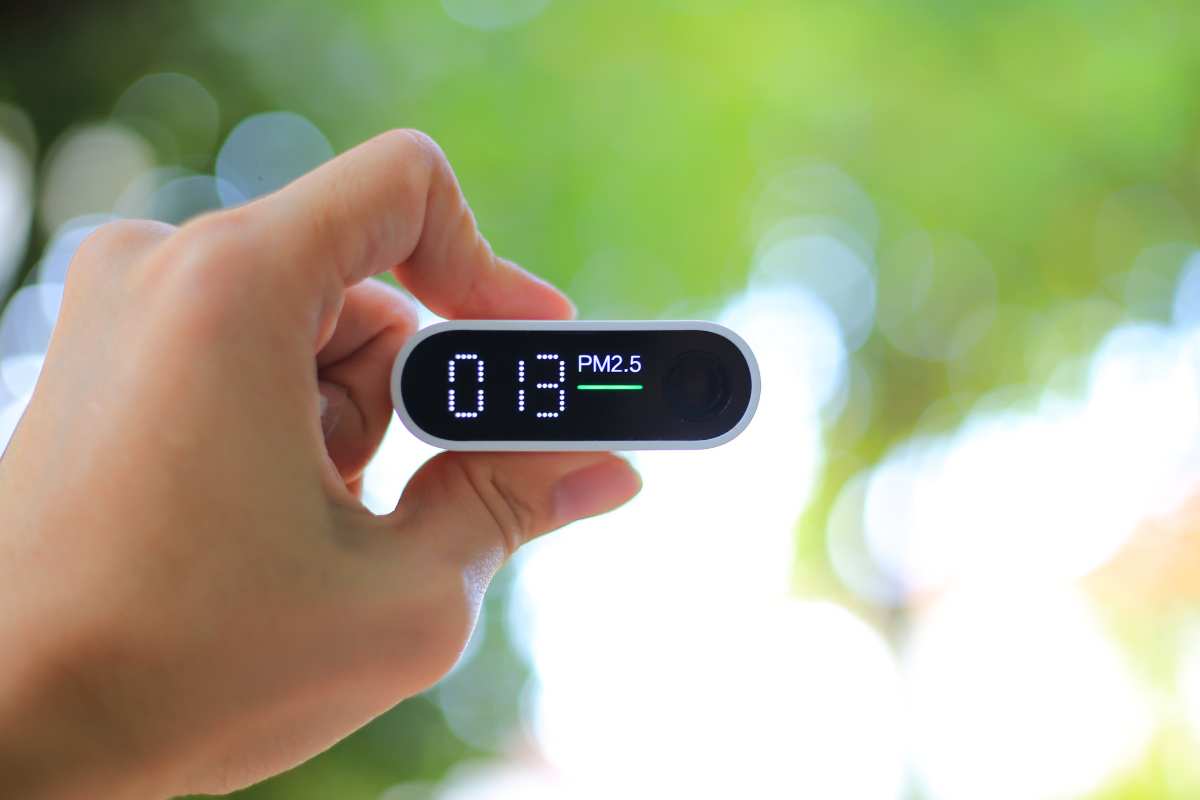
An Air Quality Monitor is invaluable in air quality monitoring to monitor, track, and assess the sources of air pollution that may arise from various human activities such as traffic, industrial production processes, and open burning. The data collected not only helps in alerting the public when air quality deteriorates but also serves as a crucial basis for policymakers to plan effective measures and strategies to address air pollution.
If you are looking for an Air Quality Monitor, SCMA is now available!
If you are seeking high-performance, reliable air quality monitoring equipment that meets both personal and industrial needs, SCMA has the solution for you. We offer a wide range of Air Quality Monitors to cover all requirements, from small particle sensors to comprehensive air quality monitoring systems for factories. Our team of experts is ready to provide consultation to help you choose the best productthat fits your needs. Additionally, we provide comprehensive after-sales services to ensure that your equipment operates at peak efficiency throughout its lifespan.
Summary
An Air Quality Monitor is a crucial tool in today's era where air pollution has become a major issue in many areas around the world. These devices help us accurately measure and track air quality, leading to awareness of problems and effective solutions. Whether it’s improving indoor air quality at home, offices, or industrial plants, advanced sensor technology makes measurements more accurate and affordable. SCMA is a leader in distributing and providing services for high-quality Smart Air Monitors, with a team of experts who can offer advice and support throughout the process from selection to maintenance, ensuring you get maximum benefit from your investment in air quality monitoring equipment.
Frequently Asked Questions
What is a weather measuring device?
A weather measuring device is an equipment used to measure various parameters of the weather, such as temperature, humidity, air pressure, wind speed, and rainfall. This differs from Smart Air Monitors which primarily focus on measuring pollutants and contaminants in the air. However, many modern air pollution detectors have incorporated features of weather measuring devices.
What is an air quality monitor?
An air quality monitor or API device is designed to detect and measure the levels of pollutants in the air, such as PM2.5, PM10 dust particles, various toxic gases, and volatile organic compounds (VOCs). These tools help users assess the quality of air they are breathing and take preventive actions when air quality deteriorates.
What is a weather sensor?
A weather sensor or air measuring device refers to sensors or equipment used for detecting parameters of the weather or pollutants in the air, which may be part of a larger monitoring system. These sensors come in various types such as temperature sensors, humidity sensors, barometric pressure sensors, and dust and gas detectors in the air.
What are some applications of data collected from measuring atmospheric elements?
The data obtained from measurements can be utilized for various purposes such as weather forecasting, planning outdoor activities, natural disaster warnings, agricultural planning, managing solar and wind power systems, environmental policy planning, and climate change research. These data are invaluable in enhancing quality of life and sustainable resource management.