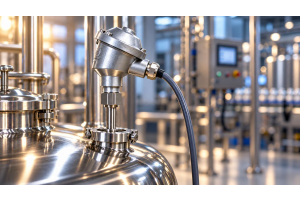

A turbidity sensor is a crucial tool widely used for water quality control today. Have you ever encountered cloudy water in your production process or needed to accurately check the quality of water? Turbidity sensors and water clarity meters help you quickly and accurately measure cloudiness levels. This article will explain how a Turbidity Sensor works, how to choose the right one, and the benefits of using it so that you can effectively apply it in your industry.
What is a turbidity sensor?

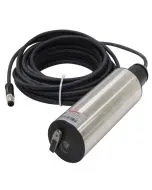
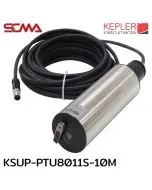
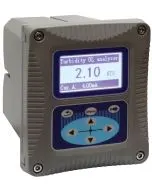
A turbidity sensor, or Turbidity Sensor, is an analytical device designed to measure the amount of suspended particles in liquids, particularly water, which is a crucial indicator of water quality. A water turbidity sensor works by sending light through a water sample and measuring the scattering of light caused by various particles. Modern water clarity meters can detect from very low levels of cloudiness to high levels, making them suitable for diverse applications ranging from drinking water inspection to wastewater treatment process control in industrial plants.
How does a turbidity sensor work?
The operation of a turbidity sensor relies on infrared light scattering technology. When light from the Turbidity Sensor passes through the water sample, suspended particles cause the light to scatter in various directions. The turbidity meter has a light receiver at 90 degrees to measure the intensity of scattered light, which varies according to the quantity and size of particles in the water. The more particles there are, the more the light scatters, allowing for accurate calculation of turbidity.
What are Turbidity Units?
The measurement of turbidity using a turbidity sensor displays results in internationally recognized standard units. Water turbidity sensors can display results in various units according to the standards used. Most water clarity meters and turbidity sensors show results in NTU (Nephelometric Turbidity Units), which is the most commonly used unit.
- NTU (Nephelometric Turbidity Units) - The international standard unit used with turbidity sensors worldwide, measured by scattering light at 90 degrees. 1 NTU corresponds to 1 milligram of formazin solution in one liter of water. This is the reference value most commonly used by turbidity sensors.
- FNU (Formazin Nephelometric Units) - A unit widely used in Europe for water turbidity sensors, similar to NTU but uses infrared light for measurement, reducing interference from water color. Modern water clarity meters often support both units.
- JTU (Jackson Turbidity Units) - An older method of measurement that involves visually observing candlelight through water. Currently not commonly used due to limitations in measuring low values and lower accuracy compared to modern turbidity sensors.
- FAU (Formazin Attenuation Units) - A unit used when measuring light attenuation instead of scattering, often used with laboratory spectrophotometers rather than online turbidity sensors.
How to Use a Turbidity Sensor
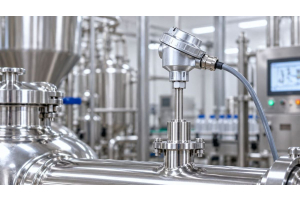
The use of modern turbidity sensors is not complicated. Water turbidity sensors send a beam through the sample and measure scattered light using a receiver perpendicular to the light source. Portable water clarity meters can be directly immersed in water, while permanent installation turbidity sensors continuously monitor in pipes or storage tanks.
How to Choose the Right Turbidity Sensor: What Factors Should Be Considered?
Selecting an appropriate turbidity sensor requires considering several factors to ensure accurate measurements and meet specific application needs. Each model of a water turbidity sensor has different features, understanding your requirements will help you choose a turbidity sensor that provides good value.
Measurement Range
The measurement range of the turbidity sensor is a crucial factor to consider first. If measuring drinking water with low turbidity, select a high-resolution turbidity meter in the 0-10 NTU range. However, for industrial wastewater, you may need a turbidity sensor capable of measuring up to 1000 NTU or more. Choosing an appropriate measurement range will provide accurate and practical data.
Usage
The type of usage determines the suitable water turbidity sensor. For spot checks, portable turbidity meters are convenient and cost-effective. However, for continuous monitoring over 24 hours, a permanently installed real-time data transmission turbidity sensor is recommended. Additionally, consider the size and type of particles in the water.
Accuracy
The accuracy of a turbidity sensor is crucial for quality control. High-quality turbidity sensors have lower deviation rates of ±2% and automatic temperature compensation systems. Professional-grade turbidity meters provide consistent measurements even with changing environments, which is essential for high-precision applications.
Calibration
Calibration is a critical step in maintaining the accuracy of a turbidity sensor by using standard solutions with known turbidity values. Good turbidity sensors should have easy and quick calibration systems; some models even feature automatic calibration functions to reduce user errors. Regularly calibrating turbidity meters ensures data reliability.
Maintenance
Easy maintenance of a water turbidity sensor reduces long-term costs and downtime. Newer turbidity sensor models often have automatic cleaning systems that prevent sediment buildup on the lens. Well-designed turbidity meters feature replaceable parts and maintenance alerts, allowing for efficient planning and management.
Environment
The installation environment affects choosing an appropriate model. For outdoor installations, select a turbidity sensor with high IP ratings to withstand sunlight and rain. In chemical-intensive industrial settings, the water turbidity meter must be made of corrosion-resistant materials. If water temperature fluctuates significantly, choose a turbidity sensor with automatic temperature compensation.
Response Time
The response time of a turbidity sensor is crucial for real-time process control in wastewater treatment systems that adjust chemicals based on turbidity levels. A fast-response turbidity sensor ensures precise control. Newer models often have response times under 1 second, allowing immediate detection and quick adjustment of processes.

Benefits of Turbidity Sensors
Turbidity sensors offer numerous benefits for water quality control and monitoring. Using turbidity sensors to measure the clarity of water enhances operational efficiency and reduces long-term costs. Modern water turbidity meters and Turbidity Sensors come with features that cater to a wide range of applications.
- High accuracy - New generation turbidity sensors use advanced light measurement technology, providing accurate measurements up to ±1% with automatic temperature compensation. High-quality Turbidity Sensors can quickly detect minor changes in turbidity.
- User-friendly operation - Water clarity meters are designed for ease of use, featuring clear display screens and Thai language menus. They also have an automatic calibration system. Some models of water turbidity sensors can connect to smartphones for real-time data viewing.
- Wide range of applications - Turbidity sensors can be installed in various ways such as immersion in tanks, insertion into pipes, or portable units for spot checks. Turbidity Sensors are available in different sizes and styles to suit specific needs.
- Multitude of measurement units supported - Water turbidity meters can display results in multiple units including NTU, FNU, FTU, or mg/L according to required standards, making it convenient for data comparison and compliance reporting.
What are the limitations of turbidity sensors?
Although turbidity sensors are highly beneficial, they come with certain limitations that users should be aware of. Understanding the limitations of water turbidity sensors will help ensure their effective use. Water clarity meters and Turbidity Sensors must receive proper maintenance to function well.
- Sample changes - When water samples are collected for analysis in a laboratory, sedimentation or microbial growth may occur during transportation, causing the readings from turbidity sensors to differ from the actual conditions at the sampling point.
- Regular maintenance required - Turbidity Sensors must be cleaned regularly to prevent sediment buildup, especially when used with highly turbid water. Some models of water clarity meters require periodic bulb or battery replacement.
- Frequent calibration needed - Water turbidity sensors need to be calibrated using standard solutions at least monthly, or more frequently if heavily used. Calibration requires expensive standard solutions.
- High initial costs - High-quality turbidity sensors are relatively expensive, especially those with comprehensive features and high accuracy. Training costs for users also add to the expenses.
- Necessity of power source - Most Turbidity Sensors require electricity to operate, making their use in remote areas inconvenient. While portable water clarity meters use batteries, they still need regular charging or replacement.
Applications of Turbidity Sensors
Turbidity sensors are widely used in various industries. Water turbidity sensors are important tools for controlling quality and improving production efficiency. Clear water turbidity meters and Turbidity Sensors help continuously monitor and control the quality of water.
- Water Quality Testing - Use turbidity sensors to test drinking water and tap water according to WHO and Public Health Department standards. The Turbidity Sensor helps detect contamination immediately, preventing the spread of pathogens.
- Aquifer Water Testing - Use clear water turbidity meters to check the quality of aquifer water before use. Water turbidity sensors help evaluate the efficiency of filtration systems and indicate maintenance needs.
- Wastewater Treatment - Turbidity Sensors are used to control sedimentation and filtration processes in wastewater treatment plants. Turbidity sensors help adjust chemical amounts appropriately, reducing costs and improving treatment efficiency.
- Industrial Wastewater Control Systems - Use clear water turbidity meters to check effluent before discharging into natural water sources. Water turbidity sensors ensure that the effluent meets Industrial Factory Department standards.
- Fault Detection - Turbidity Sensors can detect leaks in filters or gaskets in pipeline systems when turbidity increases abnormally. The turbidity sensor will immediately send an alert for inspection.
- Food and Beverage Industry - Use clear water turbidity meters to produce beer, wine, and fruit juice. Water turbidity sensors help control filtration and yeast separation processes as well as check the clarity of finished products.

Want to buy a turbidity sensor? You can purchase from SCMA today!
Investing in high-quality water quality maintenance with turbidity sensors is worthwhile for every industry. SCMA offers high-quality water turbidity sensors and clear water turbidity meters, including imported Turbidity Sensors from leading global manufacturers. With an expert team ready to provide consultation on selection and installation, along with comprehensive after-sales service, we guarantee satisfaction in all applications.
Summary
Turbidity sensors are crucial tools for water quality control, utilizing light scattering technology to measure the amount of suspended particles. Water turbidity sensors come in various types and measurement ranges to suit different needs. Selecting the right turbidity meter requires considering factors such as measurement range, accuracy, and environmental conditions. Turbidity Sensors have a wide range of applications from drinking water inspection to industrial production process control. SCMA is your trusted partner for water quality testing equipment with diverse products and excellent services. Contact us today for consultation and selection of turbidity sensors that meet your needs.
Frequently Asked Questions
What does NTU stand for?
NTU (Nephelometric Turbidity Units) is the standard unit used globally with turbidity sensors. 1 NTU corresponds to the turbidity caused by a solution of formazine at 1 milligram per liter of water. Water turbidity meters use this unit as a standard for reporting results, and higher NTU values indicate greater water turbidity.
What is a water turbidity meter?
A water turbidity meter or turbidity sensor is an instrument used to measure the amount of suspended particles in water by utilizing light scattering principles. The turbidity sensor sends light through a sample and measures scattered light. Modern turbidity sensors can accurately measure and display easy-to-read numerical values, widely used for quality control of water in various industries.
How does a turbidity sensor work?
A turbidity sensor works by sending an infrared beam through the water sample. When light hits suspended particles, scattering occurs. The turbidity sensor has a receiver at 90 degrees to measure scattered light intensity. Water turbidity meters process signals and convert them into turbidity values; more particles result in greater scattering and higher turbidity.
What are the units of turbidity?
The units used with turbidity sensors include NTU (Nephelometric Turbidity Units), commonly used, FNU (Formazin Nephelometric Units) used in Europe, and JTU (Jackson Turbidity Units), a traditional unit. Most water turbidity meters can display multiple units as needed, with the turbidity sensor automatically converting values.