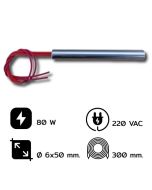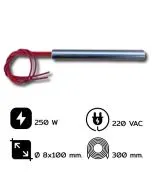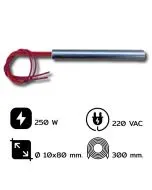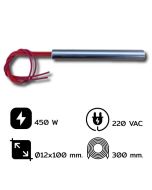

What is the crucial role of a Cartridge Heater in modern industry? This article by SCMA will guide you through understanding what a Cartridge Heater, also known as a rod heater or tube heater, entails regarding its structure, working principles, various types, and industrial applications. It aims to help you choose the most suitable Cartridge Heaters for your needs efficiently. For high-quality rod heater solutions, you can contact our experts.
What is a Cartridge Heater?

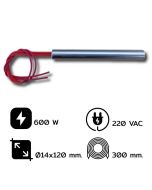
A Cartridge Heater is a cylindrical heating device designed for direct heat transfer. This rod heater can quickly and efficiently provide high temperatures, making it ideal for heating metal molds, steel parts, and various industrial equipment. The standout features of rod heaters include long service life, high-temperature capability, and precise temperature control, which makes them popular choices across diverse industrial applications.
The Basic Structure of a Cartridge Heater
Rod heaters have complex yet highly efficient structures where each part is designed to work seamlessly together. A Cartridge Heater consists of key components with specific functions to ensure effective and safe operation.
- Stainless steel sheath - made from stainless steel or Incoloy for high-temperature types, serving as a protective and heat-transferring layer
- Heating coil - uses high-resistance Nichrome wire as the primary source of heat generation
- Insulation powder (Magnesium oxide) - acts as an electrical insulator and aids in heat transfer
- Ceramic core - provides strength and helps evenly distribute heat
- Silicon insulation tube - protects against heat at the wiring connection point
- Crimp terminal - connects to power supply
- Lead wire sheath - protects wires from heat and damage
- Nickel pin - high-temperature resistant connecting terminals
- Insulator - separates electrical components from the main structure
How Cartridge Heater Works
The operation of a Cartridge Heater involves converting electrical energy into heat through high-resistance nichrome wire. When electric current flows through the wire, it generates rapid heat which is then transferred to the outer stainless steel casing. The densely packed magnesium oxide powder serves as an insulator to prevent electrical leakage and efficiently transfers heat from the wire to the casing, allowing the cartridge heater to achieve high temperatures quickly. Ceramic cores and insulation materials help retain heat and increase durability, making Cartridge Heaters suitable for long-term use even under heavy operating conditions.

What are the Benefits of a Cartridge Heater?
The cartridge heater, or Cartridge Heater, offers extensive benefits and applications that cater to various industrial needs. It is an essential component in modern manufacturing processes.
- Rapid Temperature Increase - Efficiently provides high heat energy to objects and mediums
- Manufacturing Industry Applications - Used for heating molds and machinery in plastic forming, injection molding, rubber extrusion, metal annealing, bag sealing, food processing
- Heating Equipment - Used as a component within various tools such as ovens, steamers, kettles, grills, sealers, packaging machines
- Liquid Temperature Control - Used for controlling the temperature of liquids, chemicals, gases in chemical industries, refineries, petrochemicals
- Factory Heating System - Used as a heater for tanks or pipelines in factory heating systems
- Precision Work Requirements - Used as a heating device for laboratory testing equipment and medical devices that require high precision
How is a Cartridge Heater Different from Other Types?
A cartridge heater differs from other types of heaters in terms of design and specific efficiency. A cartridge heater has a cylindrical shape that can provide high heat and durability, divided into two main types based on the density of the coil.
- High-Density Cartridge Heater - This is a type of cartridge heater with high-density coils that can operate at temperatures not exceeding 350°C. It offers high efficiency and long lifespan, although it may be slightly more expensive, it is more popular.
- Low-Density Cartridge Heater - This is a type of cartridge heater with low-density coils suitable for work up to 150°C. It is cheaper but has lower efficiency and lifespan compared to High-Density.
What Types of Cartridge Heaters Are There?
Cartridge heaters come in various forms to meet different usage requirements. Each type of cartridge heater is designed for specific situations, offering unique advantages and applications.
Dip-in Cartridge Heater
A dip-in cartridge heater is a type of cartridge heater designed for direct use in liquids. There are 3 types: flange style, screw plug, and side entry to accommodate various installation needs. This type of heater is suitable for heating water, oil, and other chemicals.
Insert Cartridge Heater
An insert cartridge heater is a standard type of cartridge heater designed for general use, fitting into precisely drilled holes. Made from stainless steel or nickel alloy, it resists oxidation. This type of cartridge heater offers high value and efficiency, suitable for general work.
Custom Cartridge Heater
A custom cartridge heater is a type of cartridge heater produced according to special customer requirements. It can be customized in size, shape, and features to suit specific jobs. This type of heater meets specialized usage needs, providing maximum efficiency.
Split Coil Cartridge Heater
A split coil cartridge heater has the coils divided into two parts placed in a half-round casing. When heated, the casing expands to fit tightly against the surface of the heater. This type of heater provides good heat transfer and is easy to replace, suitable for work requiring frequent maintenance.

What Industries Use Cartridge Heaters?
Cartridge heaters are widely used in various industries. These heaters play a crucial role in enhancing production processes and meet the heating requirements of businesses involved in thermal applications.
- Plastic Manufacturing Industry - Used for heating during plastic molding processes, inserting into molds to shape products, drying plastics, and sealing products.
- Food and Beverage Industry - Utilized for baking and heating food processing equipment, sealing packaging bags, bottle cap sealing, and food processing procedures.
- Rubber Manufacturing Industry - Employed for heating rubber to soften it for chemical mixing and using high heat in shaping various items. Chemical Industry - Used in processes requiring high temperatures or controlling chemical reactions with heat.
- Metal and Steel Manufacturing Industry - Applied for heating metals during intermediate temperature annealing processes, preparing the workpieces for further forming.
- Machine Manufacturing Industry - Utilized in machines that require heat such as bag sealing machines, plastic molding machines, Hot stamp equipment, and other devices.
How to Use Cartridge Heaters?
The use of cartridge heaters is highly flexible depending on the type of material and heating objectives. These heaters can be adapted in various environments according to specific needs.
- Immersion Heating - Submerge the cartridge heater directly into a liquid to increase its temperature, suitable for boiling, chemical heating, and controlling fluid temperatures.
- Air Heating - Install the heater in positions with air circulation such as ducts to raise the temperature of passing air or gas.
- Surface Heating - Attach the heater directly to the surface of an object for warming molds, tanks, and various workpieces.
- Metal Die Usage - Used for heating die-casting plastic parts made from steel, aluminum, brass, etc.
Guidelines for Installing Cartridge Heater
Proper installation of a Cartridge Heater is crucial to achieve maximum efficiency. The heater must be installed correctly for safety and long-lasting use. A cartridge heater will perform optimally when it can dissipate heat efficiently.
- Control the size of the mounting hole - The size of the hole should not exceed 0.05 mm larger than the heater to ensure good contact and efficient heat transfer.
- Avoid excessive gaps - Excessive spacing will increase heating time and reduce temperature control responsiveness.
- Use thermal paste - Thermal paste should be used as a connector between the heater and the mold, since air is not an effective heat conductor; if there are gaps, overheating may occur.
- Use appropriate tools - It is recommended to use H7 reamer for drilling preparation holes for installing heaters to ensure accuracy.
- Cooling of wires - Wire moisture must be controlled and proper cooling management should be applied.
What Should You Know Before Using a Cartridge Heater?
To use a cartridge heater safely, you must follow safety guidelines to ensure longevity and optimal performance. A properly used cartridge heater will provide the highest efficiency. There are certain usage requirements that should be noted.
- Avoid letting the heating element come into contact with air - During operation, this could cause the coil to break or catch fire.
- Prevent moisture exposure - Keep the wiring dry as it can lead to electrical leakage or short circuits.
- Clean lubricants - Remove all drilling lubricants completely since they may turn into soot and affect performance.
- Avoid frequent on/off cycles - Frequent short-term switching could cause voltage spikes and reduce lifespan. Use PID control instead.
- Be cautious with nickel terminals - If the nickel terminal is bent repeatedly, it might break.
- Do not exceed rated voltage - Do not use beyond the specified voltage limit.
- Turn off before removal - Always turn off the heater before removing it from the mold. Do not touch immediately after turning off power.
- Control terminal temperature - Keep the temperature around the wiring terminals below 130℃.
- Control flange temperature - If there is a flange, control its temperature to no more than 180℃.
- Avoid use in vacuum conditions - As it cannot dissipate heat properly.
- Use mounting screws - Prevent loosening due to metal expansion.
- Avoid bending wires - Do not bend the terminals or wiring within a 20 mm distance from the heater body.
If You Are Looking for High-Quality Cartridge Heaters, Think SCMA!
Cartridge heaters are critical components that require confidence in quality and durability as they directly impact production efficiency and workplace safety. SCMA's cartridge heaters undergo rigorous selection and testing to ensure customers receive the highest-quality heaters along with comprehensive after-sales service and expert advice. When you need reliable cartridge heaters, SCMA is the right choice for all your needs.
Summary
A Cartridge Heater is a crucial heating device in modern industries, featuring complex yet highly efficient construction, reliable operation, and versatile applications. These heater cartridges can meet the needs of various industries comprehensively. Choosing the right cartridge heater and proper installation will help achieve maximum efficiency and longevity. For high-quality SCMA Cartridge Heaters, we are ready to be your trusted partner in providing services and recommending solutions tailored to your requirements.
Frequently Asked Questions
What is a Cartridge Heater?
A Cartridge Heater is a cylindrical heating element that converts electrical energy into heat through nichrome wire. This heater cartridge is designed for direct heat transfer, making it suitable for heating molds and various parts in industrial settings. Cartridge heaters are known for their ability to quickly achieve high temperatures and long service life.
How many types of Heaters are there?
Heaters come in several types based on usage patterns. For Cartridge Heaters, they can be broadly categorized into Hi-Density and Low-Density types. Additionally, cartridge heaters have various forms such as immersion type, insert type, sectional type, and custom-made type. Each type of heater has its own advantages and suitable applications to meet the specific needs of different industries.
What is a Coil Heater?
A coil heater uses coils as the primary component for generating heat, differing from Cartridge Heaters which have nichrome wire wrapped in magnesium oxide powder and encased in stainless steel. Coil heaters provide concentrated and precisely controllable heat, making them ideal for high-performance industrial applications.
How does a Cartridge Heater work?
A Cartridge Heater operates by converting electrical energy into heat through high-resistance nichrome wire. When an electric current flows through it, heat is generated which is then transferred to the stainless steel casing. The heater cartridge uses magnesium oxide powder as insulation and helps in conducting heat efficiently, allowing for rapid and effective high-temperature generation.