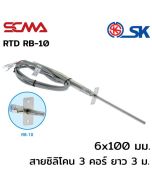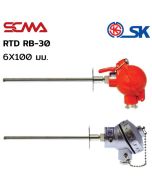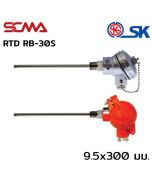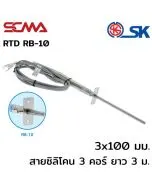

RTD PT100 is a highly popular temperature sensor in the industry, offering superior accuracy and stability compared to general sensors like Thermocouples. This article by SCMA will explain what PT100 is, how RTD PT100 works, and clearly compare its differences with Thermocouples. Readers will understand how to choose the right one for each application, learn about RTD wires, and discover their benefits in modern factories.
What is RTD PT100?

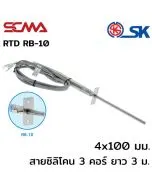
RTD PT100 is a resistance temperature detector with a 100 ohm resistance at 0°C, featuring platinum wire construction for high accuracy and stability. It is suitable for quality control in industries such as automation systems, food factories, chemical plants, or pharmaceutical facilities that require reliable RTDs. RTD PT100 is designed to work seamlessly with temperature measurement devices in systems requiring high precision.
How does RTD PT100 Work?
The principle of operation for RTD PT100 involves measuring temperature through the change in resistance of platinum wire within the RTD. The resistance increases as temperature rises, allowing PT100 to accurately send signals via RTD wires to a Temperature Transmitter or controller. This system is ideal for use in factories requiring reliability and continuous temperature data recording.
Read article >> RTD (Temperature Measurement Device Utilizing Electrical Properties of Metals)

What are the Differences Between RTD PT100 and Thermocouple?
When it comes to temperature measurement in industrial settings, there is often a comparison between RTD PT100 and Thermocouple, as both types are commonly used temperature sensors. The strengths and limitations of each type are quite distinct. RTD PT100 or simply PT100 is a sensor suitable for high-precision work, while Thermocouples are better suited for measuring extremely high temperatures.
RTD PT100
The RTD PT100, also known as an RTD sensor, works on the principle of changing resistance in platinum wire according to temperature. It is popular in industrial applications requiring high precision due to its advantages and details listed below:
- High Accuracy: RTD PT100 can measure temperatures with great detail and has excellent stability when used over long periods.
- Broad Measurement Range: Suitable for use between -40°C to 400°C or up to 600°C (depending on the model).
- Stability and Durability: RTD provides consistent accuracy, making it suitable for processes requiring reliability.
- Available in 2-wire, 3-wire, and 4-wire configurations: To compensate for lead resistance and increase precision.
- Suitable for Data Logging Applications: Can be used with automatic control systems and data acquisition systems effectively.
Thermocouple
A thermocouple is a temperature sensor that works on the principle of generating an electrical voltage between two different metal junctions. It is suitable for wide-range temperature measurement applications and cost-effective work due to its advantages and details as follows:
- Broad Measurement Range: Thermocouples can handle extremely high temperatures (up to 1800°C depending on the type).
- Affordable Cost: Low-cost, making it suitable for general or budget-constrained projects.
- Easy Installation: Various forms make them ideal for hard-to-reach areas or rugged environments.
- Moderate Accuracy: Suitable for work that does not require extremely high precision.
- Durability: In some cases, they may degrade faster than RTD PT100 in harsh environmental conditions.
If You Have RTD PT100, You Need a Temperature Transmitter
When using RTD PT100 or RTD in the factory, it is necessary to have a Temperature Transmitter to convert the resistance signal from PT100 into an easily readable and accurate electrical signal. Long RTD wires or signals with interference may cause measurement errors if there is no Temperature Transmitter. Using RTD PT100 together with a Temperature Transmitter helps improve temperature control system efficiency, suitable for industries requiring high stability and safety.
Applications of RTD PT100
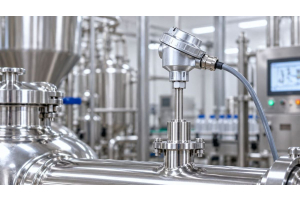
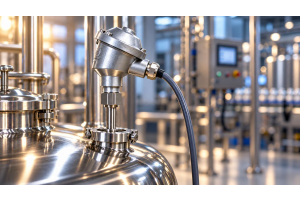
RTD PT100 and RTD are crucial devices for modern industrial temperature measurement applications such as food and beverage manufacturing plants, chemical industry factories, pharmaceutical plants, and automatic control systems. With PT100 being an accurate and fast-response sensor, it is ideal for product quality control or use with RTD wires in IIoT systems requiring real-time monitoring. RTD PT100 also helps reduce errors and continuously improve system efficiency.
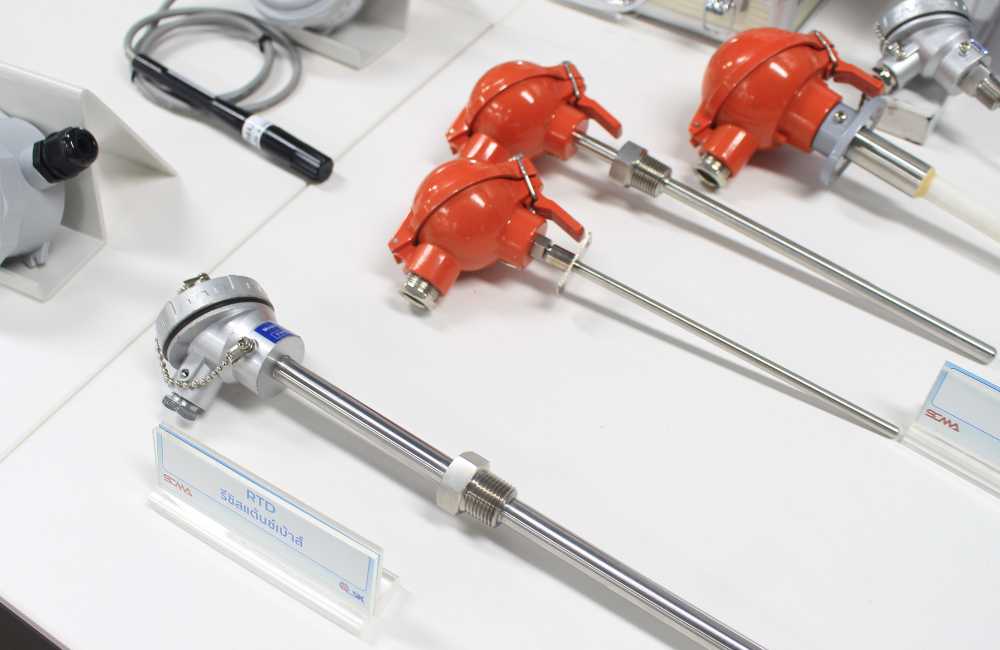
Want to Buy RTD PT100? SCMA is Available Today!
Selecting high-quality RTD PT100, complete with RTD wires and comprehensive after-sales service helps extend the lifespan and maintain the accuracy of temperature measurement systems. SCMA offers consultation, design, and sales services for RTD PT100 along with standard-compliant Temperature Transmitters. PT100 is a reliable choice in terms of quality and after-sales care. If you are looking for temperature measuring equipment that meets every industrial need, choose SCMA for one-stop shopping.
Summary
RTD PT100 or RTD is the answer to accurate temperature measurement in industry sectors. Whether it's the reliability of PT100 or its use with RTD wires and Temperature Transmitters suitable for automatic systems, SCMA provides comprehensive services from product selection, installation, to after-sales service, helping elevate production and quality control standards in your factory beyond previous levels.
Frequently Asked Questions
What is RTD PT100?
RTD PT100 is an RTD temperature measuring device with a resistance value of 100 ohms at 0°C, suitable for industrial applications requiring accuracy.
How does RTD PT100 work?
The RTD PT100 works by changing the resistance value of the platinum wire coil when the temperature changes, allowing for accurate temperature measurement.
How to connect PT100 wires?
PT100 can be connected with 2-wire, 3-wire, or 4-wire configurations. Each type affects the accuracy of the measurement and compensation for RTD wire resistance values.
What is the difference between RTD and Thermocouple?
RTDs offer high precision and stability, suitable for applications requiring fine resolution, while thermocouples are better suited for high-temperature ranges and lower cost requirements.