
An electrical phase checker is an essential tool for those working with three-phase power systems. Have you ever encountered problems such as motors spinning in the wrong direction or machinery operating abnormally after installing a new electrical system? These issues often arise from incorrect Phase Sequence, which can lead to severe damage of expensive equipment. SCMA will guide you through understanding phase checking, using a phase sequence meter, and the importance of three-phase phase sequence meters.
What is an Electrical Phase Checker (Phase Detector)?
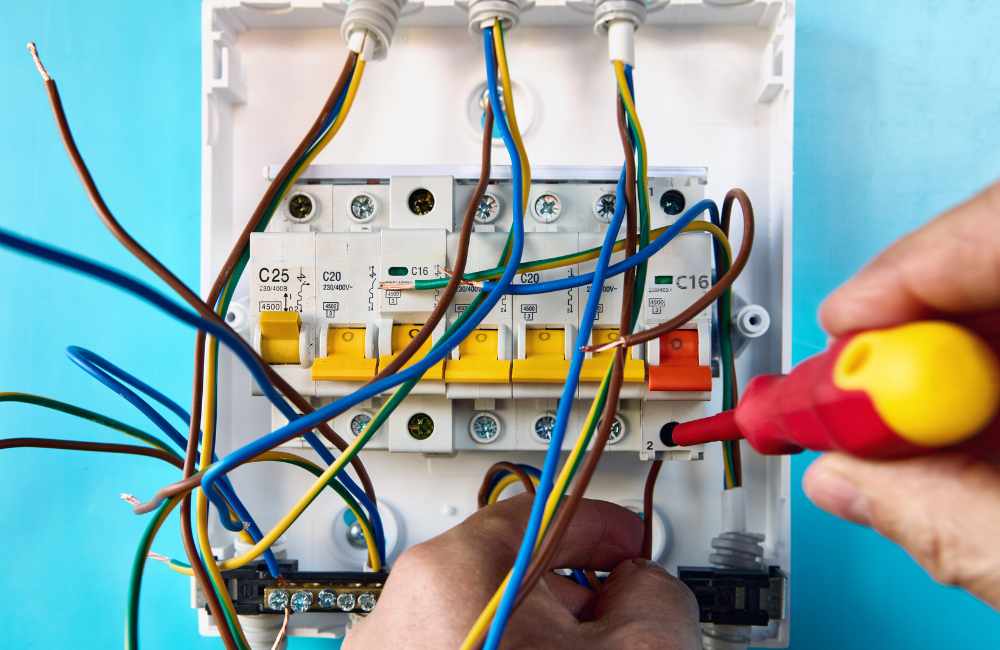
An electrical phase checker, or Phase Detector, is a measuring tool designed to check the sequence of current in three-phase power systems. It is crucial for installing and maintaining electric motors and industrial machinery. A phase sequence meter will indicate whether the connected phase checking has a positive (Positive/Clockwise) or negative (Negative/Counter-clockwise) Phase Sequence, which directly affects the direction of motor rotation.
How an Electrical Phase Checker Works
An electrical phase checker works by detecting and analyzing the sequence of voltage in each phase to determine how they are arranged. The device will display the results of the phase sequence check through a digital screen, LED lights, or sound alerts, showing symbols R, S, T, or L1, L2, L3 according to the detected phase sequence. When the phase sequence is clockwise (Clockwise), it displays positive phase sequence or normal Phase Sequence, which is the correct sequence for most motor phase sequence meters. Conversely, if the electrical phase check finds that the sequence is counterclockwise (Counter Clockwise), it will display negative phase sequence, causing the motor to spin in the opposite direction from what was designed. Using a phase sequence meter helps electricians quickly verify and correct wiring before system operation begins. Modern three-phase phase sequence meters often have additional functions such as phase loss detection, voltage measurement, and frequency display to provide comprehensive and accurate electrical system analysis.
What is a Three-Phase Electrical System?
A three-phase electrical system is an alternating current power distribution system consisting of three wires with phase sequences that are 120 degrees apart, creating a rotating magnetic field suitable for driving industrial motors. Checking the phase sequence in this system is crucial because incorrect wiring can cause a three-phase phase sequence meter to detect abnormalities and may result in motors running in the wrong direction. Therefore, using a phase sequence meter as the first step before starting any operation of the system is essential.
Why Is Phase Sequence Important?
The phase sequence or Phase Sequence is crucial for the proper functioning of industrial electrical systems, especially when using a phase sequence meter to check motor rotation direction. Correctly checking the phase sequence helps prevent machinery damage that may occur due to incorrect rotation. Additionally, a three-phase phase sequence meter can detect issues such as missing phases or unbalanced voltage, which are primary causes of electrical system damage and loss of operational efficiency.
What are the benefits of a phase sequence checker?
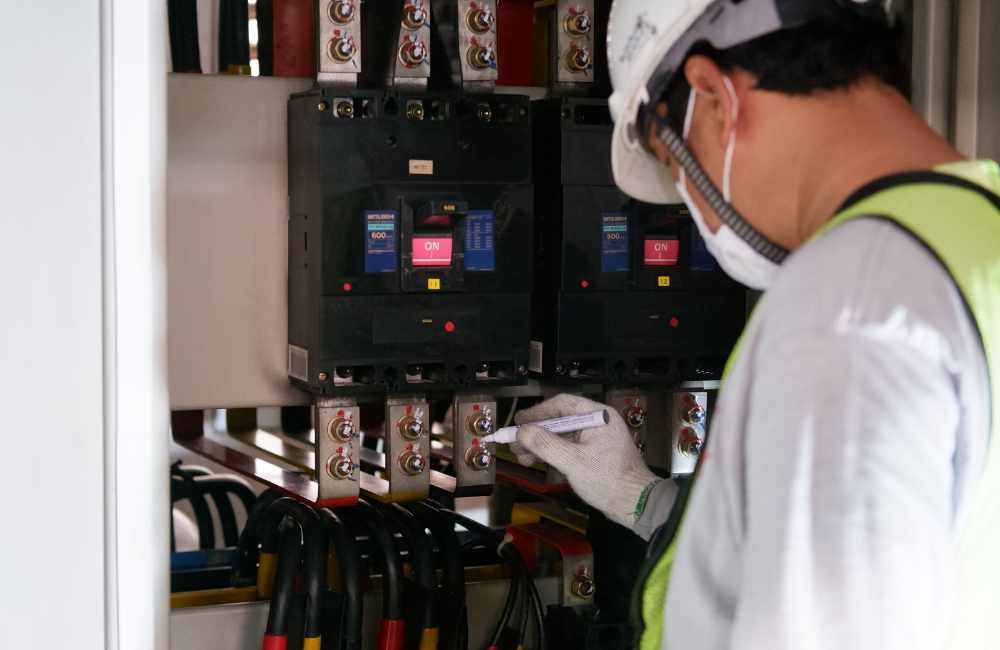
A phase sequence checker is a versatile tool for maintaining industrial electrical systems. Regular use of a three-phase phase sequence meter helps detect problems early, before serious damage occurs. It also reduces downtime and increases worker safety.
Prevent Electrical Damage
Using a phase sequence meter to check the phase sequence prevents damage from incorrect wiring, which can cause overcurrent and excessive heat in motor windings. Proper use of a phase sequence meter detects abnormalities immediately, preventing insulation fires and efficiently extending the life of electrical equipment.
Avoid Motor Reverse Rotation
A three-phase phase sequence checker verifies Phase Sequence before supplying power to motors, preventing reverse rotation that could cause water pumps to suck in water, exhaust fans to blow air in the wrong direction, or conveyor belts to move incorrectly. Properly checking the phase sequence thus prevents damage to both machinery and products during production.
Improve System Efficiency
The use of a phase sequence meter ensures that electrical systems operate under optimal conditions. When Phase Sequence is correct, motors will run at full efficiency, reducing energy loss and heat generation. Regularly checking the phase sequence also helps detect unbalanced voltage issues that may reduce system performance.
Reduced Maintenance
A three-phase phase sequence meter detects problems from the start, allowing them to be addressed before cumulative damage occurs. Regularly checking the phase sequence extends motor and electrical equipment life, reducing maintenance frequency and saving on replacement part costs, as well as downtime for repairs.
Increase Safety
The use of a phase sequence meter is an important safety measure in industrial plants. Checking the phase sequence before starting work prevents accidents from malfunctioning machinery. A three-phase phase sequence checker also detects missing phases that could cause sparks or short circuits, which are dangerous to workers and may lead to fires.
If you want to purchase a phase sequence tester, SCMA is ready to serve you today!
Maintaining your electrical system with high-quality phase sequence testers is a worthwhile investment for every industry. SCMA offers the sale of standard-compliant single-phase and three-phase phase sequence testers suitable for use in all types of industries. With our team of experts available to provide consultation on phase sequence testing and selecting appropriate equipment based on your needs, we guarantee quality products and excellent after-sales service.
Summary
A phase sequence tester is an essential tool for maintaining three-phase electrical systems in industrial settings. Using a high-quality phase sequence tester can prevent machine damage, increase operational efficiency, and ensure worker safety. Proper use of the phase sequence tester will immediately detect incorrect Phase Sequence issues, reducing maintenance costs and extending equipment lifespan. SCMA is your trusted partner for three-phase phase sequence testers with high-quality products and superior service. Contact us today to receive consultation and select a suitable phase sequence tester that meets your needs.
Frequently Asked Questions
What is a Phase Sequence Meter?
A phase sequence meter is an equipment used to check the arrangement of electrical current in a three-phase system. It is used to determine whether the phase sequence is positive or negative, which affects the direction of motor rotation. This tool is essential for installing and maintaining industrial electrical systems to prevent damage from incorrect wiring.
How do you check 3-phase power?
To check 3-phase power, use a three-phase phase sequence meter. Connect the measuring leads to all three phases (R, S, T) as indicated on the device. The meter will immediately display whether the Phase Sequence is positive or negative through LEDs or digital displays, and can also simultaneously check for missing phases and voltage imbalance.
Why measure phase sequence?
Metering phase sequence is necessary to ensure that motors and machinery operate in the correct direction. Incorrect phase checking may cause severe damage to production systems, electrical equipment, and pose a danger to workers. Using a phase sequence meter is therefore an important preventive measure and helps save costs over the long term.
What is a Phase Sequence Meter?
A phase sequence meter is an instrument used to check the Phase Sequence in a three-phase electrical system. It comes in both analog and digital types, capable of displaying immediate results for checking phase sequences. Some models have additional functions such as voltage measurement, frequency measurement, and missing phase detection. A three-phase phase sequence meter is a necessary tool for electricians and engineers in industry.
How many types of electrical meters are there?
Electrical meters come in several types based on their use, including multimeters for measuring voltage, current, resistance, clamp meters for measuring current without cutting wires, phase sequence meters for checking phases, insulation testers, and power quality analyzers. A three-phase phase sequence meter is a specialized tool necessary for industrial electrical systems work.