When testing a circuit with a digital multimeter, start by determining whether you want to test voltage, current, or continuity, because each mode uses different probe sockets and circuit connection methods. This article explains how the meter reads values, which measurement range to select, and what to check before using it in the factory.
What is a Digital Multimeter?
Multimeter digital is a versatile electrical measuring instrument that displays measurement results as numbers on an LCD screen, allowing workers to read values accurately. This multimeter device combines various electrical measurement functions into one unit, meeting the needs of those looking for a way to use a digital meter to check basic circuits.
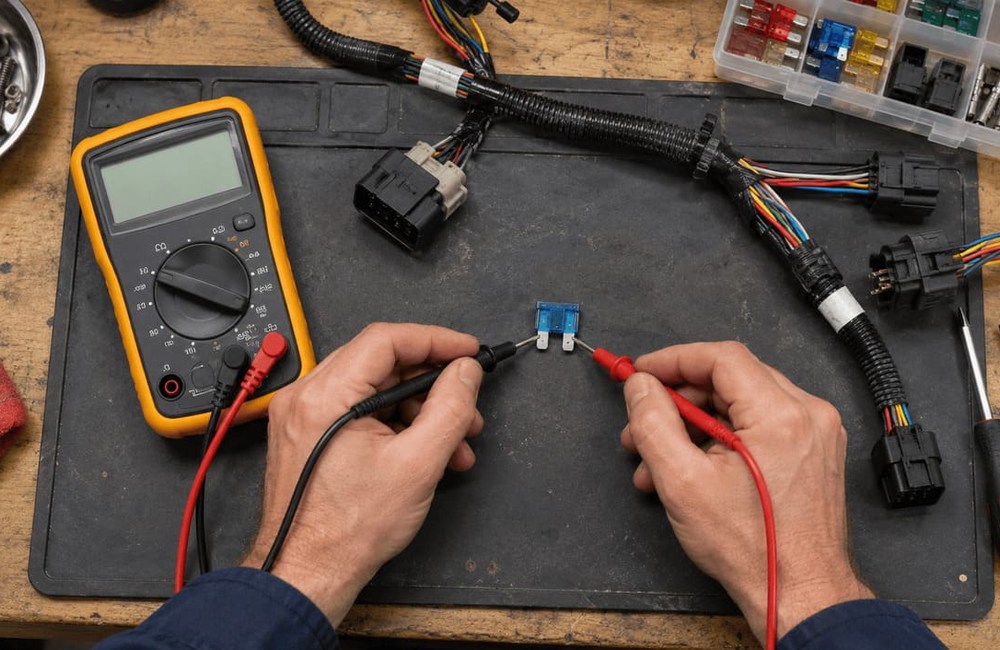
How a Digital Multimeter Works
A digital multimeter converts analog electrical signals into digital data through internal circuitry. The operation of this type of electrical measuring instrument consists of important steps that work together as follows
Signal Conditioning Circuit
The signal conditioning circuit reduces or amplifies the signal level to suit the digital converter. In current mode, the meter usually measures the voltage drop across a shunt resistor, while in resistance mode it uses an internal test signal, so it is suitable for circuits that have been disconnected from the power supply and discharged
Analog-to-Digital Converter (ADC)
This component is the core of the electrical measuring instrument, responsible for converting the continuously received voltage values into a set of digital numerical data. Accurate signal conversion directly affects the accuracy of the results
Microcontroller Unit (Microcontroller)
Once the digital data is obtained, the microcontroller inside the multimeter quickly calculates and processes it. This system controls the display on the screen and manages the automatic range adjustment function to operate smoothly
Display Section
The final step is to display the results as digital numbers on the screen. Operators can study how to use a digital voltmeter to read these values immediately, helping to reduce errors from reading the scale of the traditional analog meter
How Many Types of Digital Multimeters Are There?
Selecting the appropriate multimeter for the job requires understanding the range adjustment type. In general, this type of electrical measuring instrument is divided into two main types with different features
Auto-ranging Type
The device automatically calculates and changes the measurement range for the user when the test leads are touched to the desired point. This system increases convenience and speed, effectively meeting the needs of beginners who are learning how to use a digital multimeter
Manual-ranging Type
The user of the multimeter must manually rotate the range selection switch or multiplier value to match the electrical quantity to be measured. This type is popular among engineers who need to specifically set the scale of the electrical measuring instrument
Digital Multimeter Maintenance
Proper maintenance of a multimeter helps extend its lifespan and maintain the accuracy of measurements. The SCMA engineering team recommends the following basic guidelines for effective care of electrical measuring instruments.
Daily Cleaning and Storage
Users should clean the multimeter body with a dry cloth or a slightly damp cloth, avoiding the use of chemical cleaning agents. After use, store it in a shockproof box to prevent damage from moisture.
Battery and Fuse Management
Store the device and remove the battery according to the manual for that model. Before opening the cover or replacing the fuse, disconnect the test leads from the test points and from the device as per the manual, and use a fuse type and rating specified by the manufacturer.
Precautions During Work
Ensure that a qualified person checks the condition of the device, test leads, sockets, mode, range, and rating before use. Especially when working on live circuits or in electrical panels, follow the on-site safety procedures and the Fluke Manual for examples of meter requirements.
Application of Digital Multimeters in Industry
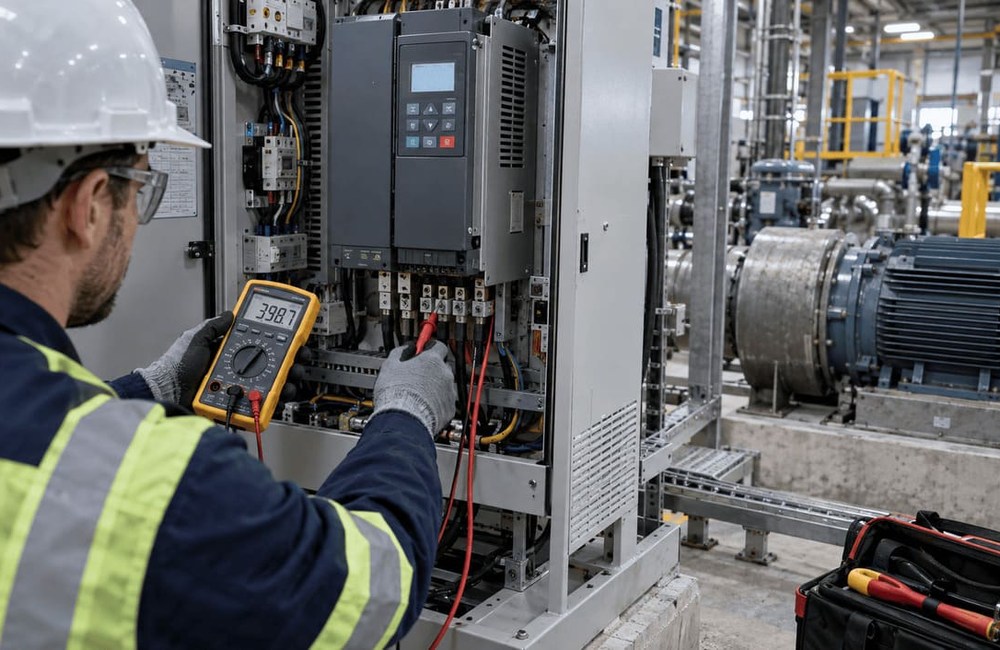
In the manufacturing industry, a multimeter is an essential device that maintenance engineers cannot do without. The application of this electrical measuring instrument covers a wide range of control system inspection tasks.
Voltage Testing
The voltage mode measures the potential difference between two points, using the voltage input channel and AC or DC mode according to the signal type. The measurement points in the switchgear must be within the CAT and voltage rating of both the meter and the test leads, and should be performed by qualified personnel.
Current Measurement
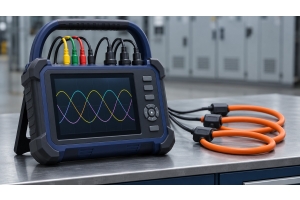
The current mode using test leads requires connecting the meter in series according to the manual and within the measurement channel rating with the fuse. Turn off the power before connecting or disconnecting the meter. Do not use the current input leads to measure across the power supply. Tasks suitable for clamp meters can measure current without opening the circuit as per the meter's specifications.
Checking Resistance and Continuity
Measure resistance and continuity after disconnecting the power supply, ensuring there is no voltage and discharging accumulated charge according to the machine's procedure. The alarm sound indicates that the resistance value is below the meter's threshold.
Evaluation of Electronic Components
Aside from basic measurements, high-end multimeters also support diode testing or temperature measurement in the production line. The diverse capabilities make this electrical measuring instrument fully capable of meeting quality control requirements.
Advantages of Digital Multimeters
The transition from analog dials to digital multimeters has provided enormous benefits to workers. From the experience of SCMA's engineering team, we have found the key advantages of this technology as follows:
Accuracy and Clear Readability
The numeric display of the multimeter eliminates the problem of misjudging by eye. The very low margin of error allows this type of electrical measuring instrument to be used for high-precision measurements to confirm safety standards.
Safety System and Convenience Features
The automatic range adjustment helps select the display range within the set mode. Users still need to select the mode, input port, and rating correctly before starting the measurement.
How to Choose a Digital Multimeter
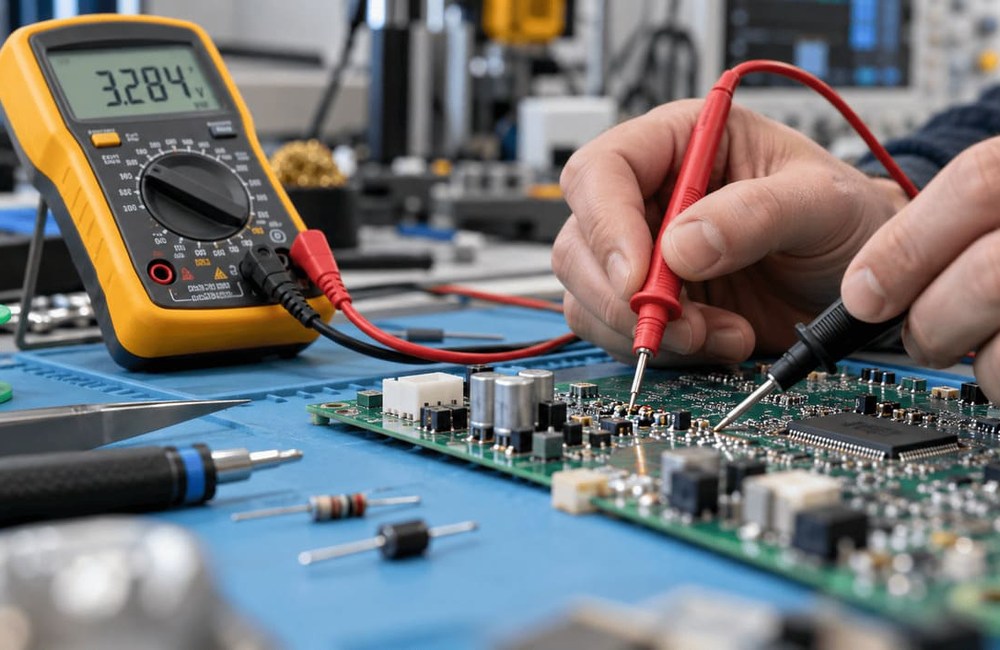
When deciding to purchase a digital multimeter that is both cost-effective and safe for work, it is important to consider functions that are suitable for the actual job. The criteria for evaluating electrical measuring instruments are as follows:
Purpose of Use: Assess whether it is for general repairs or for use in industries that require high-performance multimeters
True-RMS System: Helps measure the RMS value of distorted AC signals within the frequency range and Crest Factor supported by the device. For inverter outputs, select the mode or filter according to the meter manual and inverter
Safety Ratings: Choose CAT and voltage ratings that match the measurement location, taking into account the lowest rating of the meter, test leads, and the entire set of accessories
Convenience of Use: Consider models with automatic range adjustment to reduce the complexity of using a digital electrical meter
Display Precision: Select a count that provides sufficient precision for measuring the electrical instrument
Additional Industry Standards to Consider
To ensure the highest standard of electrical system inspection in factories, the expert team from SCMA recommends always considering these additional factors alongside the specifications of the digital multimeter:
Brand Reliability: Choose a specialized brand known for the durability of multimeters in industrial work
Calibration Service: It should be purchased from a company that has a calibration service center to maintain the accuracy of the digital electrical meter usage method
After-sales Support: The distributor of electrical measuring instruments must be able to provide technical advice when problems occur
Accessories: Use test leads, probes, or clamps that the manufacturer specifies as compatible and suitable for the measurement location
Summary
Digital multimeters are the core of safe electrical system inspection. Understanding the correct way to use a digital electrical meter will help fully unlock the potential of the multimeter. If you are looking for an accurate electrical measuring tool, SCMA is ready to support you with high-quality technology, alongside close care from local service centers in key industrial areas.
Interested in purchasing or consulting via LINE Official: @SCMA
If you want to buy a digital multimeter, you can buy it from SCMA today!
SCMA provides advice on selecting digital multimeters and electrical measuring tools according to measurement modes, installation positions, and safety requirements, and can also inquire about calibration services according to the required scope.
Frequently Asked Questions
What is the difference between a digital multimeter and an analog one?
Digital models display results as numbers on an LCD screen, making them more accurate and reducing errors from estimating scale positions in analog needle models.
What is the True-RMS system in a multimeter?
True-RMS calculates the effective value of the signal within the range the device supports. Check the frequency specs and Crest Factor before using it with signals from power electronics equipment.
Can a multimeter be used to measure general electricity in a factory?
Qualified personnel should assess the signal location and type, select the measurement mode, socket, and CAT rating that matches the voltage of the entire set with the job, and follow the working procedures of the site.
How often should electrical measuring tools be calibrated?
Determine the calibration cycle based on risk, usage frequency, history of inaccuracies, and job requirements, following the guidelines of NIST
If the screen shows a weak battery symbol, what should be done?
You should stop using it and replace the battery immediately, as continuing to use it may cause electrical measurement results to deviate from reality.