
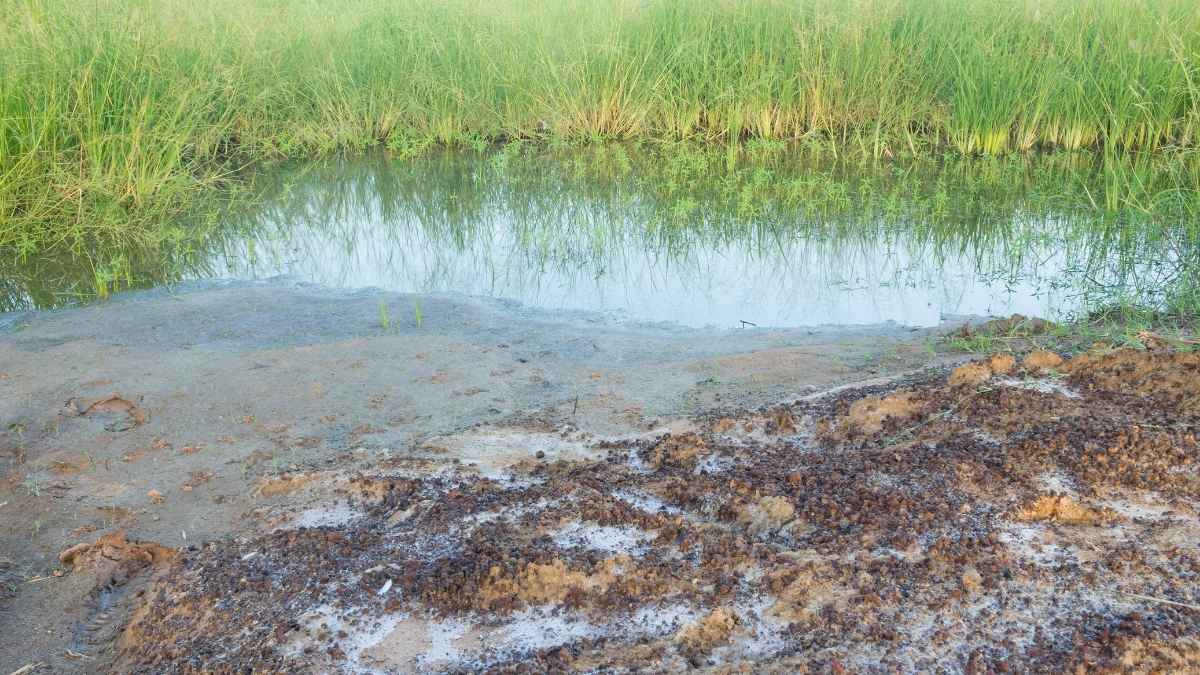
In areas facing saltwater or soil salinity issues, which may affect the efficient growth of crops, an automatic system for monitoring and controlling saltwater and saline soil levels becomes crucial to address these problems. The measurement and control systems designed by SCMA are intended to help you "stay ahead" of changes in both water and soil salinity quality. Additionally, they can intelligently manage water and soil usage through real-time sensor processing.
Smart Solutions for Precise and Efficient Water and Saline Soil Management
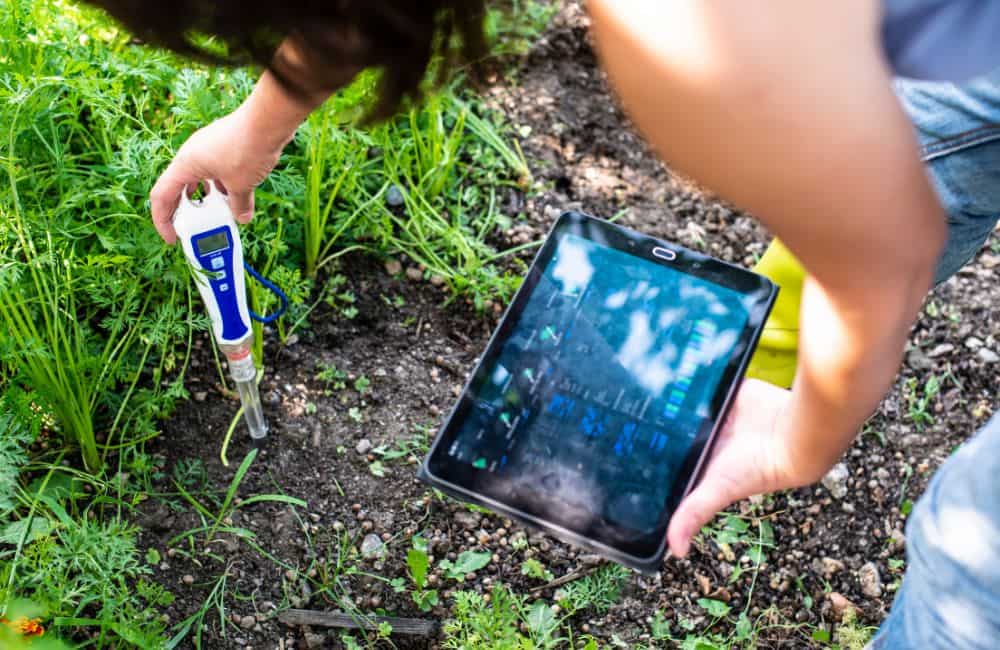
For the Automatic Saline Water and Soil Monitoring & Control System, this system will consist of a set of data collection and display equipment that can measure important variables such as:
- Flow Rate of water (Flow Rate)
- Cumulative Flow Volume (Totalizer)
- Water Temperature
- Water Conductivity (Conductivity)
- Rainfall Volume
- Soil Moisture and Salinity
Key Features
- Real-time display system with immediate alert when salinity levels exceed thresholds
- Automatic prevention of using water that exceeds standard salinity levels
- Data logging for trend analysis and resource management planning
- Connect data to a central Data Center for comprehensive regional level management
To manage water and saline soil issues for operational efficiency, because if the problems are not properly addressed, they may impact work or production in the area as water and saline soil issues often have broader impacts than anticipated.
What is Saltwater?
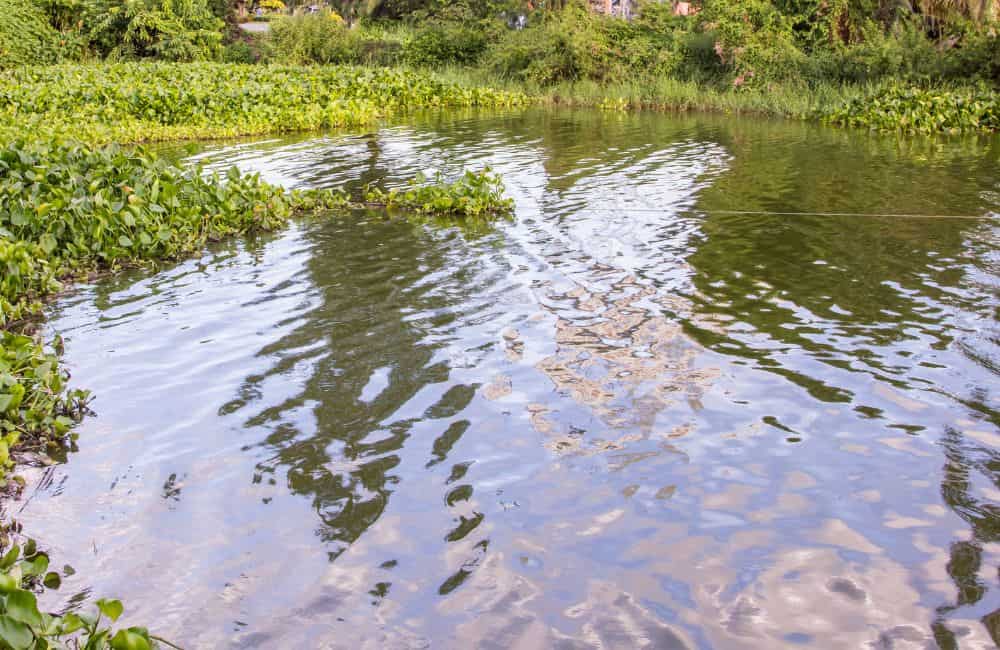
Saltwater is water with a high concentration of dissolved salts, particularly sodium chloride (table salt), giving it a salty taste and making it unsuitable for drinking or direct use in agriculture. It originates from seas and oceans, saline lakes, and groundwater. In addition to its salty flavor, it has higher density and better electrical conductivity than freshwater.
The impacts of saltwater on agriculture and industry include:
- In agriculture, it is highly unsuitable for cultivation. If used to water most plants, it can cause the plants to become dehydrated and die.
- In industry, high salinity water can cause corrosion in pipelines and machinery, reducing production efficiency.
What is Saline Soil?
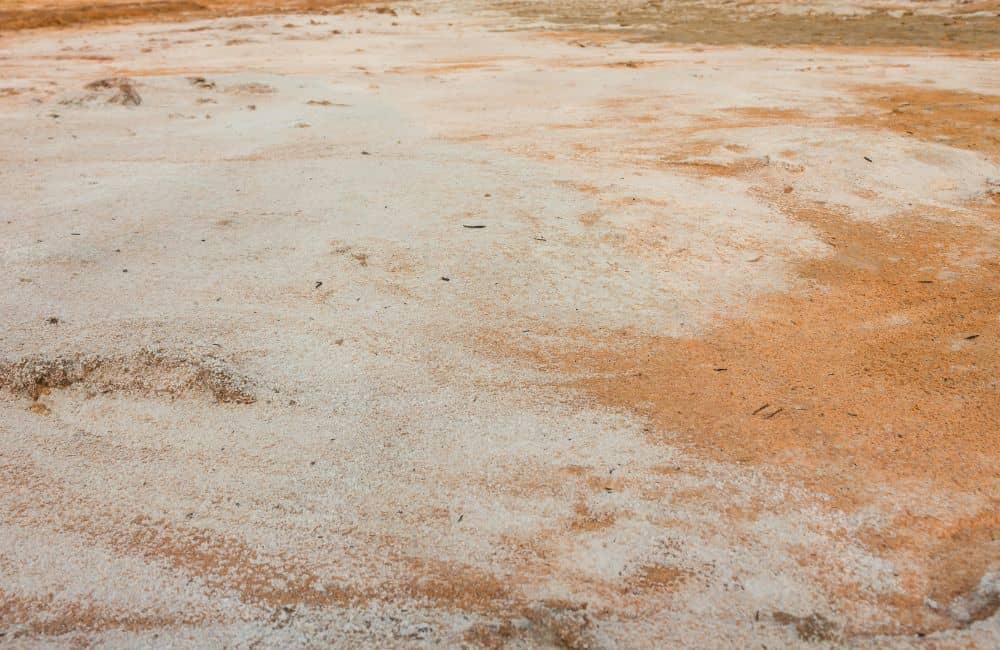
Saline soil is a type of soil that contains high levels of soluble salts, which can be detrimental to plant growth and soil quality. The most common salts found are sodium chloride (table salt), sodium sulfate, magnesium chloride, and calcium chloride. Saline soils can be classified into three types: saline soils, sodic soils, and saline-sodic soils.
The impacts of saline soil include the following:
- Impact on plants: It causes osmotic stress, making it difficult for plants to absorb water even when the soil is moist. Additionally, certain ions of salts such as sodium and chloride can be toxic to plants, leading to slower growth, leaf scorching, reduced yield, and ultimately plant death.
- Impact on soil structure: Particularly in sodic soils, it causes the soil to become compacted and form hard clumps, making it difficult for water and air to penetrate. This affects root growth negatively.
- Impact on microorganisms in the soil: Salinity can affect the activity of beneficial microorganisms in the soil, leading to a decrease in nutrient cycling as well.
Automatic Underground Salt Water Level Measurement System Sensors
1. Water Level Sensor
Uses the Submersible Pressure Transmitter measurement principle, with a maximum measuring range of 2.5 bar, capable of measuring water levels up to 25 meters, supports temperature ranges from 0-50°C, has an accuracy of ±0.5%, and is typically made from grade 316 stainless steel with IP68 dust and water protection standards
Recommended Products
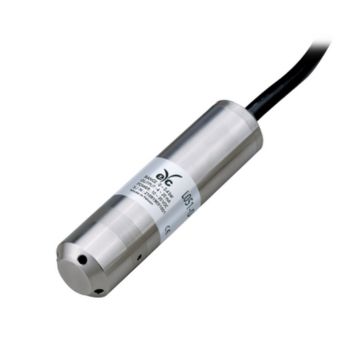 |
Submersible Pressure Transmitter L051
|
2. Electromagnetic Flow Sensor
Equipped with Electromagnetic Flow Meter measurement principles or magnetic flow measurement, it allows for the measurement of both flow rate and water temperature. The flow range is 0.2 - 150 l/min or 0.012 – 9 m3/h, with a measurement accuracy of 0.1//min or 0.006 m3/h. It supports a temperature range from -20 to +90°C and has an accuracy of 0.8%. The materials used are primarily grade 316L stainless steel with IP65 dust and water protection standards.
Recommended Products
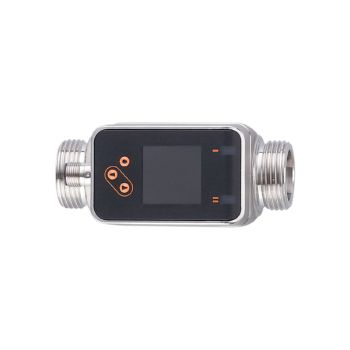 |
Magnetic-inductive flow meter SM8020
|
3. Water Conductivity Sensor (Conductivity Sensor)
A sensor capable of measuring water conductivity and temperature, with a conductivity measurement range from 100 – 1000000 uS/cm, a temperature measurement range from -25 to +150°C, providing an accuracy of 2%. It is made of grade 316L stainless steel for durability and has IP68 dust and water protection standards.
Recommended Products
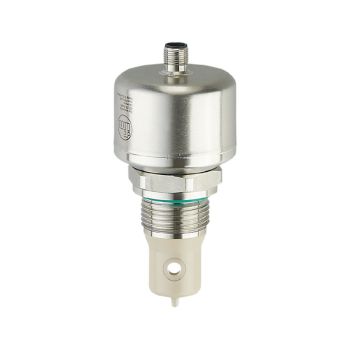 |
Inductive Conductivity Sensor LDL210
|
4. Rainfall Sensor (Tipping Bucket)
This is a Tipping Bucket Rainfall Sensor designed to measure rainfall intensity up to 4mm/min and allow rainfall intensity up to 10mm/min, with selectable measurement resolutions of either 0.1mm or 0.2mm and an accuracy of ±4%. It supports operation in temperature ranges from -20 to +80°C.
Recommended Products
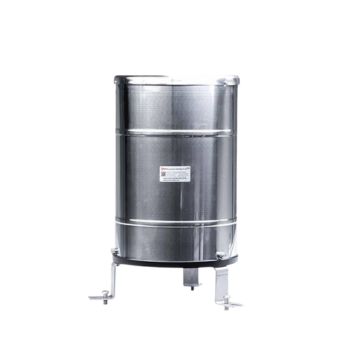 |
Metal Tipping Bucket Rainfall Sensor Rain Gauge RK400-01
|
5. Soil Moisture & EC Sensor
Sensors that can be used to measure humidity, temperature, and salinity. The sensor comes with a humidity measurement range of 0-100%, supports temperature measurements from -30°C to +70°C, offers an operational temperature range of -40°C to +80°C, has a salinity measurement range of 0-10mS/cm, and is made from grade 316L stainless steel with IP68 dust and water protection standards.
Recommended Products
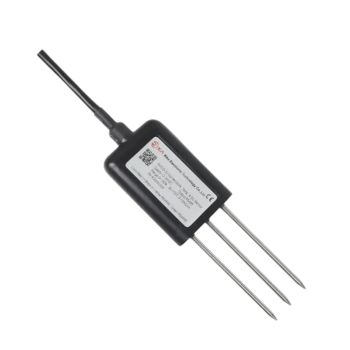 |
Soil Moisture Sensor, Temperature Probe & EC Sensor RK520-02
|
Suitable Applications for the Automatic Saline Groundwater Monitoring and Control System Set
-
Agricultural Projects in Saltwater Risk Areas
-
Coastal or Brackish Water Areas
-
Institutions Requiring Automatic Water Quality Monitoring Systems
-
Research and Development Centers for Water Resource Management
The Automatic Saline Groundwater Monitoring & Control System from SCMA is the solution that helps you stay "informed" of every change, enabling smart water and land resource management through real-time data monitoring and processing via high-quality sensor sets covering key measurements. It also features a variety of efficient capabilities that transform "guesswork" into "data-driven decision-making," ensuring maximum efficiency and long-term sustainability.
Don't let saltwater issues impact your future! Contact the expert team at SCMA today for professional consultations and special quotes. We are ready to help you transform saline water and land management to a new level.




