
Solenoid & Pneumatic Valves
Solenoid & Pneumatic Valves (Solenoid Valves & Pneumatic Valves)
Solenoid and Pneumatic Valves are crucial components of modern industrial automation systems, helping to control the flow of liquids and gases accurately and efficiently. The Pneumatic Valve system, or Pneumatic Valves, works seamlessly with solenoid valves. At SCMA, we offer comprehensive solutions from consultation to installation and maintenance, with over 40 years of experience in the industrial automation industry. We are ready to be your technical partner to ensure that your system operates at peak efficiency.
Solenoid & Pneumatic Valves
Solenoid Valves (Solenoid Valves)
A solenoid valve is an electrically operated valve device, available in various types such as 2/2, 3/2, 4/2, 5/2, and 5/3. These are used to control the opening and closing of liquids and gases, with the 3/2, 4/2, 5/2, and 5/3 types primarily used in pneumatic and hydraulic systems.
Pneumatic Valves (Pneumatic Valves)
Pneumatic valves are used for pneumatic systems, with pipe sizes ranging from 1/8" to 1/2" (standard NPT thread). The body is made of aluminum and comes in types such as 5/2 Single Coil, 5/2 Double Coil, and 5/3 Double Coil. They can operate on either DCV or ACV power.
View the Solenoid & Pneumatic Valves Catalog Click here
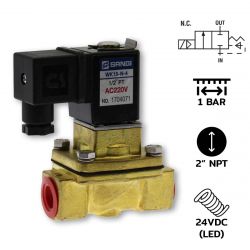 Solenoide Valve Model: WK50(2")-N-5-D-DC24V / Type K Diaphragm 2/2 way NC, Plug LED, NBR Seal, For VacuumSpecial Price THB 7,520.00 Regular Price THB 9,400.00
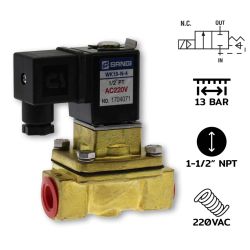 Solenoide Valve Model: WD40L(1-1/2")-N-5-AC220V / Type 2/2 way NC, NBR Seal, For Water, Air, GSpecial Price THB 7,600.00 Regular Price THB 9,500.00
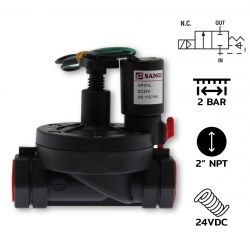 GP50(2")-L-DC24V is latching coil, 2/2 way NC, PVC SealSpecial Price THB 5,600.00 Regular Price THB 7,000.00
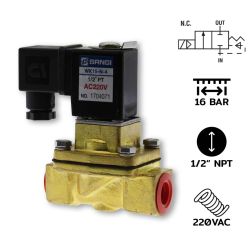 Solenoide Valve Model: WK15(1/2")-V-5-AC220V / Type Diaphragm 2/2 way NC, Viton, For Vacuum, Water, AirSpecial Price THB 3,360.00 Regular Price THB 4,200.00
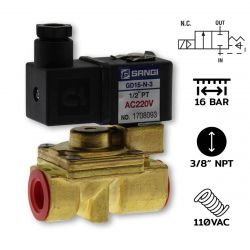 GD10(3/8")-N-3-AC110V - Diaphragm 2/2 way NC, NBR Seal, For Water, Air, LPGSpecial Price THB 2,640.00 Regular Price THB 3,300.00
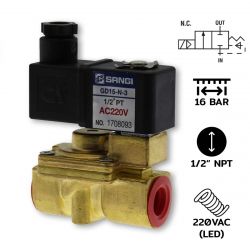 GD15(1/2")-N-3-D-AC220V LEDSpecial Price THB 3,440.00 Regular Price THB 4,300.00
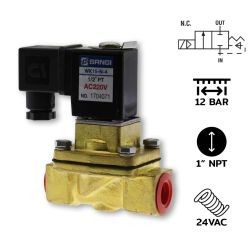 Solenoide Valve Model: WK25L(1")-N-5-AC24V / Type K Diaphragm 2/2 way NC, NBR Seal, For Vacuum, Water, AirSpecial Price THB 4,080.00 Regular Price THB 5,100.00
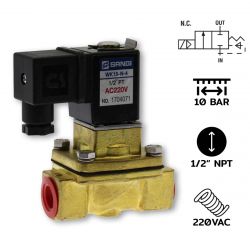 Solenoide Valve Model: WD15(1/2")-N-4-AC220V / Type Diaphragm 2/2 way NC, NBR Seal, For Water, Air, GasSpecial Price THB 2,880.00 Regular Price THB 3,600.00
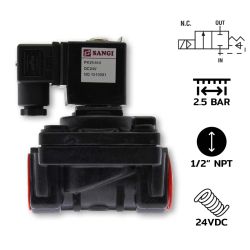 Solenoid Valve Model: PK15(1/2")-N-5 DC24V / Type K Diaphragm 2/2 way NC, PA Nylon plastic bodySpecial Price THB 3,600.00 Regular Price THB 4,500.00
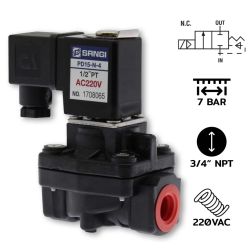 PD20(3/4")-N-4-AC220V / 2/2 way NC, PA Nylon plastic bodySpecial Price THB 4,080.00 Regular Price THB 5,100.00
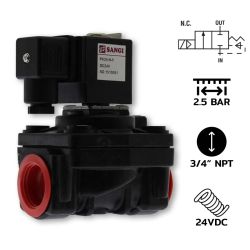 Solenoide Valve PK20-N-5-DC24V / Type 2/2 way NC, PA Nylon plastic body, for Water, AirSpecial Price THB 4,400.00 Regular Price THB 5,500.00
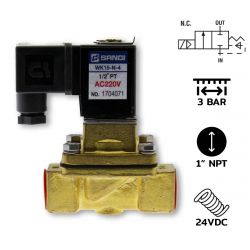 Solenoide Valve Model: WK25(1")-N-5-DC24V / Type Diaphragm 2/2 way NC, NBR Seal, For Vacuum, Water, AirSpecial Price THB 3,920.00 Regular Price THB 4,900.00
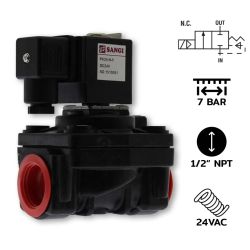 PK15(1/2")-N-4-AC 24V / 2/2 way NC, PA Nylon plastic bodySpecial Price THB 2,880.00 Regular Price THB 3,600.00
 Solenoide Valve Model: WK25(1")-N-4-AC220V / Type K Diaphragm 2/2 way NC,NBR Seal,For Vacuum, Water, AirSpecial Price THB 3,360.00 Regular Price THB 4,200.00
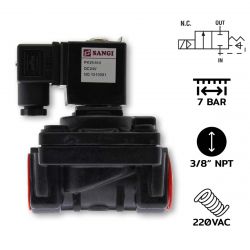 PK10(3/8")-N-4-AC220V / 2/2 way NC, PA Nylon plastic bodySpecial Price THB 2,640.00 Regular Price THB 3,300.00
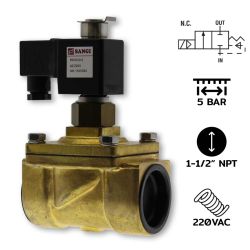 Solenoide Valve Model: RK40(1-1/2")-N-5-AC220V / Type Diaphragm 2/2 way NO,NBR Seal, For Water,Air,GasSpecial Price THB 8,000.00 Regular Price THB 10,000.00
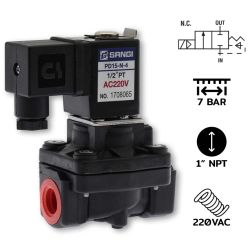 PD25(1")-4 AC220V 2/2 way NC, PA Nylon plastic bodySpecial Price THB 3,360.00 Regular Price THB 4,200.00
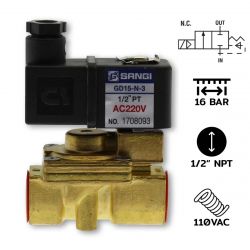 GD15(1/2")-N-3-AC110V-NC-NBR Sealed ValveSpecial Price THB 2,320.00 Regular Price THB 2,900.00
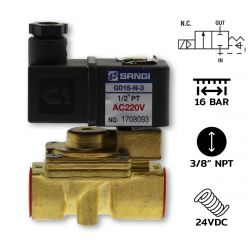 GD10-N-3-DC24V 2/2 way NC, NBR Seal, For Water, Air, LPG, Light OilSpecial Price THB 2,160.00 Regular Price THB 2,700.00
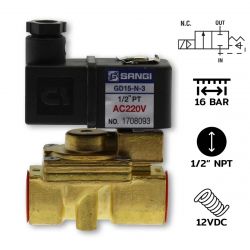 GD15(1/2")-N-3-DC12V-2/2 way NC, NBR Seal, For Water, Air, LPG, LiSpecial Price THB 2,184.00 Regular Price THB 2,730.00
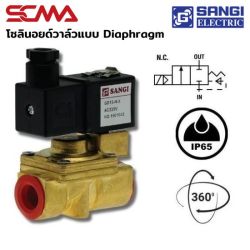 Diaphragm Solenoid Valve SANGI Model GD15(1/2")-N-3-DC24VSpecial Price THB 2,320.00 Regular Price THB 2,900.00
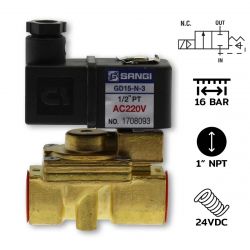 GD25(1")-N-3-DC24V / 2/2 way NC, NBR SealSpecial Price THB 2,720.00 Regular Price THB 3,400.00
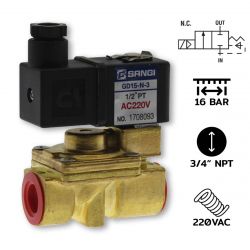 GD20(3/4")-N-3-AC220V / 2/2 way NC, NBR SealSpecial Price THB 2,480.00 Regular Price THB 3,100.00
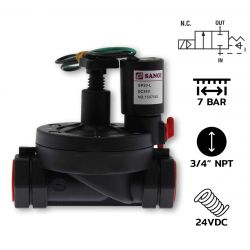 GP20(3/4")-L-DC24V is latching coil, Diaphragm 2/2 way NC, PVC Seal, For WaterSpecial Price THB 1,920.00 Regular Price THB 2,400.00
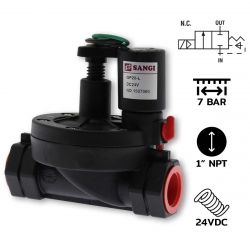 GP25(1")-L-DC24V is latching coil, Diaphragm 2/2 way NC, PVC SealSpecial Price THB 1,920.00 Regular Price THB 2,400.00
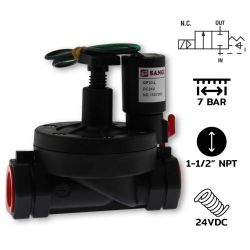 GP40(1-1/2")-L-DC24V is latching coil, 2/2 way NC, PVC SealSpecial Price THB 4,640.00 Regular Price THB 5,800.00
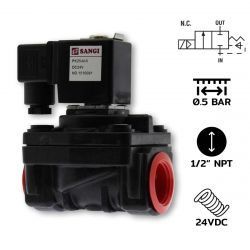 PK15-N-5-DC 24V / 2/2 way NC, PA Nylon plastic bodySpecial Price THB 2,880.00 Regular Price THB 3,600.00
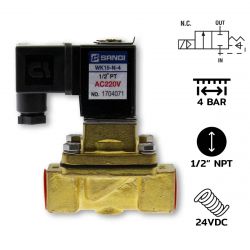 Solenoide Valve Model: WD15L(1/2")-N-5-DC24V / Type Diaphragm 2/2 way NC, NBR Seal, For Water, Air, GasSpecial Price THB 2,880.00 Regular Price THB 3,600.00
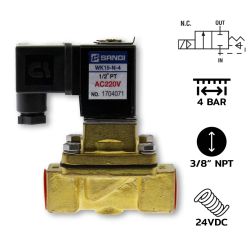 Solenoide Valve Model: WK15L(1/2")-N-5-DC24V / Type Diaphragm 2/2 way NC,NBR Seal, For Vacuum, Water,Special Price THB 3,040.00 Regular Price THB 3,800.00
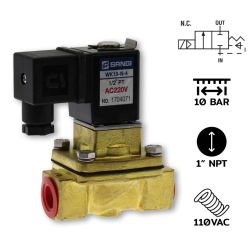 Solenoide Valve Model: WD25L(1")-N-4-AC110V / Type 2/2 way NC, NBR Seal, For Water, Air, GasSpecial Price THB 3,200.00 Regular Price THB 4,000.00
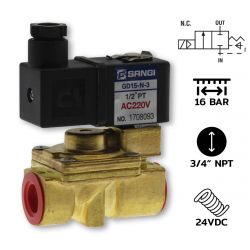 GD20(3/4")-N-3-DC24V NC Diaphragm 2/2 way, NBR SealSpecial Price THB 2,648.00 Regular Price THB 3,310.00
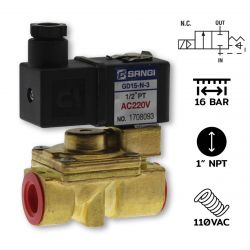 GD25(1")-N-3-AC110V NC NBR SealSpecial Price THB 3,440.00 Regular Price THB 4,300.00
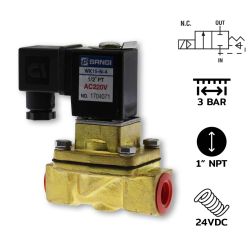 Solenoide Valve Model: WD25L(1")-N-5-DC24V / Type K Diaphragm 2/2 way NC,NBR Seal,For Water, Air,Gas LSpecial Price THB 3,600.00 Regular Price THB 4,500.00
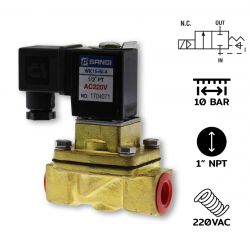 Solenoide Valve Model: WD25L(1")-N-4-AC220V / Type K Diaphragm 2/2 way NC,NBR Seal,For Water, Air,Gas LSpecial Price THB 3,024.00 Regular Price THB 3,780.00
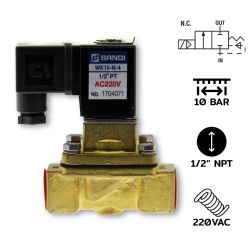 Solenoide Valve Model: WD15L(1/2")-N-4-AC220V / Type Diaphragm 2/2 way NC,NBR Seal, For Water, Air,GSpecial Price THB 3,200.00 Regular Price THB 4,000.00
Solenoid Valve (Solenoid Valve)
Solenoid Valve (Solenoid Valve) is an electrically operated valve that works on the principle of electromagnetism to control the flow of liquids and gases in a system. When electrical current flows through the coil, it generates a magnetic field that attracts the iron core or plunger to move, causing the solenoid valve to open or close as required. The specialty of Solenoid & Pneumatic Valves is their fast and accurate response, making them highly efficient for controlling flow in automatic systems.
Types of Solenoid Valves
Solenoid valves come in various designs tailored to different applications, each with unique features and benefits to suit the specific needs of individual systems:
- 2/2 Valve: Has 2 ports and 2 positions, used for controlling the on-off flow of liquids or gases.
- 3/2 Valve: Has 3 ports and 2 positions, commonly used in pneumatic systems to control single-acting cylinders.
- 4/2 and 5/2 Valves: Have 4 or 5 ports and 2 positions, used for controlling double-acting cylinders in pneumatic and hydraulic systems.
- 5/3 Valve: Has 5 ports and 3 positions, offering more detailed control with an additional center position.
Pneumatic Valve (Pneumatic Valve)
A pneumatic valve (Pneumatic Valve) is a device used in air systems (pneumatics) to convert air pressure into mechanical motion. At SCMA, we offer high-quality pneumatic valves with robust aluminum housings and tube sizes ranging from 1/8" to 1/2" (standard NPT threading), and can choose between DCV or ACV operating voltages for optimal system control.
Types of Pneumatic Valves
Pneumatic valves come in several types, each suited to specific job requirements and control needs:
- 5/2 Single Coil: Has one solenoid coil, used for controlling double-acting cylinders that return to the original position with a spring.
- 5/2 Double Coil: Has two solenoid coils, allowing control of movement in both directions using electrical signals without needing a spring.
- 5/3 Double Coil: Has two solenoid coils and an adjustable center position (normally closed, normally open, or pressure separate), providing more precise control.
In addition, there are several types of pneumatic actuators that work well with these valves:
- Diaphragm Actuators: Use a flexible diaphragm for quick and accurate response.
- Piston Actuators: Use pistons for higher force than diaphragms.
- Rotary Actuators: Create rotary motion, compact but with high torque output.
Collaboration Between Solenoid Valves and Pneumatic Valves
When Solenoid & Pneumatic Valves work together, they are like the brain and muscles of a control system. The Solenoid Valve operates by receiving electrical commands and controlling the direction of compressed air, while pneumatic actuators use that compressed air to create force for opening or closing main valves. The combination of Solenoid & Pneumatic Valves allows large valves to be controlled with minimal electrical signals, enhancing both safety and system efficiency.
The working steps are as follows:
- A control system (such as PLC) sends an electrical signal to the solenoid valve
- The solenoid valve opens or closes to control the direction of compressed air going to the pneumatic actuator
- The pneumatic actuator receives compressed air and creates movement to open or close main valves
- When the electrical signal stops, the valve returns to its initial position, causing the pneumatic actuator to return to its original position
Applications in Industries
Solenoid & Pneumatic Valves play a crucial role in various industries with diverse capabilities and can be found in numerous systems:
- Food and Beverage Industry: Control the flow of raw materials and products hygienically
- Petrochemical Industry: Help control the safe flow of dangerous chemicals
- Water Treatment Systems: Control filtration and chemical mixing
- Power Plants: Manage steam and cooling water systems
- HVAC Systems: Control refrigerant and hot water flows
- Automotive Industry: Used in production lines and testing systems
Comprehensive Solenoid & Pneumatic Valves Services by SCMA Experts
At SCMA, we are not just a supplier of solenoid valves and pneumatic valves but also a technical partner ready to support you from selecting the right equipment, system design, installation, to maintenance. With our team of experienced engineers with over 40 years of experience, we provide consultation and recommend Solenoid & Pneumatic Valve solutions tailored to meet specific industry needs whether for new systems or upgrading existing ones to enhance efficiency.
Summary
Solenoid valves and pneumatic valves are indispensable partners in modern automatic control systems. Choosing the right Solenoid & Pneumatic Valves and designing a system correctly will increase production efficiency, reduce operational costs, and elevate safety standards in your factory. SCMA is ready to be your partner at every step from consulting on selecting appropriate valves to post-sales support to ensure that your system operates efficiently and sustainably. Contact us today for free consultation and take the next step towards upgrading your automatic systems.
Frequently Asked Questions
How do solenoid valves differ from pneumatic valves?
Solenoid valves are electrical devices used to control the flow of liquids or gases. They come in various types such as 2/2, 3/2, 4/2, 5/2, and 5/3. Pneumatic valves, on the other hand, are specifically designed for air systems with aluminum bodies and tube sizes ranging from 1/8" to 1/2". Both systems work together to control movement in automated systems.
Why should solenoid valve systems be used with pneumatic actuators instead of electric motors?
The Solenoid & Pneumatic Valves system offers high safety in environments prone to electrical sparks or explosions, as it primarily uses compressed air for power. Additionally, they are durable, easy to maintain, and have lower operating costs compared to systems using electric motors, especially in facilities with extensive usage.
Which type of solenoid valves and pneumatic valves should be chosen for a specific job?
The choice depends on several factors such as control characteristics (single or double acting), system pressure, frequency of operation, and environment. For simple control jobs, 3/2 Single Coil valves may be selected, while high-precision work might require 5/3 Double Coil valves. The SCMA team is ready to provide consultation to help you choose the most suitable Solenoid & Pneumatic Valves.
🤖 IFM Product Assistant
Ask about products, specs and replacement models
Hello 👋 I can answer your questions about IFM efector products.
Examples:
• What is the replacement model for PN2021?
• Which pressure sensor models cover 250 bar?
Examples:
• What is the replacement model for PN2021?
• Which pressure sensor models cover 250 bar?
🗑 Clear history