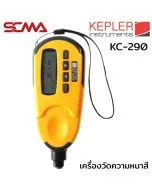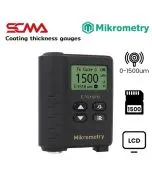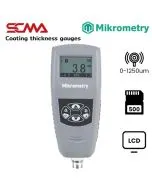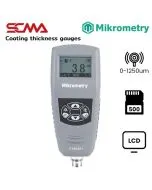

Coating Thickness Gauge, or a device for measuring the thickness of paint coatings, is an essential tool in various coating and manufacturing industries. The accuracy of measuring the thickness of coating layers not only helps to control product quality but also effectively reduces production costs. This article will introduce you to the Coating Thickness Gauge, its working principles, types, and important benefits. Check out high-quality Coating Thickness Gauge services from SCMA here to help you choose the right tool for your needs.
What is a Coating Thickness Gauge?

Coating Thickness Gauge is a device used to measure the thickness of coating layers or dried film on various base materials. The Coating Thickness Gauge for measuring dry film thickness is an important tool in the coating industry, as the thickness of the coating layer directly affects production costs, quality, protective efficiency, and product lifespan. Accurate measurement helps manufacturers control quality and ensure that products meet international standards.
The Importance of Paint Thickness Gauges
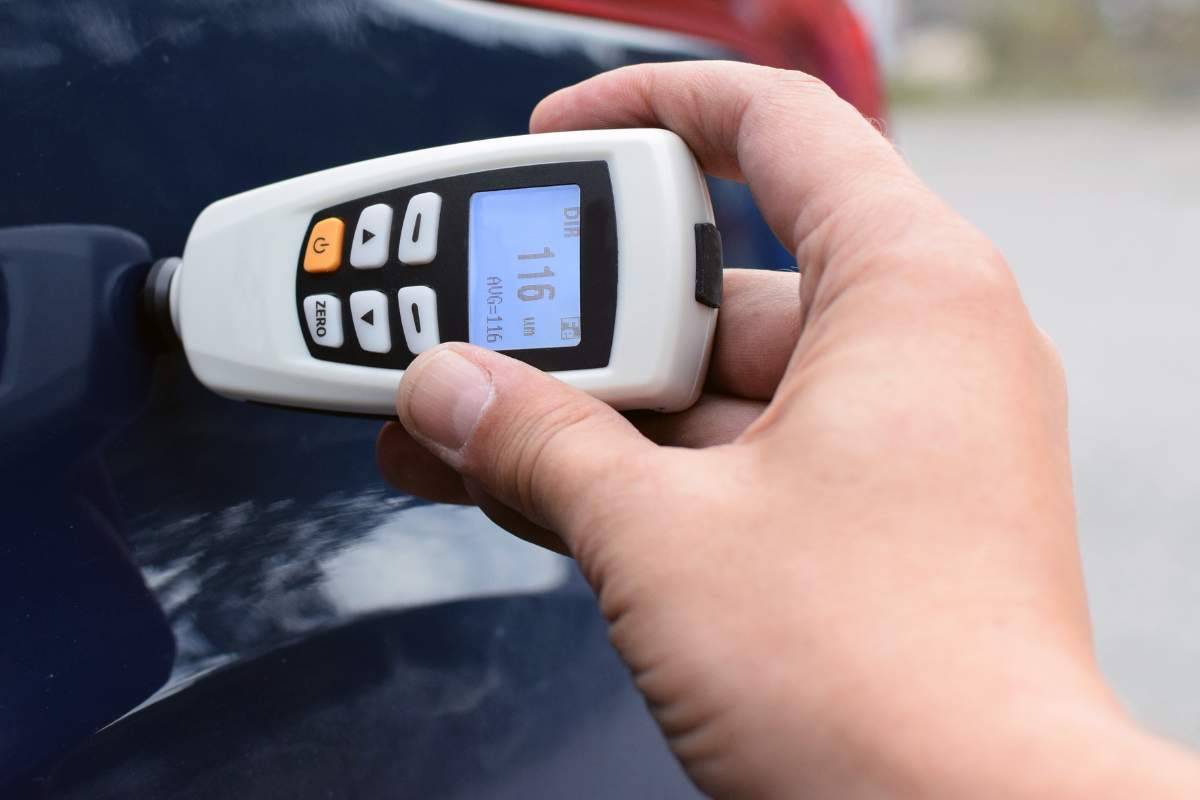
Paint thickness gauges are crucial in the industrial sector as they help control the appropriate amount of coating material used, directly impacting production costs and enhancing product quality. They can be used to assess the lifespan, performance, and appearance of products according to international standards. The accuracy of paint thickness measurement also enables manufacturers to efficiently check quality, increase product reliability, and build customer confidence.
Common units of measurement include microns (Microns), which are popular in Thailand, and mils, used in some other countries. One mil equals 25.4 microns.
Types of Coating Thickness Gauges
There are various types of coating thickness gauges Each type uses different scientific principles to measure the thickness of coatings on various base materials. The choice of an appropriate type depends on the base material, type of coating, and required accuracy. Here are the main types of coating thickness gauges commonly used in industry:
Magnetic Coating Thickness Gauge
This type uses magnetic induction to measure the thickness of non-magnetic coatings on base materials such as steel or iron. It measures the attraction between a magnet in the instrument and the base material, suitable for measuring paint, varnish, or epoxy coatings on ferromagnetic metals.
Eddy Current Coating Thickness Gauge
It uses eddy current principles to measure the thickness of non-conductive coatings on electrically conductive base materials that are not magnetic, such as aluminum, copper, zinc, or brass. When an eddy current is generated in the base material, the coating thickness affects the strength of the eddy current, which can be measured and converted into a thickness value.
Ultrasonic Coating Thickness Gauge
This type uses high-frequency sound waves to measure coating thickness without relying on magnetic or electrical properties of the material, making it suitable for measuring coatings on a variety of materials including plastic, glass, wood, and composites. Additionally, it can measure multiple layers in one measurement, providing high flexibility in use.
Combination Coating Thickness Gauge
It is a hybrid gauge that combines several technologies into one device, typically integrating magnetic and eddy current technology. This allows for measuring coating thickness on both ferrous and non-ferrous base materials. The type of gauge offers high flexibility and is suitable for applications requiring measurement of coatings on various types of base materials.
Usage of Coating Thickness Gauge
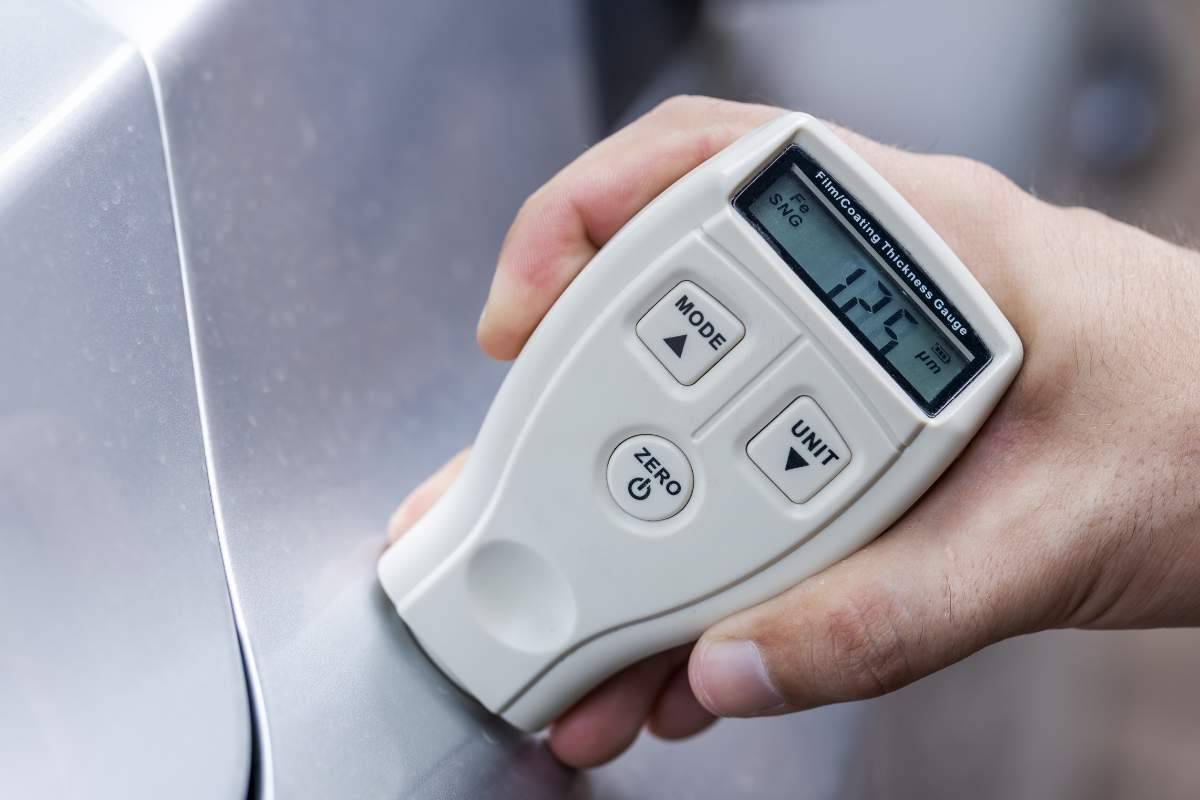
The coating thickness gauge is applied in various industries due to its accuracy and ability to measure without damaging the workpiece. This tool helps manufacturers control quality and ensure that products have an appropriate coating layer according to specified standards, which affects product lifespan, durability, and aesthetics. The following are the primary applications of a paint thickness gauge in industrial sectors:
- Automotive and Metal Products Industries - Used to measure the thickness of paint and coating layers on car bodies, electrical appliances, and various metal products to control quality, aesthetics, and rust prevention. Accurate measurements help reduce costs from excessive paint usage and prevent cracking issues caused by overly thick coatings.
- Structural and Heavy Industry Work - Inspect the thickness of anti-corrosion coating layers on metal structures, pipes, tanks, bridges, and other infrastructure exposed to harsh environments. Proper coatings extend service life, reduce maintenance costs, and prevent corrosion damage.
- Aerospace Industry - Measure the thickness of coating layers on aircraft parts, airframe bodies, and aviation equipment with strict requirements regarding weight and durability. Accurate measurements ensure that components meet the highest safety standards, withstand severe weather conditions, and perform as designed.
- Electronics and Microelectronics Industry - Inspect the thickness of coating materials on printed circuit boards, small electronic components, and microelectronic devices that require high precision and uniformity in coating. Micron-level measurements control the quality of high-value products and reduce product failure rates.
If you are interested in purchasing a paint thickness gauge, SCMA is now available!
SCMA is an authorized distributor of high-quality paint thickness gauges that meet international standards. We offer various models to suit different applications, whether it's heavy industry, decoration, or maintenance work. Our team of expertsis ready to provide consultation and recommend the most suitable gauge for your needs.Additionally, we offer fast and efficient after-sales service.
Summary
A paint thickness gauge is an essential tool for controlling the quality of coating layers in various industries. With a variety of technologies available, such as magnetic, eddy current, and ultrasonic, it allows you to choose the most suitable gauge for your base material and desired coating layer. Using a paint thickness gauge correctly and consistently ensures product quality, reduces production costs, and adheres to industry standards. SCMA is ready to provide high-quality paint thickness gauges and technical support to all customers to ensure accurate and highly efficient measurements of coating thickness.
Frequently Asked Questions
What is a Thickness Gauge?
A thickness gauge, or material thickness measuring tool, is used to measure the thickness of materials or coatings. There are various types depending on the principle of operation and the type of material being measured, such as ultrasonic thickness gauges for hard materials like metal or coating thickness gauges for surface coatings on base materials. Thickness gauges play a crucial role in quality control during manufacturing processes and product inspection.
What is a Coating Thickness Gauge?
A coating thickness gauge, or an instrument for measuring the thickness of paint/coatings on surfaces, is used to measure the thickness of coatings on base materials such as metal or plastic. It uses various physical principles like magnetic induction, eddy current, or ultrasonic waves. This tool helps ensure that the coating thickness meets required specifications and standards, which is crucial for quality control and corrosion protection.
What does Thickness Value Mean?
The thickness value or thickness measurement refers to the distance between one surface of a material or coating to another. It is usually measured in micrometers (µm) or millimeters (mm), depending on the type and thickness of the coating. The thickness value is important for determining the properties of materials or coatings, such as strength, corrosion resistance, or water repellency. Accurate measurement of thickness is essential for product quality control.
What is a Thickness Gauge?
A thickness gauge, or thickness measuring tool, is used to measure the size or thickness of various materials. There are different types and forms depending on the material being measured and the required accuracy. For example, ultrasonic thickness gauges are used for measuring the thickness of hard materials like metal or plastic without cutting or damaging the workpiece, while coating thickness gauges are used for measuring the thickness of coatings on base materials. Thickness gauges play a crucial role in manufacturing industries, quality control, and structural safety inspections.