

Electric measuring tools are important devices that help in checking, analyzing, and solving problems in electrical systems, whether it's small household work or large industrial projects. Choosing the right measuring tool can enhance efficiency and safety in work. This article SCMA will introduce you to various types of electrical measuring tools and how to select the right one for your needs.
What are Electrical Measuring Tools?
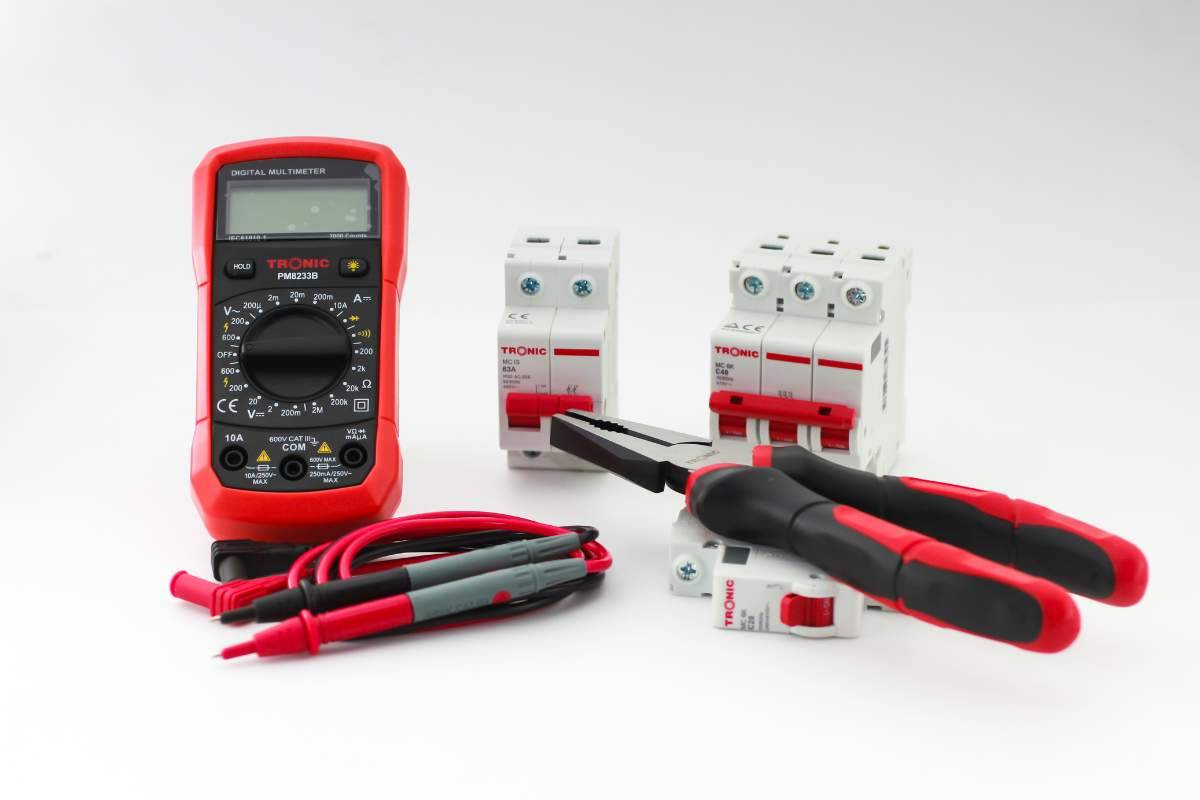
Electric measuring tools are instruments used to measure electrical quantities such as voltage, energy, and current. These are essential for electricians to check electrical activities and detect the presence of voltage or current. Such devices also help in measuring other parameters like frequency, power factor, and resistance, which are crucial across various industries. Selecting the right measuring tool not only ensures accurate results for informed decision-making but is also vital for user safety.
What are electrical measuring tools?
How many types of electrical meters are there?Electrical measuring toolscome in various types, each designed to measure different electrical values ranging from voltage, current, power, to resistance. Choosing the right type of electrical meter for specific tasks will ensure accurate and safe measurements. Here are some commonly used electrical measuring tools:
Voltage Meter (Voltmeter)
A voltmeter is used to measure the potential difference between two points in an electrical circuit. There are both panel-mounted and portable types available. For measuring high voltage in industrial systems, it's necessary to use a potential transformer (PT or VT) to step down the voltage before measurement.
Power Factor Meter
A Power Factor Meter measures the ratio between real power (watts) and apparent power (volt-amps), which is an indicator of electrical system efficiency. A good Power Factor should be at least 0.85 to 0.9 or higher, to reduce energy losses and electricity charges.
Current Meter (Ammeter)
An ammeter is used to measure the amount of current flowing in a circuit. There are both analog and digital types available, including clamp-on meters that are convenient for field use. In industrial electrical systems, it's often necessary to use a current transformer (CT) for safety and increased measurement accuracy.
Power Meter (Wattmeter)
A wattmeter measures the power or energy consumed by an appliance during operation, allowing direct assessment of energy efficiency and calculation of electricity costs. This tool is crucial for effective planning and management of electrical energy usage.
Multimeter
Multimeters are versatile electronic measuring instruments that combine multiple measurement functions in a single device. They can measure voltage, current, resistance, and some models also measure capacitance, frequency, or test transistors. To prevent damage, the switch should be set to the OFF position or the highest range for alternating current voltage when not in use.
Ohmmeter
An ohmmeter is used to measure resistance values in electrical circuits. It has been developed from an ammeter to directly display resistance values. For measuring high-level megohm resistances, such as insulation of wires or ground resistance, a specialized tool like a Megger or Earth Test Meter should be used.
Watt-hour Meter
A watt-hour meter, also known as an electricity meter, measures the amount of electrical energy consumed over time. It is installed outside buildings in areas managed by electric utilities and comes in both analog and digital versions, including single-phase and three-phase models. The results are displayed in kilowatt-hours (kWh), which are used to calculate electricity bills.
Benefits of Electrical Measuring Instruments
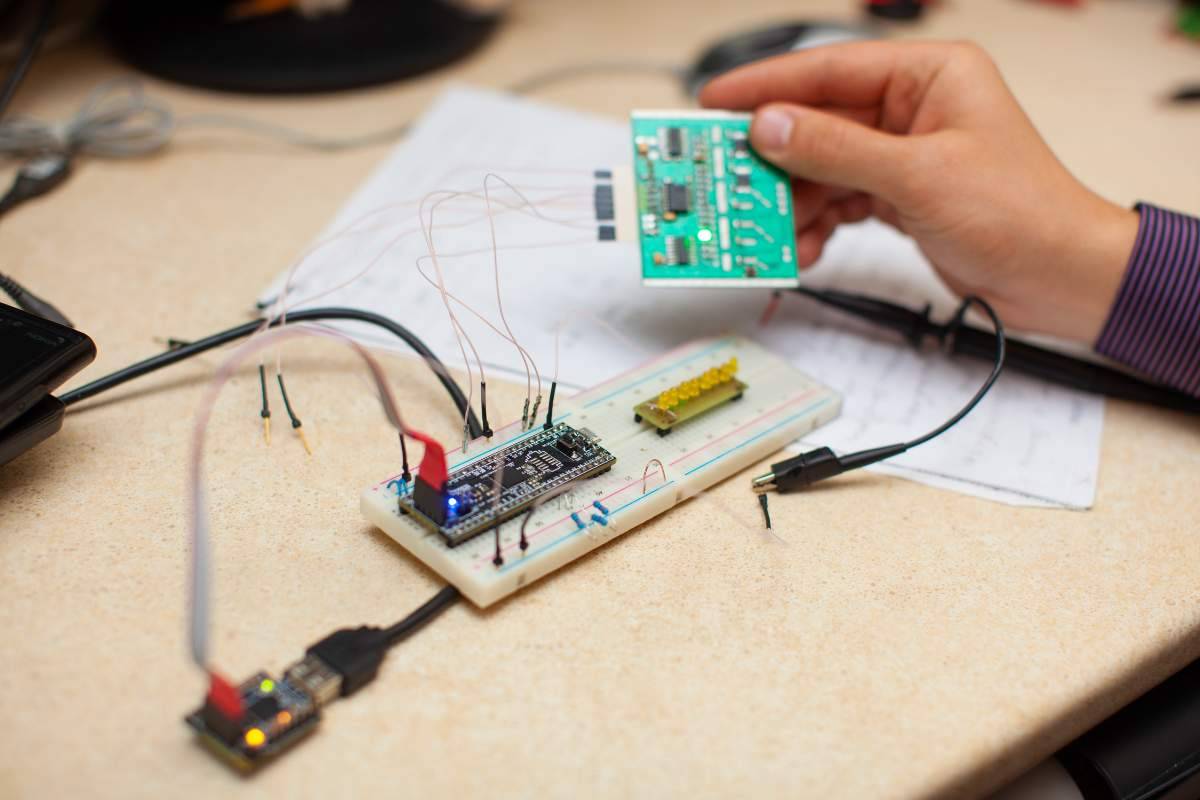
Electric measuring tools are primarily useful for checking electrical activities and detecting whether there is voltage or current in systems and various equipment. They help electricians and engineers assess the operational status, diagnose problems, and perform maintenance safely and accurately. Additionally, they assist in calculating and planning energy usage to achieve maximum efficiency, reducing costs and preventing potential damage to the electrical system.
How to Choose the Right Electrical Measurement Tools for Your Needs
Selecting the Right Electrical Test Equipment that suits your needs is a crucial factor affecting work efficiency and user safety. The following are important factors to consider before making a purchase:
- Type of Measurement and Values Required: Consider what values you primarily need to measure, such as voltage, current, resistance, or other parameters. If specific measurements are required, specialized tools may be chosen, but for multiple measurements, a multimeter is often the better choice.
- Display System: Choose between analog (needle) or digital instruments. Each type has its advantages; analog meters clearly show value changes and are suitable for rapidly changing measurements.
- Size and Ease of Use: Consider the size and weight of the tool to suit your usage conditions. If frequent portability is required, choose a compact lightweight model; for specialized tasks like measuring large cables.
- Accuracy and Resolution: Consider the accuracy (Accuracy) and resolution (Resolution) of the tool to suit your work. High-precision tasks, such as calibration or research, require higher precision tools than general work. Accuracy is usually expressed in percentage form, e.g., ±(0.5% + 2 digits). The lower the value, the more accurate it is.
- Environmental Durability: Choose equipment suitable for your working environment by checking IP (Ingress Protection) standards.
- Quality Certification Standards: Select tools that meet international certification standards such as CE (Europe), UL (USA), or JIS (Japan).
- Safety Standards: Consider the CAT (Measurement Category) standard, which defines the safety level of measuring instruments for use with different voltage levels, such as:
- CAT I: Suitable for low-voltage electronic circuits.
- CAT II: Suitable for household electrical equipment.
- CAT III: Suitable for building electrical systems.
- CAT IV: Suitable for primary power supply systems.
- Warranty and After-Sales Service: Consider warranty policies, maintenance services, and technical support from the manufacturer or seller.
- Technology and Additional Functions: Consider additional functions that may be beneficial, such as data logging, Bluetooth or USB connectivity to smartphones or computers, backlit displays for dark environments, or automatic operation functions.
Usage Guidelinesfor Electrical Measuring Instruments
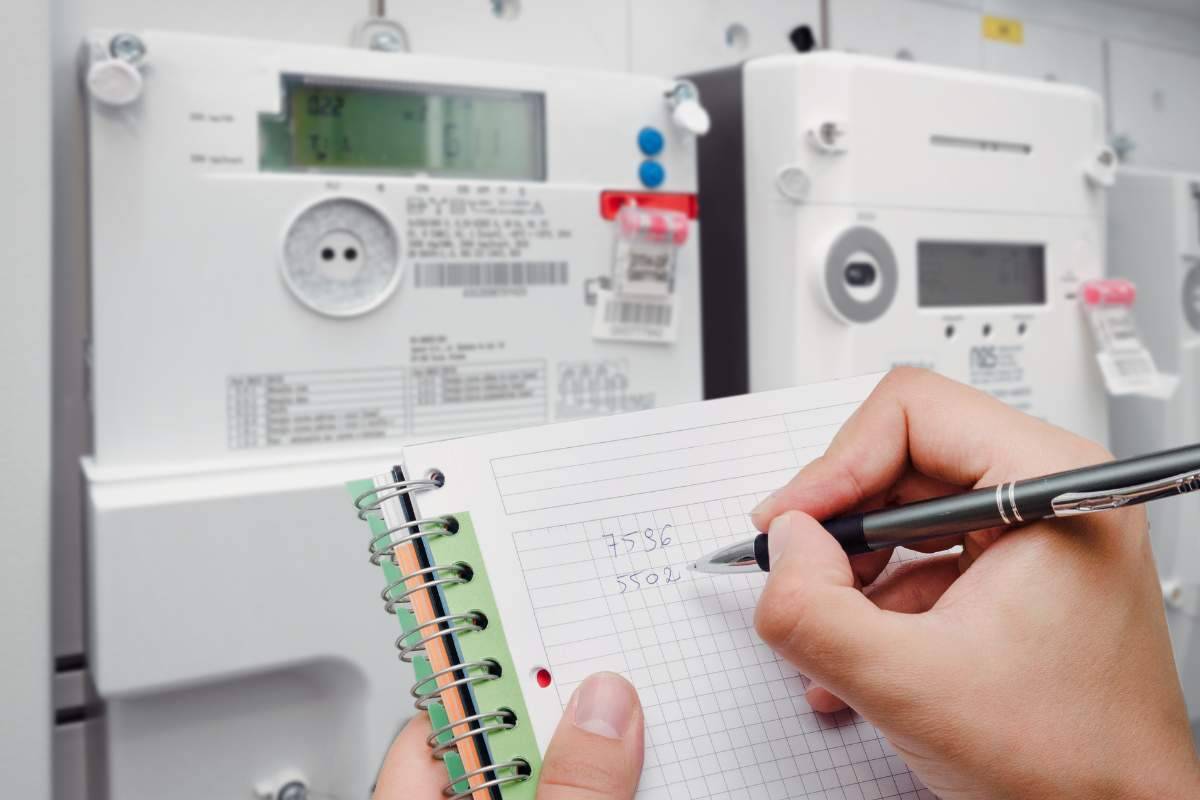
Using electrical measurement and testing tools correctly not only helps achieve accurate measurements but also prevents hazards and extends the lifespan of equipment. Users should study the user manual thoroughly and follow these recommendations.
- Study the various components of the measuring instrument and understand their functions before starting to use it.
- Understand how buttons and switches work to avoid incorrect settings during measurements.
- Insert batteries according to the specified polarity and use the type of battery recommended by the manufacturer to prevent damage to internal circuits.
- Study the correct measurement procedures and safety precautions, especially when working with high voltage.
- Learn how to read values and interpret data correctly, including data logging functions (if available).
- Understand potential issues that may arise and initial troubleshooting methods to handle emergencies.
- Be familiar with the technical specifications of the tool, such as measurement range, accuracy, and usage limitations.
- Check the completeness of equipment and the condition of measuring leads, probes, and other components before each use.
- Use a measuring instrument suitable for the type of work and set the measurement range to cover expected values to prevent damage.
If you are interested in electrical measuring tools, you can now purchase from SCMA!
At SCMA, we offer a wide range of high-quality electrical measuring tools to cover all your needs for electrical work, both for general users and professionals. In addition to selling equipment, we also provide consultation services to help you choose the appropriate tools for your job, along with after-sales service that supports you throughout the product's lifespan.Contact our SCMA team today to receive special offers and expert advice from us!
Summary
An electrical current meter is an essential tool that helps make working with electrical systems efficient and safe. It includes various types of tools such as voltmeters, ammeters, ohmmeters, wattmeters, and multimeters. Choosing the right tool for your job requires considering factors like the type of work, measurement range, accuracy, safety, special features, budget, and quality.
SCMA is ready to be your partner in providing high-quality electrical measuring tools that meet your specific needs. With our team's experience and expertise, we can recommend and supply the best equipment for your job, along with comprehensive after-sales service. Whether you are an electrician, engineer, or general user, SCMA has the tools and services tailored to meet your requirements!
Frequently Asked Questions
What are electrical tools?
How many types of electrical measuring instruments are there? Electrical tools come in various types, including voltmeters, ammeters, ohmmeters, wattmeters, multimeters, power factor meters, and watt-hour meters. There are also specialized tools such as oscilloscopes and power quality analyzers.
What is a watt-hour meter?
A watt-hour meter (Watt-hour Meter) is an instrument used to measure the amount of electrical energy consumed in kilowatt-hours (kWh), which is the unit used by electricity companies for billing purposes. This meter is installed at homes, buildings, or factories to record the amount of electricity used and calculate the bill for each billing cycle.
What are current measuring tools?
Current measuring tools come in various types:
- Analog Ammeter - Uses a needle to indicate the current value
- Digital Ammeter - Displays digital numbers for the current value
- Clamp Meter - Measures current by clamping around a wire without interrupting the circuit
- Series Ammeter - Requires breaking the circuit to insert the measuring instrument into it
- Multimeter - Can measure current as well as other electrical quantities
What are the four main standards for electrical measurements?
The four main standards for electrical measurement include:
- CAT I (Measurement Category I) - Used for measuring low-voltage electronic circuits not directly connected to the power supply, such as battery circuits
- CAT II (Measurement Category II) - Used for measurements within building electrical systems, such as wall sockets, lighting circuits, and general household appliances
- CAT III (Measurement Category III) - Used for measuring in building power distribution systems, such as control panels, main lines, and sub-circuits
- CAT IV (Measurement Category IV) - Used for measurements at the primary power supply level, such as main electricity meters, transformers, and lightning protection systems