
SPECIAL PROMOTION — Up to 40% off across many product groups, until 31 December 2026 · Click to see all promotion itemsIFM, Sensor, Automation SystemMeasuring / Testing InstrumentsTemp Indicator, Control, T/C, RTD, TimerHeater, SCR Control, Solid State, Power Supply, Control CabinetField Measuring Instruments, Pressure Gauge, Level Control, Flow MeasurementEMC, Pneumatic, Solenoid ValveInspection Test Lamp, Head Light, Automotive Measuring InstrumentWeighing Scales, Marking Machine, PrintersEducational Training SystemsHot Line Tools & Equipment SPECIAL PROMOTION — Up to 40% off across many product groups, until 31 December 2026 · Click to see all promotion itemsIFM, Sensor, Automation SystemMeasuring / Testing InstrumentsTemp Indicator, Control, T/C, RTD, TimerHeater, SCR Control, Solid State, Power Supply, Control CabinetField Measuring Instruments, Pressure Gauge, Level Control, Flow MeasurementEMC, Pneumatic, Solenoid ValveInspection Test Lamp, Head Light, Automotive Measuring InstrumentWeighing Scales, Marking Machine, PrintersEducational Training SystemsHot Line Tools & Equipment View promotion items View all
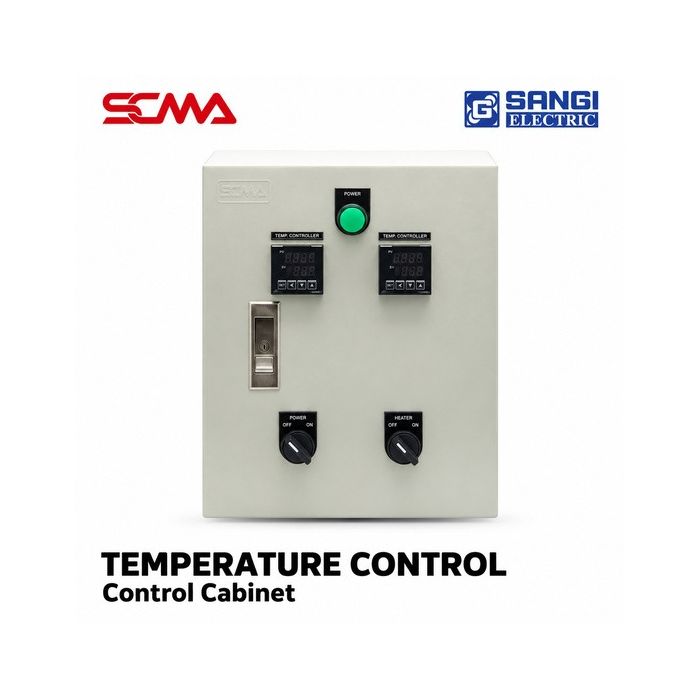
Temperature Control Cabinet SANGI ELECTRIC
Price on request – please contact us
Out of stock
SKU
051027
Out of stock

Temperature Control Panel, SANGI ELECTRIC, Industrial Temperature Control Panel, Temperature Control Cabinet, Heater Control Panel, Heater Control Cabinet, Industrial Heater Controller Panel, Electric Heater Control Panel, Temperature Controller Cabinet, Industrial Control Panel, Electrical Control Cabinet, Custom Control Panel, Custom Made Temperature Control Panel, Made to Order Control Cabinet, Industrial Temperature Control System, Heating Control System, Industrial Heating Control, Heater Power Control Panel, Temperature Regulation System, Industrial Electrical Control Panel, Custom Electrical Panel, Control Panel Design, Control Panel Manufacturing, Control Panel Installation, Industrial Heater Automation, Multi Zone Temperature Control, Temperature Monitoring System, Electric Heating Equipment Control, Heater Control System Design, Industrial Process Temperature Control, OEM Control Panel, Control Cabinet Assembly, Industrial Temperature Management, Temperature Control Cabinet, Temperature Control Cabinet, Heater Control Cabinet, Heater Control Cabinet, Heat Controller Cabinet, Electrical Temperature Control Cabinet, Industrial Electrical Control Cabinet, Electrical Control Cabinet, Machine Control Cabinet, Heating System Control Cabinet, Industrial Temperature Control Cabinet, Custom Made Temperature Control Cabinet, Custom Designed Control Cabinet, Design and Manufacture of Temperature Control Cabinets, Manufacturing and Assembly of Heater Control Panels, Installation of Electrical Control Cabinets, Temperature Control Cabinet SANGI ELECTRIC, Industrial Temperature Control System
*Price does not include VAT
SANGI ELECTRIC (Industrial Temperature Control Panel) Temperature Control Cabinet
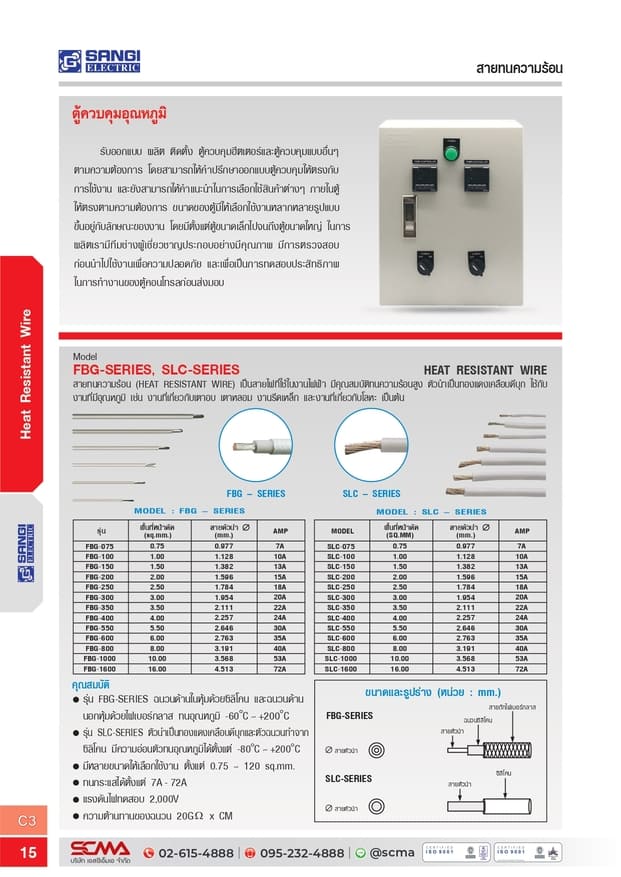
SANGI ELECTRIC Temperature Control Panel is an electrical control cabinet for heater systems and industrial temperature control applications. It supports design, production, and installation according to user requirements to suit the operational characteristics of machinery and heating processes.
The control cabinet can be designed to fit various types of heaters, electrical systems, number of control points, and working conditions as needed. There is a consultation service for selecting equipment inside the cabinet and arranging it in accordance with system specifications.
There are various models and sizes available based on usage requirements, from small control cabinets to large ones. The actual size determination considers the number of components, heater power capacity, installation space, and safety regulations.
The production process includes assembly and functional testing of the control cabinet before delivery to ensure it is ready for installation and use according to designed conditions.
Features
- Brand: SANGI ELECTRIC
- Product Type: Temperature Control Panel
- Control cabinet for heaters and industrial heating systems
- Custom design, production, and installation of control cabinets as required
- Able to design the system to fit machinery usage characteristics
- Consultation on control cabinet design
- Advice on selecting electrical and control equipment inside the cabinet
- Suitable for various sizes based on job requirements
- Can consider designs from small to large cabinets
- Assembled by skilled teams
- Function testing and inspection before delivery
- Fits temperature control applications in machinery and production processes
Technical Specifications
| Specifications | Details |
|---|---|
| Brand | SANGI ELECTRIC |
| Product Name | Temperature Control Panel |
| Product Type | Industrial Temperature Control Cabinet |
| Main Application | Heater Control / Industrial Temperature Control |
Note: The temperature control cabinet is a product designed according to the customer's requirements. The catalog does not specify standard specifications for rated voltage, current, number of control zones, cabinet size, or internal component models; these details must be confirmed from the offered design.
How Temperature Control Cabinet Works
The temperature control cabinet functions to regulate the supply of electrical power to heaters or heating devices based on temperature data from sensors and a control set that is selected to suit the nature of the work.
When the system's temperature changes, the control set will command the power switching device to operate according to the designed control mode in order to maintain the temperature within the desired range.
The control modes may vary depending on job requirements and must be verified with the type of Temperature Controller and power devices specified in the actual design.
Custom Design of Control Cabinet
The design of a temperature control cabinet should start by defining the heater type, number of heater sets, power capacity, and operating temperature to enable appropriate selection of equipment and cabinet structure.
In addition, the machine's usage characteristics must be considered, such as continuous operation, system startup and shutdown conditions, power-off criteria, and cooperation with other production process equipment.
The placement of components inside the cabinet should take into account heat dissipation, separation of power circuits and control circuits, ease of inspection, and accessibility for maintenance.
Selection of Internal Components
The selection of internal components in a control cabinet depends on job characteristics and production design details. The following components may be considered as necessary:
- A Temperature Controller to regulate temperature
- A Temperature Sensor to measure temperature
- A Contactor or Solid State Relay for controlling heater loads according to the design
- A Circuit Breaker or appropriate protective device against electrical faults
- A Terminal Block for wiring connections
- An Indicator Lamp to display status
- A Selector Switch and Push Button for operation commands
- Overheat protection devices based on risk assessment
- Cabinet cooling equipment when necessary
Note: The above list is an example of components that may be considered in the design, not a standard set of installed components.
Industrial Heater Control
The control cabinet can be designed to regulate heating devices in industrial machinery. It must verify heater types and electrical load characteristics before selecting power switching equipment.
For systems using multiple heater sets, consider dividing the control circuit to suit installation positions and temperature requirements. The number of control points and operational capabilities must be specified in the design.
Cabinet Design Size and Style (Cabinet Design)
The catalog specifies that there are various cabinet sizes available, from small to large cabinets, depending on job characteristics and the number of internal components
Design should consider installation space, wiring methods, door opening positions for the cabinet, maintenance clearance, as well as selecting materials and enclosure protection levels suitable for the environment.
Preliminary Inspection and Testing Before Delivery
The temperature control cabinet goes through a process of inspection and functional testing before delivery according to catalog data to evaluate assembly accuracy and operational readiness.
Specific test items, such as electrical safety system checks, control circuit operation tests, and internal equipment inspections should be defined based on the scope of work and approved design.
Design and Custom Order Information (Custom Order Information)
| Required Information | Description |
|---|---|
| Application | Job characteristics and machine type |
| Heater Type | Type of heater to be controlled |
| Number of Heaters | Number of heaters in use |
| Heater Wattage | Power rating of each heater set (W) |
| Power Supply | Voltage, number of phases, and frequency |
| Control Zones | Number of temperature control points required |
| Operating Temperature | Operating temperature range and target value |
| Temperature Sensor | Type and number of sensors needed |
| Control Method | Nature of control and operating conditions |
| Safety Requirements | Electrical safety system requirements and overheat protection |
| Cabinet Size | Cabinet size and installation space |
Applications
- Temperature control systems for industrial machinery heaters
- Heater control systems for production processes
- Temperature control in specialized heating units
- Control cabinets designed to support heat curing systems
- Multizone heater control systems according to machine specifications
- Design and upgrade of existing temperature control systems
- Research and development of industrial heating systems
Selection Guidelines for Temperature Control Cabinets
- Check the type and number of heaters
- Verify electrical power and voltage ratings for each heater unit
- Determine the number of temperature control points
- Specify desired temperature range and accuracy
- Select a control mode that fits the process requirements
- Evaluate sensor types and installation positions
- Select appropriate circuit protection devices to handle load currents
- Define overheat prevention systems and safety measures
- Select cabinet size and materials suitable for installation space
- Specify testing and delivery documentation according to project specifications
Safety Precautions
- Install control cabinets by personnel knowledgeable in electrical systems
- Use voltage and current ratings as per design specifications
- Properly install grounding systems and circuit protection devices
- Verify wire gauge and circuit breaker sizes to handle heater loads
- In high-risk applications, ensure separate overheat prevention equipment from the control system
- Avoid installing cabinets in environments exceeding their protective ratings
- Check internal electrical components for proper heat dissipation
- Do not modify circuits or add load without reviewing drawings
- Disconnect power sources and prevent accidental re-energization before maintenance
- Inspect control devices and safety systems according to maintenance schedules
Important Notes Before Purchase (Important Notes)
- The product is a temperature control cabinet designed and manufactured according to the user's specifications.
- We offer design, production, and installation based on catalog data.
- We provide consultation for selecting internal equipment suitable for the job.
- Cabinet sizes range from small to large depending on usage requirements.
- There is a check and test of functionality before delivery.
- The voltage, current, number of control points, and cabinet size must be confirmed according to the model.
- No specific models of Temperature Controller, SSR, Contactor, Sensor, or HMI are specified as standard equipment.
- Installation scope and equipment list should be checked against the quotation.
- The electrical diagram, test items, and delivery documents should be confirmed before production.
- Please check warranty conditions and manufacturing time before ordering.
Write Your Own Review
This website uses cookies
We use cookies to make the site work properly, to understand how it is used, and to show content that is relevant to you. You choose which types to allow; strictly necessary cookies are always on. Privacy Policy
🤖 AI Assistant
Ask about products, specs and replacement models
Hello 👋 Ask us anything — find products, compare specs, or troubleshoot.
🗑 Clear history