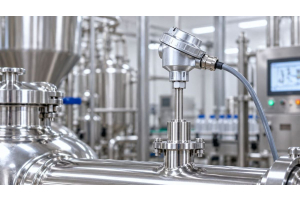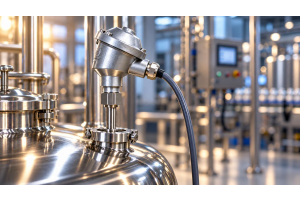

Calibration, or the process of calibrating measuring instruments, is a crucial procedure that helps maintain standards and reliability in measurement results. This is particularly important in manufacturing industries.SCMA Company places great importance on the calibration of measuring instruments and is committed to providing high-quality calibration systems to meet customer needs.
What is Calibration?

Calibration is the process of comparing readings from measuring instruments with known values from reference equipment to adjust and ensure accuracy and precision according to accepted standards. Calibration of measuring instruments is an essential step in maintaining measurement quality.
Why Perform Calibration?
Calibrating measuring instruments is necessary for various reasons, including ensuring the accuracy and reliability of measurements, complying with quality assurance system requirements, adhering to legal or regulatory standards, as well as for personnel safety and product quality. Neglecting calibration can lead to significant damage and costs.
What is the Principle of Calibration?
Calibration, or the process of verification, is a crucial procedure for maintaining the accuracy and reliability of measuring instruments. It involves comparing the measured values from an instrument with known reference standards. The principles of calibration include:
- Using highly accurate reference equipment that can be traced back or verified, to compare with the instruments needing calibration.
- Controlling environmental conditions as required for calibration, such as temperature, humidity, and pressure.
- Using methods of calibration that adhere to international standards or accepted practices to ensure reliable results.
- Conducting the calibration by knowledgeable and appropriately trained personnel.
- Recording and reporting detailed results of calibration, including measurement uncertainty values, to serve as reference data and track the history of the instrument.

Why is Calibration Important?
Calibration is crucial for the reliability of measurement results, ensuring that measuring instruments operate accurately and comply with international standards. Neglecting calibration can lead to measurement errors, resulting in quality issues with products, financial losses, and damage to brand and organizational credibility. Additionally, it is a requirement under quality standards and legal regulations.
What are the key components of a measurement instrument calibration?
To ensure that measurement instrument calibration is effective and yields reliable results, it requires several important elements to work together. These include reference equipment, personnel, process, as well as environmental conditions. Each component plays a crucial role:
- The calibration standard or Calibrator used for the calibration must be at least three to four times more accurate than the instrument being calibrated and must trace back to national or international standards.
- The personnel conducting the calibration must have appropriate knowledge, skills, and experience, as well as training in relevant courses.
- The calibration process must follow established standard methods or accepted procedures, with control measures to prevent external factors from affecting measurement accuracy.
- The laboratory environment for calibration must be controlled and maintained in suitable conditions that comply with the requirements of each type of calibration, such as maintaining constant temperature and humidity levels.
- Documentation and records of calibration results must be complete and accurate, reviewed and approved by authorized personnel, and capable of being traced back for reference and follow-up checks.

What is the Difference Between Calibration and Calibrator?
Calibration and Calibrator are terms that are often heard together when discussing the calibration of measuring instruments. However, these two terms have different meanings, although they are closely related. Users need to understand the differences in order to use them correctly.
Calibration
Calibration is a process of comparing the values of measuring instruments with reliable standard values, aiming to adjust the measuring instrument to meet specified accuracy criteria. It is an important step that helps maintain the quality and reliability of measurement.
Calibrator
A Calibrator is a device or tool used in the calibration process, which serves as a reference or standard for comparing the accuracy values of measuring instruments. The calibrator must be highly accurate and have traceable calibration to ensure its correctness and reliability.
Contact SCMA Today for Calibration Consultation!
If you have any questions or need more information about calibration, the process of calibrating measuring instruments, or require professional standard calibration services, please contact SCMA. They have a laboratory that is certified to ISO/IEC 17025 standards and are equipped with expert teams ready to provide consultation and professional calibration system services. This ensures your measuring instruments are in optimal condition for accurate operation, thereby helping your business improve quality and reliability effectively.

Summary
Calibration or the process of verifying measuring instruments is a crucial step that should not be overlooked, as it helps ensure measurement accuracy and reliability. Additionally, calibration is also a necessary requirement according to quality standards and legal regulations. SCMA understands this importance, therefore they are committed to providing calibration services with international standards, along with expert consultations to support your business growth in a high-quality and sustainable manner.
Frequently Asked Questions
What is the purpose of Calibration?
Calibration aims to ensure that measuring instruments are accurate and precise according to accepted standards, maintaining measurement quality. It helps guarantee that measured values are correct and reliable, which is essential for process control, product quality assurance, and preventing errors that could harm the business.
Why must lung function test equipment be calibrated before each use or at specified intervals?
Calibrating lung function testing equipment before use or at set intervals is crucial to ensure that measurement results are accurate and reliable. Factors such as temperature changes, humidity, or atmospheric pressure can affect the accuracy of the instrument. Regular calibration helps reduce errors and maintain measurement standards, which are important for diagnosing diseases and monitoring employee health.
What details must be included in a Calibration Certificate?
A Calibration Certificate should include critical information such as the name and model of the calibrated instrument, the reference number of the equipment, the date of calibration, calibration results at each point within the measurement range, uncertainty values of measurements, environmental conditions during calibration, methods used for calibration, along with the calibrator's name and authorized signature. This certificate confirms the capability of the instrument and guarantees the reliability of measurement results.
What is a Calibration Curve used for?
A Calibration Curve is a graph showing the relationship between measured values from an instrument and reference standard values across the entire usage range. It displays deviations or correction values at various points. Data from the Calibration Curve is used to compensate for errors and fine-tune instrument values for greater accuracy. Additionally, it can be analyzed to identify trends in changes and determine appropriate intervals for future calibration. The Calibration Curve is thus a vital tool for maintaining high-quality performance of measuring instruments.