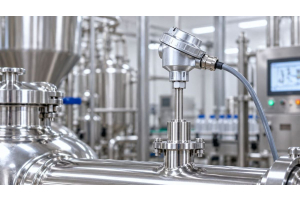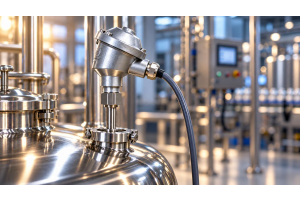

A humidity meter, or Humidity Meter, is a crucial device that helps us efficiently control the moisture level in the air. Whether it's for homes, offices, industrial factories, or agriculture,SCMA, an expert in industrial automation systems, provides consultation, procurement, and installation services for humidity meters and related measuring tools. This ensures customers can manage moisture levels appropriately, enhancing production efficiency, product quality, as well as health and safety.
What is a Humidity Meter?

A humidity meter, or moisture detector, is a device used to measure the amount of water vapor in the air. It displays values as relative humidity (RH), which compares the quantity of water vapor in the air with the maximum amount that the air can hold at that temperature. Humidity meters come in various types, such as portable, wall-mounted, or integrated into moisture control systems. They are widely used across different industries and provide data for analysis to improve environmental conditions.
Benefits of a Moisture Meter
A moisture meter plays a crucial role in helping to maintain an appropriate level of humidity. Maintaining the right level of humidity has several benefits, such as:
- Preventing the growth of mold, bacteria, and other microorganisms that thrive in damp environments
- Reducing health risks associated with humidity such as allergies, respiratory illnesses, and skin irritation
- Preventing damage to structures, equipment, or products from excessive moisture levels, such as metal corrosion and wood warping
- Increasing the efficiency of air conditioning and heating systems by avoiding overwork to remove excess humidity
- Helping maintain product quality in various industries that require proper moisture control, such as food, pharmaceuticals, textiles, and electronics
Moreover, humidity measurement tools are useful for checking moisture levels in different areas like walls, ceilings, or under floors to detect leaks before they become major issues. Therefore, installing a moisture meter as an early warning system can save significant repair costs over the long term.

How does a humidity meter work?
A humidity meter or moisture detector typically measures relative humidity in the air using different working principles, including:
- Capacitive sensor which uses changes in electrical capacitance as moisture levels increase. This type of sensor is highly sensitive and provides quick responses.
- Resistive sensor which relies on the change in electrical conductivity of materials due to moisture. These devices often provide high accuracy.
- Dry and wet bulb psychrometer uses two thermometers, one for normal temperature measurement and the other wrapped in a moist cloth to measure evaporation rates compared to air humidity.
- Infrared which uses infrared radiation to measure water content in soil, plants or walls by utilizing the absorption properties of water.
- Dew-point hygrometer measures the lowest temperature at which dew forms and then converts it to %RH value.
The humidity values measured by these devices are displayed on digital screens, making them convenient and easy to read. Some models of relative humidity meters may also be able to connect with IoT monitoring systems to send data to other devices or platforms.
Types of Humidity Meters
Humidity meters can be categorized based on their usage as follows:
- Air Hygrometer Used to measure relative humidity and temperature around the device. Available in portable, desktop, and wall-mounted models suitable for general home or office use.
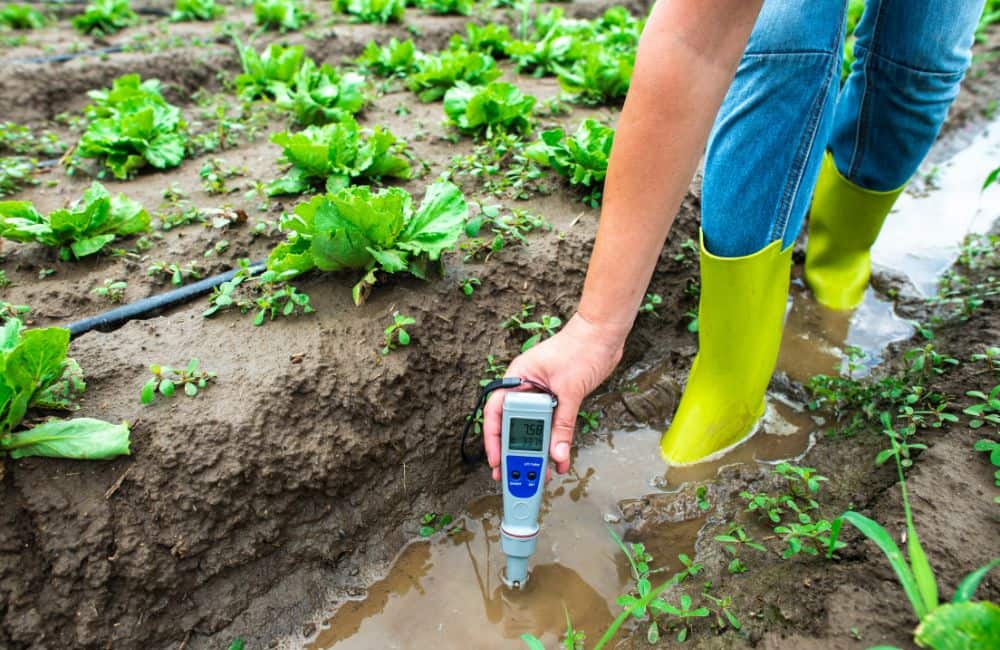
- Portable and Pen-Type Humidity Meters Compact and easy to carry around for measuring humidity at various points, such as soil moisture meters used in agriculture.
- Material Moisture Meter Used to measure the moisture content of materials like wood, concrete, and walls. Available as both invasive and non-invasive models.
- Humidity Transmitter A sensor that measures humidity levels and sends signals for use in automatic control and monitoring systems.
- Humidity Data Logger Used to record humidity and temperature data over time, storing information for analyzing moisture trends suitable for long-term humidity tracking projects.
What Should You Consider When Choosing a Humidity Meter?
When selecting an appropriate humidity meter or moisture detector, the following factors should be taken into account:
- Purpose of Use: Consider whether you need to measure humidity in air, materials, or specific areas to choose a tool that meets your needs.
- Measurement Range and Accuracy: Check if the desired humidity meter has an adequate measurement range and accuracy for your application. Generally, a humidity meter should have an accuracy of approximately ±2-5%RH.
- Other Features: Such as numerical and graphical display, data logging, connectivity with computers or IoT systems, which will enhance usability and efficiency.
- Durability and Ease of Maintenance: If used in environments with high humidity and temperature, choose a humidity meter that is resistant to corrosion and vibration, as well as having easy calibration and sensor cleaning methods for long-term use.
- Price and Warranty: Compare quality with price and select products that come with a warranty from reliable suppliers to ensure long-term value.
Choosing the right humidity meter can help you effectively control moisture levels. If you have any questions or need further advice, you can contact SCMA's expert team for consultation.
Before using the humidity meter, contact SCMA for consultation today!
A moisture detector is a crucial tool for monitoring and controlling humidity in various industries, including manufacturing, agriculture, inventory management, as well as climate control in enclosed spaces. If you need to choose the right humidity meter that meets your business needs, SCMA is ready to provide expert consultation services in automation systems.
Our experienced engineering team can recommend all of SCMA's products, which include a wide range of high-quality humidity meters and sensors from leading global brands. Whether it is desktop digital moisture meters, portable models, control panel-mounted units, or large-scale automatic systems, we also offer comprehensive design and installation services to ensure that you can effectively manage humidity.
Don't wait, contact SCMA today for consultation with our experts. We are here to help your business control moisture and the environment as desired.
Summary
A moisture meter, or Humidity Meter is a necessary tool for controlling the environment in various types of industrial work. With diverse technology to meet different usage requirements, whether portable, wall-mounted, or installed in an automatic control system, if you want to manage humidity effectively, choosing the right and high-quality moisture meter is crucial. SCMA is ready to provide consultation and recommendations on all products of SCMA that meet customer needs for efficient humidity control. Don't forget to contact us today to receive detailed advice from our expert team.
Frequently Asked Questions
What does 80% relative humidity mean?
An 80% relative humidity value means that at the current temperature, the air is holding 80% of the maximum amount of water vapor it can hold. As relative humidity approaches 100%, the likelihood of dew forming or rain falling increases because the air is nearing its saturation point.
What tools are used to measure humidity?
There are various types of tools for measuring humidity, such as hygrometers for measuring humidity in the air, portable relative humidity meters, moisture meters for materials (Moisture Meter), installed system humidity transmitters, and humidity data loggers. Each type is suitable for different applications.
How many types of Humidity Sensors are there?
Humidity sensors can be categorized based on their operating principles, such as capacitive (measuring changes in capacitance), resistive (measuring changes in resistance), dew-point detection, or wet-bulb/dry-bulb temperature measurement. Each type has different characteristics regarding response time, accuracy, and cost.
What does relative humidity tell us?
Relative Humidity (RH) measures the amount of water vapor in the air compared to the maximum amount it can hold at that moment. The RH value varies with temperature; as temperature increases, RH decreases because the air can absorb more moisture. Conversely, when temperatures drop, RH rises. Knowing the RH helps assess comfort levels and mold growth risks easily. For instance, if indoor relative humidity stays above 70% for several days in a row, there is cause for concern about mold formation, and dehumidifiers may be needed to maintain appropriate humidity levels.