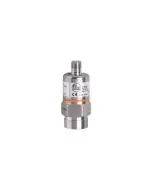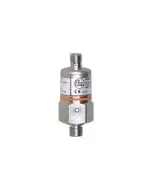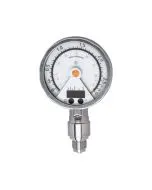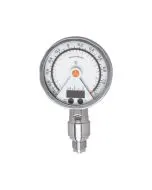
Vacuum pumps are the heart of driving automated systems in factories. Many engineers struggle with suction loss issues causing parts to drop. Understanding vacuum pump operating principles thoroughly helps in selecting the right vacuum pump specifications. SCMA curates solutions for high-performance vacuum pumps, offering free online spec comparisons and fast shipping of parts to get you back up and running immediately.
Why are vacuum pumps necessary in manufacturing processes?
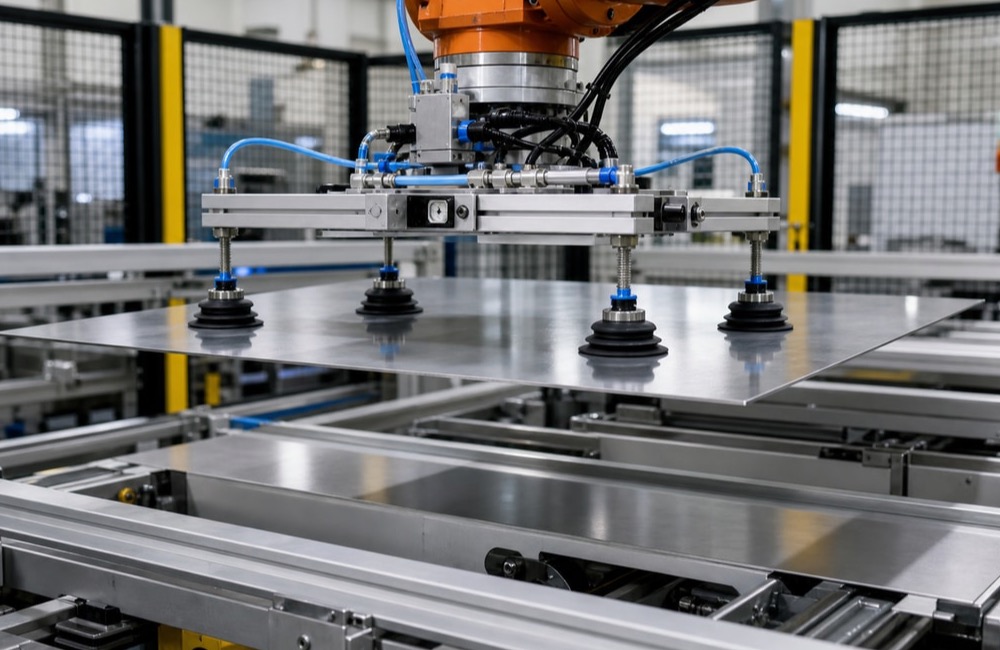
Electronic assembly lines require precision in handling small components. Vacuum pumps provide a quick and non-destructive solution for material surface integrity. The automotive or packaging industries rely on vacuum pumps to move heavy objects at high speeds, maintaining suction stability reduces waste rates clearly. Coordinating vacuum equipment cycles helps reduce cycle times, enabling production targets to be met without machine downtime.
Dive deep into the engineering principles of vacuum pump operation
Understanding vacuum pump operating principles starts with studying atmospheric pressure differences. The internal mechanism of the pump works to draw air out of a closed system to create a lower-pressure environment than outside atmosphere. A volume displacement process occurs as the rotor continuously sweeps air through exhaust ports, external higher atmospheric pressure forces parts against vacuum pump contact surfaces efficiently. Engineers can apply this principle effectively in automated production line gripping mechanisms.
Types of Industrial Vacuum Pumps
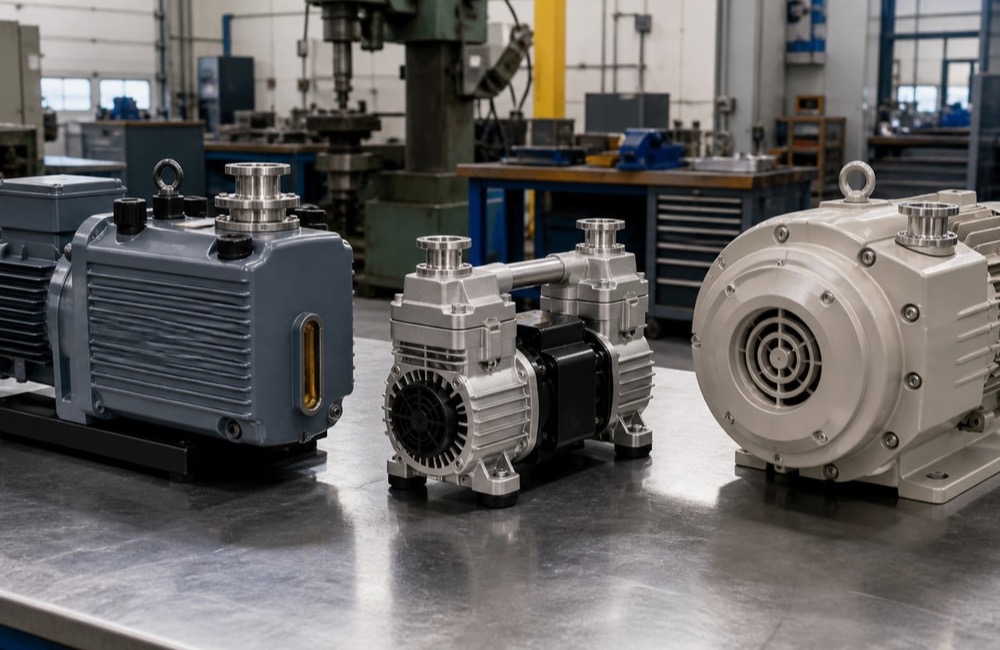
Selecting a vacuum pump requires considering the level of vacuum pressure needed by the production line. Engineers can categorize pumps based on their operating mechanisms into three main groups as follows:
Rotary Vane Type
The rotating vane mechanism works in conjunction with lubricating oil to seal gaps within the pump chamber. This type of vacuum pump can achieve very low pressure levels, making it suitable for moisture removal or evacuating air from workpieces. Maintenance personnel must regularly check and maintain the oil level and condition; allowing the oil to run dry will cause premature wear on the vanes.
Diaphragm Type
The flexible rubber diaphragm moves up and down to draw in and compress air without requiring lubricating oil. This type of vacuum pump is ideal for cleanroom or food industry applications, as the exhaust air is free from oil mist contamination. However, it should be noted that its maximum suction force does not reach as deep as the rotary vane type.
Dry Pump Type
The design of the housing allows internal components to move at precise distances without requiring lubrication. Using a vacuum pump of this dry type significantly reduces maintenance workload for on-site technicians, making it suitable for high cleanliness environments. Some specifications of machinery models specify using such equipment to prevent damage from vapor condensation.
Key Components of Vacuum Equipment in Automation Systems
A complete circuit is not just a single Vacuum Pump. Other components must work together to create a reliable gripping force.
Vacuum Bellows and Vacuum Air Cylinders
This special type of actuator uses low pressure to drive the mechanism instead of compressed air for vacuum air cylinders, addressing tight space applications that require quick part retrieval. The application of vacuum bellows in packaging work enhances flexibility in handling parts with irregular shapes.
Vacuum Cups / Suction Pads
The surface material touching the workpiece must be chosen appropriately for the surface type. Silicone rubber is heat resistant, while NBR (Nitrile) is oil-resistant. Choosing the wrong vacuum cups can cause parts to drop during movement. Engineers need to assess the weight of the object to calculate the correct suction cup diameter.
How to Calculate and Select Vacuum Pumps to Match Specifications
Purchasing a vacuum pump that is not the right size can lead to wasted energy or insufficient suction force. Engineers must evaluate all key variables before deciding on spare parts procurement.
- Calculate the flow rate (Flow Rate) in units of L/min or CFM, relating it to the volume of tubing and the total number of suction cups.
- Check the maximum vacuum level (Ultimate Vacuum) that the vacuum equipment at the end point requires to maintain gripping force.
- Evaluate material compatibility with environmental conditions such as chemical vapor, dust, or high heat.
- Always factor in a safety margin (Safety Factor) to compensate for suction loss due to joints or excessively long air lines.
Solutions for When Vacuum Pump Suction Power Drops
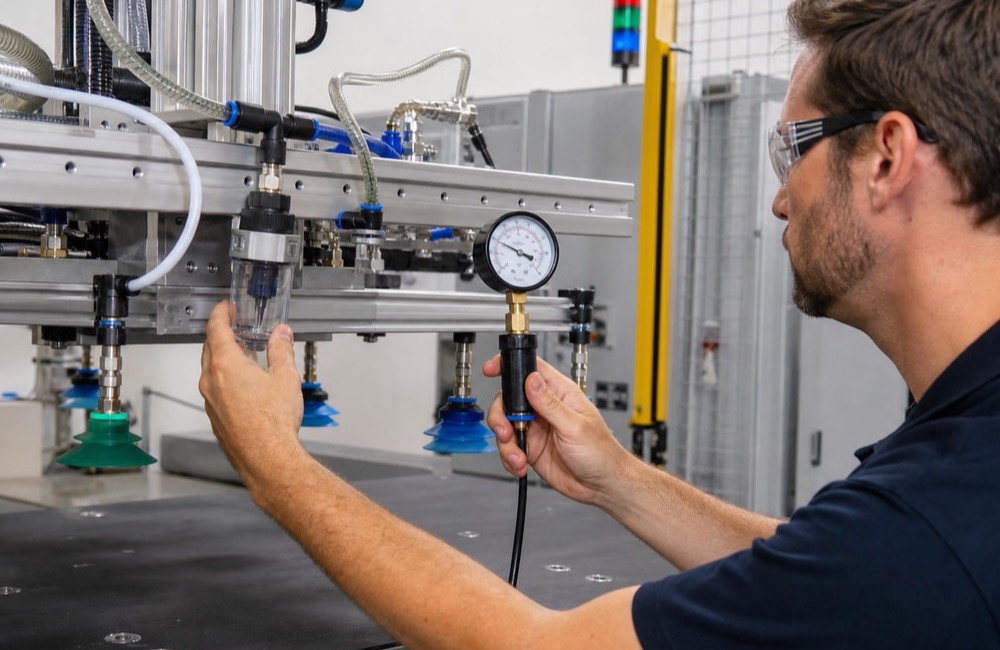
Reduced suction power is a classic problem that disrupts production lines. Maintenance technicians should start by checking the vacuum pump at risk points such as:
- Locate leaks in the system piping (Leakage), especially around quick-connect fittings where O-rings may tear from frequent cable pulling.
- Check the pre-filter before entering the vacuum pump. A clogged filter (Filter Clogging) will obstruct airflow, reducing Flow Rate.
- Note the condition of the Vacuum Cup Centering Device. Overused rubber seals may thin out and crack at the edges, failing to seal properly with workpieces.
- Test the opening and closing of Solenoid Valves in the circuit. A stuck spool valve due to dirt will release suction power into the atmosphere.
Predictive Maintenance Standards for Vacuum Pumps
Maintenance plans clearly reduce the risk of unplanned downtime. The maintenance department must schedule oil changes for vacuum pumps as per the manufacturer's manual. Air filters should be cleaned or replaced monthly. Checking for kinks or cracks in air hoses connected to vacuum equipment is a crucial step that cannot be overlooked. Regularly monitoring the sound of operation of the vacuum pump helps engineers diagnose bearing issues before internal components suffer severe damage.
Summary
Selecting an appropriate vacuum system enhances the stability of automated production lines. Maintaining vacuum pumps to standards extends their lifespan and reduces suction power drop issues. SCMA is ready to provide online consultation for comparing specifications of Vacuum Cup Centering Devices, delivering the exact model to your factory for immediate maintenance.
If you want to buy, SCMA is available for purchase today!
When production lines are disrupted due to a vacuum pump breaking down, SCMA is ready as your Technical Partner. We have a team of engineers providing in-depth consultations online to filter the specifications of vacuum pumps that match your actual working conditions. Ordering is easy and we deliver vacuum equipment parts quickly without waiting for external technicians to assess. You can message us today to consult our engineers.
Frequently Asked Questions (FAQ) about Vacuum Systems
Q1: How should I choose between oil-lubricated and oil-free vacuum pumps?
The vacuum pump with oil lubrication can achieve deeper suction, suitable for continuous heavy-duty work. Oil-free models are easier to maintain and are ideal for food industries or labs that require clean vacuum equipment free from vapor.
Q2: Why does the vacuum gripper lose its grip on parts during movement?
The main cause is insufficient suction force or worn-out rubber edges of the vacuum gripper. Technicians need to check the diameter size in relation to the weight of the part to prevent dropping.
Q3: What types of work are vacuum cylinders suitable for?
The vacuum cylinder is ideal for jobs requiring parts to be pulled or held with limited space. Engineers often apply it in Pick and Place mechanisms of automated assembly lines that require high speed.
Q4: What causes unusual noise from a vacuum pump?
The internal bearings may have cracked or components are rubbing due to the lack of lubricating oil in the vacuum pump. If foreign particles enter the pump chamber, stop the machine immediately for inspection.
Q5: Does SCMA have a team to help with specifications when ordering vacuum pumps or spare parts online?
SCMA has a team of engineers ready to consult and compare specifications of vacuum pumps through our online channels. We assess the Flow Rate to find suitable models, ensuring quick delivery to minimize downtime.