
Is your factory control system having issues or are machines frequently stopping? Choosing the right equipment is a crucial solution. Based on SCMA's engineering team experience as an automatic system solutions provider, understanding how many types of PLCs there are will help you use them accurately. This article delves into everything about Programmable Logic Controllers to help you improve your production process efficiently.
What is a PLC?
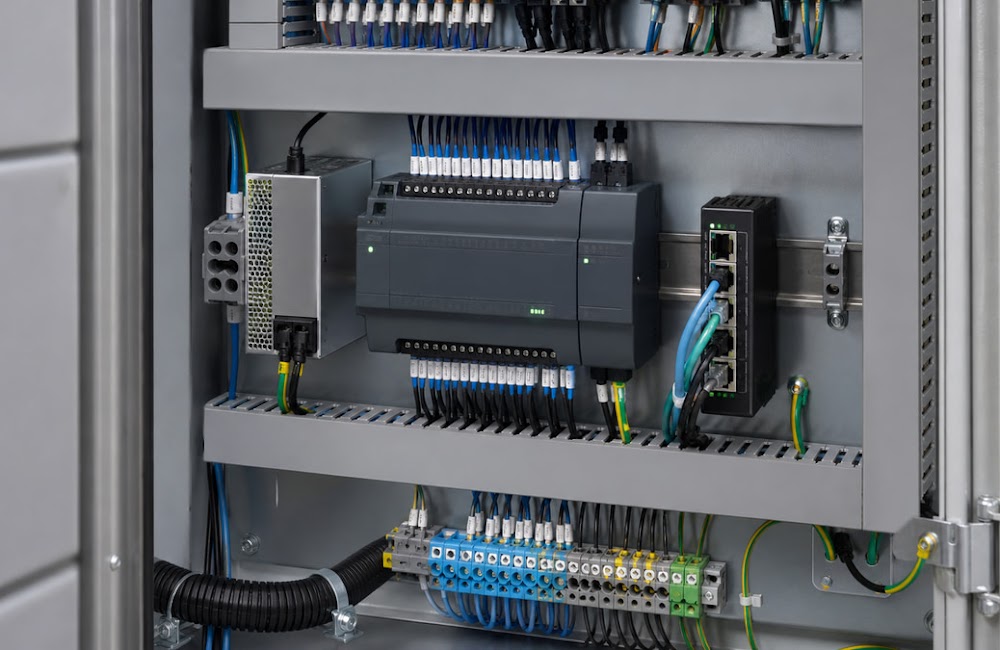
PLC (Programmable Logic Controller), according to SCMA, is an intelligent controller used to control machinery in industrial plants. This device operates through programming to command various components to work systematically together. Using such automatic control systems reduces human errors, resulting in smooth, safe, and robust production processes even under harsh conditions.
PLC Operation Principles
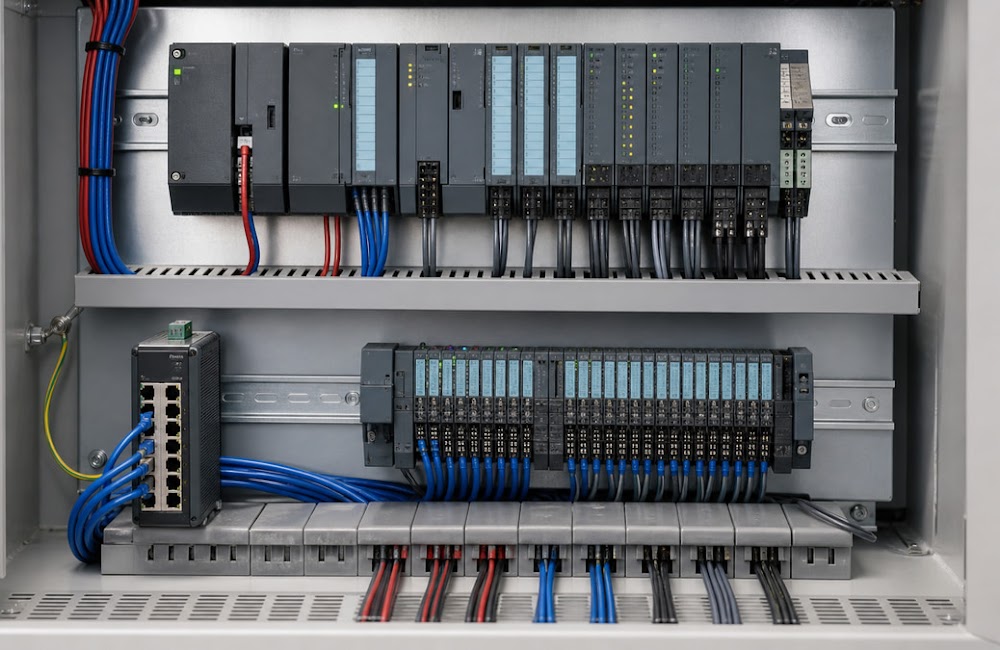
As an industrial equipment supplier, SCMA explains that the operation principle of PLCs follows a continuous Scan Cycle. It starts with reading input values to check sensor statuses, then the CPU processes according to programmed logic matrices, and finally sends output commands to motors or valves while checking for system abnormalities before starting another cycle.
How many types of PLC are there?
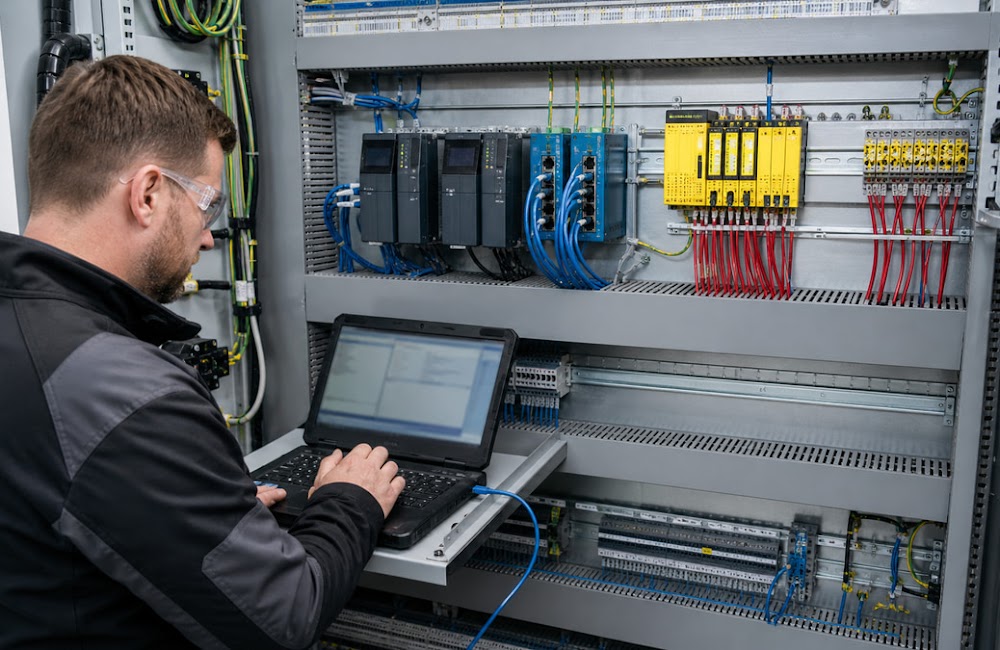
Currently, control devices continue to develop to meet diverse applications. The classification of how many types of PLC are there, is determined based on installation characteristics and the complexity of the work, as follows:
Compact PLC
A Compact PLC is a small control device that integrates basic functions into one unit. This model is easy to install, space-saving, and suitable for machinery control tasks without high complexity. Small to medium-sized businesses often use it due to its cost-effectiveness.
Modular PLC
A Modular PLC system is designed with separate modules that users can add or remove input/output modules according to the needs of the system. This type is ideal for work environments where various types of equipment are interconnected, and it supports excellent future production line expansion.
Redundant PLC
This system is designed with a backup processing unit that works in parallel with the main system. When the primary system encounters an issue, the backup system immediately takes over without interruption. Redundancy helps prevent damage from machine downtime during critical production processes.
Safety PLC
This model is specifically designed to support safety monitoring systems and has higher error prevention standards than general models. Heavy industries use it to protect workers' lives and prevent damage to high-value machinery.
Soft PLC
A Soft PLC differs from other types as it is software installed on standard industrial computers. Engineers often use this type of software for simulation testing of the logic system before actual hardware implementation, reducing installation risks in real-world applications.
PLC Maintenance
Maintaining Programmable Logic Controller is crucial for extending its lifespan and preventing damage that could affect overall production processes. The following guidelines should be followed:
Predictive Maintenance (Preventive Maintenance)
The technical team should regularly clean dust from the air vents on the circuit board, ensuring all wire connections are tight to prevent loose contacts. Measuring power supply voltage according to standard specifications helps prevent processing system errors.
Software and Data Management
Users must always back up the latest program version onto an external drive to prevent data loss in emergencies. Checking status through software for Errors or Alarms can help detect abnormalities before a major system failure occurs.
Environmental Monitoring Around Control Cabinets
The control cabinet should maintain an appropriate temperature not exceeding 50 degrees Celsius, free from humidity or water droplets. The cabinet door must be tightly closed to prevent dust, oil, or insects from entering and damaging internal equipment. Controlling these factors helps sensors operate more accurately.
PLC Usage
A Programmable Logic Controller functions like a brain that receives signals, processes them, and precisely controls machinery. Basic usage principles are divided into three steps as follows:
Read Input Status
The device starts by receiving electrical signals from sensors, switches, or buttons at the work site. This data is converted to digital signals and recorded in temporary memory for processing in subsequent steps.
Execute Program
The central processing unit (CPU) compares input data with conditions written into the program by engineers. This analytical process occurs rapidly, within milliseconds, enabling an automated system to make decisions on behalf of humans.
Write Output
Once calculations are complete, the system sends signals to control external output devices such as motor rotation, valve opening, or warning lights. This step is where the tangible results of machine operation are displayed.
Why PLCs are Important for Factories
The Programmable Logic Controller (PLC) is crucial in controlling production processes continuously. This equipment helps reduce errors caused by employee fatigue, ensuring consistent output. Modern industrial factories cannot do without these durable automatic control devices.
How to Choose a PLC
Selecting a PLC should start with an assessment of the system's needs to ensure that the equipment works efficiently with machinery. We recommend the following initial checklist:
- Type of I/O (Input/Output): Check the number of devices to be connected and choose the appropriate power supply, such as 12V/24V DC for on/off sensors or Analog for temperature sensors.
- Size and Usage Style: Evaluate whether your work is suitable for Compact models that are easy to install or Modular ones that support additional input/output expansion in the future.
- Environmental Support: If installed in high-temperature areas, dusty environments, or used with heavy machinery, choose Ruggedized models designed to withstand extreme conditions.
- Communication Protocols: Select a model supporting Modbus RTU, TCP/IP, or CAN Bus networks for seamless connection with HMI screens.
- CPU Processing Speed: Calculate the program capacity needed and choose one that processes fast enough for real-time tasks.
Summary
This article should have answered questions about how many types of machine control devices like PLCs there are. Choosing a Programmable Logic Controller suitable for your business size will help improve production efficiency sustainably. SCMA Company, as an expert in measurement tools, is ready to partner with you for consultation and recommend products that meet your factory's needs.
If you want to buy PLC, SCMA is available today!
Purchasing an automation control system isn't just buying a product; it's a long-term investment for building reliability in your manufacturing process. SCMA is pleased to offer Project & Solutions services with our team of expert engineers. We have world-class brand products and comprehensive after-sales service, so you can focus on expanding your business.
Frequently Asked Questions
Which PLC brand is best for a factory?
The choice depends on the nature of work, system specifications, as well as budget. SCMA recommends consulting an engineer to match the most suitable brand with your requirements.
What is the general warranty period for equipment?
Control equipment typically comes with a 1-2 year manufacturer's warranty. When purchased through authorized distributor SCMA, you receive additional close technical support.
Is programming for control devices difficult?
Currently, there are software tools that assist in writing programs using ladder logic diagrams which are easy to understand. Engineers with a basic background can quickly learn and apply them.
Can I change the controller model while keeping the same wiring?
In some cases, it is possible if the power supply has matching signal channels. It's necessary to have a technician assess the risks before switching hardware.
If upgrading an old system, where should one start?
Start by surveying all sensor points in your existing system and then contact experts for on-site assessment to plan the transition.




