

An ohmmeter, or OHM Meter, is a crucial measuring instrument for electrical and electronic work. With its ability to accurately measure resistance values, it is an indispensable tool for checking and repairing electrical circuits, and SCMA, the leader in automation systems and resistance measuring tools, is ready to provide comprehensive consultation and services for all types of ohmmeters.
What is an Ohmmeter?

An ohmmeter is a measuring instrument used to measure resistance values or ohms in electrical circuits or devices. The ohmmeter displays the result in ohms (Ω), which is the standard unit of measurement for resistance. An ohmmeter is an essential tool for checking the operation of electrical and electronic systems.
How Does an Ohmmeter Work?
An ohmmeter works by applying a small current through the resistance or resistor being measured, then measuring the voltage drop across it. The resistance value is calculated using Ohm's law (R=V/I), where R is the resistance, V is the voltage, and I is the current. To use an ohmmeter, connect the test leads to the point in the circuit that needs to be measured, adjust the meter to zero, and read the value from the meter face.
What is an Ohmmeter Used For?
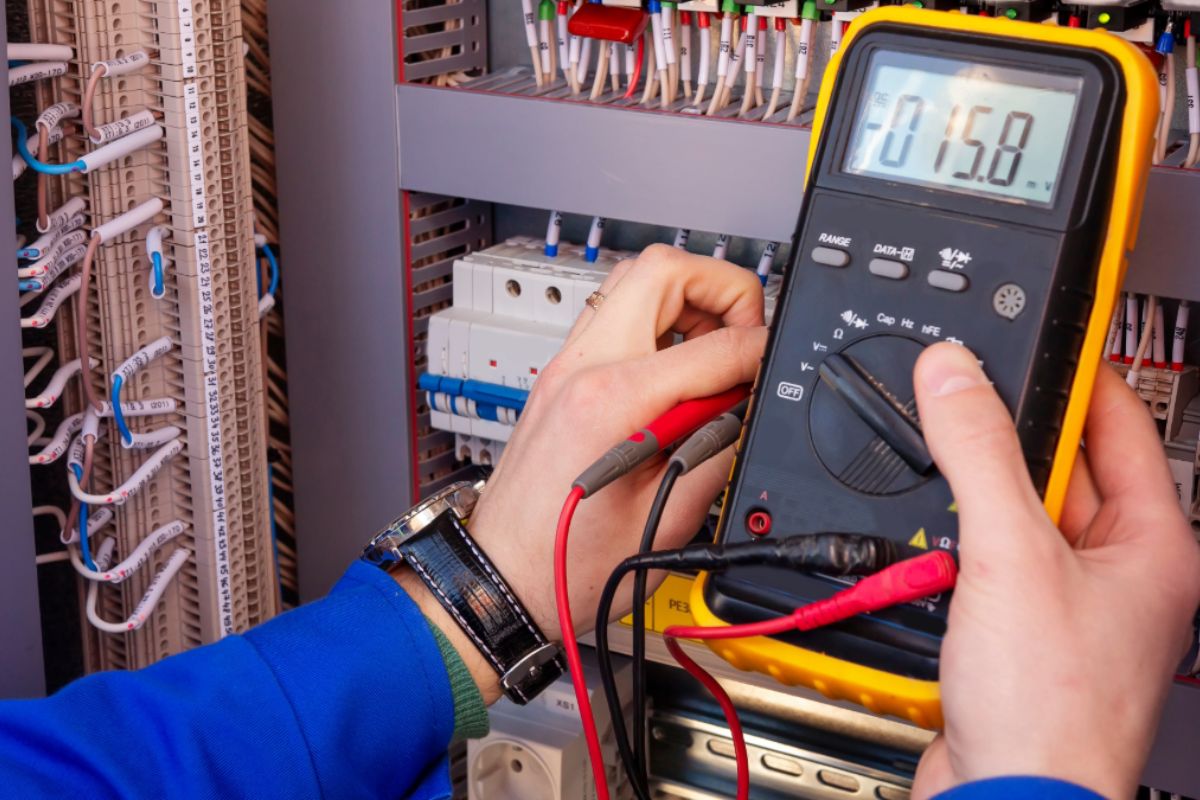
An ohmmeter is used for checking and testing electrical and electronic systems, such as:
- Measuring the resistance of standard resistors, resistors, or resistance wires in a circuit
- Checking wire connections or signal lines
- Using it to check resistances to analyze the malfunction of electrical or electronic devices
- Measuring megohms of insulation or materials to check quality
- Using an ohmmeter to test electrical equipment before installation or use
Proper use of an ohmmeter helps efficiently check and resolve issues with electrical systems and electronic devices, preventing potential damage and hazards.
How to Use an Ohmmeter
To use an ohmmeter correctly, follow these steps:
- Select the appropriate measurement range for the resistance value you want to measure
- Turn off the power supply of the circuit before measuring the ohms
- Connect the red lead to the positive terminal and the black lead to the negative terminal of the electrical resistance meter
- Adjust the ohmmeter (Zero Adjust) before starting the measurement
- Touch the ends of the leads to the point you want to measure and read the value from the dial
- Remove the measuring leads from the circuit after completing the measurement
- Turn off the switch and store the ohmmeter in a safe place after use
Maintaining the resistance measuring tool in good working condition is also important. Be careful not to drop, bump, or get it wet. Additionally, change the battery when the screen starts to become cloudy or if readings are abnormal.
What types of ohmmeters are there?
Ohmmeters can be categorized based on their usage characteristics, including:
Series Ohmmeter
A series ohmmeter is the simplest type. It connects the resistance wire to be measured in series with a battery and galvanometer. The reading on the meter varies according to the resistance value, meaning that higher resistance values will cause the needle to deflect more.
Shunt Ohmmeter
A shunt ohmmeter connects the resistance to be measured in parallel with a galvanometer. It is used for measuring low ohm values or points where current leakage may occur. The measurement value inversely correlates with the resistance, meaning that lower resistance will cause the needle to point more towards the right.
Potentiometer Ohmmeter
A potentiometer ohmmeter is a specialized type of resistance measuring instrument. It uses the principle of adjusting a potentiometer to create a constant voltage for the circuit, allowing for highly precise and accurate measurement of resistance values. This makes it suitable for work requiring high accuracy.
Why are ohmmeters important?
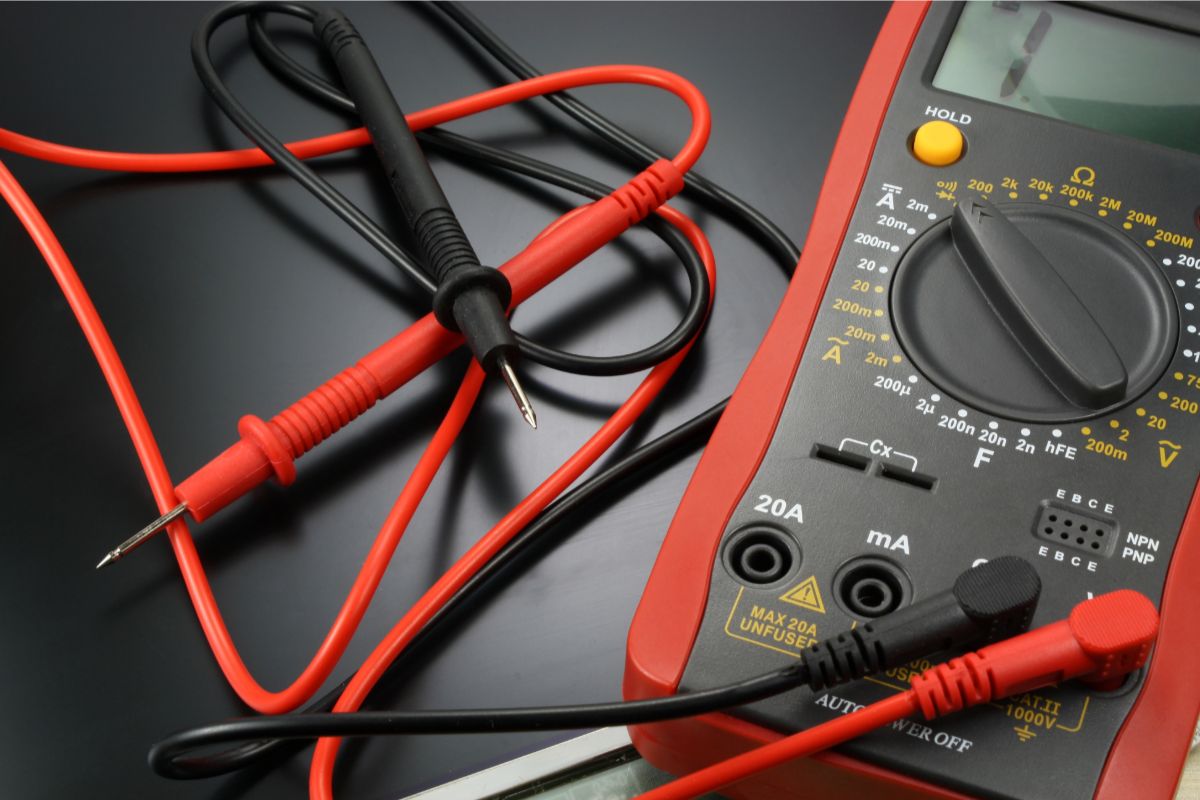
An ohmmeter is a crucial and essential measuring tool for electrical and electronic work, whether it's installation, repair, or maintenance of an electrical system. Using the appropriate ohmmeter correctly can improve efficiency, reduce errors, and prevent potential accidents. Therefore, electricians or those involved in related work should have knowledge and understanding of ohmmeters as well as how to select them according to job requirements.
If you are interested in purchasing an ohmmeter, contact SCMA today!
Ohmmeters are among the high-quality measuring devices and tools that we at SCMA offer. Whether you need any type of ohmmeter, we have a wide range to choose from including analog ohmmeters, digital ohmmeters, multimeters, series ohmmeters, parallel ohmmeters, and potentiometers. Every item is guaranteed to meet our standards.
In addition to selling ohmmeters,SCMA also provides consultation servicesfor selecting, installing, and using electrical resistance measuring devices. We also offer training sessions to transfer knowledge from our team of expert engineers so that customers can use the equipment correctly and safely. Our top priority is providing excellent after-sales service.
If you are interested in ordering, seeking information, or requesting additional consultation about ohmmeters, feel free to contact us through any channel. We also offer special discounts for organizations that purchase complete sets of ohm meters from SCMA. We are happy to be a part of your success.
Summary
An ohmmeter or OHM Meter is an essential measuring tool for work related to electrical and electronic systems, working on the principle of measuring resistance values. Choosing the right type of ohmmeter for your specific needs and using it correctly will help reduce errors and improve efficiency in your work. If you are looking to purchase high-quality ohmmeters with excellent consultation and after-sales service, contact SCMA today.
Frequently Asked Questions
How many types of ohmmeters are there?
Ohmmeters can be categorized into three main types:
- Series Ohmmeter
- Shunt Ohmmeter
- Potentiometer Ohmmeter. Additionally, there are other types such as analog, digital, and multimeters.
What does an ohmmeter measure?
An ohmmeter is used to measure the resistance or ohm value of objects or electrical circuits to check quality, continuity, and functionality of electrical and electronic systems.
How does an ohmmeter work?
An ohmmeter works by passing a small current through the resistance being measured and then measuring the voltage drop across it. The obtained values are then calculated using Ohm's law, which is R=V/I where R is the resistance value, V is the voltage, and I is the current.
What is a galvanometer?
A galvanometer (Galvanometer) is an instrument used to measure very small electrical currents based on electromagnetic principles. When electric current passes through a coil, it generates a magnetic field causing the needle to deflect according to the size and direction of the current. Galvanometers are important components in ohmmeters as well as other pointer-type meters.




