Are you facing machine downtime or inaccurate measurements on your production line? Choosing high-quality IFM Sensors, which adhere to German standards, can help elevate accuracy in industrial plants. Whether it's IFM Proximity Sensor, IFM Pressure Sensor, or IFM Level Sensor, SCMA as experts inautomation solutions, is ready to provide consultation and supply genuine equipment. This article will delve into the types, operating principles, and a checklist for selecting IFM Sensors to ensure you get the most precise and cost-effective solution for your production needs.
What are IFM Sensors?
IFM Sensors are high-performance measurement devices and control systems designed for industrial applications, produced by ifm electronic from Germany. This brand is globally recognized for its durability and integration of smart technology such as the IO-Link data communication system into every type of IFM Sensor. This feature ensures highly accurate data transmission, supporting real-time status checks to prevent machine downtime.
How Many Types of IFM Sensors Are There?
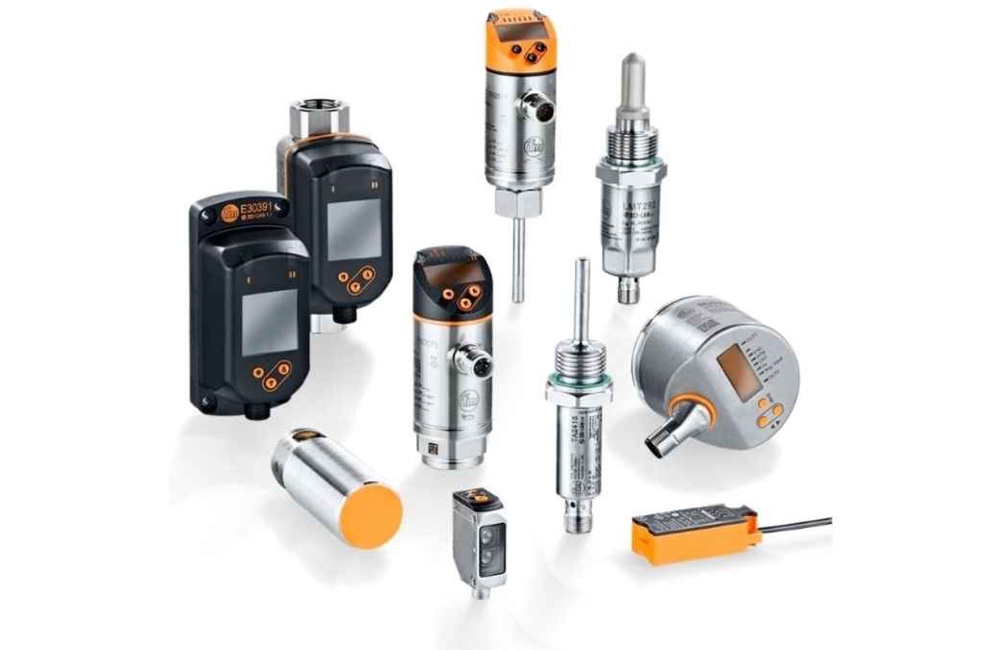
Leading brand ifm offers over 10,000 models of measuring devices designed to support a wide range of manufacturing processes. The checklist below lists the main IFM Sensors categorized by their functions to ensure precise application.
Object Detection Sensors
This group is used for detecting positions or objects without direct contact with the workpiece. Popular models include IFM Proximity Sensor, which comes in both inductive types for metal detection and capacitive types for all kinds of objects. Using these sensors effectively reduces machine wear and tear.
Process Measurement Sensors
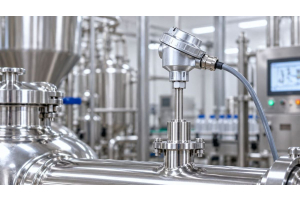
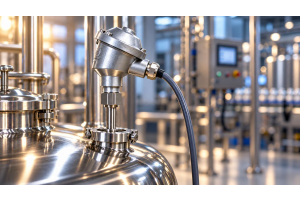
This group measures conditions such as fluid flow in pipes or tanks, ranging from IFM Pressure Sensor to measure liquid pressure to temperature and flow rate sensors. These devices are highly accurate and durable under harsh environments, ensuring production quality meets standards.
Level Sensors
To monitor the volume of liquids or materials in silos requires reliable IFM Level Sensors. This type of equipment prevents issues such as overflowing liquids or material shortages in manufacturing systems. Working with IO-Link technology allows for continuous and accurate transmission of liquid levels.
Vision Sensors and Safety Sensors
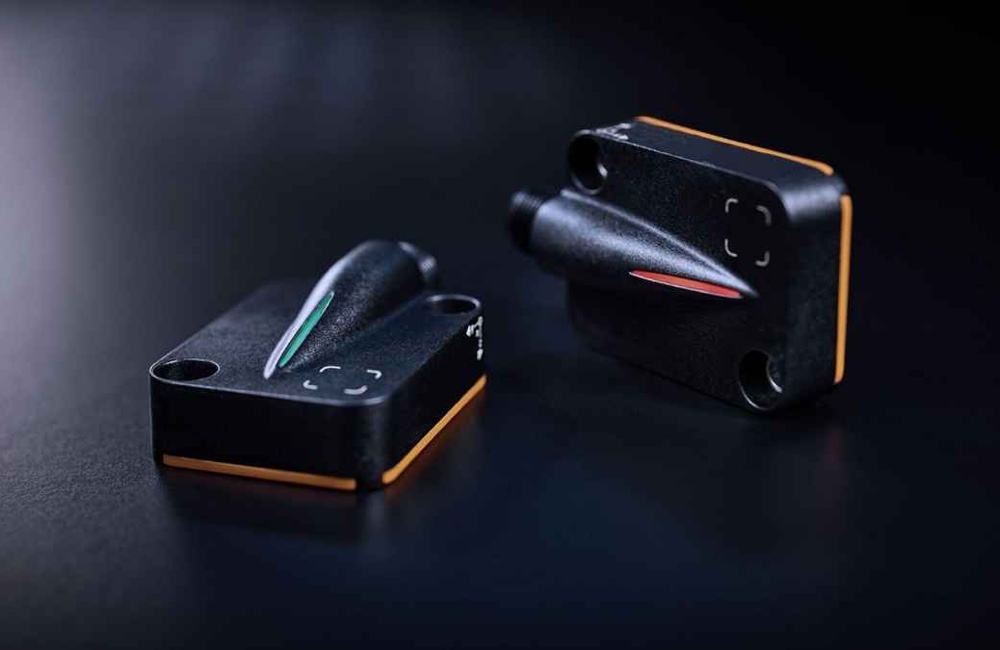
This category focuses on quality inspection and safety prevention. Vision sensors are used to read codes, separate colors, or detect defects on workpieces quickly, while safety sensors like light curtains immediately stop machine operation when foreign objects enter hazardous areas for maximum safety.
Connectivity Devices and IO-Link Systems
In addition to the measuring devices themselves, automatic systems require signal distributors and cables to connect IFM Sensors with central control units. IO-Link technology is crucial in transforming ordinary sensors into smart devices that can be remotely parameterized easily.
IFM Sensor Maintenance
To ensure that measuring tools operate at peak efficiency throughout their lifespan, proper maintenance is essential. IFM Sensor maintenance can be easily carried out through the following 3 main steps.
Physical Environment Inspection
The first step involves regularly checking the cleanliness of the contact area and housing of devices such as the IFM Proximity Sensor to prevent dust or oil residues from accumulating. Cable routing should also be inspected to ensure that cables are not bent excessively or pulled too tight, which could cause signal interruptions during operation.
Utilizing IO-Link System for Data Analysis
Modern communication technology allows real-time diagnostic data retrieval directly from the sensor. Users can monitor the status of IFM Pressure Sensor to determine if it is operating within normal measurement ranges. This system provides early warnings when equipment begins to show signs of malfunction before machinery stops working.
Initial Troubleshooting Based on Expert Recommendations
When error codes are encountered, users should refer to the manual or consult with expert engineering teams for precise problem resolution. If an IFM Level Sensor reads inaccurately, having a professional inspect and recalibrate parameters can reduce the risk of self-experimentation leading to severe damage.
Using IFM Sensors
This German brand's measurement equipment is commonly used in manufacturing processes to control, measure, or inspect workpieces. The checklist below provides examples of how each type of IFM Sensor is applied in real situations.
Usage of Proximity Sensors for Detection Tasks
The majority of factories use IFM Proximity Sensors to detect metal parts on conveyor belts or check the position of cylinders. Stainless steel full-metal models are highly popular in areas requiring high impact resistance or chemical corrosion protection.
Usage of Pressure Sensors for Flow Systems
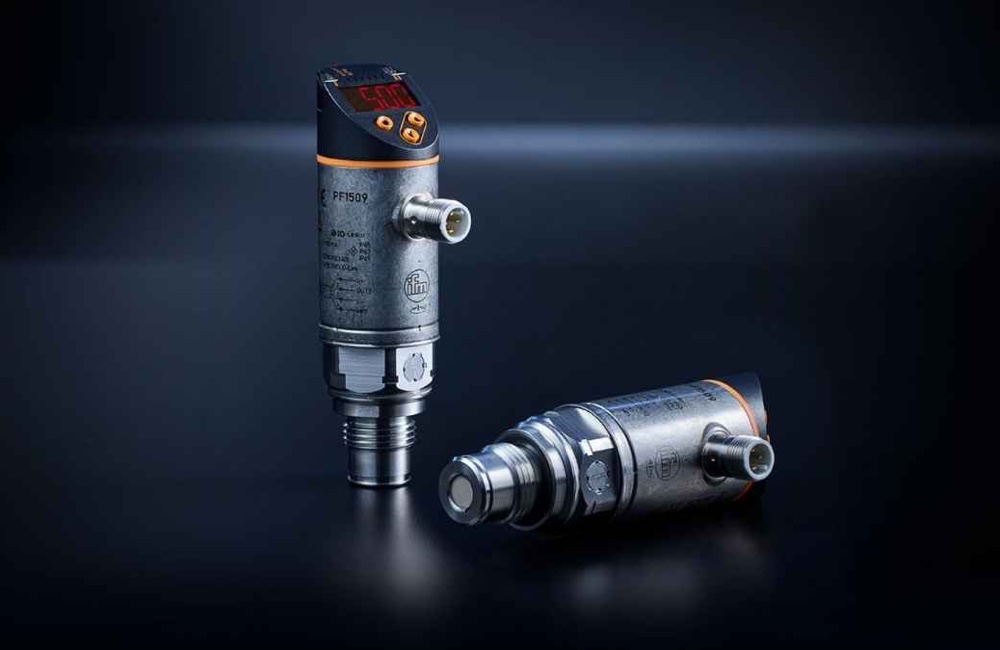
Controlling the pressure in water pumps or air compressors requires IFM Pressure Sensors to convert pressure values into standard electrical signals. This equipment helps maintain constant pressure levels, preventing damage to liquid or gas pipelines during production processes accurately.
Usage of Temperature Sensors for Heat Control
In manufacturing processes that require heat control such as in the food industry or plastics, temperature sensors are installed to closely monitor heat conditions. IFM's equipment is durable under high-pressure environments and helps maintain production standards as specified by engineers.
Usage of Flow Sensors in Cooling Systems
To prevent machinery from overheating due to excessive workloads, flow rate sensors can be installed to monitor water circulation within cooling systems. If the flow rate drops below a threshold, the IFM Sensor will send an alert signal to prevent machine damage.
Usage of Vibration Sensors for Preventive Maintenance
Predictive maintenance is achieved by installing vibration sensors on motors or pumps to detect bearing abnormalities or imbalances in rotating shafts. This allows technical teams to plan preventive maintenance before production lines are disrupted.
How to Choose IFM Sensors
Selecting cost-effective and suitable automatic control equipment for specific job requirements involves understanding the actual working conditions of machinery. The expert-recommended guidelines for purchasing IFM sensors are as follows:
- Consider the type of production process: Clearly determine what needs to be measured. If metal position detection is required, choose an IFM Proximity Sensor; if controlling fluid levels in tanks is necessary, consider using an IFM Level Sensor instead.
- Determine an appropriate measurement range: When selecting the measurement range of an IFM Pressure Sensor, it must cover the highest possible value that may occur within the pipeline system to prevent damage to the sensing surface.
- Check electrical properties and output signals: Match the output signal with the existing PLC control system for seamless integration between the IFM sensor and the system.
- Select models supporting IO-Link technology: Investing in equipment that supports smart networks simplifies configuration, reduces wiring steps, making data retrieval for problem analysis faster.
Benefits of Using IFM Sensors in Industrial Plants
Investing in internationally standardized measurement technologies benefits long-term profitability and operational efficiency. The features that make engineers worldwide trust IFM sensors include:
- Premium durability: Premium-grade equipment like the full-metal IFM Proximity Sensor is resistant to oil, coolant substances, and impacts, suitable for harsh environments.
- High accuracy reduces waste: Precise pressure measurement with an IFM Pressure Sensor helps in accurate ingredient mixing or constant flow control, reducing substandard product rates.
- Increases production stability: Continuous liquid level monitoring using an IFM Level Sensor prevents pump operation during dry conditions, a common cause of machinery failure.
- Easier system integration: The IO-Link innovation allows all types of sensors to support digital connectivity and manage massive amounts of data systematically.
Summary
The application of IFM Sensors is crucial for enhancing the efficiency and accuracy of production lines, whether it's through proximity detection with IFM Proximity Sensor, pressure measurement with IFM Pressure Sensor, or liquid level checking with IFM Level Sensor. These devices all help reduce machine downtime SCMA Company is ready to be your partner in consultation, solution design, and the sale of genuine IFM Sensors to drive your industry towards sustainable success.
If you want to purchase IFM Sensors, SCMA is available for sales today!
Selecting a knowledgeable technical distributor is just as important as choosing equipment specifications. SCMA provides comprehensive services, from consultation, project design, calibration of measuring instruments to professional after-sales service by our team of engineers. We have an inventory ready for shipment of popular IFM Sensor models such as the IFM Proximity Sensor, IFM Pressure Sensor, and IFM Level Sensor to meet urgent needs. Customers can browse IFM Sensor products and consult our experts for the best solutions immediately.
Frequently Asked Questions
What is IO-Link in IFM Sensors?
It is a digital communication technology that enables sensors to directly transmit status data and diagnostic anomalies to the central control system.
What can an Inductive IFM Proximity Sensor detect?
This type of sensor is designed to detect all types of metal objects without contact, suitable for counting or checking workpiece positions on a conveyor belt.
Can remote configuration be done for the IFM Pressure Sensor?
Yes, if you choose a model that supports IO-Link, engineers can adjust various parameters through a central computer without having to go to the site.
Which types of liquids are suitable for the IFM Level Sensor?
Suitable for use with a variety of liquid types such as oil, chemicals, or coolant water. The appropriate housing material must be selected based on the corrosiveness of that substance.
Why should you purchase IFM Sensors from SCMA?
SCMA is an automation expert with a consulting engineering team providing design solutions and comprehensive after-sales service including calibration of measuring instruments.