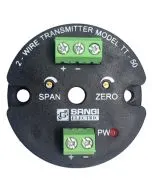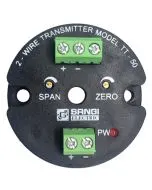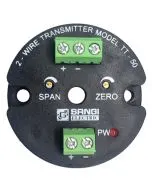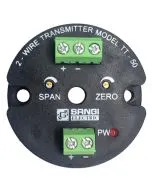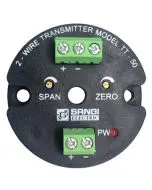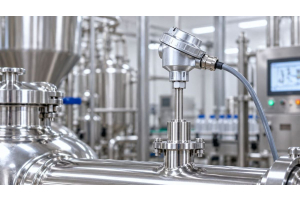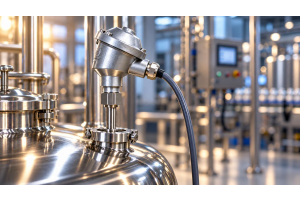

Flow Transmitter, or flow signal transmitter, is highly sought after in modern manufacturing industries. But do you know how this device works and what applications it can be used for? This article SCMA will guide you through all the details about Flow Transmitters, from how they work to their various types and applications in different industries. It also provides comprehensive information that will help you understand and choose the right equipment.
What is a Flow Transmitter (Flow Signal Transmitter)?

Flow Transmitter is an upgraded flow meter, a flow measuring device with built-in electronic circuits as its operating system. In the flow transmitter, measurement activities are carried out by electronic circuits upon receiving instructions from operators. Due to having built-in electronics, this equipment can control and monitor fluid flow efficiently.
A Transmitter is a converter that transforms the output signal of a sensor into a signal that controllers can recognize. Additionally, it converts non-electrical inputs from sensors to electrical signals and amplifies signals for remote measurement and control. This digital Flow Meter provides an electrical output proportional to flow input using three main measurement principles: mass, volume, and velocity.
How Does a Flow Transmitter Work?
A Flow Transmitter works by converting the flow signal collected from a flow sensor into a standard electrical signal. This measuring instrument receives data from various types of flow meters, processes it through internal electronic circuits, and combines all the electrical signals from each sensor to convert them into an efficient standard 4-20mA signal that can be transmitted to control systems or other display devices. This process enables the Flow Meter to communicate smoothly with automation systems.
Functions of a Flow Transmitter

A Flow Transmitter has several important functions in an automated system, including monitoring flow rates, controlling fluid flow, and providing feedback data to improve the process. The Flow Transmitter helps industrial systems operate at maximum efficiency by accurately measuring liquid and gas flows. This measuring instrument is often used with other devices such as control valves and actuators to provide real-time flow control, allowing precise adjustment of process parameters, and enabling the Flow Meter to respond immediately to changes in the system.
How Does a Flow Transmitter Differ from a Flow Meter?
The differences between a Flow Transmitter and a Flow Meter lie in several aspects. A Flow Meter is a basic measuring instrument designed solely to measure flow rate, while a flow transmitter not only measures the flow but also helps control and monitor it. Additionally, a Transmitter is technologically more sophisticated than general flow meters.
Flow Transmitter
A flow transmitter is an intelligent device with built-in electronic circuits that can convert flow signals into electrical signals usable by control systems. Flow transmitters can also transmit data through various communication networks and have self-diagnostic capabilities, making them highly efficient flow measurement tools suitable for modern industrial systems requiring real-time control.
Flow Meter
A Flow Meter is a traditional measuring instrument that uses mechanical principles to measure flow rates, such as orifice plates, venturi meters, etc. These devices are designed for manual field use and typically display measurement results through dials or simple screens. This type of flow meter is easy to install and maintain but has limitations in data transmission and remote control.
Applications of Flow Transmitters in Industry

Flow Transmitters are widely used in various industries due to their ability to control and monitor flow accurately. As a result, Flow Transmitters have become an indispensable tool for measuring flow rates in modern manufacturing processes, contributing to energy savings, quality control, and safety.
- Food and Beverage - Control the flow of ingredients, fruit juices, and sweeteners.
- Industrial Manufacturing Processes - Measure the flow of chemicals and raw materials in production lines.
- Environmental Conservation Projects - Monitor water and wastewater in treatment systems.
- Pulp and Paper - Control the flow of chemicals during production processes.
- Pharmaceuticals - Measure the flow of active ingredients and solvents.
- Biotechnology - Control flow in bioreactors.
- Oil and Gas - Measure the flow of hydrocarbons in pipelines.
- Energy Measurement - Track fuel and coolant usage.
- Metals and Mining - Control the flow of solutions in extraction processes.
- Marine - Measure fuel and water flows on ships.
- Electricity and Utilities - Monitor the flow of water and chemicals.
- Transportation - Measure fuel and liquid flows in vehicles.
- Chemicals - Control the flow of various chemicals during production processes.
- Fabrics - Measure dye and chemical flows in manufacturing.
- Building Automation - Control HVAC and plumbing systems.
- Microelectronics - Measure the flow of advanced chemicals in chip production.
- Weather Forecasting - Monitor water flows in rivers, lakes, and oceans.
Types of Flow Transmitters
The market offers various types of flow transmitters, each designed for specific applications and operating conditions. Selecting the appropriate flow meter depends on several factors such as fluid type, measurement range, and operating environment. Each type of Flow Meter has its own advantages and limitations.
- Differential Pressure Flow Transmitter - Measures flow rate by detecting the pressure drop across an obstruction in the flow path. Suitable for general liquids and gases.
- Magnetic Flow Transmitter - Uses electromagnetic principles to measure the flow of electrically conductive fluids. Highly accurate with no moving parts.
- Ultrasonic Flow Transmitter - Utilizes ultrasonic waves to measure flow rate by detecting changes in fluid velocity. Suitable for large pipes.
- Vortex Flow Transmitter - Operates based on vortex shedding from an object in the flow path. Suitable for steam and gases.
- Mass Flow Transmitter - Directly measures the mass of flowing fluid, providing the highest accuracy for precise process control.
- Turbine Flow Transmitter - Uses a rotating turbine to measure flow velocity. Suitable for low-viscosity liquids.
What are the Benefits of a Flow Transmitter?
A flow transmitter is beneficial in the automation systems of industrial processes, making it an indispensable tool for measuring flow rates in modern operations. Flow Transmitter enhances efficiency, reduces operational costs, and maintains product quality standards with advanced technology that ensures accurate and reliable process control.
- Accurate Measurement - A flow transmitter provides precise and reliable flow rate measurements, enabling operators to monitor and control processes efficiently.
- Real-time Monitoring - The flow transmitter can send immediate flow data, allowing operators to fine-tune process parameters in real time.
- Increased Efficiency - Improving the efficiency of flow rates enhances overall industrial process performance, leading to cost savings and increased productivity.
- Compliance - A flow transmitter ensures that operations comply with industry regulations and standards by providing accurate measurement data for reporting and auditing purposes.
- Equipment Protection - The flow transmitter protects end-of-line equipment such as pumps, valves, and filters by monitoring flow rates and preventing damage from overflows or excessive pressure.
- Self-Diagnosis - Modern flow transmitters have self-diagnostic features that detect issues and alert operators before serious damage occurs.
- Energy Savings - Accurate flow control reduces energy losses and increases resource efficiency.
If you want to buy a Flow Transmitter, SCMA is now available for purchase!
Choosing a high-quality and suitable flow transmitter for business needs is crucial for maintaining the efficiency and reliability of production systems. SCMA is a leading supplierof top-quality flow transmitters with extensive experience in providing services, flow meters, and advanced flow transmitters. We also offer consultation on selecting the right equipment.
The transmitter is the best device for each type of industry, whether it's a basic flow meter or an advanced flow transmitter. We provide comprehensive services with excellent after-sales support to ensure your system operates at peak efficiency throughout its lifespan.
Summary
A flow transmitter is a crucial tool for modern automated systems, capable of accurately measuring, controlling, and monitoring flow. The flow transmitter enhances production efficiency, reduces costs, and maintains product quality standards. Selecting the appropriate type of flow meter for your application will yield the best results, and SCMA is ready to be your reliable partner in providing high-quality flow measurement tools with comprehensive services for maximum performance.
Frequently Asked Questions
What is a Flow Transmitter?
A Flow Transmitter, or flow signal transmitter, is an advanced measuring tool with built-in electronic circuits that can measure, control, and transmit flow data to the central control system. It functions by converting flow signals into standard electrical signals of 4-20mA for use in industrial automation systems.
What are the duties of a Flow Transmitter?
The primary duty of a Flow Transmitter is to measure and monitor real-time flow rates, control flows as specified, and send data to the central control system. Additionally, it helps improve process efficiency, ensure compliance with standards, and prevent equipment damage from abnormal flow conditions.
How does a Flow Transmitter work?
A Flow Transmitter operates by receiving signals from the flow measurement sensor, processing them through internal electronic circuits, and then converting the signal into standard 4-20mA or digital signals to send to the control system. This process occurs continuously and accurately, allowing for constant monitoring and adjustment of flows.
How many types of Flow Transmitters are there?
There are several types of Flow Transmitters such as differential pressure type, magnetic type, ultrasonic type, and vortex type. Each type has its own advantages and specific applications. The choice depends on the nature of the fluid and operating conditions.